

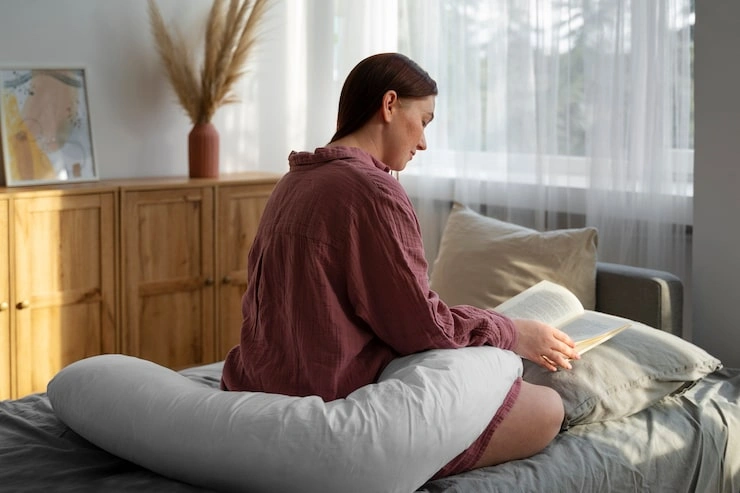
Waking up with a sore lower back is one of the most common struggles during pregnancy. You are not alone in this. More than half of all pregnant women deal with back pain at some point . And for many, the pain gets worse at night when it is time to rest . This article will explain why this happens and show you simple, safe ways to sleep better and wake up with less pain.
Why Does Back Pain Get Worse at Night?
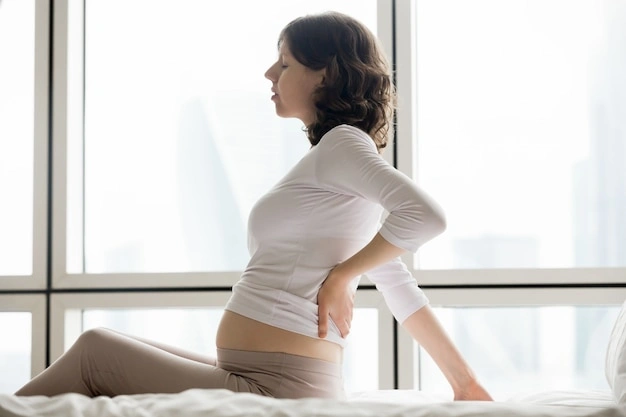
Understanding the cause is the first step to finding relief. Several things happen during pregnancy that make your back hurt, especially when you lie down.
Your Body's Changing Shape
As your baby grows, your uterus gets heavier. This extra weight in the front of your body shifts your center of gravity forward . To stop yourself from falling forward, you might lean back. This posture puts a lot of strain on the muscles in your lower back. After a long day of carrying this extra weight, your back muscles are tired and sore by nighttime . Lying down can sometimes make this strain more noticeable.
The Role of Pregnancy Hormones
Your body releases a hormone called relaxin during pregnancy. This hormone helps loosen the ligaments in your pelvis to prepare for birth . While this is important for delivery, it also makes the joints in your back and pelvis less stable. This lack of stability can cause discomfort and make you more prone to pain, especially when you are trying to find pregnancy back pain while sleeping .
Pressure on Blood Vessels
In the later stages of pregnancy, lying flat on your back can be a problem. The weight of your uterus can press on a large blood vessel called the vena cava . This can reduce blood flow to your heart and to your baby. It can also cause dizziness, shortness of breath, and make your back pain worse .
Read Also: Early Pregnancy Bloating Vs Baby Bump
The Best Sleeping Positions for a Pain-Free Night
Changing how you sleep is one of the most effective ways to reduce back pain. Here are the positions that experts recommend.
Sleep on Your Side, Preferably Your Left
Side sleeping is the best and safest position during pregnancy, especially in the second and third trimesters . Sleeping on your left side is often recommended because it maximizes blood flow to the placenta and helps your kidneys work better . This can also reduce swelling in your legs and feet. If your left side is uncomfortable, sleeping on your right side is a good alternative .
Use Pillows for Support
Pillows are your best friend for a comfortable night's sleep. They help keep your body in proper alignment and relieve pressure points .
-
Between Your Knees: Placing a pillow between your knees is a simple step that makes a huge difference. It keeps your hips and spine aligned, which takes pressure off your lower back .
-
Under Your Belly: A small, flat pillow or a wedge pillow tucked under your growing belly can provide support and ease the pull on your back muscles .
-
Behind Your Back: Placing a pillow behind your back can prevent you from rolling onto your back during the night and provide extra support .
Positions to Avoid
-
Sleeping on Your Back: As mentioned, this position can reduce blood flow and increase back pain. It is best to avoid this position, especially after the 20-week mark .
-
Sleeping on Your Stomach: While safe in early pregnancy, it becomes physically impractical and uncomfortable as your belly grows .
How to Get Out of Bed Safely?
Even how you get out of bed matters. Sudden, twisting movements can strain your already sensitive back.
To get out of bed safely:
-
Roll onto your side, keeping your knees bent .
-
Push your upper body up with your arms to a sitting position .
-
Swing your legs over the side of the bed.
-
Stand up slowly, using your leg muscles to support your weight .
Simple Daytime Habits That Help Nighttime Pain
What you do during the day can affect your back pain at night. Good posture and gentle exercise can make a big difference.
Practice Good Posture
Good posture helps reduce the strain on your back muscles. Think of a straight line from your ears to your shoulders and hips .
-
When standing: Keep your feet slightly apart, tuck in your pelvis, and don't lock your knees . If you have to stand for a long time, place one foot on a small stool to relieve pressure on your lower back .
-
When sitting: Choose a chair that supports your lower back. Keep your knees slightly lower than your hips and your feet flat on the floor . Getting up and walking around every hour is also helpful.
Gentle Exercise and Stretching
Regular, gentle exercise can keep your back strong and relieve pain . Walking and swimming are excellent, low-impact choices .
-
Pelvic Rocking: This exercise can help ease backache. Get on your hands and knees, keep your back flat, and pull in your stomach, rounding your back slightly. Hold for a few seconds and relax .
-
Always check with your doctor or midwife before starting any new exercise routine.
You May Also Like: Pregnancy Sleep Positions By Trimester
Consider a Belly Band
A maternity support band or belly band can help lift and support your growing belly . This redistributes the weight and takes some of the strain off your lower back.
When to Call Your Doctor?
While back pain is common, there are times when you should seek medical advice.
Contact your healthcare provider if:
- Your back pain is severe or doesn't go away after two weeks .
- You have pain that comes and goes in waves, as this could be a sign of preterm labor .
- You have sharp pain, numbness, or tingling in your legs .
- You experience cramping or vaginal bleeding along with your back pain .
Pregnancy back pain while sleeping is common, but it does not have to be your normal. By making small changes to your sleeping position, using pillows for support, and practicing good posture during the day, you can find the relief you need to rest well and support a healthy pregnancy.
Other Articles

Why Is My Child Tired After Sleeping
50 Popular Gujarati Surnames Or Last Names With Meanings