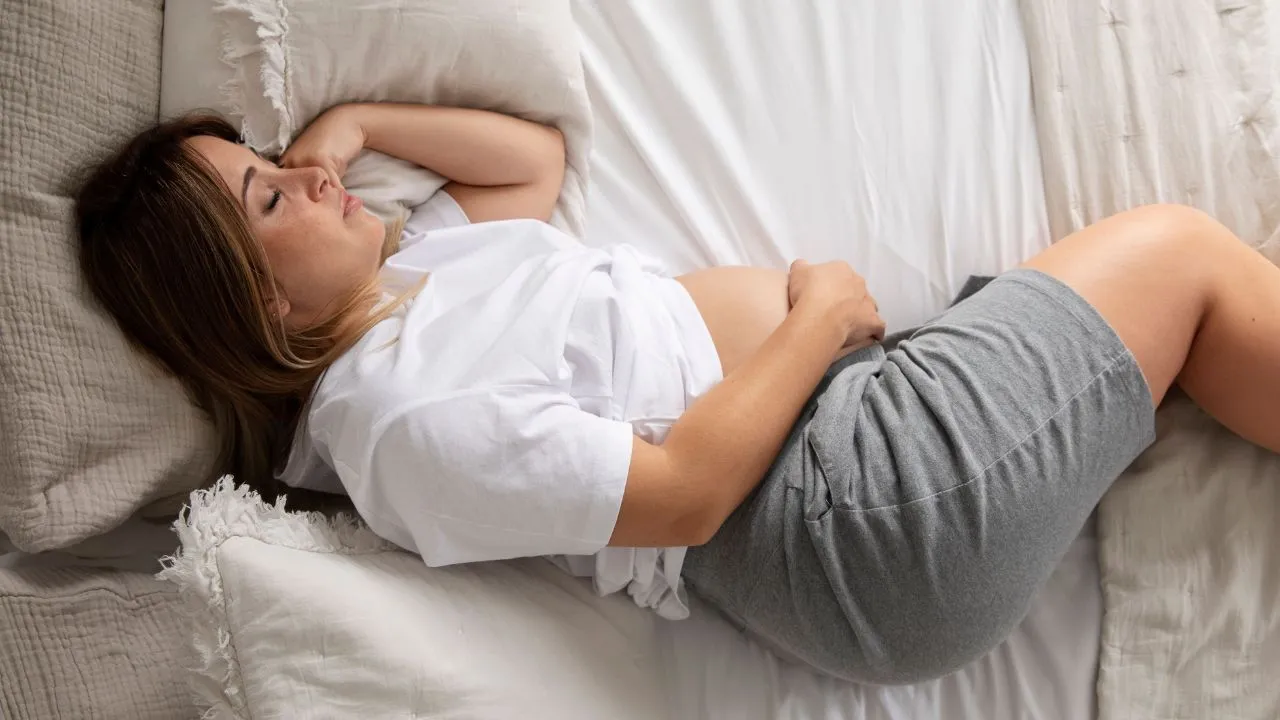

You just found out you are pregnant. Or maybe you are trying to get pregnant. Every little change in your body feels important now. You look at your belly in the mirror every morning. Is it getting bigger? Is that your baby showing? Or is it just gas and water weight?
This question bothers many women in the first few months of pregnancy. You want to see your baby bump. You want that round belly that makes pregnancy feel real. But your stomach feels swollen and tight. You are not sure what is happening inside your early pregnancy bloating vs baby bump.
The truth is both bloating and a baby bump can make your belly look bigger. But they are very different things. One is a sign that your body is adjusting to pregnancy hormones. The other is your actual baby growing inside your uterus.
This guide will help you understand the difference between early pregnancy bloating and a real baby bump. We will look at what causes each one. We will talk about when each one starts. We will give you clear signs to tell them apart. By the end you will know exactly what is going on with your belly.
What Is Early Pregnancy Bloating?

Bloating happens when your stomach and intestines hold extra gas or water. Your belly feels full and tight. It might look bigger than usual. But this size change is not permanent. It comes and goes during the day.
Why Bloating Happens in Early Pregnancy
Your body makes a hormone called progesterone when you get pregnant. This hormone is very important. It helps keep your pregnancy safe. But it also slows down your digestive system.
When your digestion slows, food stays in your stomach and intestines longer. This gives gas more time to build up inside you. The gas pushes against your belly wall. Your belly looks larger and feels uncomfortable.
Another reason for bloating is water retention. Pregnancy hormones change how your kidneys work. Your body holds onto more water. This extra water can make your belly feel puffy. Your fingers and feet might also look a little swollen.
Bloating in early pregnancy is very common. Most women feel it. It starts around week four to six of pregnancy. For some women it starts even before they miss their period. This is often one of the very first signs of being pregnant.
Read Also: What You Need To Know About Pregnancy Week Calculator By Due Date
How Bloating Feels?
When you have bloating your belly feels soft and squishy. It is not firm to the touch. You can press on it and it moves easily. The shape of your belly might change during the day. It is often bigger in the evening after you eat. In the morning it might look smaller.
Bloating also comes with other feelings. You might have gas that you cannot hold in. You might burp more than usual. Your stomach might make gurgling noises. Some women feel pain or cramps from trapped gas.
The important thing to remember about bloating is that it changes. One day your belly looks big. The next day it looks almost normal. This up and down pattern is a key sign that bloating is the cause.
What Does Not Cause Bloating
Bloating does not come from your baby growing. Your baby is very tiny in the first three months. At twelve weeks your baby is only the size of a plum. It cannot make your belly stick out yet. The size you see is from gas and water, not from your baby.
What Is a Baby Bump?
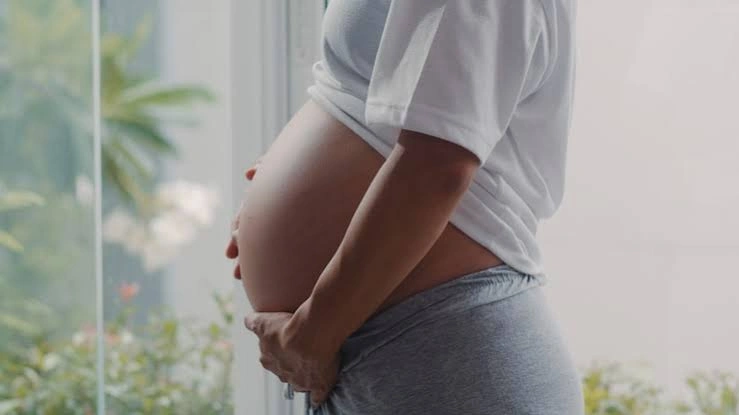
A baby bump is your growing uterus pushing against your belly wall. Your baby, the placenta, and the fluid around your baby all take up space. As they grow, your uterus expands. This expansion makes your belly rounder and firmer.
When Does a Baby Bump Show Up
For most first-time mothers, a baby bump appears between week thirteen and week sixteen. This is when your uterus grows big enough to push up out of your pelvis. Before this time your uterus sits low in your body. It is hidden behind your pelvic bone. You cannot see it from the outside.
For women who have been pregnant before, the bump often shows earlier. Your abdominal muscles are stretched from your last pregnancy. They do not hold your uterus in as tightly. Your bump might appear around week ten to twelve. Every pregnancy is different. Some women show later, some show earlier.
How a Baby Bump Feels
A baby bump feels firm and round. When you press on it, it does not move or squish easily. The shape is usually a smooth curve from your pubic bone up toward your belly button.
Unlike bloating, a baby bump does not go away. It gets bigger each week. It does not shrink in the morning. It does not look smaller after you go to the bathroom. It stays consistent day after day.
As your bump grows, you might feel a pulling or stretching feeling. This comes from your skin and muscles stretching to make room for your baby. This feeling is normal. It is not the same as gas pain.
The Size of a Baby Bump
Every woman has a different sized bump. Some women carry small. Some women carry large. The size depends on many things. Your body type matters. The position of your baby matters. The amount of fluid around your baby matters.
Do not compare your bump to other women's bumps. Their pregnancies are different from yours. Their bodies are different from yours. What matters is that your bump grows at a steady pace. Your doctor or midwife will measure your bump at each visit. They will tell you if your growth is normal.
Key Differences Between Bloating and Baby Bump
Now let us look at the clear differences between these two things. These signs will help you know what is happening with your belly.
Timing
Bloating starts very early. You might notice it before you even take a pregnancy test. It is common in the first trimester. Many women feel bloated from week four to week twelve.
A baby bump starts later. You usually see it in the second trimester. For most women this is week thirteen or later. If your belly looks bigger before week twelve, it is likely bloating.
Consistency
Bloating comes and goes. You wake up with a flat belly. By dinner time your belly looks pregnant. The next morning your belly is flat again. This pattern is a clear sign of bloating.
A baby bump stays the same. It does not change size during the day. It might grow a little each week. But it does not disappear and reappear. If your belly is consistently round every day, it is likely your baby bump.
Texture
Bloating feels soft. When you press your belly, it moves easily. It might feel like a water balloon. Your belly might jiggle when you move.
A baby bump feels firm. When you press on it, it resists. It feels like a basketball. The lower part of your belly is harder than the upper part. This firmness comes from your uterus pushing outward.
Location
Bloating affects your whole belly. It can make your upper belly look large too. Gas can collect anywhere in your digestive system.
A baby bump is lower. It starts just above your pubic bone. As your uterus grows, the bump moves upward. In early second trimester it stays below your belly button. Later in pregnancy it rises higher.
Associated Symptoms
Bloating comes with gas, burping, and stomach noises. You might feel gurgling in your belly. You might pass gas more often. These symptoms are not part of a baby bump.
A baby bump comes with other pregnancy signs. You might feel flutters or kicks. These are your baby moving. You might feel ligament pain. This is a sharp feeling on the sides of your belly. These things do not happen with bloating.
What Affects When You Show?
Many things determine when your baby bump becomes visible. Let us look at each one.
First Pregnancy vs Later Pregnancy
If this is your first baby, you will show later. Your abdominal muscles are tight and strong. They hold your uterus in place. It takes longer for your uterus to push through them.
If you have been pregnant before, your muscles are looser. They have stretched in a past pregnancy. Your uterus can push forward sooner. You might show weeks earlier than a first-time mother.
Your Body Type
Your height and weight affect your bump. Women with longer torsos have more space inside. Their baby bump might not stick out as far. The bump grows upward instead of outward.
Women with shorter torsos have less space. Their uterus pushes forward more. Their bump might look larger earlier. Your body shape is unique. It changes how you carry your baby.
Your Abdominal Muscles
Strong abdominal muscles hold your uterus tight against your spine. This can delay your bump from showing. Weaker muscles let your uterus push forward sooner. This is one reason why women who exercise often show later.
Baby Position
Your baby moves around inside your uterus. Sometimes your baby faces your back. This position makes your bump look smaller. Sometimes your baby faces forward. This position makes your bump look bigger.
The position of your placenta also matters. A placenta on the front of your uterus can make your bump look larger. A placenta on the back of your uterus can make your bump look smaller.
Weight Gain
Every woman gains weight during pregnancy. Some of this weight goes to your belly. The extra fat and fluid can make your belly look bigger. This might look like a baby bump but it is not. This is weight gain combined with bloating.
If you gain weight quickly, your belly might look larger earlier. This does not mean your baby is bigger. It means your body is storing more fat and fluid.
How to Tell the Difference for Yourself?
You can use a few simple methods to figure out what is causing your belly size.
The Morning Test
Check your belly first thing in the morning. Do not eat or drink anything yet. Look in the mirror. If your belly looks flat or nearly flat, you are dealing with bloating. Bloating builds up during the day as you eat and drink.
If your belly looks round and full in the morning, it might be your baby bump. A true bump does not shrink overnight. It stays the same size when you wake up.
The Press Test
Press gently on your belly just above your pubic bone. If your belly feels soft and squishy, it is likely bloating. If it feels firm and dense, it is more likely your baby bump.
The Toilet Test
Visit the bathroom and have a bowel movement. Check your belly afterward. If your belly looks smaller, your size came from gas or stool. This is bloating. If your belly looks the same, it might be your early pregnancy bloating vs baby bump.
The Time Test
Wait a few weeks. Bloating does not increase steadily. It stays about the same or changes daily. A baby bump grows bigger each week. Take a photo of your belly every week. Compare them. If you see steady growth, that is your bump.
When Bloating Turns Into a Bump?

Many women experience both bloating and a baby bump. The bloating does not go away when the bump appears. You might have bloating in the first trimester. Then in the second trimester your bump starts to show.
For a few weeks, you might have both. Your belly looks big from bloating. Then your uterus grows and adds to the size. You might not know when one ends and the other begins. This is normal.
By week sixteen to eighteen, the bloating often decreases. Your digestion adjusts to pregnancy hormones. The water retention might lessen. By this time your bump is clearly visible. You can finally see the round curve of your growing baby.
You May Also Like: Due Date Calculator For Twin Pregnancy
What Your Doctor or Midwife Will Say?
Your healthcare provider will check your belly at each appointment. They measure from your pubic bone to the top of your uterus. This measurement tells them your baby is growing properly.
If you are concerned about your belly size, ask your provider. They can tell you if what you are seeing is normal. They can check your baby with a Doppler or ultrasound. This will give you peace of mind.
Do not worry if your bump is smaller or larger than expected. Every pregnancy is unique. Your provider will tell you if there is any cause for concern.
FAQs
Why does my belly look smaller some days?
If your belly changes size day to day, bloating is the reason. Bloating comes from gas and water. These things increase and decrease based on what you eat and drink. A true baby bump does not change size each day
Can I tell my baby's gender from my bump?
No. There is no truth to this old wives tale. How you carry your baby has nothing to do with gender. It depends on your body shape and your baby's position. Do not guess your baby's gender from your bump.
Should I wear maternity clothes during bloating?
You can wear whatever makes you comfortable. If your regular clothes feel tight, you can wear maternity clothes. Many women start wearing maternity pants in the first trimester because of bloating. There is no rule about when to switch.
Healthy Ways to Manage Bloating
Bloating is uncomfortable. You do not have to suffer through it. Here are simple ways to feel better.
Eat Small Meals
Eating large meals fills your stomach and makes gas worse. Eat smaller portions more often during the day. This gives your digestion less work to do at one time.
Chew Slowly
When you eat fast, you swallow air. This air goes into your stomach and adds to bloating. Chew each bite well. Put your fork down between bites. This slows you down and reduces gas.
Drink Water
Drink water throughout the day. This helps your digestion work better. Water also helps your body release extra fluid. Do not drink carbonated drinks. The bubbles add gas to your stomach.
Move Your Body
Gentle movement helps your digestion. A short walk after meals can reduce gas. Light exercise like swimming or yoga also helps. Do not do intense exercise without asking your provider first.
Wear Loose Clothing
Tight waistbands press on your belly. This can make bloating feel worse. Wear pants with elastic waistbands. Wear dresses or skirts that do not cinch at your waist. Give your belly room to expand.
When to Call Your Doctor?
Most bloating and belly changes are normal. But some signs need medical attention. Call your doctor if you have these symptoms.
Severe Pain
Bloating can cause mild discomfort. It should not cause severe pain. If you have sharp or stabbing pain in your belly, call your doctor. This could be a sign of something serious.
Bleeding
Any bleeding during pregnancy needs attention. If you see blood with your bloating or belly changes, contact your provider right away.
No Growth
If you reach twenty weeks and still cannot see a bump, talk to your doctor. Your provider will check your baby's growth. Most of the time everything is fine. But it is good to be sure.
Rapid Growth
If your belly grows very fast in a short time, call your doctor. This could be a sign of extra fluid around your baby. Your provider will want to check you.
Hard Belly That Does Not Soften
If your belly stays hard and does not soften, this could be a contraction. Call your doctor if you feel this before thirty-seven weeks.
Final Thoughts
The early weeks of pregnancy bring many changes. Some of these changes are confusing. Bloating and a baby bump look similar. But they are very different things.
Bloating is from gas and water. It starts early in pregnancy. It comes and goes during the day. It feels soft and changes size. It is uncomfortable but normal.
A baby bump is from your growing uterus. It shows up in the second trimester. It stays consistent day to day. It feels firm and round. It is the sign that your baby is growing well.
You might not know which one you have right now. That is okay. Give your body time. Your bump will show up when it is ready. In the meantime, take care of yourself. Eat well. Rest when you need to. Drink plenty of water.
Your body is doing something amazing. It is growing a whole new person. Every change you feel is part of this journey. Even the uncomfortable bloating is a sign that your pregnancy hormones are working.
Enjoy this special time. Take photos of your belly each week. Look back at them when your baby is older. You will remember when you could not tell if it was gas or your baby. You will smile at how far you have come.
Trust your body. Trust your baby. Your bump will come. Until then, be patient with yourself. You are exactly where you need to be.
Other Articles
Pregnancy Meditation For Beginners
50 Popular Gujarati Surnames Or Last Names With Meanings