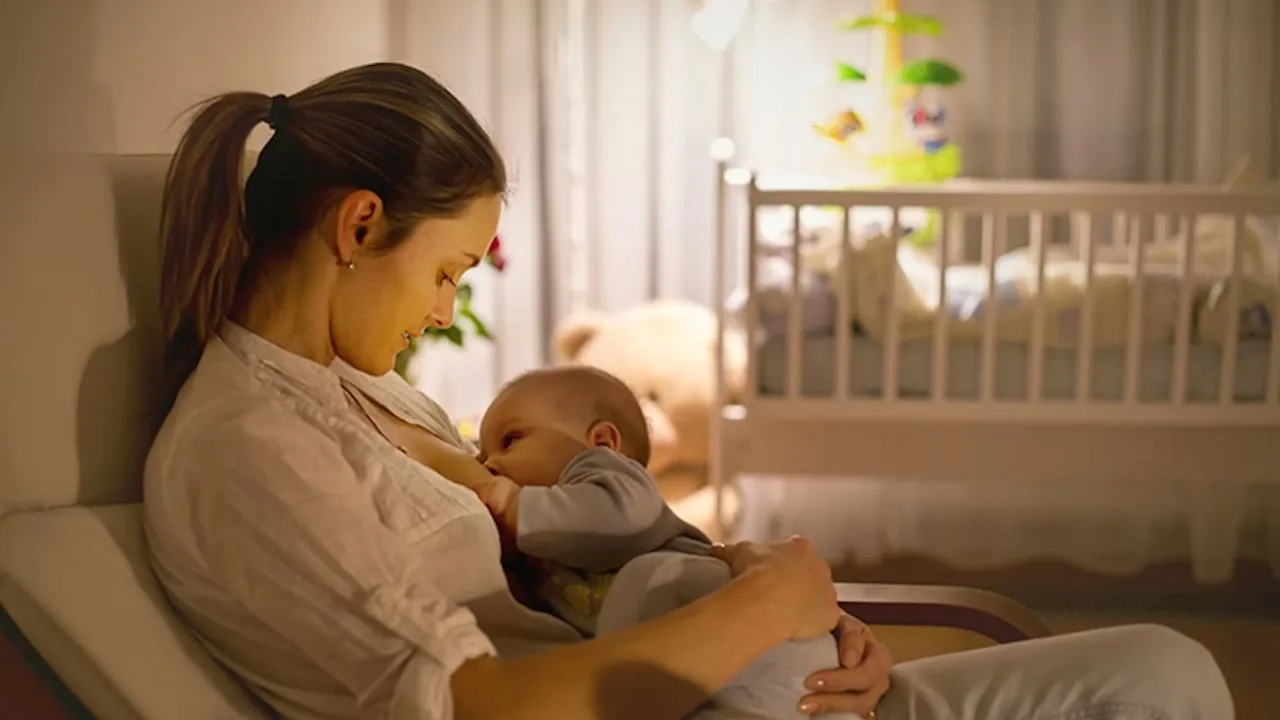


I found out I was pregnant on a Tuesday. By Thursday, I had already Googled "can I sleep on my back pregnant" about forty times. Maybe you're doing the same thing right now. It's 2 a.m., you're uncomfortable, and somewhere in the back of your mind a warning is echoing: don't sleep on your back. So you flip to your side. Then your hip hurts. You flip back. The cycle continues. Here's the thing nobody tells you — in the first trimester, you can sleep in whatever position lets you actually sleep. That warning you keep hearing? It's for later. Much later.
Let's get into it properly.
The Rule Everyone Quotes (And Why It Doesn't Apply Yet)
You've heard it. Sleep on your left side. Never on your back. It's everywhere — on pregnancy apps, in forums, from your aunt who read one article in pregnancy sleep positions first trimester.
Here's what that advice is actually about: the inferior vena cava. That's the big vein running up the right side of your spine. It carries blood from your legs and lower body back to your heart. When a heavy uterus presses on it, blood flow drops. You can feel dizzy, lightheaded, nauseous. In rare cases it affects the baby.
But — and this is the part that gets lost — your uterus has to be big enough to reach that vein first. In the first trimester, it doesn't. Your uterus is still tucked down inside your pelvis, roughly the size of a lemon by week 12. It's nowhere near your vena cava. It physically cannot press on it.
So the warning is real. It just doesn't apply to you yet.
Read Also: How To Sleep Better During Pregnancy First Trimester
When Does Back Sleeping Actually Become a Problem?
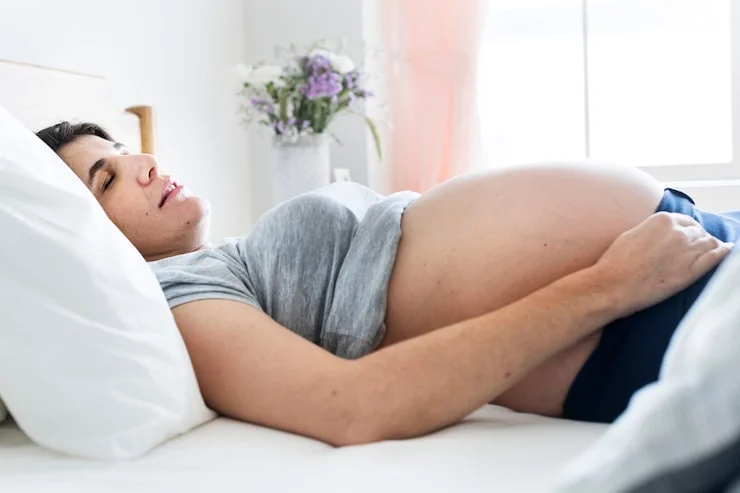
Most providers say somewhere between 20 and 28 weeks. That's when the uterus has grown up out of the pelvis and started putting real weight on the vessels behind it.
Some women notice it earlier than others. You might lie on your back at 22 weeks and feel fine. Your friend might feel dizzy at 19 weeks. Body size, belly shape, how the baby is positioned — all of it changes the timing.
Your body is actually pretty good at warning you. If blood flow drops, you'll feel it. Dizzy. Queasy. Short of breath. That's your cue to roll onto your side. You won't sleep through it.
So for now? First trimester? Back sleeping is fine. Honestly fine. Not "fine but you should feel guilty" fine. Just fine.
Stomach Sleeping: Also Fine, Also Temporary
I was a stomach sleeper before pregnancy. Full face-down, one arm under the pillow, dead to the world.
Around week 9, it started feeling weird. Not painful. Just… off. My breasts were sore, and I had this low bloat that made lying flat on my belly uncomfortable. By week 14, I couldn't do it anymore.
That timeline is normal. Most women naturally stop stomach sleeping between 16 and 18 weeks because it becomes physically impossible, not because it's dangerous.
In the first trimester, your baby is protected by:
-
Your pelvic bones
-
Amniotic fluid
-
Your own abdominal tissue
Lying on your stomach does not squash the baby. It cannot. There's too much cushioning and the uterus is still low in your pelvis.
If you want to keep stomach sleeping as long as possible, try this: lie on your side but lean forward, and tuck a thin pillow under your hip and belly. It mimics the feeling. Or get a pregnancy pillow with a belly cutout. But don't stress about it now.
Side Sleeping: The Habit Worth Building Early
Nobody is forcing you to sleep on your side in the first trimester. But there's a real reason to start practicing.
By mid-pregnancy, side sleeping becomes the position. Not a suggestion — the position. If you wait until week 25 to start, you'll be fighting your own muscle memory while also dealing with a bigger belly, more hip pain, and worse sleep in general. That's miserable.
Start now. You don't have to be perfect. Just try to fall asleep on your side. If you wake up on your back at 3 a.m., roll over and go back to sleep. No panic.
Which side? Left is often recommended because of how your aorta and vena cava are positioned, but the difference is small. Right side is fine too. The key is not being flat on your back.
Pillows Do Most of the Work
You don't need a $90 pregnancy pillow. You need three regular pillows arranged correctly.
Between your knees — this is the big one. When you sleep on your side without support, your top leg drops forward and twists your lower back. A pillow between the knees keeps your hips stacked. Most side-sleeping back pain disappears with this one change.
Under your belly — around week 10, you might feel a pulling sensation on your side. A small pillow or folded towel under your bump takes that pressure off.
Behind your back — if you keep rolling onto your back, wedge a pillow behind you. It won't stop you completely, but it makes rolling back harder.
Under your head, propped slightly higher — if heartburn is keeping you up, raise your upper body. Not just your head — your whole torso. Stack pillows or put a wedge under your mattress.
Try combinations. What works at week 8 might not work at week 12. Your body changes fast right now.
What's Actually Keeping You Awake
Sleep position is one piece. But if you're lying awake at 2 a.m., the position probably isn't the real problem.
You have to pee. Constantly. Your kidneys are filtering more blood than usual, and your growing uterus is starting to nudge your bladder. Drink most of your water before 6 p.m. Stop fluids two hours before bed. Yes, you'll still get up once. But maybe not three times.
You feel sick. Morning sickness is a lie — it hits at night too. Eat a few crackers before bed. Keep the room cool. Ginger tea helps some women. If you're throwing up more than a couple times a day, call your doctor. There are safe medications.
Your brain won't shut up. You're growing a human. Of course you're anxious. Write down your worries before bed — literally, on paper. It sounds dumb. It works. The thoughts stop circling when they're written down.
Heartburn. Progesterone slows your digestion. Food sits longer. Lying flat makes acid creep up. Eat your last real meal three hours before bed. Skip spicy and fried food in the evening.
You're just exhausted but can't sleep. This is the cruelest one. Pregnancy fatigue is real, but it doesn't always translate to falling asleep easily. A short nap — 20 minutes, before 3 p.m. — can help without wrecking your night.
Does Sleep Position Affect Your Baby Right Now?
No. Not in the first trimester.
There was a large study funded by the National Institutes of Health that looked at sleep positions across pregnancy. Researchers tracked thousands of women. They found no link between back sleeping in early and mid-pregnancy and complications like stillbirth, low birth weight, or high blood pressure.
The risks tied to back sleeping show up later, and even then, they're associated with long periods on your back night after night — not rolling over for an hour.
You are not hurting your baby by sleeping on your pregnancy sleep positions first trimester.
What About Naps?
Take them. First trimester tiredness is not like normal tiredness. It's bone-deep. Your body is building a placenta, doubling your blood volume, and running a hormone factory. That costs energy.
But keep naps short. Twenty minutes is ideal. Longer than 45 and you'll wake up groggy and struggle to fall asleep that night. Nap earlier in the day if you can.
If you're working and can't nap, try to at least lie down for 10 minutes on your side with your eyes closed. It's not sleep, but it helps.
You May Also Like: Pregnancy Diet Chart For First Trimester
When to Actually Switch Positions?

Watch for these signals:
-
You feel dizzy or nauseous on your back. Roll to your side immediately. This is your body saying the vena cava is getting pressed.
-
You're past 20 weeks. Start making side sleeping your default, even if you still wake up on your back sometimes.
-
Your belly feels heavy when you lie flat. This usually starts around 18–22 weeks. It's a sign the uterus is rising out of the pelvis.
-
Your provider tells you to. Some women have specific circumstances — twins, placenta previa, other conditions — where side sleeping matters earlier. Follow their advice over anything you read online.
If You Wake Up on Your Back (You Will)
Roll over. Go back to sleep.
That's it. That's the whole instruction. Do not lie there panicking. Do not start Googling again. Do not wake your partner to ask if the baby is okay.
In the first trimester, it doesn't matter at all. Even in the third trimester, occasional back sleeping is not dangerous. Your body wakes you up before anything serious happens.
The stress of worrying about it will hurt your sleep more than the position ever could.
Building the Habit Without Losing Your Mind
You have months before any of this is mandatory. Use them.
Try falling asleep on your side for a week. If it's miserable, go back to what works. Try again in a few weeks. Your body will gradually adjust, and by the time side sleeping is actually required, it won't feel foreign.
Don't buy a bunch of gear you might not need. Start with pillows you already own. Add a pregnancy pillow only if you're still uncomfortable after a few weeks.
And please — stop reading pregnancy sleep articles at 2 a.m. Including this one. Put the phone down. Close your eyes. Sleep however you can.
Other Articles
50 Popular Gujarati Surnames Or Last Names With Meanings