
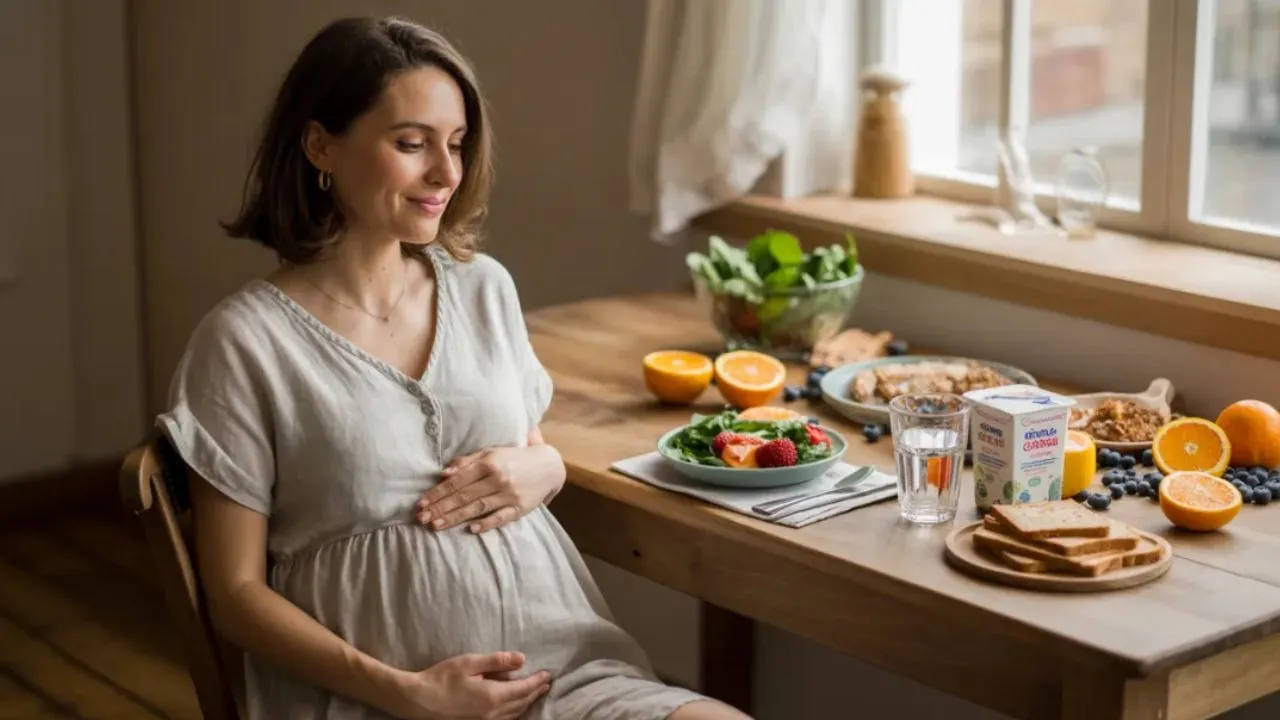
The first three months of pregnancy are a time of big changes. Your body is working hard to support a new life. What you eat during this time plays a major role in your baby's growth and your own pregnancy diet chart for first trimester.
This guide gives you a simple and clear diet chart for the first trimester. It uses Indian foods that are easy to find and cook. You will learn about the key nutrients you need, what foods to eat, what foods to avoid, and get a sample meal plan to follow.
Why Your Diet Matters In The First Trimester?
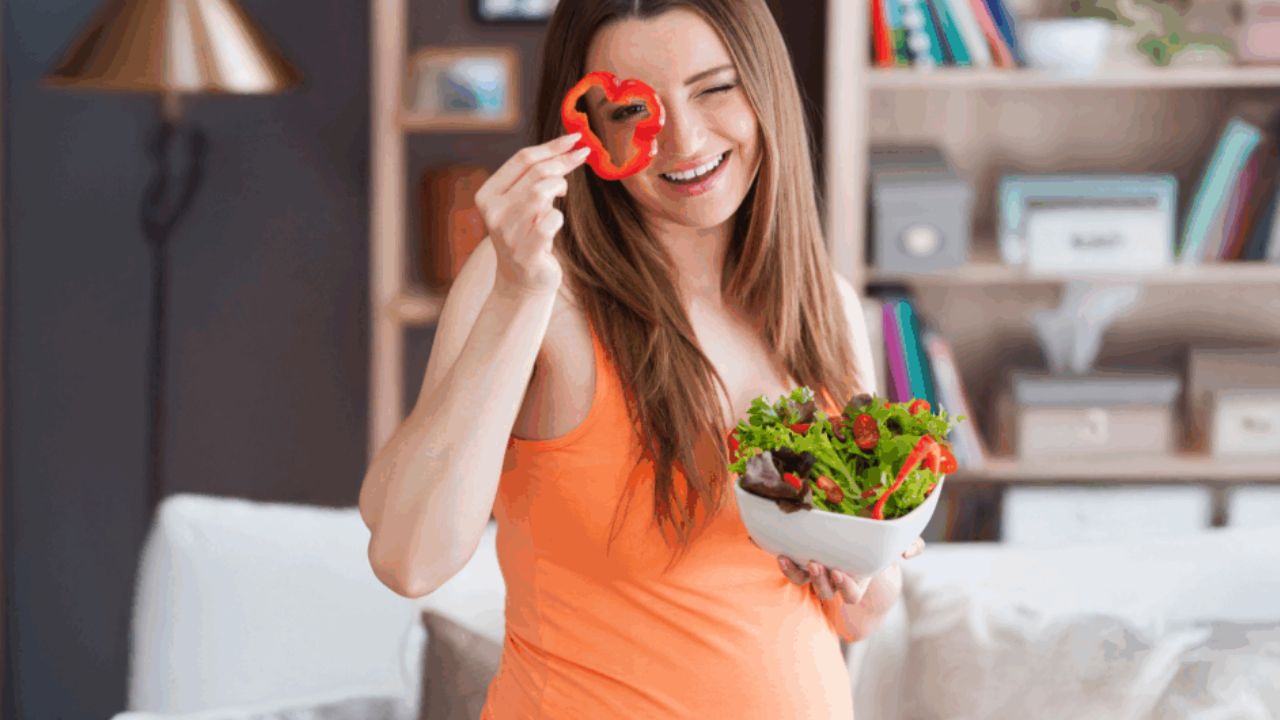
The first trimester is a critical period. During these 12 weeks, your baby's brain, heart, and spinal cord begin to form . Good nutrition provides the building blocks for this development.
Eating well is not about eating for two. It is about eating smart . A balanced diet gives you energy, helps manage common pregnancy symptoms like nausea, and sets the stage for a healthy pregnancy ahead .
Read Also: Calcium Rich Foods For Pregnant Women
Key Nutrients You Need
Your diet should focus on quality. Here are the most important nutrients for the first trimester and where to find them in Indian foods .
Folate (Folic Acid) is crucial for preventing neural tube defects in the baby's brain and spinal cord . You can find it in green leafy vegetables like spinach and methi, in lentils (dal), oranges, and nuts . Aim for about 600 mcg per day .
Iron helps make extra blood for you and your baby. It prevents anemia, which can cause tiredness . Good sources include beans, beetroot, dates, jaggery, and leafy greens . Pair these with Vitamin C-rich foods like lemon or amla to help your body absorb the iron better . You need about 27 mg per day .
Calcium is essential for building your baby's bones and teeth. If you don't eat enough, your body will take calcium from your own bones . This can lead to problems like osteoporosis later. Get your calcium from milk, curd (dahi), paneer, cheese, and ragi . Your daily need is around 1000 mg .
Protein is the building block for your baby's cells, muscles, and organs . Include a protein source in every meal. Good options are dal, chickpeas (chana), kidney beans (rajma), paneer, eggs, and chicken . You should aim for 71 to 75 grams per day .
Vitamin D helps your body absorb calcium. You can get it from sunlight and fortified foods like milk .
Omega-3 (DHA) is important for your baby's brain and eye development . Vegetarians can get it from walnuts, flaxseeds (alsi), and chia seeds .
Simple Indian Diet Chart For 1-3 Months
Here is a sample daily meal plan using common Indian foods. This is a guide, not a strict rule. Adjust it based on your appetite and how you feel .
Early Morning
Start your day with a glass of warm water and a few soaked almonds. This is a gentle way to wake up your digestion.
Breakfast
Choose a filling and nutritious option.
-
Vegetable poha with a side of curd.
-
Besan cheela (savory chickpea pancake) with mint chutney .
-
Moong dal cheela with vegetables.
-
Stuffed paratha (with paneer or dal) and a bowl of curd .
-
Oatmeal with banana and a sprinkle of chia seeds .
Mid-Morning Snack
Keep it light and healthy to fight off hunger and nausea.
-
A handful of nuts like almonds and walnuts.
-
A seasonal fruit like an apple, pear, or banana.
-
A glass of buttermilk (chaas) .
Lunch
This should be your main meal, a balanced thali.
-
2 whole wheat rotis or a bowl of brown rice.
-
A bowl of dal (like toor or moong) or a legume curry like chole or rajma.
-
A bowl of seasonal vegetable sabzi.
-
A bowl of curd or raita.
-
A fresh salad of cucumber, tomato, and carrot .
Evening Snack
This is when cravings hit. Have something healthy ready.
-
A bowl of cooked sprouts or sprouted chaat.
-
Roasted makhana (fox nuts) or roasted chana.
-
A cup of masala chai (limit to 1-2 cups a day) with a healthy pregnancy diet chart for first trimester .
Dinner
Keep dinner lighter than lunch to help you sleep better and avoid heartburn.
-
Vegetable khichdi with kadhi.
-
Dalia (cracked wheat) with vegetables.
-
Missi roti with a light sabzi and a glass of milk .
Bedtime Snack
A small snack before bed can stabilize your blood sugar overnight and help with morning sickness.
-
A glass of warm turmeric milk (haldi doodh).
-
A small banana .
You May Also Like: Best Sleeping Positions During Pregnancy
Foods To Avoid In The First Trimester
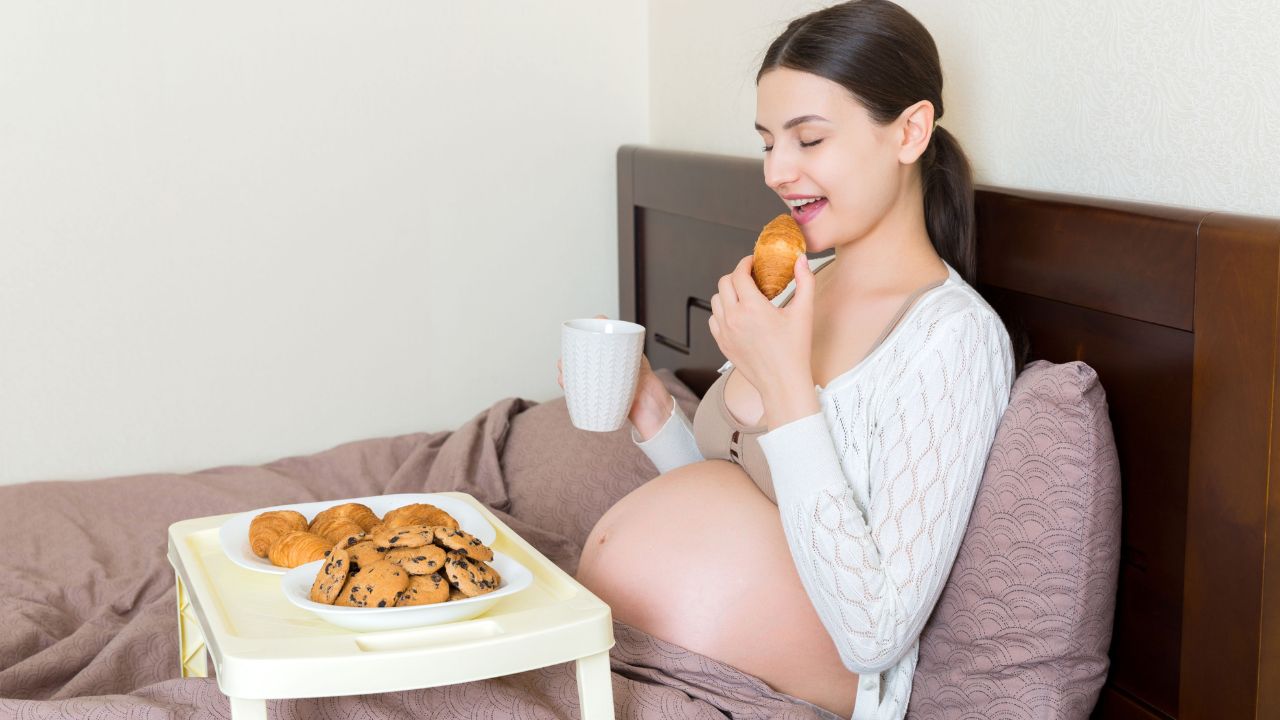
Some foods are not safe during pregnancy. They can carry bacteria or have substances that are harmful to your baby .
- Raw or undercooked meat and eggs can have harmful bacteria .
- Unpasteurised dairy products like soft cheeses can also carry bacteria .
- High-mercury fish like shark and swordfish should be avoided . Choose fish like rohu or salmon instead.
- Raw papaya and pineapple are not recommended, as they may cause complications .
- Raw sprouts can carry bacteria and are best avoided.
- Alcohol is strictly forbidden during pregnancy .
- Excess caffeine is not good. Limit your intake of coffee and tea to below 200 mg per day . This is about 1-2 small cups.
Tips For Dealing With Morning Sickness
Many women feel nauseous in the first trimester. Here are some simple ways to manage it :
- Eat small, frequent meals. An empty stomach can make nausea worse.
- Keep dry crackers or toast by your bed. Eat a few before getting up in the morning .
- Sip on ginger tea or lemon water. This can help settle your stomach.
- Stay hydrated by drinking water, coconut water, or buttermilk throughout the day .
Conclusion
The first trimester is a journey of growth. By focusing on a balanced diet rich in essential nutrients, you are giving your baby the best possible start. Use the Indian diet chart and tips in this guide as your starting point. Always listen to your body and consult your doctor for personalized advice.
Frequently Asked Questions
How many calories should I eat in the first trimester?
Most women need about 1800 to 2000 calories per day during the first trimester . This is similar to your pre-pregnancy needs. Focus on the quality of the calories, not just the quantity.
Is it safe to follow a vegetarian diet during pregnancy?
Yes, a vegetarian diet is safe and healthy during pregnancy . Just make sure you are getting enough protein, iron, vitamin B12, and DHA. You may need to take supplements for B12 and DHA. Talk to your doctor about this .
What are good Indian superfoods for the first trimester?
Good options include daliya (cracked wheat) for fiber, ragi for calcium, and ghee for healthy fats . Also, include plenty of leafy greens, lentils, and nuts in your daily meals.
Can I eat chapati during pregnancy?
Yes, chapati is an excellent choice. Whole wheat chapati gives you complex carbohydrates, fiber, iron, and B vitamins . It is much better than refined flour (maida) products.
Should I take supplements along with a healthy diet?
Most doctors recommend folic acid supplements from before conception through the first trimester . You may also need iron, calcium, and vitamin D supplements based on your blood test results. Always take them under your doctor's guidance .
How important is hydration?
Hydration is very important. Water helps form amniotic fluid, carries nutrients to the baby, and prevents urinary tract infections . Aim for at least 8 to 10 glasses of water a day. You can also count coconut water, buttermilk, and soups towards your fluid intake.
Other Articles

Parenting Tips For Teenagers Checklist
50 Popular Gujarati Surnames Or Last Names With Meanings