
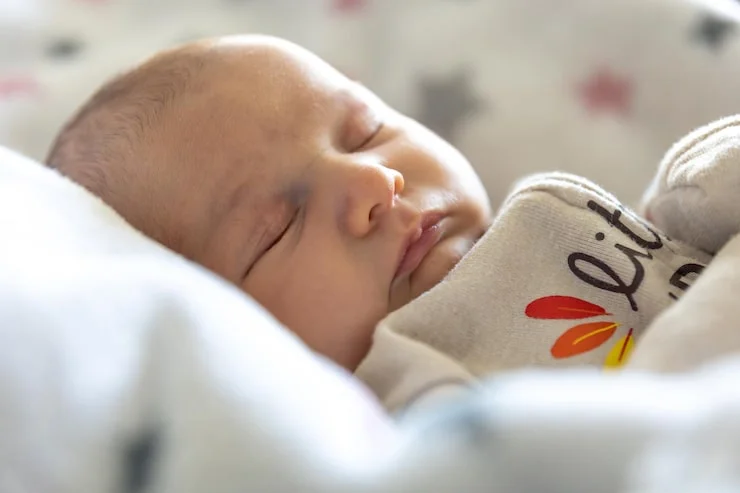
The short answer is twelve months. That is the age most pediatric organizations point to when a baby can safely have a blanket in their crib. But the full answer takes a little more time to explain, because the reason behind that number matters just as much as the number itself.
If you are a parent staring at a cold nursery at two in the morning, wondering whether it is really that dangerous to tuck a small blanket around your sleeping infant, you are not alone. It is one of the most common questions new parents ask. The guidance is strict for a reason, and understanding that reason will help you make safer choices.
Why Blankets Are Not Safe for Babies Under One?
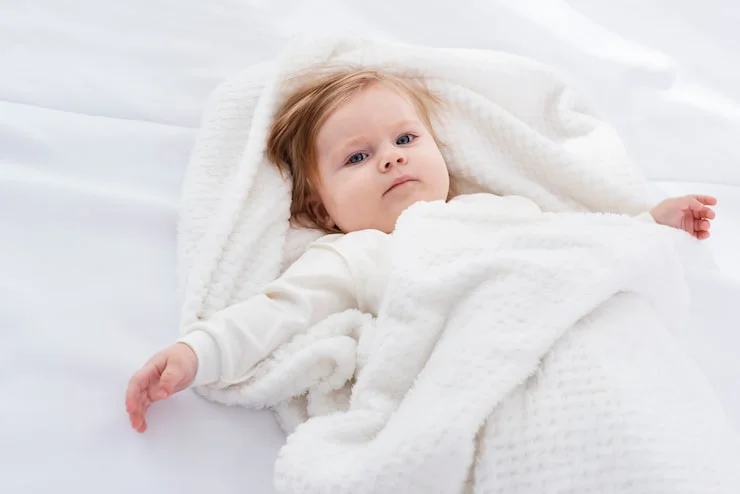
A baby's body is built for growing, not for defending itself. That difference shows up most clearly during sleep.
When an adult sleeps with a blanket, the brain and body work together without conscious effort. If a blanket covers your face, you shift. If you get too warm, you push it off. Your nervous system handles these small adjustments all night long. A baby cannot do any of that.
Sanjie Garza-Cox, a board-certified neonatologist, explained the gap plainly: babies do not have the strength to change head or body position to protect their airways. They cannot untangle themselves from a blanket. They cannot keep themselves from rebreathing air if a blanket gets near their baby sleep with a blanket.
That last point deserves attention. Rebreathing means breathing back in the air you just exhaled. When a blanket traps carbon dioxide around a baby's nose and mouth, the baby breathes in air that has already been used. Oxygen levels drop. The body does not always wake up in time to fix it. This is one of the ways blankets contribute to suffocation deaths.
The risks do not stop at suffocation. A loose blanket can wrap around a baby's neck and create a strangulation hazard. It can also cause overheating, which is a known risk factor for Sudden Infant Death Syndrome, often called SIDS . A baby's temperature control system is not fully developed. A blanket that feels light to you can push a small body into dangerous heat.
The American Academy of Pediatrics has been clear on this for years. The safest sleep space for an infant is a firm mattress with a fitted sheet and nothing else . No blankets. No pillows. No stuffed animals. No crib bumpers. The simpler the sleep space, the safer it is.
Read Also: How To Change A Newborn Diaper Properly
Why Twelve Months Is the Line?
Twelve months is not a random number. It marks a point when most babies have developed the physical abilities that make a blanket less dangerous.
By their first birthday, many babies can sit up, pull themselves up, and move around with more control. They can roll over both ways. They can push things away from their face. These are not small skills. They are the difference between a baby who can protect their airway and one who cannot .
But twelve months is a general guideline, not a switch that flips on a birthday. Some babies develop these skills earlier. Some take longer. What matters is what your baby can actually do, not just how many months old they are.
A baby who can sit up without support, roll in both directions, and push a blanket away from their face has the physical tools to handle a blanket more safely. A baby who is still working on those skills, even at fourteen or fifteen months, is not ready.
Your pediatrician can help you figure out where your child stands. If you are unsure, ask at your next well-child visit. It is a normal question and one they hear often.
The Difference Between Swaddling and Blanket Sleep
Some parents hear "blanket" and think of swaddling, the practice of wrapping a baby snugly in a thin blanket. It is worth separating these two things because they have different rules.
Swaddling can be a useful tool for newborns. A snug wrap can calm a baby and help them sleep, especially in the early weeks when the startle reflex keeps waking them. But swaddling comes with its own safety requirements.
A swaddled baby must always be placed on their back. Never on their stomach. Studies have found an increased risk of SIDS and suffocation when swaddled babies are placed on their stomach or roll onto it . And swaddling must stop as soon as a baby shows any sign of trying to roll over. Some babies start working on rolling as early as two months. When that happens, the swaddle becomes a hazard because the baby's arms are trapped, making it harder to push themselves into a safe position.
Even wearable blankets or sleep sacks that wrap the arms and chest should stop when rolling begins. Sleep sacks that leave the arms free can continue as long as you like .
The key difference is movement. A swaddle restricts it. A loose blanket can tangle. Neither is safe for a baby who cannot yet control their body.
What to Use Instead of a Blanket?
The need to keep a baby warm is real. The solution is not a blanket. It is clothing designed to stay on a baby's body without coming loose.
Wearable blankets, also called sleep sacks, are the standard alternative. They fit over a baby's sleepwear like a sack with armholes. They stay in place all night. There is no loose fabric to tangle around the face or neck. The American Academy of Pediatrics specifically recommends them over blankets and other coverings .
Sleep sacks come with different warmth ratings, often listed as TOG values. A higher TOG means more insulation. For most room temperatures, a moderate TOG works well. If you are unsure what rating fits your nursery, a simple rule applies: dress your baby in one more layer than you would wear to sleep in the same room.
Room temperature matters too. Keeping the nursery between 68 and 72 degrees Fahrenheit reduces the need for heavy sleepwear . A cool room with a properly dressed baby is safer than a warm room with a blanket.
For newborns who are not yet rolling, a one-piece sleeper or a sleep sack provides warmth without any loose bedding. As your baby grows, you can adjust the layers or the TOG rating to match the season.
When You Can Introduce a Blanket?
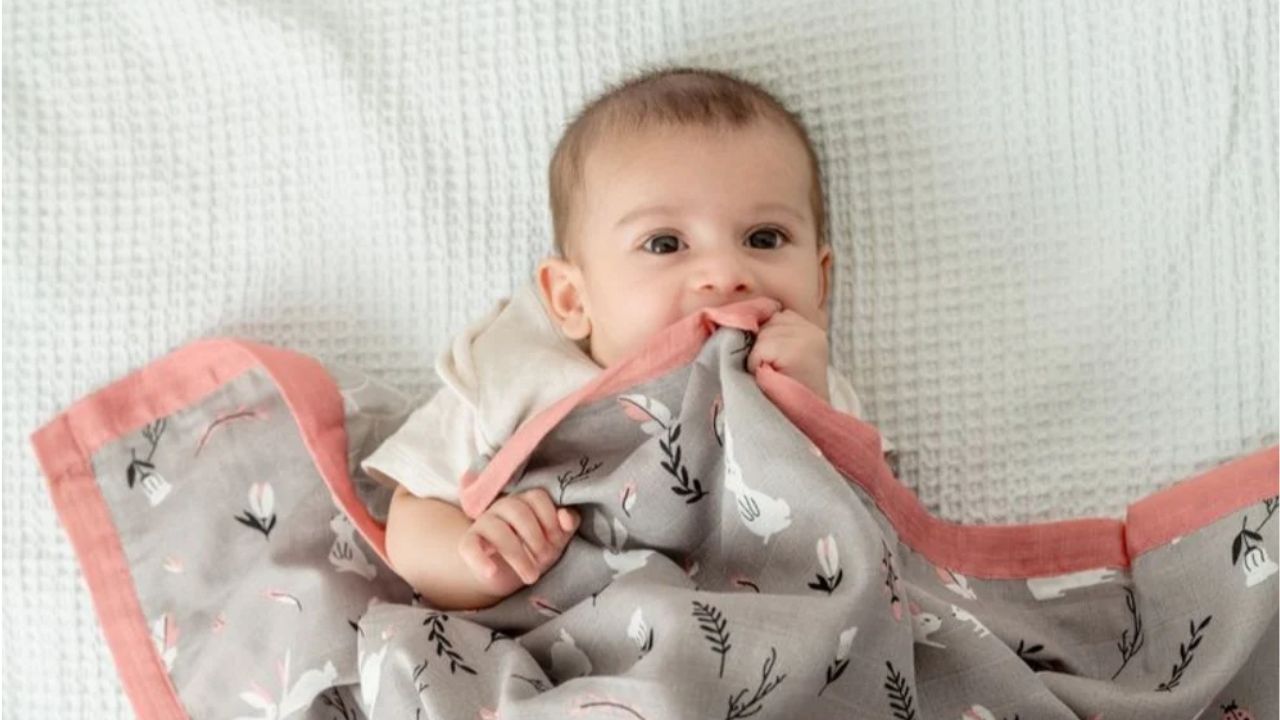
Once your baby has passed the twelve-month mark and shows the physical signs of readiness, you can start thinking about a blanket. But introduction should be gradual.
Start with a small, lightweight blanket. Muslin works well because it is breathable and thin. A heavy quilt or a thick comforter is not a good first choice. The goal is to let your toddler get used to having a blanket without creating a new risk.
Begin with supervised naps. Let your child use the blanket while you are nearby and can check on them. See how they move with it. Watch whether it stays near their body or ends up wrapped around their head. If they push it away or kick it off, that is normal. If they seem to get tangled, wait a little longer before using it overnight.
Some parents tuck the blanket into the foot of the crib or mattress so it stays lower on the body. This can keep it away from the face while still giving the child something to pull up if they want it. The blanket does not need to cover the shoulders to provide comfort.
At this stage, the blanket is more about comfort than warmth. A toddler who can move freely and adjust their position does not need a blanket to stay warm. A sleep sack can still do that job. The blanket becomes a familiar object, something soft to hold, not a critical layer of insulation.
When a Blanket Becomes a Security Object?
Around eight to twelve months, many babies start forming attachments to specific objects. A soft blanket, a small stuffed animal, a piece of fabric—these become what researchers call transitional objects .
A transitional object helps a child move from dependence to independence. It carries the smell of home. It provides comfort when a parent is not in the room. When a child is tired, it helps them sleep. When they are upset, it soothes them .
This is a normal and healthy part of development. It is not a sign of weakness. In fact, a security object can be a helpful tool for sleep. One small study found that children who used comforters they could easily find and hold were more likely to sleep through the night at six months old .
The catch is that the same object that provides comfort can also be a hazard if introduced too early. A baby who cannot move a blanket away from their face is not comforted by it. They are endangered by it.
The safest approach is to wait until your child is past the twelve-month mark and shows readiness, then choose a small, breathable blanket as their comfort object. Keep a duplicate so you can wash one while the other stays with your child . Rotate them early so both feel familiar.
You May Also Like: How To Tell If Baby Is Too Hot While Sleeping
FAQs
Is a crocheted or knitted blanket safer?
No. A blanket with holes still has loose fabric that can cover a face or tangle around a neck. The holes do not make it safe.
What about a blanket that is tucked in very tightly?
A tightly tucked blanket can come loose. Babies move. They kick. They wiggle. A blanket that starts tucked can end up wrapped around a head or pulled over a face. The only safe blanket is one that is not in the crib.
Can I put a blanket on my baby for a nap if I am watching?
The AAP recommends following safe sleep guidelines for every sleep, including naps . Supervision does not change the physics of a blanket covering a face. A baby can suffocate in minutes. Watching is not the same as preventing.
When can my child have a pillow?
Pillows are also loose bedding and carry similar risks. Most experts recommend waiting until at least eighteen to twenty-four months, and some suggest even longer. The same readiness signs that apply to blankets apply to pillows.
What if my baby seems cold without a blanket?
Check the back of their neck, not their hands or feet. Hands and feet are often cool even when a baby is comfortable. If the neck feels cool, add a layer of clothing or a warmer sleep sack. If the neck feels hot or sweaty, baby sleep with a blanket.
Conclusion
Twelve months is the age when most babies can safely start using a blanket. But age alone is not enough. Your baby needs to be able to roll both ways, sit up, and push things away from their face. Until those skills are in place, a blanket is not a comfort. It is a risk.
A sleep sack, proper layers, and a cool room temperature can keep a baby warm without any loose bedding. When the time comes for a blanket, start small, keep it light, and watch how your child handles it. The transition is not a race. There is no prize for introducing a blanket early. The goal is a child who sleeps safely and comfortably, and that goal is met when their body is ready, not when the calendar says so.
Other Articles
50 Popular Gujarati Surnames Or Last Names With Meanings