
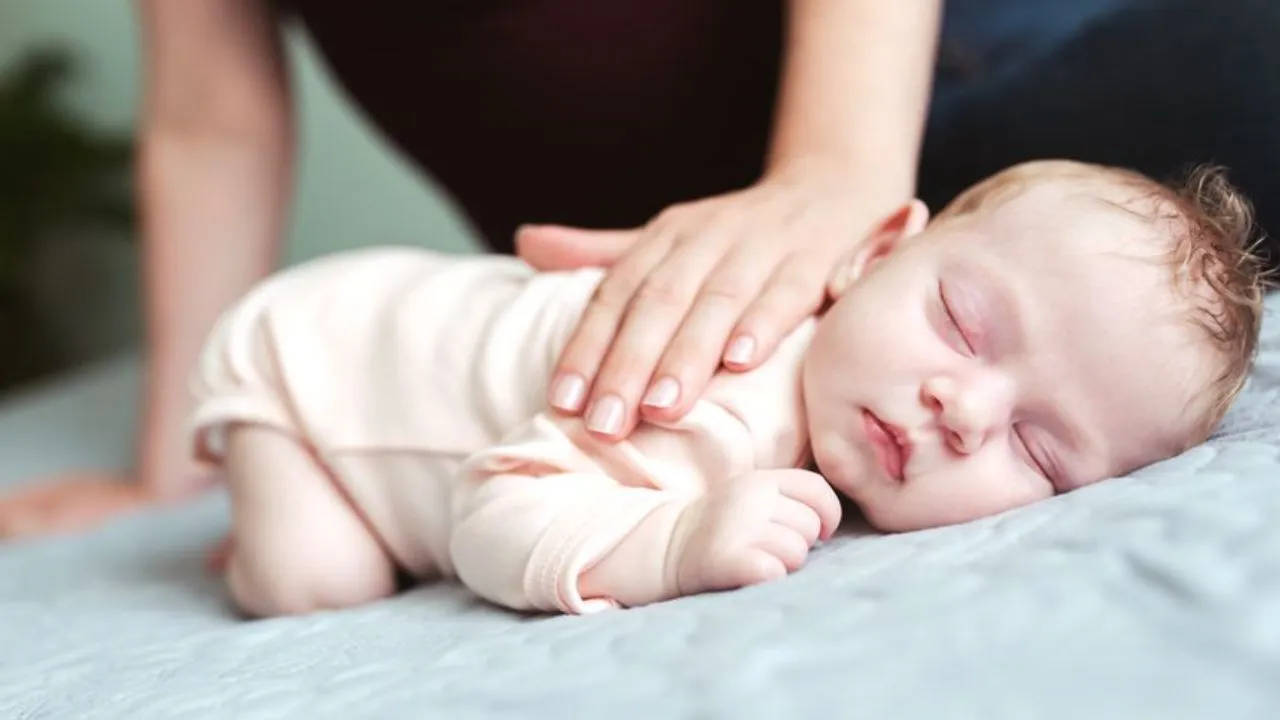
Putting your baby to sleep is one of the most important things you do each day. You want your baby to be comfortable and safe. But many parents worry about one question. Is my baby too hot while sleeping? This is a good worry to have. It shows you care. And it is important because overheating is a known risk factor for sudden infant death syndrome (SIDS) . The American Academy of Pediatrics lists overheating as a danger for babies during sleep .
You might think a warm room and extra blankets keep your baby cozy. But babies are not like adults. They cannot control their body temperature well . They cannot push off blankets or tell you they are hot. This makes them depend on you to keep their sleep space just right.
A baby who is too hot does not sleep well. They may wake up crying or feel tired and weak . More seriously, being too hot raises the risk of SIDS . This is why knowing the signs of overheating is a skill every parent needs and How To Tell If Baby Is Too Hot While Sleeping.
This guide will teach you everything about keeping your baby safe from overheating while sleeping. We will cover the signs to look for. We will explain the ideal room temperature. We will give you the best ways to dress your baby for sleep. We will also tell you what to do if your baby gets too hot. By the end, you will feel confident in creating a safe and comfortable sleep space for your little one.
What Are The Signs Of An Overheated Baby While Sleeping?
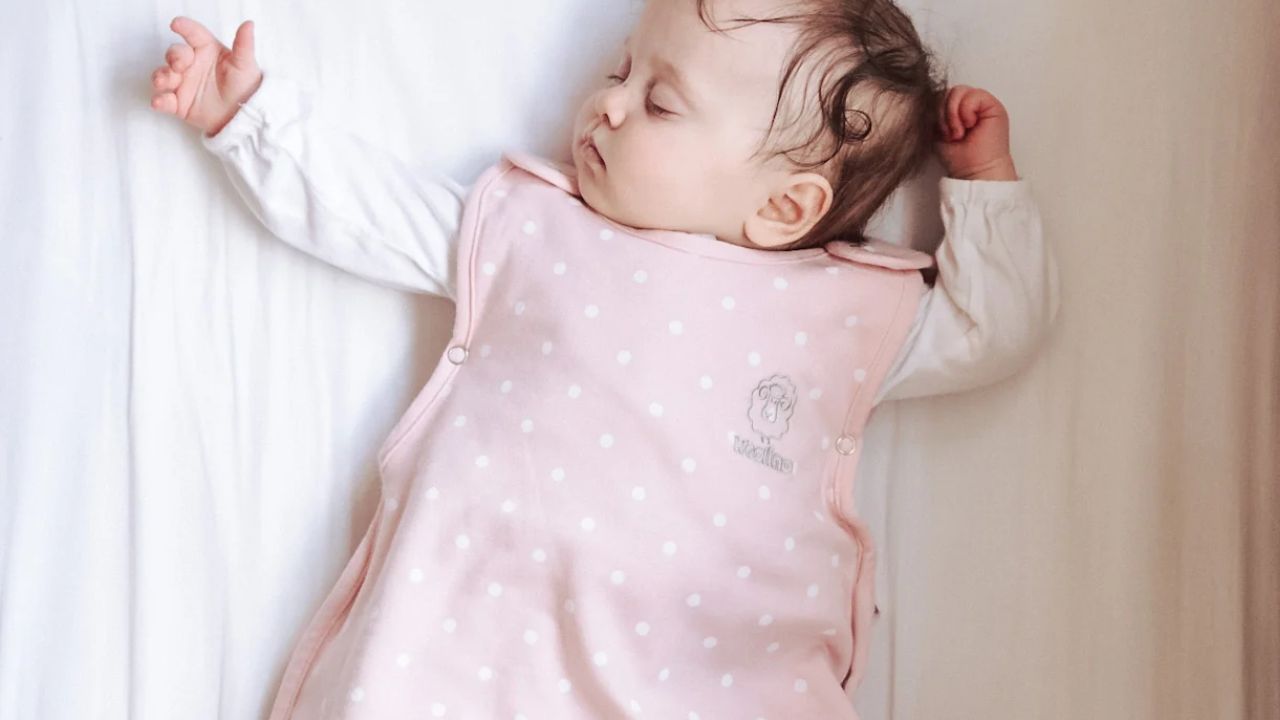
How do you know if your baby is too hot? Sometimes the signs are easy to see. Other times, they are subtle. You need to use your senses and pay close attention. Your baby cannot tell you they are hot. So you must look for these signs . Recognizing them early can prevent discomfort and more serious problems.
Look For Physical Signs Like Flushed Skin And Sweating
One of the most obvious signs is how your baby looks. If your baby is too hot, their skin may look different. The skin might appear red or flushed. This is especially noticeable on the cheeks and face . The skin will also feel hot to the touch.
You should check their skin. Do not just look at the hands or feet. These are not reliable indicators of a baby’s true temperature . A baby's hands and feet are often cooler because their circulation is still developing . Instead, feel the back of the neck or the chest and tummy . If these areas are warm and sweaty, your baby is likely too hot .
Sweating is another clear signal. You might notice damp hair, especially on the back of the head or around the neck . But remember an important point. Some babies do not sweat much even when they are overheated . So the absence of sweat does not mean your baby is comfortable. Always look for a combination of signs. Heat rash is another sign of being too hot. You might see tiny red bumps appear on your baby's skin. These bumps often show up where clothing traps heat, like on the neck or in skin folds .
Watch For Changes In Breathing And Heart Rate
A baby's breathing can tell you a lot. When a baby is too hot, their body tries to cool down. This can make them breathe faster. You might notice rapid breathing or panting . An elevated heart rate can also occur .
This is a serious sign. If you notice your baby breathing faster than normal, they might be overheating. This is the body working hard to release heat. Rapid breathing can be more common in warm environments. Pay attention to this sign, especially if it is combined with other symptoms like flushed skin.
Notice Behavioral Changes: Fussiness And Lethargy
A baby who is too hot might act differently. Some babies become fussy and irritable . They might cry more than usual. They may seem uncomfortable and hard to soothe .
But there is a more concerning behavioral sign. Overheating can make a baby feel very tired and weak. Instead of crying, they might become unusually lethargic . They may seem overly sleepy and less responsive. This is dangerous because they might not cry for help. A lethargic baby might not show the typical signs of distress .
A baby who is too cold will often cry. A baby who is too hot might just get quiet and listless. This is why you should check on your baby regularly. You cannot rely on crying alone to tell you something is wrong. If your baby seems more tired than usual or is not responding as they normally do, check for other signs of overheating .
Read Also: How To Handle Bedtime Anxiety In Kids
Other Signs Of Overheating
There are other signs to watch for. Your baby might seem restless and keep waking up during the night . They might also have a decreased appetite. An overheated baby might show less interest in feeding . These are all signs of discomfort.
In severe cases, overheating can lead to dehydration. Watch for signs like fewer wet diapers or crying without tears . If you see these signs, your baby needs medical help. It is a sign that the overheating is affecting their health .
Why Is Overheating Dangerous For A Sleeping Baby?
Understanding the dangers of overheating is key. It is not just about comfort. It is about your baby's safety. Overheating is a serious health risk for infants, especially during sleep. It can cause immediate discomfort and long-term problems. It is directly linked to an increased risk of sudden infant death syndrome (SIDS) .
The Link Between Overheating And SIDS
The connection between overheating and SIDS is well-established . The American Academy of Pediatrics (AAP) considers overheating a known risk factor for SIDS . SIDS is the sudden and unexplained death of an infant under one year of age. While rare, it is a devastating event that parents should take steps to prevent.
Research shows that babies who overheat are at a higher risk . A baby who is too hot may not wake up when they are in danger . Overheating can affect a baby's breathing and heart rate . This can disrupt their sleep and make it harder for them to arouse, or wake up, from sleep. This is a key factor in SIDS.
Many studies have confirmed this risk . The exact reason is still being studied. But researchers believe that being too warm can stress a baby's system. It can cause breathing problems and lead to a dangerous build-up of carbon dioxide. This is why organizations around the world recommend keeping babies cool for safe sleep . The best way to protect your baby is to prevent overheating in the first place.
Other Health Concerns: Heat Rash And Dehydration
Beyond SIDS, overheating can cause other health issues. One common problem is heat rash. This is a skin irritation that happens when sweat gets trapped in the pores . Heat rash appears as small red bumps on the skin. It can be itchy and uncomfortable. It is a clear sign that your baby has been too warm for too long.
Dehydration is another serious risk. When a baby is too hot, their body loses fluids through sweating. If they do not drink enough milk or formula, they can become dehydrated . Signs of dehydration include fewer wet diapers and crying without tears . An overheated baby may also have a fever . A fever is different from overheating, but they can happen together. If your baby is dehydrated or has a fever, they may need medical attention.
You should be especially careful with young babies. Babies under three months old are more vulnerable. They cannot regulate their body temperature as well as older babies . A fever in a baby this young is a medical emergency. If you think your baby is overheated and has a fever, contact your doctor right away.
What Is The Best Room Temperature For A Sleeping Baby?
Now you know the dangers. Let's talk about prevention. The first step is creating the right sleep environment. The temperature of your baby's room is the most important factor. Keeping the nursery at the correct temperature is a simple but powerful way to prevent overheating. Experts have clear recommendations for this.
The Ideal Temperature Range
The American Academy of Pediatrics (AAP) recommends that the room temperature for a sleeping baby be kept between 68 and 72 degrees Fahrenheit (20 to 22 degrees Celsius) . Some health organizations suggest an even lower range. The Irish Health Service Executive suggests 16 to 20 degrees Celsius (about 62 to 68 degrees Fahrenheit) . The Mississippi State Department of Health also supports keeping the room at a comfortable temperature for a lightly clothed adult .
The general rule is simple. If the room is comfortable for a lightly clothed adult, it is likely comfortable for the baby . This range is cool enough to prevent overheating. It is also warm enough to keep your baby comfortable. You should never let the room get warmer than 75 degrees Fahrenheit (23.8 degrees Celsius) . Temperatures above this are a major risk factor for overheating. It is also important to keep the room from getting too cold. But the greater risk is overheating, so it is safer to keep the room on the cooler side .
How To Monitor The Room Temperature
Do not rely on your home's thermostat alone. The temperature in your baby's room can differ from the rest of the house. Use a room thermometer to get an accurate reading . Place the thermometer near the crib. Make sure it is not in direct sunlight or near a heat source. This will give you the truest idea of the environment where your baby sleeps.
You can also use a baby monitor that measures room temperature. Some monitors have this feature built-in . This can be a convenient way to check on your baby's room. However, a simple, standalone thermometer is also a great tool. It is affordable and reliable. Place it in your baby's room and check it before bedtime and during the night.
Tips For Maintaining The Ideal Temperature
Maintaining the right temperature can be a challenge. Seasons change. Homes have different heating and cooling systems. Here are some practical tips to help you keep your baby's room in the safe zone.
-
In Hot Weather:
-
Use air conditioning if you have it. It is the most effective way to keep a room cool .
-
If you do not have AC, use a fan. Do not point the fan directly at the baby. Instead, set it to oscillate so it circulates air around the room . Air circulation can reduce the risk of SIDS .
-
Close the curtains or blinds during the day. This blocks out direct sunlight and keeps the room cooler .
-
On very hot days, consider moving your baby's sleep space to a cooler room. This could be a basement or a room on the north side of the house .
-
-
In Cold Weather:
-
Use your heating system to keep the room within the ideal range. Do not overheat the room just because it is winter .
-
Do not place your baby's crib near a radiator, heater, or fire. This can make the baby too hot .
-
Dress your baby appropriately for the room temperature (we will cover this in the next section). Resist the urge to overbundle your baby in cold weather . Overheating in winter is actually a common risk factor for SIDS . Parents often overdress their babies out of a fear that they are cold.
-
How Should You Dress Your Baby For Sleep?
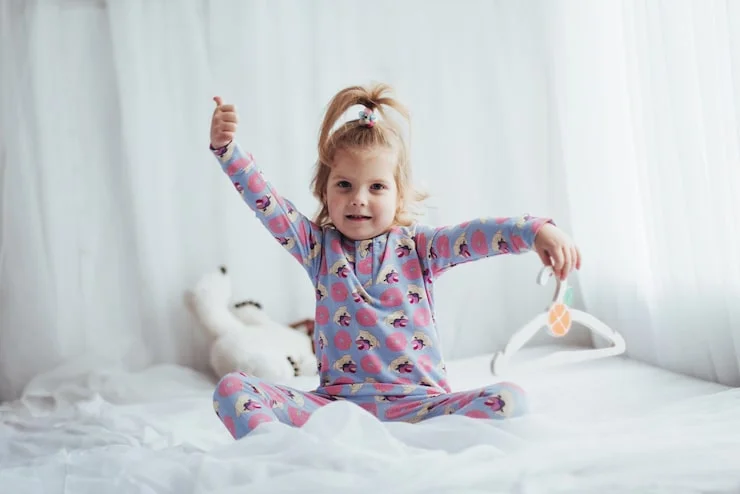
What your baby wears to bed is just as important as the room temperature. The right clothing can help keep your baby at a safe and comfortable temperature. The wrong clothing can quickly lead to overheating. This section will guide you on how to choose the best sleepwear.
The General Rule For Dressing Babies
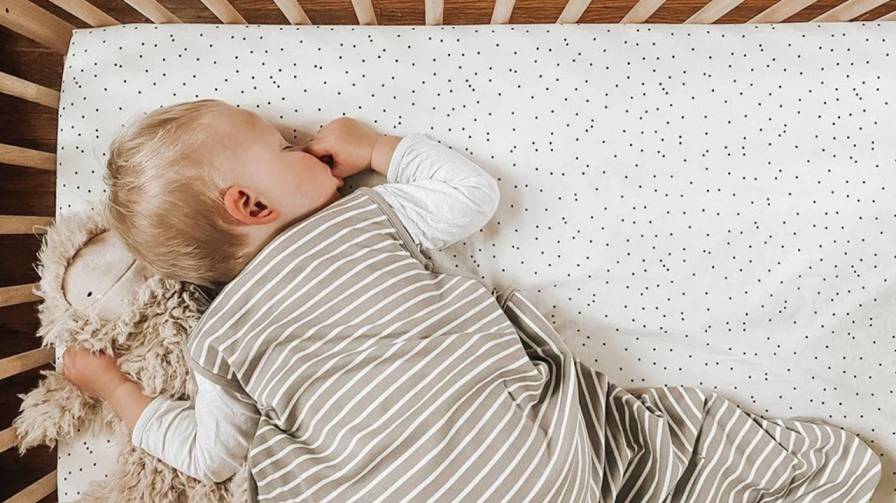
The general rule is to dress your baby in the same number of layers you would wear to be comfortable. If you are comfortable in a t-shirt and shorts, your baby will be comfortable in a similar amount of clothing. The AAP says that babies usually need about the same layers as adults . Of course, you cannot use a blanket. So a sleep sack or onesie serves as that layer .
A common piece of advice is that babies should wear one more layer than an adult . This can be a good starting point. But it depends on the baby and the environment. For example, if you are wearing pajama pants and a t-shirt, your baby could wear a short-sleeved bodysuit and a lightweight sleep sack . If you are cold, your baby might need an extra layer. The best way to know is to check your baby's neck or tummy. These areas should feel warm but not hot.
Understanding TOG Ratings For Sleep Sacks
TOG is a unit of measurement for thermal insulation. It tells you how warm a fabric is. TOG ratings are often used for sleep sacks and baby sleeping bags. Understanding TOG can help you dress your baby correctly for the room temperature . The higher the TOG, the warmer the product. For example, a 0.5 TOG sleep sack is very light and suitable for warm rooms. A 2.5 TOG sleep sack is heavier and meant for cooler rooms. Many sleep sacks come with a temperature guide. This guide tells you what to dress your baby in under the sleep sack based on the room temperature.
-
0.5 TOG: For warm rooms (75°F+). Your baby may only need a diaper and a short-sleeved bodysuit underneath .
-
1.0 TOG: For moderate rooms (68-72°F). A long-sleeved bodysuit or lightweight pajamas are usually good underneath .
-
2.5 TOG: For cooler rooms (61-68°F). A footed sleeper or long-sleeved pajamas are often needed .
Always follow the manufacturer's guidelines for the sleep sack you are using. Every brand may have slightly different advice. The most important thing is to use your judgment. Check your baby's temperature regularly and adjust the clothing or the sleep sack as needed.
Clothing Items To Avoid
Certain clothing items are never safe or appropriate for a sleeping baby. Hats are a major one. Your baby should not wear a hat while sleeping indoors . Babies release heat through their heads. Wearing a hat can trap this heat and cause overheating . Hats are only recommended for the immediate period after birth to keep a baby's temperature stable . After that, they should be taken off for sleep.
You should also avoid using loose blankets, quilts, and duvets in the crib . These are not only a suffocation risk. They can also cause a baby to overheat . Even if the room is cool, a thick duvet can make a baby too hot. Use a sleep sack or wearable blanket instead. These are safer and help regulate temperature. Make sure the sleep sack has no hood . Also, avoid bundling your baby in too many layers. This is a common mistake, especially in the winter. If you are using a footed sleeper and a sleep sack, that might be enough. Adding a vest, onesie, or extra blankets might be too much.
Dressing For The Seasons
Your approach should change with the seasons. In the summer, your baby might only need a diaper and a lightweight, short-sleeved bodysuit. If you are using a sleep sack, choose a very low TOG, like 0.5 . The goal is to keep your baby as cool and comfortable as possible. Air conditioning or a fan can help achieve this.
In the winter, you might add a long-sleeved bodysuit or a footed sleeper. Then you can use a slightly higher TOG sleep sack, like a 2.5 . But remember, a baby's room should still be kept between 68 and 72 degrees. You do not need to overheat the room just because it is cold outside. Your baby will be comfortable in the right clothing. If you are comfortable, they likely are too. Always feel your baby's neck or chest to make sure they are not getting too warm.
You May Also Like: Baby Development Milestones By Month
How Can You Check If Your Baby Is Overheating?
You know the signs. You know how to prevent it. But you should still check on your baby regularly. It is a good habit to build into your daily routine. You should also check them during the night if you wake up. A quick check can give you peace of mind. It can also help you spot a problem early.
The Best Way To Feel Your Baby's Temperature
The most reliable way to check is by touch. Feel your baby's skin. Do not rely on their hands or feet. These are often cold to the touch. This is normal for babies. It does not mean your baby is cold . Instead, feel the back of their neck or their chest and tummy . This is where you will get the most accurate reading of their core body temperature.
When you touch these areas, you are looking for a specific feeling. The skin should feel warm, like a comfortably warm bath, but it should not feel hot or sweaty . If the skin feels hot and damp or sweaty, your baby is too hot. This is a clear signal to take action. You should remove a layer of clothing or cool the room down.
How Often Should You Check Your Baby?
You should check on your baby frequently. Before you put them to bed is a good time. This is when you can make sure the room is at the right temperature. You can also check that they are dressed appropriately. Do a check when you go to bed yourself. If your baby is sleeping in your room, this is easier. But even if they are in another room, you can go in and check.
During the night, you can check if you wake up. Many parents wake up naturally to check on their baby. If you do, it is a good opportunity to feel their neck. You can also check the room thermometer. If you are constantly worried, you might want to check more often. But try not to disturb your baby's sleep. A quick, gentle touch is all you need. The goal is to make sure they are comfortable and safe.
What To Do If You Think Your Baby Is Too Hot?
It happens. You might check your baby and find them hot and sweaty. Do not panic. There are simple steps you can take to cool them down. Acting quickly is important. Here is a step-by-step guide on what to do.
Immediate Steps To Cool Your Baby Down
If you think your baby is overheating, you should act right away. First, remove some of their clothing. Start with the outer layers. If they are wearing a sleep sack, take it off. You can also take off their pajamas. Leave them in a simple diaper or a light onesie .
Move them to a cooler place. If their room is too hot, take them out. A cooler room in the house or a shaded area is good . You can also use a fan to circulate the air. Do not point it directly at the baby, but use it to move the air around . If you have air conditioning, turn it on or adjust it. The goal is to lower their body temperature.
Check them again in a few minutes. Feel their neck or chest to see if they are cooling down. You can also give them a lukewarm bath. This can help bring their temperature down quickly . Do not use cold water, which can cause shock. Just use lukewarm water to gently cool them down. If they seem thirsty, offer them some breastmilk or formula. They might be dehydrated from sweating.
When To Seek Medical Help?
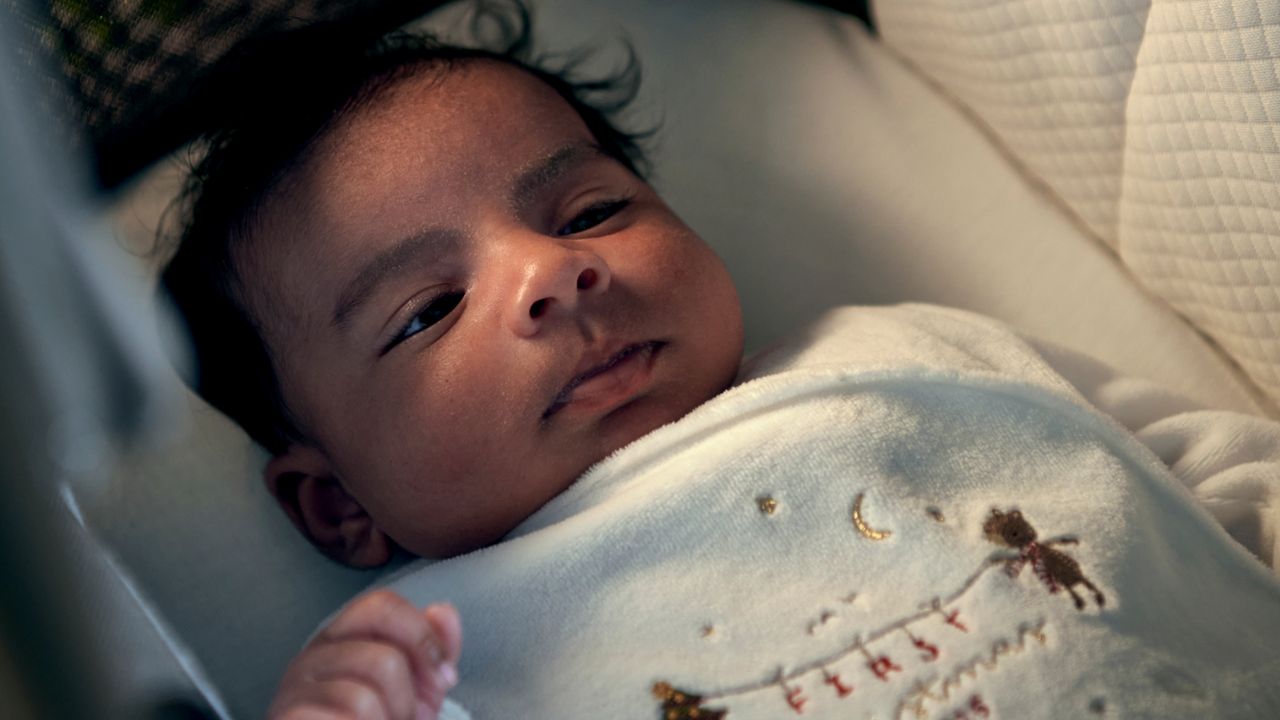
Most cases of overheating can be fixed at home with these steps. However, sometimes you need a doctor. If your baby's symptoms do not start to improve within 30 minutes, call a doctor or seek emergency care . You should also seek medical help right away if you see any of these signs:
-
Your baby has a fever. A temperature of 100.4°F (38°C) or higher is especially concerning in babies under 3 months old .
-
They are vomiting .
-
They have a fever and seem weak, confused, or very tired .
-
They are not responding to you normally .
-
They are having trouble breathing .
-
They have a seizure.
These are signs of heat stroke or severe dehydration. Do not wait. Overheating can quickly become dangerous. If you are ever worried, it is better to be safe. Call your doctor or take your baby to the emergency room. Trust your instincts. You know your baby better than anyone. If something feels wrong, get medical help.
FAQs
New parents often have many questions about this topic. You are not alone. Here are answers to some of the most common questions people have. This section addresses the concerns that many parents share.
Will A Baby Cry If They Are Too Hot While Sleeping?
This is a common question. Some babies will cry if they are too hot . They might be fussy, restless, and unable to settle. The discomfort of being too warm can make them cry.
However, you cannot rely on crying alone. In some cases, a baby might not cry. Overheating can make a baby feel lethargic and weak. They may become unusually sleepy and not respond as they normally would . This is because their body is working hard to cope with the heat. It can be dangerous because they may not cry for help . This is why you need to check your baby regularly. Look for the physical signs we have discussed. Never assume your baby is fine just because they are not crying.
Can A Baby Be Too Hot Without A Fever?
Yes, a baby can be too hot without a fever. Overheating and a fever are two different things. A fever is a sign that the body is fighting an infection . The body's internal thermostat is set higher. Overheating happens when the environment is too warm. The baby's body temperature rises because it cannot cool down.
But they can be linked. An overheated baby can develop a fever . If you think your baby is overheated and their temperature is high, it could be either. The best thing to do is to cool them down. Then check their temperature again. If they have a fever that persists even after you have cooled them down, call your doctor.
Is It Better For A Baby To Be Too Cold Or Too Hot?
It is safer for a baby to be a little cool than too hot . This is an important piece of advice. A baby who is too cool will usually let you know. They will often cry or become fussy. They might also start to shiver. This gives you a clear signal to add a layer or how to tell if baby is too hot while sleeping.
A baby who is too hot, on the other hand, might not give these clear signals. They might become lethargic and unresponsive . This can be dangerous. The risk of SIDS is also much higher with overheating. So, if you are unsure, it is better to err on the side of cool. Dress your baby in fewer layers. Keep the room a bit cooler. You can always add a layer if your baby seems cold. But preventing overheating is more critical for safety.
Why Are My Baby's Hands And Feet Cold When Sleeping?
This is a very common concern. It can be alarming to feel your baby's cold hands and feet. But it is usually normal. A baby's circulatory system is still developing. Their blood goes to their core organs first. This means their hands and feet might feel cooler than the rest of their body .
You should not use the hands or feet to judge your baby's temperature. They are not a reliable guide . Always feel the back of the neck or the chest and tummy. These areas will give you the true sense of your baby's body temperature. If their chest is warm, they are fine. If their hands are also warm, they might be too warm. But cold hands alone are not a sign that your baby is cold. Trust the core temperature, not the extremities.
What Is A Fever In A Baby?
Knowing what a fever is in a baby is important. A normal temperature for a baby is around 97.5°F (36.4°C) . This can vary depending on the time of day and how you take the temperature. A rectal temperature is considered the most accurate for babies.
A fever is generally considered a temperature of 100.4°F (38°C) or higher . This is different from being overheated. But an overheated baby can have a high temperature too. If your baby is under 3 months old, any fever is a medical emergency. You should call your doctor or go to the emergency room. For older babies, you should still call a doctor for a persistent fever. Always talk to your healthcare provider about what to do.
Conclusion
Knowing how to tell if your baby is too hot while sleeping is a vital part of caring for an infant. It is not just about comfort. It is about safety. Overheating is a known risk factor for SIDS. It can also cause heat rash and dehydration. By learning the signs and taking steps to prevent it, you are protecting your baby.
Key Takeaways
Let's recap the most important points from this guide.
-
Recognize the signs: Look for flushed or red skin, sweating, rapid breathing, and a hot neck or chest. Watch for behavioral changes like fussiness or lethargy. A lethargic baby is a serious red flag .
-
Keep the room cool: The ideal room temperature for a sleeping baby is between 68 and 72°F (20 and 22°C) . Use a thermometer to monitor the room.
-
Dress your baby appropriately: Dress your baby in the same number of layers you would wear to be comfortable. Use a sleep sack with the right TOG rating for the room temperature . Do not use hats, blankets, or heavy bedding .
-
Check your baby regularly: Feel their neck or chest to make sure it feels warm but not hot or sweaty. Do not rely on the hands or feet to tell you about their core temperature .
-
Act quickly if needed: If your baby is too hot, remove a layer of clothing and move them to a cooler place . If their symptoms do not improve in 30 minutes, or if they have a fever, seek medical help .
Your baby depends on you to make their sleep safe and comfortable. By following these guidelines, you can create a sleep environment that is not only restful but also safe. You can worry less and rest easier knowing you have done everything you can to protect your little one. Trust your instincts. You are doing a great job.
Other Articles
How To Get Baby To Self-Soothe In The Middle Of The Night
50 Popular Gujarati Surnames Or Last Names With Meanings