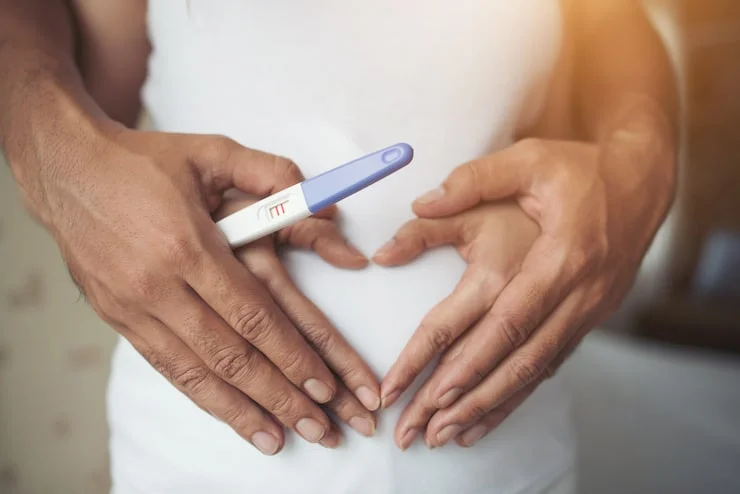


Week 12 is a turning point. You are standing at the edge of your first trimester, about to step into what many women describe as the most comfortable part of pregnancy. The symptoms that defined your early weeks may be shifting. Some are fading. Others are changing shape. And your baby is doing remarkable things inside you.
This article walks you through what you might feel during week 12, what is happening with your baby, and when it is time to call your doctor. No medical jargon. Just clear information you can actually pregnancy symptoms week 12.
Your Baby at 12 Weeks
Before we talk about your symptoms, it helps to picture what is going on inside. At 12 weeks, your baby is about the size of a lime, roughly 5 to 6 centimeters long from head to bottom, and weighs around 14 grams. That is still tiny, but the growth is fast. Your baby doubled in size from the week before.
The face is becoming more defined. The eyes, though still closed, have moved closer together. The ears are in their proper positions. The nose and lips are forming, and tiny buds where teeth will grow are now visible. Fingernails and toenails are starting to form. The vocal cords are taking shape. The kidneys are working and producing urine.
Your baby is moving inside you, kicking and stretching, but these movements are far too small for you to feel yet.
Symptoms You Might Notice at 12 Weeks

Morning Sickness May Be Easing
If nausea and vomiting have been your constant companions, week 12 often brings relief. Morning sickness typically starts around six weeks and settles by 14 to 16 weeks. You may find that your nausea is less intense this week, or it may still come and go. For some women, it disappears almost overnight. For others, it lingers a little longer. Both are normal.
The key thing is to keep eating and drinking. If you are unable to tolerate any meals or fluids at all, or if you are losing weight, that is a sign to contact your doctor.
Read Also: Pregnancy Planning For First Time Moms
Fatigue Is Starting to Lift
The crushing tiredness of early pregnancy often begins to fade around this time. Many women notice their energy returning as they approach the second trimester. You might still feel tired, especially in the evenings, but the constant exhaustion should start to ease.
If you feel faint when standing up quickly, that is also common in early pregnancy. It happens because your blood vessels relax and blood pressure drops slightly. Take your time when getting up from a chair or out of bed.
Your Belly Is Changing
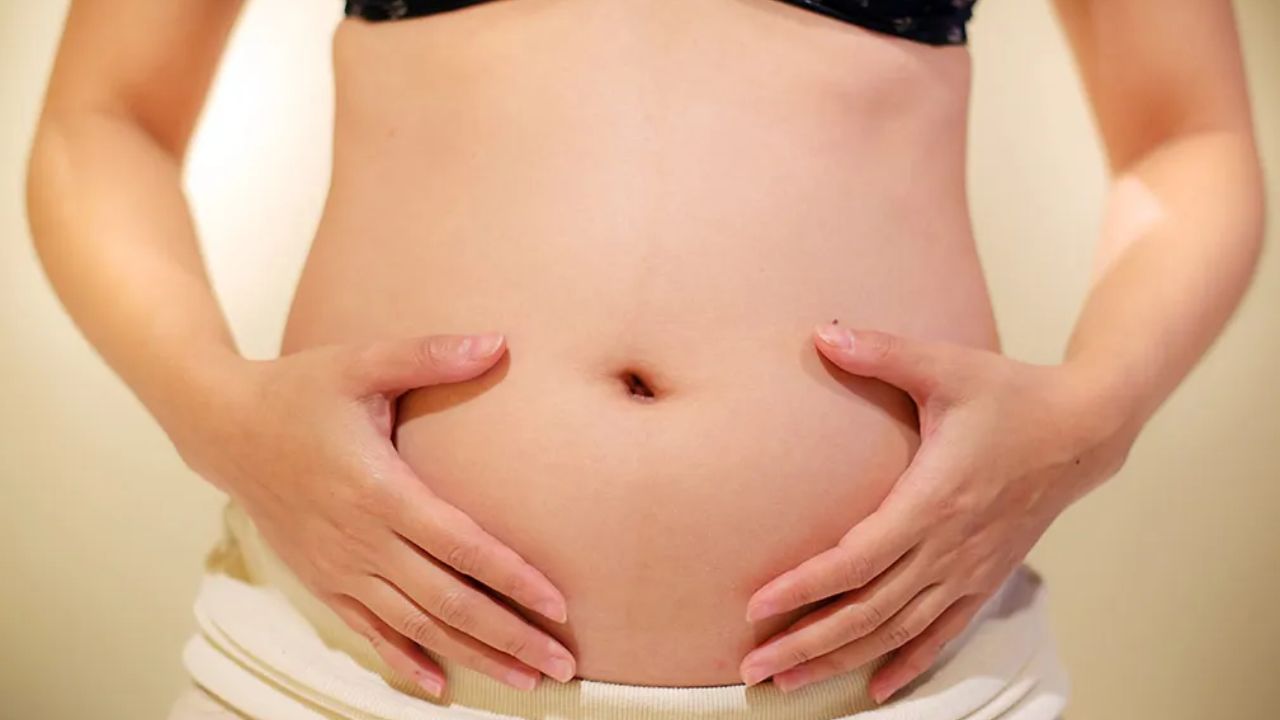
Your uterus is growing and moving upward out of your pelvis. You might notice a small bump starting to show. You may also feel occasional mild cramping in your lower abdomen. This is normal. Your uterus is stretching and your round ligaments, the bands of tissue that support it, are being pulled.
Round ligament pain can feel like a sudden sharp twinge on one or both sides of your abdomen. It often happens when you change position quickly, cough, or sneeze. It is brief but can catch you off guard. If the pain is severe, constant, or comes with bleeding, call your doctor.
Skin Changes and the Pregnancy Glow
You may have heard people say you are glowing. That is real. Increased blood volume and pregnancy hormones make your skin look flushed, plumper, and smoother. But not all skin changes are welcome. Some women develop darker patches on their face, a condition called chloasma or the mask of pregnancy. You might also notice a dark line running down the middle of your abdomen, called linea nigra. These changes are caused by hormones increasing melanin production. Most fade after pregnancy.
Acne can also appear or clear up, depending on how your skin responds to hormones.
Breast Changes Continue
Your breasts may still feel tender or heavy. The veins may be more visible. Your nipples and the area around them may darken. These changes are preparing your body for breastfeeding later on.
Increased Urination
You are probably still peeing more often than usual. Your growing uterus puts pressure on your bladder. This symptom will continue through pregnancy and may even get more noticeable as your baby grows.
Heartburn and Indigestion
Heartburn affects up to 60 to 80 percent of pregnant women. Hormonal changes slow down your digestion, and later in pregnancy, your growing baby will press on your stomach. You might feel a burning sensation in your chest or throat, along with a bitter taste in your mouth. Eating smaller meals more often can help.
Constipation
Constipation is common in early pregnancy, affecting up to 40 percent of women. Pregnancy hormones relax your digestive system, which slows things down. Drinking plenty of water, eating fiber-rich foods, and staying active can help keep things moving.
Headaches
Headaches are common in early pregnancy, often related to hormonal changes, dehydration, or tension. If you need pain relief, acetaminophen is generally considered safe when used occasionally at the lowest effective dose, but always check with your doctor first.
Heightened Sense of Smell
You might still find that certain smells bother you more than usual. This sensitivity often improves after the first trimester, but for some women, it lingers longer. If a particular smell makes you nauseous, try to avoid it when you can.
Gum Sensitivity
Your gums may feel tender or bleed a little when you brush. This is caused by increased blood flow to your gums. It is a good idea to see your dentist regularly during pregnancy and to be gentle when brushing.
When to Call Your Doctor?
Most symptoms at 12 weeks are normal and nothing to worry about. But some signs mean you should get medical help right away.
Contact your doctor or midwife if you experience:
- Vaginal bleeding. Bleeding during pregnancy does not always mean something is wrong, but it should always be checked.
- Severe stomach pain. Mild cramping is normal. Severe, constant pain is not.
- A severe headache especially with blurred vision, upper stomach pain, or swelling.
- Pain or burning when you pee, or a high temperature. This could be a urinary tract infection.
- One calf that is red, swollen, and hot. This could be a blood clot.
- Fluid leaking from your vagina.
- Feeling very unwell in a way that worries you. Trust your instincts.
What You Can Do This Week?
Schedule your first trimester screening. If you have not already had it, weeks 11 to 14 are the window for first trimester screening. This combines an ultrasound and blood tests to check for certain chromosomal conditions like Down syndrome. The ultrasound measures the fluid at the back of your baby's neck, called nuchal translucency. It is a screening test, not a diagnosis, but it gives you important pregnancy symptoms week 12..
Think about telling people. Many women choose to share their news after the first trimester ends. The risk of miscarriage drops significantly after 12 weeks. Whether you tell everyone, a few close people, or no one yet is entirely your choice.
Start looking at maternity clothes. Your regular clothes may start feeling tight. You do not need to rush out and buy a whole new wardrobe, but having a few comfortable options can make a big difference.
Keep moving. If you were active before pregnancy, you can usually continue. Walking, swimming, and prenatal yoga are all good choices. If you were not active before, this is a good time to start with gentle activity. Talk to your doctor first.
Eat well, but do not stress. Your nutritional needs are not dramatically higher in early pregnancy. Focus on folate, which you can get from leafy greens, beans, and fortified cereals, or from a supplement. Avoid raw or undercooked meat, unpasteurized dairy, and high-mercury fish like shark and swordfish. Limit caffeine to about one cup of coffee per day.
Drink water. Staying hydrated helps with headaches, constipation, and fatigue.
Read Also: How To Sleep Better During Pregnancy First Trimester
The Emotional Side of Week 12
This week can bring a mix of emotions. For many women, the 12-week ultrasound is the first time they see their baby as a real person. You see the heartbeat. You see the shape of a tiny human. It can be overwhelming in the best way.
At the same time, you might feel anxious about the screening results. That is normal. Talk to your doctor about what the tests mean and what the next steps would be if something comes up. Most babies are perfectly healthy.
You might also feel relief as the first trimester ends. The secrecy, the nausea, the exhaustion. It is all starting to shift. You are entering a new phase.
Frequently Asked Questions
Is it normal to have no symptoms at 12 weeks?
Yes. Some women have very mild symptoms throughout pregnancy. The absence of symptoms does not mean something is wrong. Every pregnancy is different.
Can I feel my baby move at 12 weeks?
No. Your baby is moving, but the movements are too small to feel. Most women feel the first flutters between 16 and 22 weeks.
Can I hear the heartbeat at 12 weeks?
Your doctor may be able to detect the heartbeat with a Doppler device during a prenatal check-up. If they cannot hear it, an ultrasound can confirm that everything is fine.
Is it safe to have sex at 12 weeks?
Yes, unless your doctor has told you otherwise for a specific reason. Sex does not harm your baby.
When will my morning sickness go away?
For most women, it improves by 14 to 16 weeks. Some women feel better earlier, and some feel nauseous for longer.
Conclusion
Week 12 is a milestone. Your baby is growing rapidly, your body is adjusting, and you are about to enter the second trimester. Symptoms like nausea and fatigue often start to ease. New sensations like round ligament pain and skin changes may appear. Most of what you feel is normal.
Pay attention to your body. Trust your instincts. If something feels wrong, call your doctor. That is what they are there for.
Other Articles

When Can A Baby Sleep With A Blanket
50 Popular Gujarati Surnames Or Last Names With Meanings