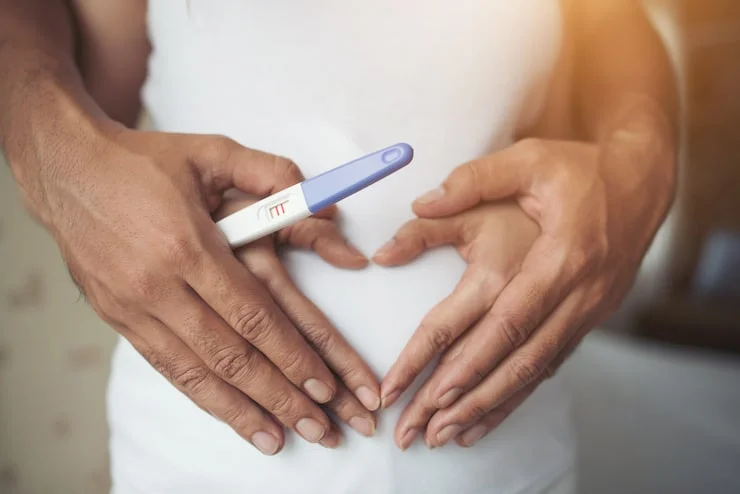


Deciding to have a baby is one of the biggest turning points in your life. If you are a first time mom, you probably feel a mix of excitement and worry. That feeling is completely normal. Here is the good news: getting pregnant is not something you just leave to chance. You can do a lot to prepare yourself, and that preparation can make a real difference for you and your future baby.
Many women think pregnancy starts when they see two lines on a test. It does not. The most important stages of your baby's growth happen before you even know you are pregnant. That is why real preparation should begin before you start trying. This guide walks you through everything a first time mom needs to know, from your body to your daily habits to your pregnancy planning for first time moms.
Why You Should Start Three Months Before You Try?

Doctors often tell women to start preparing three to six months before they want to get pregnant. That timing is not random.
Your body needs time to make certain changes. An egg takes about three months to mature before it is released. The folate level in your blood also needs steady supplements over time to reach a point where it can protect your baby. If you wait until a positive test to start folic acid, you may miss the window that matters most. Your baby's neural tube, which becomes the brain and spine, forms in the first three to four weeks of pregnancy.
Starting early also gives you room to handle things that cannot be rushed. You can book a full checkup, adjust any medicine you take, or quit smoking. These steps take time, and having a few months makes them easier.
Step One: Get a Full Checkup Before You Conceive
A preconception visit is a doctor's appointment where you talk about getting pregnant. It is different from a normal yearly exam. During this visit, your doctor will look at your overall health and flag anything that might affect pregnancy.
Here is what usually happens at this visit:
Your doctor will ask about your period history, any past pregnancies, and any health conditions you have. They will also ask about your family history. Some conditions, like cystic fibrosis or sickle cell disease, run in families. Knowing about them early helps you understand your risks.
You will likely get blood tests. These check for anemia, thyroid problems, and immunity to rubella and chickenpox. If you are not immune, you can get vaccinated before you get pregnant. Some vaccines are not safe during pregnancy, so this is the time to handle them.
Your doctor will also review any medicine you take. This includes prescription drugs, over the counter pills, and herbal supplements. Some of these are not safe during pregnancy, and your doctor can switch you to something safer.
If you have a long term condition like diabetes, asthma, or high blood pressure, this visit matters even more. Good control of these conditions before pregnancy lowers the risk of problems for you and your baby.
Do not skip this step. It is one of the most useful things you can do as a first time mom.
Read Also: Prenatal Tests During First Trimester
Step Two: Understand Your Cycle and Know When You Ovulate
To get pregnant, you need to know when you ovulate. Ovulation is when your ovary releases an egg. That egg lives for about 12 to 24 hours. Sperm can live inside your body for up to five days. This means the days leading up to ovulation and the day of ovulation are your best chances.
If your cycle is regular, you can estimate ovulation about 14 days before your next period. But many women do not have a perfect 28 day cycle, so guessing is not always reliable.
Here are simple ways to track ovulation:
Track your cycle on a calendar. Mark the first day of each period. After a few months, you will see a pattern. This helps you predict your fertile window.
Watch your body signs. Around ovulation, your cervical mucus becomes clear, stretchy, and slippery, like raw egg white. This is a sign that you are fertile. Some women also feel a mild pain on one side of the lower belly.
Use ovulation test strips. These test your urine for a hormone that rises before ovulation. They are easy to buy and simple to use. They are more accurate than guessing.
Check your basal body temperature. This is your body temperature when you first wake up. It rises slightly after ovulation. This method confirms that you ovulated, but it does not warn you in advance. It is better used together with other signs.
You do not need to use every method. Pick one or two that feel easy for you. The goal is to learn your pattern so you know your best days to try.
Step Three: Eat in a Way That Supports Pregnancy
You do not need a special diet to get pregnant. You need a steady, balanced way of eating that gives your body what it needs. Think of it as building a strong base.
Folic acid comes first. Take 400 micrograms every day. This is the single most important nutrient before pregnancy. It lowers the risk of birth defects in the baby's brain and spine. You can get it from a supplement and from foods like leafy greens, beans, and fortified cereal. Many doctors suggest starting at least one month before you try, but three months is better.
Eat iron rich foods. Iron helps your body make blood, and your blood volume grows a lot during pregnancy. Low iron before pregnancy can lead to anemia. Good sources are lean red meat, chicken, fish, beans, lentils, and spinach. Pair these with foods high in vitamin C, like oranges or bell peppers, to help your body absorb the iron.
Get enough calcium. Calcium builds your baby's bones and teeth. If you do not get enough, your body will pull it from your own bones. Aim for dairy products, leafy greens, tofu, and fortified plant milks.
Choose healthy fats. Fats help your body make hormones. Hormones matter for ovulation. Olive oil, avocado, nuts, and fatty fish like salmon are good choices.
Limit caffeine. High amounts of caffeine have been linked to a higher risk of miscarriage and trouble getting pregnant. Most doctors suggest keeping it under 200 milligrams a day. That is about one 12 ounce cup of coffee.
Cut out alcohol. There is no safe amount of alcohol during pregnancy, and it can also make it harder to conceive. The safest choice is to stop drinking while you are trying.
Skip risky foods. Avoid raw or undercooked meat, raw eggs, unpasteurized dairy, and high mercury fish like shark and swordfish. These can carry bacteria or harm your baby's development.
You do not have to be perfect. Small, steady changes add up. If you eat mostly whole foods and take your folic acid, you are on the right track.
Step Four: Move Your Body and Rest Well
Exercise helps your body in many ways. It supports healthy weight, lowers stress, and improves blood flow. All of these things help your chances of getting pregnant.
You do not need intense workouts. Aim for about 30 minutes of moderate activity most days. Walking, swimming, cycling, and light strength training are all good. If you already exercise, you can keep going. If you are new to it, start slow.
One thing to watch: very intense exercise can sometimes stop ovulation. If your periods become irregular or stop, that is a sign to ease up and talk to your doctor.
Sleep matters too. Poor sleep raises stress hormones, and stress can affect ovulation. Try to get seven to nine hours a night. Keep a regular bedtime, and keep your room dark and cool.
If you are carrying extra weight or are underweight, your doctor may talk with you about this. Weight that is far from a healthy range can make it harder to get pregnant. The goal is not to be thin. The goal is to be in a range where your hormones work well.
Step Five: Stop Smoking and Avoid Harmful Chemicals
Smoking damages your eggs and lowers your chances of getting pregnant. It also raises the risk of miscarriage and other problems. If you smoke, quitting is one of the best things you can do. It is hard, but help is out there. Ask your doctor about programs and products that can support you.
The same goes for recreational drugs. They can harm your fertility and your baby. If you use any, talk to your doctor. They can help you stop without judgment.
You should also be careful with certain chemicals at home and work. Strong cleaning products, pesticides, and some solvents may affect fertility. Wear gloves, open windows, and follow labels. If your job involves chemicals, talk to your employer about safer options.
Men should also avoid these things. A partner's health and habits affect sperm quality, which matters for getting pregnant.
Step Six: Take Care of Your Emotional Health
Trying to get pregnant can be an emotional ride. Some months it works, some months it does not. It is normal to feel hopeful, sad, frustrated, or all of these in one week.
Your mental health matters just as much as your physical health. High stress can affect your cycle and your mood. Finding ways to manage stress will help you now and during pregnancy.
Here are some things that help:
- Talk about it. Share your feelings with your partner, a close friend, or a family member. Keeping it all inside makes it heavier.
- Set limits on pregnancy talk. It is okay to step back from baby groups or social media if it makes you feel worse.
- Keep doing things you enjoy. Your life is not only about getting pregnant. Hobbies, friends, and rest still matter.
- Ask for help if you need it. If you feel sad or anxious most days, talk to a doctor or counselor. This is common, and support is available.
If you have a history of depression or anxiety, talk with your doctor before you get pregnant. Some medicines are safe during pregnancy, and some are not. Planning ahead keeps you and your baby safe.
Step Seven: Know When to See a Doctor About Fertility
Many couples get pregnant within a year of trying. But some need help. Knowing when to ask for it saves time and worry.
See a doctor if:
- You are under 35 and have tried for 12 months with no pregnancy.
- You are 35 or older and have tried for six months with no pregnancy.
- Your periods are very irregular, very painful, or stop for no clear reason.
- You have had more than one miscarriage.
- You have a known condition like endometriosis or polycystic ovary syndrome.
- Your partner has known fertility problems.
Do not wait if something feels off. A doctor can run tests and find answers. Many fertility problems have good treatment options. Asking for help is not a sign of failure. It is a smart step.
Step Eight: Prepare Your Life, Not Just Your Body
Getting ready for a baby is not only about health. It is also about your daily life. Thinking ahead makes the transition smoother.
Look at your money. Babies cost money. You do not need to be rich, but a simple budget helps. Check what your health insurance covers for pregnancy and birth. Look into your workplace leave policy. Knowing these things early lowers stress later.
Talk with your partner. If you have a partner, talk about your hopes and worries. Talk about chores, money, work, and childcare. These talks now prevent fights later.
Think about your home. You do not need a nursery on day one. But a safe, calm space helps. Fix any hazards, and make room for what you will need.
Build your support team. Find people you trust. This could be family, friends, or a community group. First time moms who have support feel less alone.
Learn the basics. You do not need to know everything. But reading a little about pregnancy and newborn care helps you feel ready. Take your time with it.
You May Also Like: How To Sleep Better During Pregnancy First Trimester
FAQs
How long will it take to get pregnant?
For most healthy couples under 35, about 85 out of 100 get pregnant within a year of trying. Some get pregnant in the first month. Others take longer. Both are normal.
Can I get pregnant right after stopping birth control?
Yes. Your fertility can return quickly. Some women get pregnant in the first cycle after stopping the pill. Others take a few months for their cycle to settle. Talk to your doctor about the best time to stop.
Do I need to gain weight before pregnancy?
Not usually. But if you are very underweight, your doctor may suggest gaining a little. If you are very overweight, they may suggest losing some. The goal is a healthy range for your body.
Is it safe to exercise while trying to get pregnant?
Yes, for most women. Moderate exercise is good. Very intense training can affect ovulation, so keep it balanced.
Should my partner change anything?
Yes. His habits affect sperm. He should avoid smoking, heavy drinking, and hot baths or saunas. A healthy diet and regular exercise help too.
What if I have been trying and nothing happens?
It is normal to feel upset. Do not blame yourself. See a doctor. Many couples get help and go on to have healthy babies.
Can stress stop me from getting pregnant?
Stress alone rarely stops pregnancy. But long term stress can affect your cycle and your mood. Managing it helps your overall health.
How much folic acid do I need?
Most women need 400 micrograms a day. Some women with certain conditions need more. Ask your doctor what is right for you.
Your Simple Action Plan
- If all of this feels like a lot, take it one step at a time. Here is a short plan you can start today:
- Book a preconception visit with your doctor.
- Start taking 400 micrograms of folic acid daily.
- Track your cycle for a few months.
- Cut back on caffeine and stop alcohol.
- Quit smoking and avoid harmful chemicals.
- Eat balanced meals with iron, calcium, and healthy fats.
- Move your body most days and get enough sleep.
- Talk with your partner about money, work, and support.
- See a doctor if you have tried for a year, or six months if you are over 35.
- Be kind to yourself. This is a big life change, and you are doing your pregnancy planning for first time moms.
A Final Word for First Time Moms
Pregnancy planning is not about being perfect. It is about giving yourself and your future baby the best start you can. Some days you will feel ready. Other days you will feel scared. Both are okay.
The steps in this guide are simple on purpose. Good health before pregnancy comes from steady habits, not from magic. Eat well, move your body, rest, take your folic acid, and ask for help when you need it.
You do not have to know everything before you start. You just have to begin. And if you ever feel lost, your doctor is there to guide you. You are not alone in this. Millions of first time moms have walked this path before you, and you can do it too.
Other Articles
50 Popular Gujarati Surnames Or Last Names With Meanings