

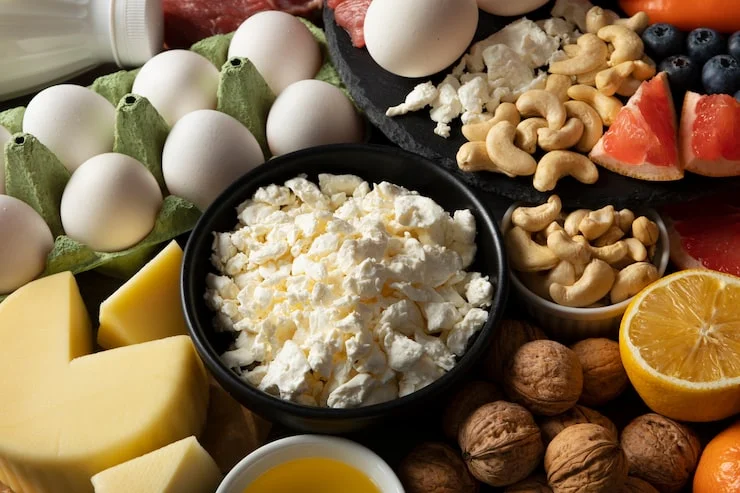
Pregnancy changes how your body uses calcium. Your baby needs calcium to build strong bones, teeth, and a healthy heart, and those needs grow steadily over the nine months. If your diet does not supply enough calcium, your body will pull calcium from your own bones to meet the baby’s demand. Over time, this can weaken your bones and raise your risk of problems later.
Research also shows that calcium plays a role in preventing serious pregnancy complications. Studies have found that calcium supplementation in women with low dietary intake reduced the risk of preeclampsia by about half . Preeclampsia is a condition marked by high blood pressure and organ damage, and it can be dangerous for both mother and baby. This is one major reason health organizations pay close attention to calcium rich foods during pregnancy.
The amount you need depends on your age. The Queensland Health guide recommends about 1,100 milligrams per day during pregnancy and around 1,200 milligrams while breastfeeding . Teenagers who are pregnant need additional calcium because their own bodies are still developing . Chinese dietary guidelines suggest that in the second and third trimesters, daily milk intake should reach 300 to 500 milliliters, since every 100 milliliters of milk provides roughly 100 milligrams of calcium .
Dairy Foods: The Most Reliable Calcium Source
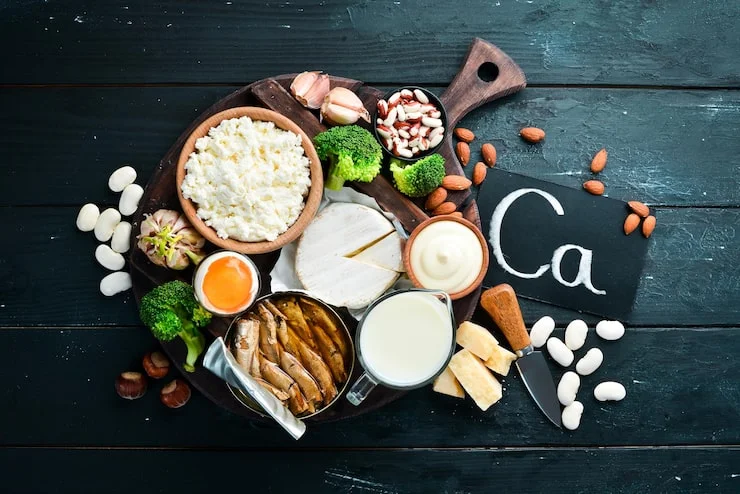
Dairy products remain the most practical way to meet calcium needs because they contain concentrated calcium in a form your body absorbs well. One cup of milk provides about 300 milligrams of calcium . That single serving covers roughly one-third of a pregnant woman’s daily need.
Milk works well at breakfast or as a snack. If you find plain milk hard to finish, blend it into a smoothie with fruit, or warm it with a little honey. Yogurt offers the same calcium benefits with a thicker texture and a tangy taste. Choose plain yogurt over heavily sweetened varieties, and add fresh fruit or a drizzle of honey yourself. Cheese is another strong option, but pay attention to portion size because cheese also carries fat and salt. A small piece of cheddar or a spoonful of ricotta can add meaningful calcium without overloading your meal.
A simple daily pattern from Queensland Health shows how easily dairy can cover your needs: one glass of milk, one tub of yogurt, and one cheese and salmon sandwich together deliver the full daily calcium target during pregnancy . That example shows that you do not need a complicated meal plan to reach the goal.
For women who cannot tolerate lactose, lactose-free milk and hard cheeses are often easier on the stomach and still provide calcium. Soy drinks with added calcium are a good substitute for dairy milk, though you should check the label to confirm the calcium content, since not all plant milks are fortified.
Read Also: Is There A Dupe For The Bbhugme Pregnancy Pillow?
Non-Dairy Foods That Deliver Calcium
Not everyone enjoys dairy, and some women avoid it for personal or digestive reasons. Fortunately, many non-dairy foods provide calcium, and some of them are foods you may already eat regularly.
Tofu and soy products stand out among plant sources. Tofu made with calcium sulfate contains a notable amount of calcium, and soybeans themselves provide calcium along with protein . Canned salmon with bones is another excellent choice, because the small soft bones are edible and rich in calcium. The Queensland Health guide lists salmon among good calcium sources .
Dark green leafy vegetables contribute calcium, though the amount varies by vegetable. Broccoli, bok choy, collard greens, kale, and mustard greens are all listed by the New York State Department of Health as calcium-rich options for pregnant women . Broccoli is especially useful because it also provides fiber and vitamin C. Spinach contains calcium but also has oxalates, which can reduce absorption, so it should not be your primary calcium source.
Almonds provide calcium along with healthy fats, and they make an easy snack to carry with you . Baked beans also appear on the Queensland Health list of good sources, which means a simple toast-and-beans meal can contribute to your daily intake . Sesame paste is extremely concentrated in calcium, with about 1,170 milligrams per 100 grams, but it is also high in fat and calories, so a small amount used as a dip or sauce is enough .
Calcium-fortified foods offer another route. Some cereals, juices, and plant-based beverages have calcium added during processing. The New York State Department of Health specifically mentions calcium-fortified juices and calcium-fortified soy beverages as useful options . Check the nutrition label to see how much calcium a serving provides.
How to Help Your Body Absorb the Calcium You Eat?
Eating calcium-rich foods is only part of the picture. Your body must be able to absorb that calcium, and several everyday habits affect how well it does so.
Spread calcium across the day. Your body absorbs calcium best when you eat it in smaller amounts at different times, rather than all at once. The New York State Department of Health advises having a calcium-rich food at each meal and snack . This approach keeps a steady supply coming in and helps your body use it efficiently.
Watch your salt, caffeine, and fizzy drinks. Queensland Health warns that salt, caffeine, carbonated drinks, nicotine, and alcohol all decrease the calcium available to your body . You do not need to eliminate coffee entirely, but keeping caffeine modest and limiting salty snacks and soft drinks supports better calcium retention.
Be mindful of oxalates and phytates. Some plant foods contain natural compounds that bind calcium and reduce absorption. Spinach, rhubarb, and certain other vegetables are high in oxalates. Whole grains and legumes contain phytates. This does not mean you should avoid these foods, because they bring other benefits, but it does mean you should not rely on them as your main calcium sources. Pairing calcium-rich foods with variety across the day helps balance things out.
Separate calcium supplements from iron supplements. If your doctor recommends a calcium supplement, take it at a different time from your iron supplement. The World Health Organization advises separating calcium and iron supplements by several hours because they can interfere with each other’s absorption.
Read Also: Home Remedies For Leg Cramps During Pregnancy
When Food Alone Is Not Enough?

Some women cannot reach their calcium target through food alone, whether because of food aversions, lactose intolerance, or a busy schedule that makes regular meals difficult. In those cases, a supplement may help, but it should be a decision made with your doctor.
The American College of Obstetricians and Gynecologists recommends calcium supplementation of 1,500 to 2,000 milligrams per day for pregnant women whose calcium intake falls below 600 milligrams per day . The World Health Organization makes a similar recommendation for women with low dietary calcium intake, advising that supplements be divided into three doses and taken with meals .
However, calcium supplements are not risk-free. The National Health Service in the UK notes that rare side effects of calcium supplementation include nausea, stomach ache, constipation, diarrhea, wind, and heartburn . More serious but very rare effects include kidney stones. Taking more calcium than you need does not provide extra benefit and may cause harm. The NIH advises that in populations where calcium intake already meets recommendations, supplementation is not encouraged because it may not improve outcomes and could increase the risk of adverse effects .
Your doctor can help you decide whether a supplement is appropriate, what dose to take, and which form is best for you. Calcium citrate is often gentler on the stomach than calcium carbonate, and some supplements include vitamin D, which helps your calcium rich foods during pregnancy.
A Simple Daily Pattern You Can Follow
You do not need to count every milligram or plan elaborate meals. A practical approach is to include two to three servings of dairy or calcium-fortified alternatives each day, add one non-dairy calcium source such as tofu, salmon, or almonds, and include a green vegetable with at least one meal. Keep salty snacks, soft drinks, and excessive coffee to a minimum. If you are unsure whether you are meeting your needs, bring it up at your next prenatal visit. Your doctor or midwife can review your diet with you and help you decide whether any changes or a supplement are needed.
Other Articles
50 Popular Gujarati Surnames Or Last Names With Meanings