

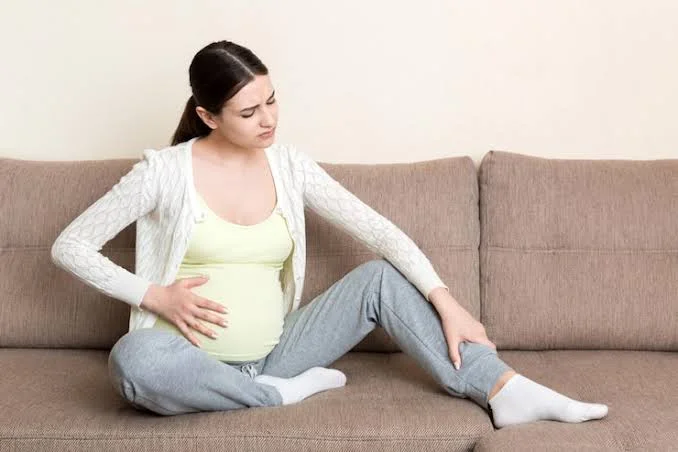
Leg cramps in pregnancy have a way of showing up at the worst possible moment. You are finally comfortable in bed, just drifting off, and then a sharp pain shoots through your calf. The muscle tightens hard and refuses to let go. If this sounds familiar, you are not alone. Leg cramps are very common in pregnancy, especially in the second and third trimesters, and they often strike at night .
The exact cause is not fully understood. Hormonal changes, changes in how your body handles fluids and minerals, and the extra weight you are carrying all likely play a part. The good news is that there are many simple things you can do at home to prevent these cramps and to deal with one when it hits. This article walks you through the most practical remedies, explains how to use them, and tells you when it is time to call your doctor.
What to Do Right Now When a Cramp Strikes?
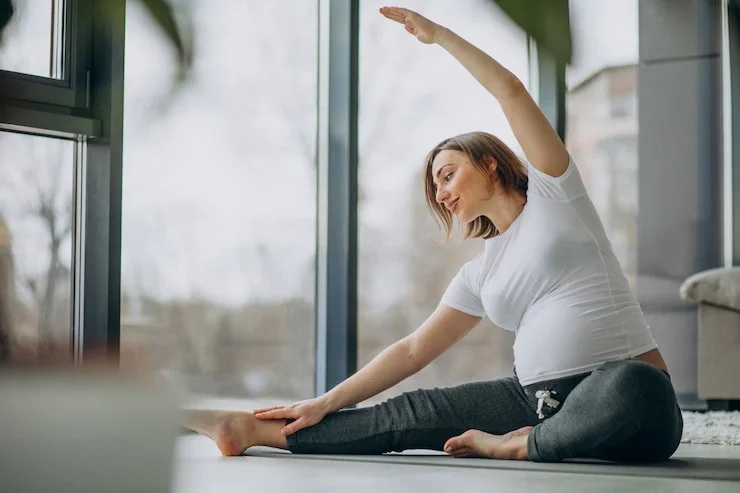
When a cramp starts, your first instinct might be to tense up. Try to resist that. The fastest way to stop the pain is to stretch the muscle that is cramping. If the cramp is in your calf, sit up and pull your toes hard toward your ankle . You can also stand up and put weight on the leg, or straighten your knee and gently flex your home remedies for leg cramps during pregnancy.
Rubbing the muscle firmly can also help it release . Some women find that a warm shower, a warm bath, or an ice massage on the tight muscle brings relief . Once the cramp eases, walk around for a few minutes and then sit down with your legs raised. This can help stop the cramp from coming back .
Stretch Before Bed Every Night
This is one of the most reliable habits you can build. A gentle calf stretch before you get into bed can reduce how often cramps happen . Here is how to do it safely.
Stand at arm's length from a wall and place your hands on the wall. Move your right foot behind your left foot. Slowly bend your left knee while keeping your right knee straight and your right heel flat on the floor. You should feel a gentle pull in the calf of your back leg. Hold it for about thirty seconds. Keep your back straight and your hips forward. Do not let your feet turn in or out. Then switch legs and repeat .
This stretch is simple, but it works best when you do it consistently. Make it part of your bedtime routine, right after brushing your teeth or before you get into bed.
Read Also: Preparing For Newborn While Pregnant Checklist
Keep Moving During the Day
Regular, gentle activity helps your circulation and may lower your chances of getting cramps . You do not need to do anything intense. A daily walk, some light stretching, or pregnancy-safe exercise classes are enough. Before you start any new exercise routine, check with your doctor or midwife to make sure it is safe for you .
The NHS also suggests some simple foot and ankle movements that you can do sitting down. Try bending and stretching your foot up and down vigorously thirty times, then rotating your foot eight times in one direction and eight times in the other. Repeat with the other foot . These movements are easy to do while watching TV or sitting at a desk.
Drink Enough Water
Muscles that are well hydrated are less likely to cramp. A simple way to check your hydration is to look at your urine. If it is clear or light yellow, you are drinking enough. If it is darker yellow, you need more fluids .
Keep a water bottle with you during the day and sip from it regularly. If plain water is boring, you can add a slice of lemon or cucumber. Herbal teas and milk also count toward your fluid intake.
Look at Your Calcium Intake
Some research suggests that low calcium levels in the blood during pregnancy may contribute to leg cramps . Pregnant women need about 1,000 milligrams of calcium per day. Dairy products like milk, yogurt, and cheese are obvious sources. If you do not eat dairy, you can get calcium from fortified plant milks, tofu made with calcium, leafy greens like kale and bok choy, and canned fish with soft bones.
Before you take a calcium supplement, talk to your doctor. It is better to get calcium from food when you can, and a supplement may interact with other things you are taking.
Consider Magnesium, but Ask First
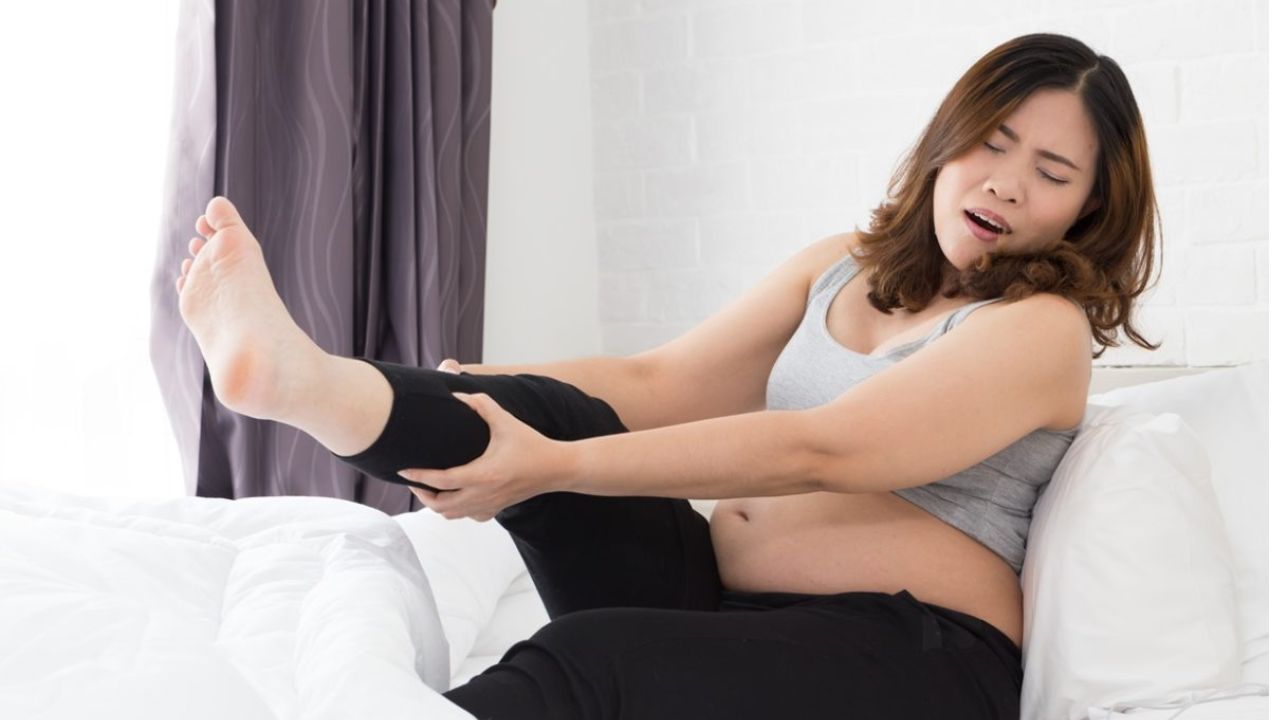
The evidence on magnesium for leg cramps is mixed. Some studies suggest it might help, while others find no clear benefit . Because the research is not conclusive, you should not start a magnesium supplement without checking with your doctor or midwife first.
You can also try adding more magnesium-rich foods to your meals. Whole grains, beans, dried fruits, nuts, and seeds are all good sources . A handful of almonds or pumpkin seeds as a snack is an easy way to get more magnesium into your day.
Wear Supportive Shoes
Your footwear matters more than you might think. Choose shoes that are comfortable and give your feet good support. Shoes with a firm heel counter are a good choice. The heel counter is the part at the back of the shoe that wraps around your heel and helps hold your foot steady . Avoid shoes that are too flat, too tight, or that make you feel unsteady..
You May Also Like: Pregnancy Symptoms Week 12
Know When to Call Your Doctor
Most leg cramps in pregnancy are harmless, even if they are painful. But there are times when you should not just handle it at home. If your cramps keep coming back often, or if they are severe, talk to your doctor or midwife about possible treatment options . You should also seek medical advice if the cramp is unusually intense, does not go away with stretching, or comes with other symptoms like weakness, swelling, redness, or warmth in the leg. These could be signs of something that needs medical attention.
A Word on What Not to Do
You might hear old advice about taking quinine for cramps. Do not do this without medical guidance. Quinine is not recommended for routine use in pregnancy, and it can have side effects. Similarly, do not start any supplement, including magnesium or calcium, without running it past your healthcare provider first. Pregnancy is a time when what you put into your body matters for both you and home remedies for leg cramps during pregnancy.
Putting It All Together
Leg cramps during pregnancy are annoying, but they are usually not dangerous. The best approach is a combination of prevention and quick action. Stretch your calves before bed. Stay active during the day. Drink enough water. Eat foods that give you calcium and magnesium. Wear shoes that support your feet. And when a cramp hits, stretch the muscle and rub it until it releases.
Be patient with yourself. Your body is doing a lot of work right now. These small habits can make a real difference in how well you sleep and how comfortable you feel. And if the cramps become frequent or severe, do not hesitate to bring it up at your next prenatal visit. Your healthcare team is there to help you through every part of this journey.
Other Articles
50 Popular Gujarati Surnames Or Last Names With Meanings