

You know that feeling. It starts with a sniffle. Then a cough. Then you are up at 3 AM wiping a feverish forehead and wondering if you should call the doctor. Every parent has been there. You watch your neighbor's kids run around the park in January without a coat, and yours catches a cold if someone sneezes three blocks away. It makes you wonder. What are they doing that you are not?
The truth is, some kids really do get sick less often. And it is not luck. It is not magic vitamins either. It is a bunch of small daily choices that add up. Nothing fancy. Nothing expensive. Just real things you can start doing today.
I want to walk you through what actually works. Not what sounds good on a blog. Not what sells supplements. What pediatricians tell their own families. What research backs up. And what I have seen work for real parents who were just as tired and worried as you might be right now.
Let us start with the thing nobody wants to hear. There is no single food, pill, or potion that will make your child invincible. I know. I wish there was too. I have spent hours googling the same things you have. But here is the good news. You do not need a miracle. You just need consistency. And that is something you actually have control over.
What Is Actually Going On Inside Your Child's Body?

Your child's immune system is like a muscle. It gets stronger with use. But here is the tricky part. It also gets tired if you push it too hard. And it learns from everything it meets.
When your baby is born, they do not have a fully developed immune system. They get some antibodies from you during pregnancy. If you breastfeed, they get even more. But for the most part, their body is figuring things out from scratch. That is why little kids get so many colds. Their immune system is like a new employee on the first day of work. Everything is confusing. Everything takes longer. They make mistakes.
By the time they are school age, things start to click. Their body has met enough germs to recognize them faster. The immune response gets quicker. Stronger. More accurate. But this only happens if they get the right raw materials. And those raw materials come from what they eat, how they sleep, how they move, and how to boost immune system in kids naturally.
I have heard parents say, "My kid has a weak immune system." And sometimes that is true. But more often, it is just an untrained one. Or an exhausted one. Or one that is not getting what it needs to do its job.
Read Also: Daily Routine For Healthy Child
The Food Part. And I Mean Real Food.
Let us talk about food first because this is where most parents get confused. You go to the store and there are a thousand products with pictures of oranges and words like "immune support." They are usually just sugar with a sprinkle of vitamin C. Your child does not need any of that.
What they need is real food. Food that grew in the ground or came from an animal. Not food that came out of a factory with a cartoon character on the box.
I will give you an example. My friend's daughter used to get sick every single month. Ear infections. Colds. Stomach bugs. It was endless. They went to three different doctors. Everyone said the same thing. She is fine. It is normal. But my friend was exhausted. So she started paying attention to what her daughter ate. Not counting calories. Not measuring portions. Just noticing. And what she noticed was that her daughter ate a lot of packaged snacks. Crackers. Fruit pouches. Cereal bars. Easy stuff. Convenient stuff.
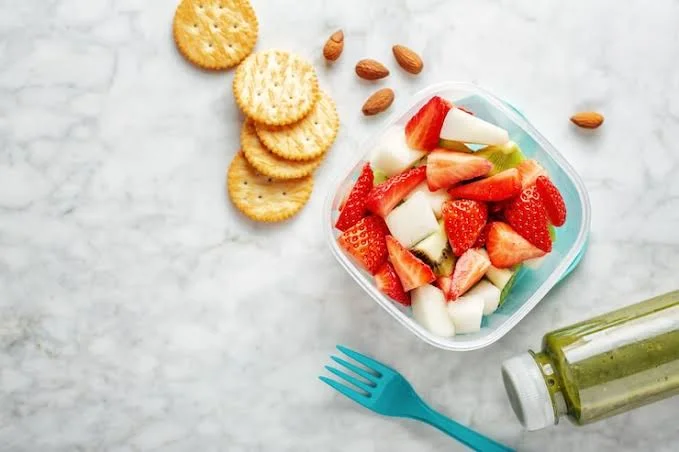
She started swapping those out. One thing at a time. Instead of a cereal bar for breakfast, she made scrambled eggs. Instead of fruit pouches, she gave actual fruit. Instead of crackers, she gave cheese and nuts. Nothing extreme. No elimination diets. Just real food instead of processed food.
Within two months, her daughter stopped getting sick so often. She still got colds. Everyone gets colds. But they were milder. Shorter. She stopped missing so much school. My friend stopped missing so much work. And she did not buy a single supplement.
That is the power of just eating food that looks like food.
The Specific Things That Matter Most
If I had to pick three nutrients that make the biggest difference for kids, I would pick vitamin D, zinc, and probiotics. Not because they are trendy. Because the research is strong.
Vitamin D is a big deal. Most kids do not get enough. Especially in winter. Especially if they live in places with long winters. The body makes vitamin D from sunlight. But kids are inside more than they used to be. They are in school. They are on screens. They are not running around outside from sunrise to sunset like we did.
When vitamin D is low, the immune system does not work as well. It is like trying to start a car with a weak battery. It will turn over eventually. But it struggles. And it might not start at all if it is too cold.
You can get vitamin D from fatty fish like salmon. You can get it from egg yolks. You can get it from fortified milk. But honestly, many kids still need a supplement. I am not saying run out and buy one today. I am saying ask your pediatrician to check your child's levels. It is a simple blood test. Then you will know for sure.
Zinc is another one. It is involved in so many immune processes that researchers call it the gatekeeper. When zinc is low, the immune system cannot sound the alarm properly. It cannot call in the troops fast enough. Good sources include meat, beans, nuts, and whole grains. If your child eats these regularly, they are probably fine. If they are a picky eater who lives on bread and pasta, you might want to look into it.
Probiotics are the good bacteria that live in the gut. And here is something that surprises a lot of parents. About 70% of the immune system lives in the gut. Not in the blood. Not in the lymph nodes. In the gut. So if the gut is not healthy, the immune system is not healthy.
You can get probiotics from yogurt with live cultures. From kefir. From fermented foods like sauerkraut if your kid will eat it. Some kids love it. Some kids look at you like you are crazy. That is fine. You can also find probiotic supplements. But again, talk to your doctor first. Not every probiotic is the same. Some strains work better for kids. Some do nothing.
Sleep Is Not Optional
I know you are tired of hearing about sleep. You have heard it from your doctor. You have heard it from your mother-in-law. You have heard it from every parenting blog on the internet. But I am going to say it again anyway. Sleep is when the immune system does its repair work.
Think of it this way. During the day, your child's body is busy. It is fighting germs, processing food, growing, thinking, moving. It does not have time to do deep maintenance. That happens at night. When they sleep, the body releases cytokines. These are proteins that fight infection. It also produces more white blood cells. The ones that actually kill germs.
If your child does not get enough sleep, they do not get enough of these protective substances. They are walking around with a partly empty tank. And then they catch something, and it hits them harder than it should.
How much sleep does a child actually need? It depends on age. A one-year-old needs about 12 to 16 hours including naps. A six-year-old needs 9 to 12 hours. A fourteen-year-old needs 8 to 10 hours. And yes, teenagers really do need that much sleep. It is not laziness. It is biology.
Getting kids to sleep is another story. I am not going to pretend it is easy. Some nights it is a battle. But there are things that help. A consistent bedtime routine works wonders. The same order every night. Bath, brush teeth, story, lights out. When the brain recognizes the pattern, it starts winding down automatically. Screens are the enemy of sleep. The blue light tricks the brain into thinking it is still daytime. Try to turn off all screens an hour before bed. It is hard. I know. But it makes a huge difference.
Moving Their Bodies
Children are supposed to move. They are not supposed to sit still for hours. Their bodies were designed for running, climbing, jumping, and exploring. When they do not move enough, everything slows down. Their circulation. Their digestion. Their immune response.
Exercise helps the immune system in two main ways. First, it improves circulation. This means immune cells travel through the body more efficiently. They get to where they need to be faster. Second, it reduces stress hormones. And stress hormones can suppress immune function.
You do not need to enroll your child in three sports. You do not need a fancy gym membership. You just need them to move. Running around the backyard counts. Playing tag counts. Dancing in the living room counts. Walking to school counts.
The recommendation is at least 60 minutes of moderate to vigorous activity each day. That sounds like a lot. But when you break it down, it is really not. Ten minutes of running at recess. Fifteen minutes of walking to and from school. Twenty minutes of playing at the park after school. Fifteen minutes of dancing while you make dinner. It adds up.
Outdoor play has extra benefits. Sunlight helps with vitamin D. Fresh air is good for the lungs. And playing in nature exposes children to a variety of harmless microbes. This is not a bad thing. It helps the immune system learn what is dangerous and what is not. That is why some experts say a little dirt is good for kids. I am not saying let them eat mud. But I am saying do not stress if they get their hands dirty.
Handwashing. Simple But Effective.
You have heard this one too. But it really works. It is probably the single most effective thing you can do to prevent illness. And it costs almost nothing.
Germs spread when kids touch surfaces that have germs on them. Then they touch their face. Their eyes. Their nose. Their mouth. The germs enter the body. And the whole cycle starts.
Washing hands with soap and water removes those germs. The key is doing it properly. Twenty seconds of scrubbing. Not five seconds. Not a quick rinse. Sing the alphabet song. Sing Happy Birthday twice. That is about twenty seconds.
The most important times to wash are before eating, after using the bathroom, after playing outside, after touching animals, and when you come home from public places. If soap and water are not available, hand sanitizer with at least 60% alcohol is a good backup.
Teaching kids to cough and sneeze into their elbow is another simple habit. It stops germs from flying through the air. It keeps them off their hands. It prevents them from spreading to others.
These habits are not exciting. They are not trendy. But they are effective. And they are things you can start teaching from a very young age.
A Word About Vaccines
I am going to talk about vaccines because they are part of immune health. And because there is a lot of misinformation out there.
Vaccines work by training the immune system. They introduce a harmless piece of a virus or bacteria. The immune system recognizes it as a threat. It creates antibodies. Those antibodies stay in the body, ready to fight if the real germ ever shows up.
The timing of vaccines is carefully planned. Some vaccines are given at birth because the baby is at immediate risk. Others are given a few months later. The schedule has been studied and adjusted for years. It is safe. It is effective. And it has saved millions of lives.
Yes, vaccines can cause side effects. A sore arm. A mild fever. These are signs that the immune system is working. Serious side effects are extremely rare. Much rarer than the diseases they how to boost immune system in kids naturally.
If you have concerns about vaccines, talk to your pediatrician. They can explain the benefits and risks. They can address your specific questions. But please, get your information from doctors and public health experts. Not from social media. Not from bloggers. Not from celebrities.
You May Also Like: Healthy Weight Gain For Underweight Child
Stress Matters More Than You Think
Children get stressed too. We tend to think of childhood as carefree. But kids feel pressure too. From school. From friendships. From activities. From family expectations. And their bodies respond the same way ours do.
When children are stressed, their bodies release cortisol. Cortisol is a stress hormone. It is useful in small amounts. It helps you respond to danger. But when stress is constant, cortisol stays high. And high cortisol suppresses the immune system.
The result is children who get sick more often. Their immune system is too busy dealing with stress to fight off germs.
Children handle stress better when they feel safe and supported. They need to know they are loved unconditionally. They need time to play and relax. They need adults who listen to them. Who take their feelings seriously.
One of the best things you can do is maintain a predictable routine. Children feel more secure when they know what to expect. Mealtimes. Bedtimes. Playtime. These rhythms create a sense of safety.
Encouraging your child to express their feelings is also important. Let them know it is okay to be sad, angry, or scared. Help them find healthy ways to cope. Whether that is drawing, running, talking, or just sitting quietly.
Environmental Factors You Might Not Think About
There are things in your home that can affect your child's immune system. And you might not even realize they are there.
Indoor air quality is one of them. When windows are closed in winter, the air inside can become dry and stale. Dry air dries out the mucous membranes in the nose and throat. And when those membranes are dry, they cannot trap germs as effectively. Viruses enter the body more easily.
Using a humidifier can help. It keeps the air moist. It keeps your child's airways healthy. Opening windows for even a few minutes each day helps too. It circulates fresh air and reduces indoor pollutants.
Secondhand smoke is harmful to the immune system. It irritates the lungs. It increases the risk of respiratory infections. If you or anyone in your family smokes, now is a good time to stop. Or at least make sure it never happens inside the house or near the children.
Cleaning products can also be an issue. Some contain harsh chemicals that can affect respiratory health. Look for natural alternatives. Vinegar and baking soda clean surprisingly well. You do not need bleach to keep your home safe.
What About Natural Remedies?

I know many parents are interested in natural remedies. Elderberry is popular. Echinacea. Black seed oil. Probiotic gummies. There is a lot of talk about these products.
Here is what I can tell you based on research. Some natural products show promise. Some do not. And some are simply not well studied in children.
Elderberry is widely used for colds. But studies in children are limited. Raw elderberry is toxic. Only cooked or commercially prepared products are safe. And even then, it is not a miracle cure.
Black seed oil has shown some anti-inflammatory properties. One study found it helped children with pneumonia recover faster when used with standard treatment. But that was one study. More research is needed.
Probiotic supplements are probably the most promising. They support the gut microbiome. And the gut is central to immune function. But not all probiotics are the same. Different strains have different effects. And quality varies between brands.
The most important thing is this. Natural remedies should never replace the basics. Food. Sleep. Exercise. Hygiene. Vaccines. These are the foundation. Natural products are extras. Nice to have. But not essential.
And always, always talk to your pediatrician before giving your child any herbal remedy. Some can interact with medications. Some can have side effects. Some are not safe for young children.
Read: Dengue Prevention Tips For Children
A Realistic Daily Routine
I want to give you a sample routine. Not because you have to follow it exactly. But to show you how these pieces fit together.
Morning is a good time to start. Wake up around the same time every day. Eat a breakfast with protein. Eggs. Yogurt. Peanut butter on toast. Something to fuel the body for the day.
If possible, step outside for a few minutes. Let the sun hit your child's face. Morning sunlight helps regulate the body clock. It also helps with vitamin D production.
During the day, focus on balanced meals. A vegetable at lunch. A vegetable at dinner. Protein. Healthy carbs. Water to drink. Sugary drinks are not helping. They add calories without nutrients. And the sugar does no favors for the immune system.
Physical activity should happen naturally. Let kids run. Let them play. Limit screen time. It is not about being strict. It is about creating space for movement.
Evening is wind-down time. Start an hour before bed. No screens. No exciting games. Just quiet activities. A bath. A story. Gentle music. A consistent bedtime routine signals to the body that sleep is coming.
And sleep. As much as your child needs. Not less. Not negotiation.
Wrapping It All Up
You are not going to create a perfect immune system. That is not how bodies work. Your child will get sick sometimes. That is normal. That is part of growing up.
But you can tip the odds in your favor. You can give your child the raw materials they need to fight off illness. You can build habits that support immune function. You can create an environment that promotes health.
It is not about one thing. It is about everything. The food. The sleep. The activity. The hygiene. The stress. The environment. All of it works together.
Start small. Pick one thing to focus on this week. Maybe it is getting your child to bed earlier. Maybe it is adding a vegetable to lunch. Maybe it is going for a walk after dinner. Do not try to change everything at once. That is how people burn out.
Celebrate the small wins. When your child eats a new vegetable. When they go to bed without a fight. When they remember to wash their hands without being reminded. These are victories. They add up.
Other Articles
How Often To Feed Newborn Baby At Night
50 Popular Gujarati Surnames Or Last Names With Meanings