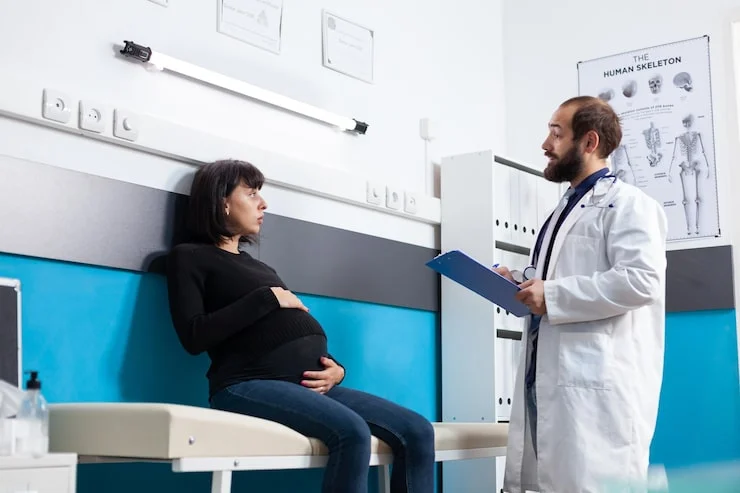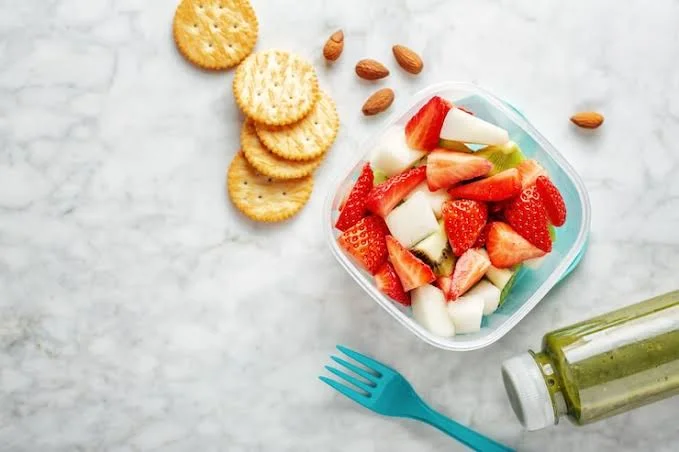


Pregnancy changes everything. Your body, your mood, your energy, and your food choices all shift. What you eat now affects your baby's health for life. Indian food has so many healthy options. But with so much advice everywhere, it gets confusing. This guide cuts through the noise. It gives you a simple, practical diet plan. It tells you what to eat, why to eat it, and how to make it work for you. No complicated science. Just real food for real mothers.
Why Your Diet Matters So Much Right Now?

You are not just eating for yourself anymore. Every bite you take feeds your growing baby. Your body is building bones, muscles, a brain, and a heart. That is hard work. It needs good fuel. Good food helps your baby grow properly. It also keeps your energy up. It helps you handle the changes in your body. Eating well can reduce morning sickness. It can stop constipation. It can keep your mood stable. The food choices you make today affect your health after the baby comes too. So this is not just about nine months. This is about your future and your pregnancy diet chart for indian women.
Read Also: Best Sleeping Position During Pregnancy By Trimester
The Most Important Nutrients You Need
Your body needs certain things more than others right now. Let us look at what they are and where to find them in your daily meals.
Iron Is Your Energy Friend
Iron makes blood. Your body needs more blood during pregnancy. That blood carries oxygen to your baby. Without enough iron, you feel tired all the time. You may get dizzy. This is called anaemia. It is common but can be avoided.
Where do you find iron?
In your kitchen. Spinach is full of iron. So are fenugreek leaves. Lentils like masoor dal have iron. Chickpeas and rajma are good sources. Dates and jaggery give you iron too.
Here is a trick:
Eat iron foods with something that has Vitamin C. Squeeze lemon on your dal. Eat a fruit like orange after your meal. Your body absorbs more iron this way.
Folic Acid Protects Your Baby's Brain
Folic acid is a B vitamin. It is very important in the first few weeks. It helps form your baby's brain and spinal cord. It prevents serious birth defects.
Where do you find folic acid?
Green leafy vegetables are the best. Spinach and methi are great. Moong dal has folic acid. Chickpeas are another good source.
Calcium Keeps Your Bones Strong
Your baby needs calcium for bones and teeth. If you do not eat enough, your body takes calcium from your own bones. This can cause problems later in life.
Where do you find calcium?
Milk is the easiest source. Yogurt and paneer are full of calcium. Ragi is a millet that has lots of calcium. Sesame seeds are also rich in this mineral.
Vitamin D Helps Calcium Work
Calcium cannot do its job without Vitamin D. Your body makes Vitamin D from sunlight. So spend some time in the morning sun. You can also get it from eggs and fatty fish.
Protein Builds Your Baby's Body
Every cell in your baby's body needs protein. It builds muscles, organs, and skin. Your own body needs protein too. Your uterus grows. Your breasts change. Protein supports all of this.
Where do you find protein?
Dal is a protein powerhouse. Every type of dal works. Paneer has protein. Yogurt and milk have it. Eggs and chicken are good sources too. Rajma and chole are packed with protein.
DHA Makes Your Baby Smart
DHA is a type of fat. It is essential for brain development. It helps your baby's eyes develop too.
Where do you find DHA?
Walnuts are great. Flaxseeds are another source. Chia seeds have DHA. If you eat fish, choose fatty fish like salmon.
Fiber Keeps Your Digestion Smooth
Constipation is a common problem in pregnancy. Fiber helps with this. It keeps things moving in your digestive system.
Where do you find fiber?
Whole grains are full of fiber. Oats, brown rice, and whole wheat rotis are good choices. Fruits and vegetables give you fiber. Lentils also have fiber.
Foods You Should Eat Every Day
Let us make a list. These are the foods you should include in your daily diet.
Vegetables of All Colors
Eat different colored vegetables. Green spinach, orange carrots, red tomatoes. Each color gives you different vitamins. Eat them cooked or in salads. Make sure they are washed well.
Fresh Fruits
Fruits give you vitamins and fiber. Eat apples, bananas, oranges, and pears. Seasonal fruits are the best. They are fresh and full of nutrients.
Whole Grains
Choose brown rice over white rice. Choose whole wheat rotis. Eat oats for breakfast. These give you steady energy throughout the day.
Lentils and Legumes
Dal should be part of your lunch and dinner. Moong dal, masoor dal, toor dal. Rajma and chole are great too. They give you protein and iron.
Dairy Products
Drink milk every day. Eat curd with your meals. Add paneer to your vegetables. These are excellent sources of calcium.
Nuts and Seeds
Eat a handful of almonds every morning. Add walnuts to your snacks. Sprinkle flaxseeds on your food. These give you healthy fats.
Good Fats
Ghee is good in small amounts. Use it to cook. It is rich in nutrients. It helps with digestion too.
Foods You Must Avoid During Pregnancy
Some foods can harm your baby. It is important to know which ones to stay away from.
Raw or Undercooked Food
Never eat raw meat or fish. They can carry bacteria. These bacteria can cause infections. Infections can hurt your baby. Cook all meat and fish completely.
Raw Eggs
Do not eat raw eggs. They may have salmonella. This is a bacteria that can make you very sick. Make sure eggs are cooked until both the white and pregnancy diet chart for indian women.
Unpasteurized Dairy
Only drink milk that is pasteurized. This means it has been heated to kill germs. Unpasteurized milk can have harmful bacteria.
Too Much Caffeine
Coffee and tea have caffeine. Too much caffeine is not good for your baby. Limit yourself to one small cup a day.
Street Food
It is tempting but risky. You do not know how it was prepared. Food poisoning is more dangerous during pregnancy. It is better to eat home-cooked food.
High-Mercury Fish
Some fish have high levels of mercury. Mercury can affect your baby's brain. Avoid shark, swordfish, and king mackerel. Tuna also has mercury so eat it only once in a while.
Unripe Papaya
Unripe papaya has a substance that can cause contractions. It can be dangerous in early pregnancy. Avoid it completely.
Too Many Sweets
Sweet things are tasty. But they cause weight gain. They can also lead to gestational diabetes. Eat sweets rarely, not every day.
Alcohol and Tobacco
There is no safe amount. Alcohol can harm your baby's brain. Smoking affects the baby's growth. You must avoid both completely.
You May Also Like: Pregnancy Back Pain While Sleeping
First Trimester Diet: The First Three Months
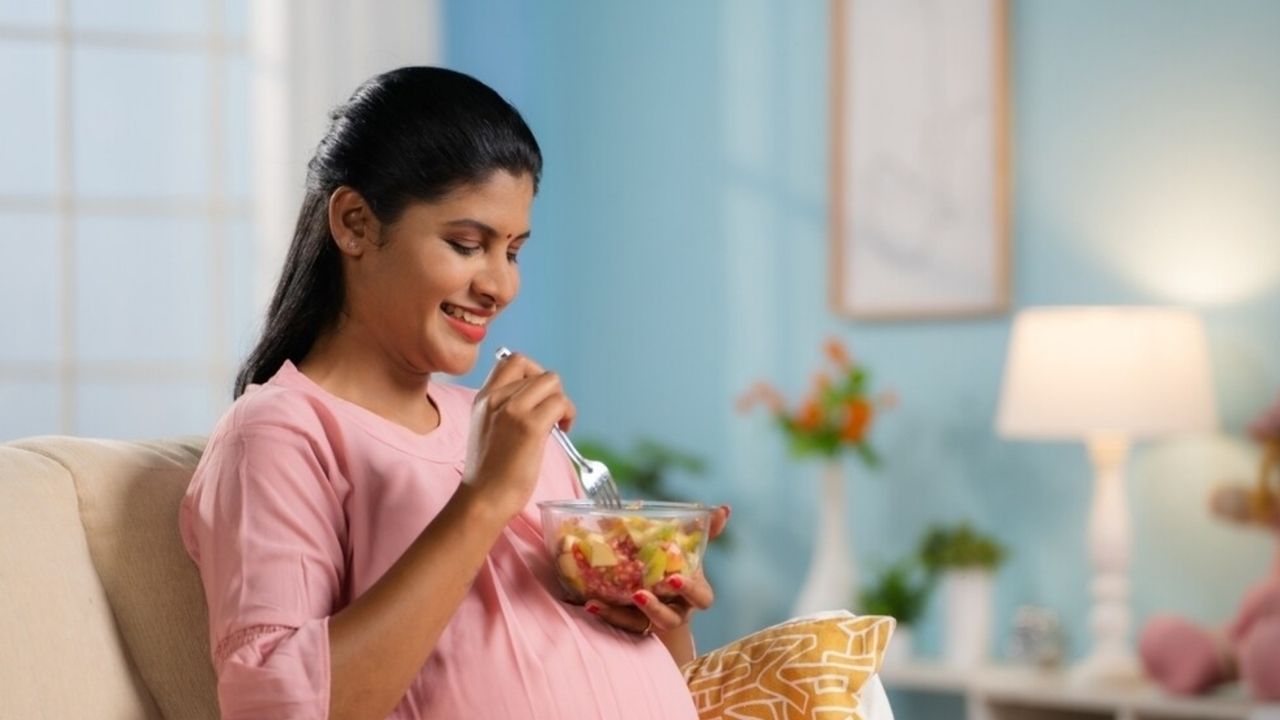
The first trimester is from week one to week twelve. This is when your baby's organs form. The brain, heart, and spine start developing. Folic acid is most important now.
What Happens to Your Body
Morning sickness is common. You may feel tired. Your sense of smell may change. Some foods that you loved before may now make you feel sick.
What to Eat
Eat small meals. Do not force yourself to eat large portions. Ginger helps with nausea. Lemon water can settle your stomach.
Sample Meal Plan for First Trimester
Early Morning
Start with something light. Warm milk with almonds is good. If milk makes you feel sick, try plain toast or a rusk first. Then have the milk later.
Breakfast
Have a bowl of vegetable poha. It is light and easy to digest. Moong dal cheela is another great choice. It has protein and fiber. Eat it with mint chutney.
Mid-Morning Snack
Eat a fresh fruit. Apple or banana works well. You can also have a handful of roasted chana.
Lunch
Eat two soft rotis. Have a simple dal like moong dal. Add a vegetable sabzi. Eat some curd with your meal. This gives you protein, fiber, and calcium.
Evening Snack
Drink a glass of coconut water. It is refreshing and gives you electrolytes. You can also have a small fruit.
Dinner
Keep it light. Khichdi is perfect. It is easy to digest. You can also have a bowl of soup. Make sure it is not too spicy.
Important Tips for This Trimester
Eat five to six small meals. This helps with nausea. Drink ginger tea. It can calm your stomach. Avoid oily and spicy food. They can make nausea worse.
Second Trimester Diet: The Middle Three Months
The second trimester is from week thirteen to week twenty-seven. Morning sickness usually fades. Your energy comes back. Your baby starts growing fast.
What Happens to Your Body
You will feel better now. Your belly starts showing. Your appetite increases. You may feel hungrier than before.
What to Eat
This is the time to eat more. You need about three hundred extra calories each day. Focus on protein, iron, and calcium. These are needed for your baby's growth.
Sample Meal Plan for Second Trimester
Early Morning
Start with warm milk. Add a few soaked walnuts. They give you DHA for your baby's brain.
Breakfast
Have two stuffed paneer parathas. They are filling and tasty. Vegetable upma is another good option. Eat it with curd. You can also have a bowl of oats porridge with fruits.
Mid-Morning Snack
Eat a bowl of fresh fruit. You can also drink a glass of buttermilk. Buttermilk helps with digestion.
Lunch
Eat two whole wheat rotis. Have a cup of dal. Add a green vegetable sabzi. Palak paneer or methi sabzi are great choices. Do not forget curd and a salad.
Evening Snack
Eat a handful of roasted makhana. You can also have a ragi cookie with milk. Fruit chaat is another tasty option. A vegetable sandwich is also good.
Dinner
Have brown rice with a chicken or fish curry. Make sure the meat is fully cooked. If you are vegetarian, have paneer bhurji with soft rotis. End with a bowl of curd.
Before Bed
Drink a glass of warm milk. You can add a pinch of turmeric to it. Turmeric is good for inflammation.
Important Tips for This Trimester
Include protein in every meal. Eat calcium-rich foods every day. Make sure you get enough iron. Drink water throughout the day.
Third Trimester Diet: The Last Three Months
The third trimester is from week twenty-eight to week forty. Your baby is gaining weight. The organs mature. You are preparing for delivery.
What Happens to Your Body?
You may feel tired again. Your stomach feels full quickly. The baby is pressing against your stomach. Heartburn may happen.
What to Eat
Focus on DHA, calcium, and iron. Your baby's brain is developing fast. Eat small meals again. Do not eat too much at one time.
Sample Meal Plan for Third Trimester
Early Morning
Drink warm water with lemon. This helps with digestion. Eat a handful of mixed nuts.
Breakfast
Have a whole wheat paratha with paneer. This gives you energy and protein. Eat it with curd.
Mid-Morning Snack
Eat a bowl of seasonal fruits. You can also have a fruit smoothie with yogurt. This is a good way to get calcium.
Lunch
Eat chapati with a legume curry. Rajma or chole are great. Add a green vegetable sabzi. Have a side of salad and curd.
Evening Snack
Eat some makhana. They are light and healthy. You can also have a handful of nuts. Green tea with a small snack works too.
Dinner
Have chapati with dal and vegetable curry. Khichdi with vegetables is a good option. It is light and easy to digest.
Before Bed
Drink a glass of warm milk with almonds. It helps you sleep well.
Important Tips for This Trimester
Eat foods that give you energy. Ghee is good in small amounts. Increase your fiber intake to avoid constipation. Drink plenty of water every day.
Common Problems and How Diet Can Help
Pregnancy comes with some discomforts. Food can help you manage them.
Morning Sickness
Eat small meals frequently. Do not let your stomach become empty. Eat plain foods like toast or khichdi. Ginger tea is calming. Lemon water also helps.
Constipation
Fiber is your solution. Eat more fruits, vegetables, and whole grains. Drink at least eight glasses of water every day. This softens your stool.
Heartburn
Do not eat large meals. Eat slowly. Do not lie down right after eating. Avoid spicy and oily foods.
Fatigue
You may feel tired all the time. This could be low iron. Eat more iron-rich foods. Dates and jaggery give quick energy. Rest when you need to.
Hydration Is Just as Important as Food
Water is essential during pregnancy. Your body needs more water to make extra blood. Water keeps the amniotic fluid at the right level. It prevents constipation. It reduces the risk of urinary infections.
How much should you drink? At least eight to ten glasses a day. You can also drink coconut water. Buttermilk is another good choice. Soups also add to your fluid intake.
Indian Superfoods for Pregnancy
Indian food has some special superfoods. These are good for you and your baby.
Ghee
Ghee is clarified butter. It is rich in vitamins. It helps the baby's brain develop. Eat it in small amounts. Use it in cooking or add it to your dal.
Ragi
Ragi is finger millet. It is one of the best sources of calcium. It is also rich in iron. You can eat it as porridge or make ragi rotis.
Til
Til is sesame seeds. They have calcium and iron. You can add them to your vegetables. You can also make til laddoos.
Amla
Amla is Indian gooseberry. It is full of Vitamin C. Vitamin C helps your body absorb iron. You can eat it raw or drink its juice.
Methi
Methi or fenugreek leaves are packed with iron and folic acid. Use them in your sabzis. They are also good for milk production after delivery.
How to Plan Your Daily Meals?
Planning helps you eat well. Here is how you can plan your day.
Start your day with a glass of milk or lemon water. Have a good breakfast. It sets the tone for the whole day. Eat a mid-morning snack. Have a balanced lunch. Eat a snack in the evening. Keep dinner light. Have a glass of milk before sleeping.
This is the basic structure. You can change it based on your hunger. You can also change it based on what is available.
When to See a Doctor or Nutritionist?
This guide gives you general advice. But every pregnancy is different. Listen to your body. If you have health issues, talk to your doctor. If you have a high-risk pregnancy, you need special care. A nutritionist can make a diet plan for your specific needs.
If you crave non-food items like clay or chalk, tell your doctor. This can be a sign of iron deficiency. It needs to be addressed.
FAQs
What if I do not like milk?
You can eat curd instead. Paneer also gives you calcium. Ragi and sesame seeds are good plant-based sources.
Can I eat non-vegetarian food?
Yes, if you ate it before. Make sure it is fully cooked. Avoid raw or undercooked meat. Avoid fish with high mercury.
How much weight should I gain?
This depends on your weight before pregnancy. Usually, women gain between 10 to 14 kilograms. But every woman is different. Ask your doctor for a number that is right for you.
Can I eat sweets?
You can eat them sometimes. Do not make it a daily habit. Too much sugar leads to weight gain and gestational diabetes.
Is it safe to eat pickles?
Pickles are salty and spicy. They do not have much nutrition. Eating too many is not good because of the salt and oil.
Can I eat papaya?
Ripe papaya is safe. Unripe papaya is not. Do not eat it in the first trimester at all.
Is ginger tea safe?
Yes, ginger tea is safe. It helps with nausea. Do not have too much. One or two cups a day is fine.
Can I drink coffee?
Limit it to one small cup a day. Too much caffeine is not good for the baby.
What about exercise?
Walking is good for you. It keeps you active and helps you sleep better. Do not do heavy exercises without asking your doctor.
How soon should I start eating well?
As soon as you know you are pregnant. If you are planning to get pregnant, start eating well before that.
A Simple Food Chart to Follow
Here is a quick recap of what your day can look like. You can adjust it based on what works for you.
Early Morning
Milk with almonds or lemon water
Breakfast
Poha, upma, or stuffed parathas
Mid-Morning
Fruit or buttermilk
Lunch
Rotis or rice with dal, vegetable sabzi, curd, and salad
Evening Snack
Roasted chana, makhana, or nuts
Dinner
Khichdi or roti with dal and vegetable
Before Bed
Warm milk
This chart is a guide. The portions depend on your hunger. Always listen to your body.
Final Thoughts
Eating well during pregnancy is not about following strict rules. It is about making good choices. Choose whole foods. Choose fresh foods. Cook at home whenever you can. Include all the important nutrients. Drink enough water. Rest when you need to.
Your body is doing amazing work. It is growing a new life. It deserves good fuel. When you eat well, you feel better. Your baby grows better. This is the best gift you can give yourself and your baby.
Other Articles

How To Sleep Better During Pregnancy First Trimester
50 Popular Gujarati Surnames Or Last Names With Meanings