
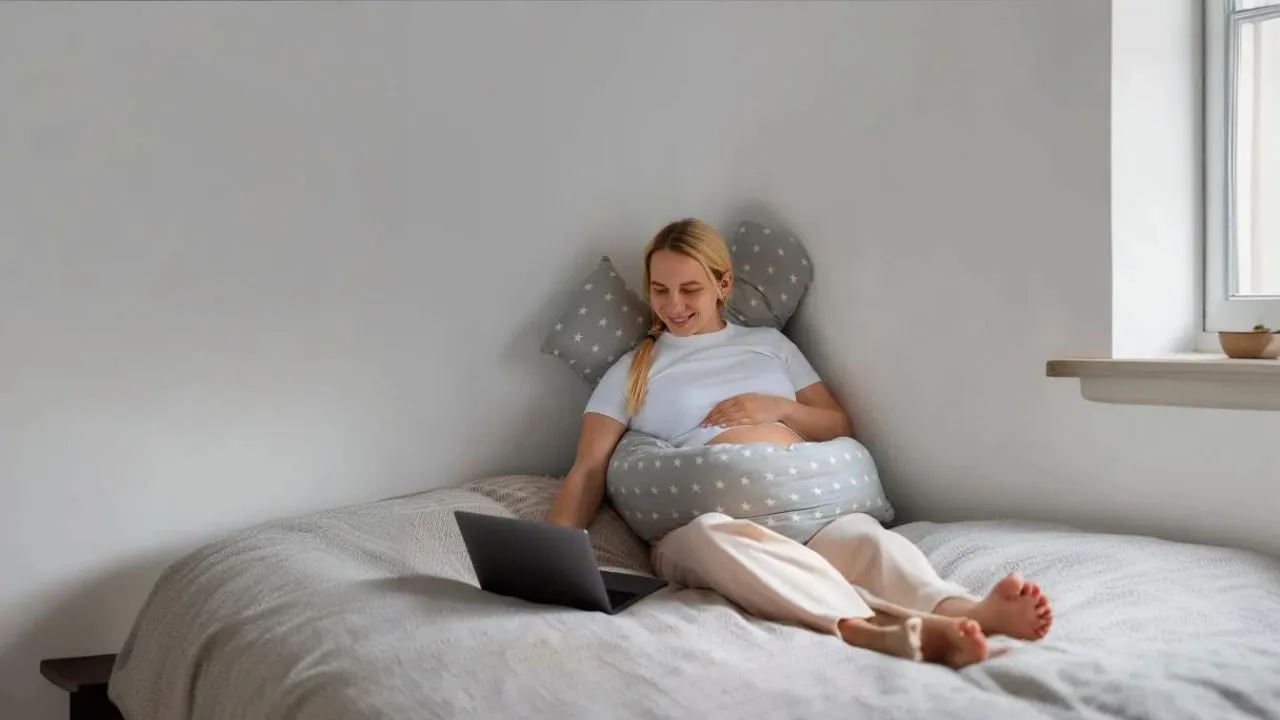
Sleeping well when you are pregnant can feel like a challenge. Your body is changing every day, and what felt comfortable last week might not work tonight. You may have heard that you need to sleep in a certain way to keep your baby safe, but you might not know exactly what that means or why it matters.
The way you sleep does affect your baby. The way you sleep affects your blood flow. The way you sleep affects how you feel the next morning. When you know the right position for each stage of pregnancy, you can rest better and best sleeping position during pregnancy by trimester.
This guide covers every trimester in detail. It gives you clear answers about what works and what does not. It also explains why some positions are better than others, using simple language and real medical facts. By the time you finish reading, you will know exactly how to position your body for the best sleep possible, from the first weeks to the final days before delivery.
Why Sleeping Position Matters for You and Your Baby?
Sleep is when your body repairs itself. During pregnancy, sleep is when your baby grows the most. The position you choose affects blood flow, oxygen delivery, and how your organs function throughout the night.
When you lie flat on your back in the later stages, your growing uterus presses against a major blood vessel called the inferior vena cava . This vessel carries blood from your lower body back to your heart. When pressure builds on this vessel, less blood reaches your heart, which means less blood reaches your baby . This is why the conversation about sleeping position becomes more important as your pregnancy advances.
The Inferior Vena Cava and Blood Flow
The inferior vena cava runs along the right side of your spine. It is a large vein that moves blood from your legs, pelvis, and abdomen back to your heart. When your uterus gets heavier, lying on your back lets the weight of the baby press directly on this vein . This does not always cause problems immediately, but over time, it can reduce the blood supply to the placenta.
Good blood flow matters because it carries oxygen and nutrients. Your baby needs these to grow and develop. When blood flow drops, even slightly, your baby may receive less of what they need. This is why doctors recommend avoiding the back position after a certain point.
Read Also: Pregnancy Diet Chart For First Trimester
Research on Sleep Position and Pregnancy Outcomes
Recent research has found real links between sleep position and pregnancy outcomes. A 2025 meta-analysis showed that compared with the left side position, the back position was associated with stillbirth . The same analysis noted that the back position was linked to giving birth to a small baby . These findings are based on going-to-sleep position, not the position you wake up in.
Other studies have shown similar results. Data from the National Institutes of Health collected from over 2,000 pregnant women found that right-side sleeping was comparable to left-side in terms of outcomes . The key is avoiding the back position, not perfectly staying on one specific side.
When Sleep Position Becomes Critical
The evidence shows that before 28 weeks, sleeping position does not affect pregnancy outcomes . Your uterus is still small enough that it does not compress blood vessels in a significant way. Starting at 28 weeks, the recommendations become more important . This is when the uterus has grown large enough to press on the inferior vena cava.
This timeline gives you a clear guide. You do not need to worry about position in the first trimester. You can gradually transition to side sleeping in the second trimester. By the third trimester, side sleeping should be your default choice.
Best Sleeping Positions by Trimester
Each trimester brings new changes and new needs. The first trimester allows the most freedom. The second trimester requires some adjustments. The third trimester needs the most careful attention.
First Trimester (Weeks 1 to 13)
During the first trimester, you can sleep in any position that feels comfortable. Your uterus is still small and sits inside your pelvis. It is protected by the bones of your pelvis and does not press on any major blood vessels .
This means you can sleep on your back, your side, or your stomach. If you are a stomach sleeper, this is the time to enjoy it. The position will likely become uncomfortable later, but for now, it is completely safe .
What Sleep Problems to Expect in the First Trimester
The first trimester does bring sleep challenges, but they are rarely about position. You may face nausea, frequent urination, or breast tenderness. These can wake you up during the night. You might also feel extreme fatigue during the day.
If nausea bothers you at night, try elevating your upper body slightly. A gentle incline can reduce acid reflux. This is a simple way to sleep better without worrying about your position.
Why You Should Start Practicing Side Sleeping Early
Even though you can sleep in any position, it is smart to start practicing side sleeping now. This helps you build a habit that will serve you later. When side sleeping becomes important in the second and third trimesters, it will already feel natural.
You do not need to force yourself to stay on one side all night. Just try to fall asleep on your side. If you shift positions during the night, that is fine. The goal is to start training your body gently.
Second Trimester (Weeks 14 to 27)
The second trimester is when sleeping position starts to matter. Your uterus is growing beyond the pelvis and moving up into your abdomen. It no longer sits behind the protection of your pelvic bones.
This is the time to transition away from back sleeping. Most obstetric guidance recommends moving away from the back position by around 20 weeks . Your uterus is now heavy enough to press on the inferior vena cava. While this pressure may not be dangerous yet, it is good to build the habit.
Why Side Sleeping Becomes Important Now
Side sleeping takes the weight off your major blood vessels. It allows blood to flow freely from your lower body back to your heart. This means your heart can pump more blood to your placenta and baby.
Sleeping on your left side offers additional benefits. The left side improves kidney function . This helps your body process waste and fluid, reducing swelling in your hands and feet . For many women, this is the first time they notice less puffiness in the morning.
Stomach Sleeping in the Second Trimester
Stomach sleeping becomes less comfortable around this time. Your growing bump makes it awkward to lie flat on your stomach. Some women find it uncomfortable on their breasts or lower back.
You do not need to avoid stomach sleeping for safety reasons. It is mostly a matter of comfort. If you can still sleep on your stomach and feel fine, it is okay. Most women naturally stop because it stops feeling good.
What to Do If You Wake Up on Your Back
Waking up on your back is very common. Do not panic if this happens. Your body often shifts positions during sleep, and you cannot control every movement.
When you wake up on your back, simply roll onto your side. There is no need to worry about harm. Waking up on your back does not mean you harmed your baby . The guidance about back sleeping is about reducing cumulative pressure over time, not about one moment of rolling over.
Pillow Support for the Second Trimester
The second trimester is when pillows become your best friend. You may start to feel hip discomfort or lower back pain. Pillows can help relieve this pressure and keep you comfortable.
Place a pillow between your knees to keep your hips in neutral alignment . This takes pressure off your lower back and makes side sleeping more comfortable. You can also use a small pillow under your belly to support the growing bump . If you tend to roll to your back, put a pillow behind your back to create a gentle barrier.
Third Trimester (Weeks 28 to 40)
The third trimester is when sleep position matters most. The weight of your uterus is at its peak. The pressure on your blood vessels is greatest. Side sleeping is the clear recommendation.
Starting at 28 weeks, experts advise avoiding the back position. The NHS specifically recommends going to sleep on your side from this point . The American College of Obstetricians and Gynecologists supports this guidance .
Why the Third Trimester Requires Side Sleeping
By 28 weeks, your uterus can weigh several kilograms. When you lie flat on your back, this weight presses directly on the inferior vena cava . This can significantly reduce blood flow to your heart and placenta.
The research from 2025 shows a clear link between back sleeping and stillbirth risk . This does not mean that back sleeping causes stillbirth, but the association is strong enough that doctors recommend avoiding it. The data shows an adjusted odds ratio of 2.63 compared with left-side sleeping . This is not a small difference.
Left Side versus Right Side in the Third Trimester
Left-side sleeping is often described as the best position. It offers the most direct benefit for blood flow. It reduces pressure on the vena cava more than right-side sleeping.
However, right-side sleeping is also safe . A 2025 meta-analysis found that going to sleep on the right side appears equally safe as the left . This is important because some women find the right side more comfortable for certain conditions like heartburn.
If you have heartburn, you may find that the left side helps more. If your left hip hurts, the right side might feel better. The key is to side-sleep, not to obsess over which side you use.
Using Pillows for Maximum Support
The third trimester requires a robust pillow setup. You will likely need more support than in the second trimester. Many women use multiple pillows to stay comfortable through the night.
Place a pillow between your knees to support your hips . Use a pillow under your belly to support the weight of your bump. Put a pillow behind your back to prevent rolling onto your back .
A pregnancy pillow can simplify this process. Full-body pillows come in C, U, or J shapes. They support multiple areas at once and can reduce the need for several separate pillows .
What If You Wake Up on Your Back in the Third Trimester?
Waking up on your back in the third trimester does not mean you caused harm. Your body often wakes you up when something feels wrong. Your baby is also resilient and can handle short periods of reduced flow.
When you wake on your back, simply roll onto your side . That is enough. Do not spend the rest of the night worrying. The guidance is about the position you fall asleep in, not the position you find yourself in later.
You May Also Like: Pregnancy Meditation For Beginners
Sleeping Positions to Avoid
While most positions are fine in early pregnancy, some become risky later. Understanding which positions to avoid and why can help you make better choices.
Back Sleeping (Supine Position)
Back sleeping is the main position to avoid in late pregnancy. Lying flat on your back allows your uterus to press on the inferior vena cava. This reduces blood return to your heart, which can reduce blood flow to your baby .
The risk is highest from 28 weeks onward. This is when the uterus is large and heavy enough to cause real pressure. Research shows that going to sleep in the back position is associated with stillbirth and giving birth to a small baby .
Symptoms to Watch for on Your Back
Some women feel symptoms when lying on their back. You might feel dizzy, short of breath, or lightheaded . These are signs that your blood pressure has dropped due to vena cava compression. If you feel these symptoms, roll to your side immediately.
Not every woman experiences symptoms. Some can lie on their back and feel nothing unusual. This does not mean the position is safe. The pressure on the vena cava can still reduce blood flow without causing noticeable symptoms.
Stomach Sleeping
Stomach sleeping is not a safety concern. It is usually a comfort concern. As your bump grows, lying on your stomach becomes physically awkward.
In the first trimester, stomach sleeping is fine. Your uterus is still small and protected. In the second and third trimesters, you will likely stop because it does not feel good.
You do not need to worry about harming your baby if you sleep on your stomach. The uterus and amniotic fluid protect your baby well. If the position hurts you or feels uncomfortable, simply choose another position.
Right Side Dominance
Right-side sleeping is not dangerous. Research shows that it is equally safe compared with left-side sleeping . However, some guidelines suggest that the left side is slightly better for the best sleeping position during pregnancy by trimester.
If you spend the entire night on your right side, your baby is not at risk. If you prefer the right side because it is more comfortable, use it. The most important thing is to side-sleep at all.
Pillow Setups That Actually Help
Pillows can transform your sleep. The right support can reduce pain, improve alignment, and help you stay on your side.
Basic Pillow Placement
Three key placements can make a big difference:
- A pillow between your knees helps align your hips . This reduces lower back strain and prevents hip pain.
- A pillow under your belly lifts the weight of your uterus . This reduces pulling on your ligaments and makes side sleeping feel more stable.
- A pillow behind your back prevents you from rolling onto your back . This creates a physical barrier and gives you something to lean against for support.
Types of Pregnancy Pillows
Full-body maternity pillows come in several shapes. Each has different benefits.
C-shaped pillows curve around your body. They support your head, back, and knees at the same time . These are good for women who want all-around support without needing multiple pillows.
U-shaped pillows wrap around both sides of your body. They support your back and belly no matter which side you sleep on . If you move between sides during the night, this shape is convenient.
J-shaped pillows provide support on one side. They work well for women who consistently sleep on one side and do not need full-back support.
I-shaped pillows are straight body pillows. They are simpler and less bulky. They work well for women with smaller beds or lighter support needs.
Regular Pillow Alternatives
You do not need to buy a pregnancy pillow. Regular pillows can work just as well. A randomized trial showed that pregnancy pillows and regular pillows were equally effective at reducing back sleeping in late pregnancy .
Use standard pillows between your knees, under your belly, and behind your back. This setup is budget-friendly and often more adjustable. You can arrange pillows exactly where you need them.
Sleep Problems and Their Solutions
Pregnancy brings many sleep problems. Some are linked to position, and others are linked to hormones or your growing baby.
Back Pain
Back pain is common in pregnancy. More than 78 percent of pregnant women experience back pain at some point . Sleep position can make it worse or better.
Side sleeping with a pillow between your knees is the best solution . This keeps your spine in neutral alignment. It reduces twisting through your pelvis and lower spine.
If you have severe lower back pain, try a wedge under your belly. This takes weight off your lumbar spine. It can provide noticeable relief.
Heartburn and Acid Reflux
Heartburn is very common in late pregnancy. Your growing uterus pushes against your stomach, forcing acid upward. Sleeping position can reduce or worsen symptoms.
Side sleeping helps reduce reflux. Lying on the left side is often better for heartburn than the right . Elevating your upper body with pillows also helps by keeping acid down.
Avoid lying down immediately after meals. Skip heavy, spicy foods close to bedtime . These habits make a noticeable difference.
Shortness of Breath
Some women feel short of breath when lying flat. Your uterus can press against your diaphragm, making it harder to breathe. Side sleeping with elevation helps solve this.
Prop your upper body with pillows to create a gentle incline . This allows your diaphragm to expand fully. It also reduces pressure on your lungs.
Hip Pain
Hip pain from side sleeping is common. Pressure on your hip joint can become uncomfortable during long nights. The solution is a pillow between your knees and a softer sleeping surface.
A pillow between the knees keeps your hips aligned . This reduces strain on the hip joint. A mattress that is too firm can create pressure points. A mattress that is too soft can cause your hips to sink . Find a balance that feels comfortable.
Leg Cramps
Leg cramps often wake pregnant women at night. They can be caused by changes in circulation or mineral levels. Stretching your calves before bed can help .
Prop your legs up with a pillow at night. This supports circulation and reduces cramping. Staying hydrated during the day also helps prevent cramps.
Common Questions About Pregnancy Sleep
Many women have the same questions about sleep position. Here are answers based on current medical evidence.
Is It Safe to Sleep on My Stomach While Pregnant?
Yes, in the first trimester. Stomach sleeping is not dangerous in early pregnancy. As your bump grows, you will likely stop because it feels uncomfortable. There is no safety concern about stomach sleeping at any stage.
Can I Sleep on My Back in the Third Trimester?
No, you should avoid going to sleep on your back after 28 weeks. The research shows an association with stillbirth and small babies . If you wake up on your back, simply roll onto your side. This is not an emergency, but it is a habit to change.
Do I Have to Sleep Only on My Left Side?
No. Right-side sleeping is also safe. Research shows that both sides are equally safe in terms of pregnancy outcomes . If you prefer the right side, use it. Some women find the left side helps with heartburn, but that is a comfort issue, not a safety one.
What If I Wake Up on My Back?
Waking up on your back is normal. Your body shifts during sleep, and you cannot control every movement. When you wake up, simply shift back to your side. There is no reason to panic or assume you harmed your baby .
Can Poor Sleep Affect Labor and Delivery?
Yes, research shows that poor sleep can affect labor. Women who sleep less than six hours per night have longer active labors . They are also more likely to need a cesarean section . Getting enough quality sleep matters for delivery as well as pregnancy.
Should I Use a Pregnancy Pillow?
A pregnancy pillow can help, but it is not necessary. Regular pillows can provide the same support. A randomized trial showed that both types were equally effective at reducing back sleeping . Choose what feels comfortable and fits your budget.
Does Sleep Position Affect Baby Movement?
Yes, sleep position can affect how your baby moves. When you lie on your back in late pregnancy, it can restrict blood and oxygen flow to your baby . This may reduce movement. If you notice less movement, check your position and ensure you are side sleeping.
Tips for Better Sleep During Pregnancy
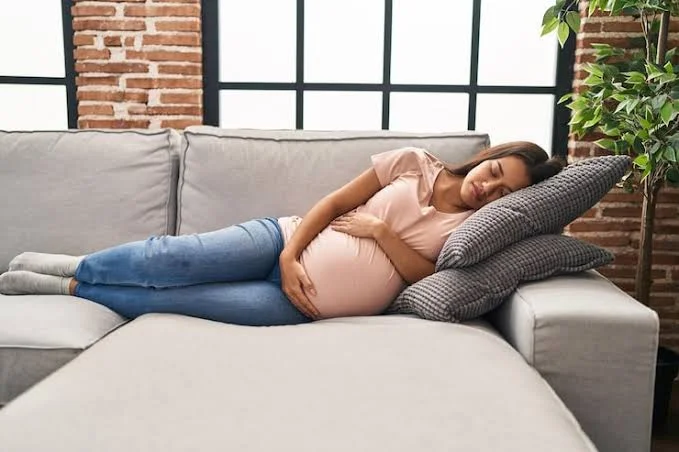
Beyond position, other habits can improve your sleep. These tips address common issues and help you get more rest.
Stick to a Consistent Schedule
Going to bed and waking up at the same time helps regulate your body clock. This can improve sleep quality over time . Consistency matters more than the exact time you choose.
Limit Caffeine and Heavy Meals
Caffeine can keep you awake at night. Heavy meals can cause heartburn. Skip both close to bedtime . This reduces disruptions during the night.
Use the Bathroom Before Bed
Frequent urination is common in pregnancy. Using the bathroom right before bed can reduce nighttime trips . This helps you sleep for longer stretches.
Gentle Stretching Before Bed
Stretching releases tension in your muscles. This can help you fall asleep faster and reduce nighttime cramps . Gentle stretches in the evening are safe with your doctor's approval.
Talk to Your Doctor
If you have ongoing sleep problems, talk to your doctor. They can assess if there is an underlying issue. They can also give personalized advice for your specific condition .
What to Do If You Wake Up in the Wrong Position?
Waking up on your back is a common concern. The key is to handle it calmly and without panic.
Roll Back to Your Side
When you wake on your back, simply roll to your side. Do this gently and without rushing. You do not need to start the night over.
Do Not Worry About the Past
The position you woke up in is not the position you slept in all night. You likely spent most of the night on your side. One moment of back sleeping does not cause harm .
Use Pillows to Prevent Rolling
If you keep waking on your back, use a pillow behind you. This creates a physical barrier. It makes it harder to roll onto your back during sleep .
Trust Your Body
Your body often wakes you up when something is wrong. If you wake on your back, it may be because your body sensed the pressure and shifted. This is a normal protective mechanism .
Conclusion
Finding the best sleeping position during pregnancy changes as your body changes. In the first trimester, you have freedom to sleep in any comfortable position. In the second trimester, transitioning to side sleeping becomes important. In the third trimester, side sleeping is the clear recommendation for safety and comfort.
Left-side sleeping offers the most benefits, but right-side sleeping is also safe. What matters most is avoiding the back position from 28 weeks onward. Pillows can make side sleeping more comfortable. Simple support between your knees, under your belly, and behind your back can transform your nights.
You do not need to be perfect. Waking up on your back is normal and not harmful. Just roll back to your side and continue sleeping. Your body and your baby are resilient, and you are doing your best.
Sleep matters for both you and your baby. Quality rest supports your health and your baby's development. It also affects your labor and delivery experience. By understanding the right positions for each trimester, you can sleep better and worry less.
If you have questions or concerns, talk to your doctor. They can give you personalized guidance based on your specific pregnancy. You are not alone in this journey, and support is always available.
Frequently Asked Questions
What is the best sleeping position during pregnancy?
The best sleeping position during pregnancy is on your side, especially the left side. The left side improves blood flow, reduces swelling, and supports kidney function . Right-side sleeping is also safe if that is more comfortable . Avoid sleeping on your back after 28 weeks.
Can I sleep on my stomach while pregnant?
Yes, you can sleep on your stomach in the first trimester. Your uterus is still small and protected in your pelvis . As you progress, stomach sleeping may become uncomfortable. There is no safety concern about stomach sleeping at any stage.
Is sleeping on my right side safe during pregnancy?
Yes, right-side sleeping is safe. Research shows that the right side is comparable to the left in terms of safety . If you have heartburn, you may find the left side more comfortable, but both are safe for your baby.
What happens if I sleep on my back while pregnant?
Sleeping on your back can reduce blood flow to your baby by pressing on the inferior vena cava. This is most concerning after 28 weeks . If you wake on your back, roll to your side. One instance of back sleeping is not a cause for concern .
When should I stop sleeping on my back?
You should avoid going to sleep on your back starting at 28 weeks of pregnancy. Research shows that back sleeping from this point is associated with stillbirth and small babies . If you wake on your back, simply roll to your side.
How can I stay on my side while sleeping?
Use pillows to support your position. Place a pillow between your knees, under your belly, and behind your back . This creates a barrier and makes side sleeping more comfortable. Pregnancy pillows can also help.
Do I need a pregnancy pillow?
No, you can use regular pillows. A randomized trial showed that pregnancy pillows and regular pillows were equally effective at reducing back sleeping . Choose what fits your budget and comfort needs.
Does sleep position affect my baby?
Yes, sleep position can affect your baby. Back sleeping after 28 weeks can reduce blood and oxygen flow to your baby . Side sleeping supports optimal blood flow to the placenta and baby .
Why is left-side sleeping recommended?
Left-side sleeping is recommended because it keeps the uterus from pressing on the inferior vena cava . It also improves kidney function and reduces swelling . Left-side sleeping supports the best blood flow to the placenta.
Can I change positions during the night?
Yes, you will naturally change positions during the night. You do not need to stay in one position all night. Focus on going to sleep on your side and roll back to your side if you wake in another position .
Other Articles
Daily Routine For Healthy Child
50 Popular Gujarati Surnames Or Last Names With Meanings