

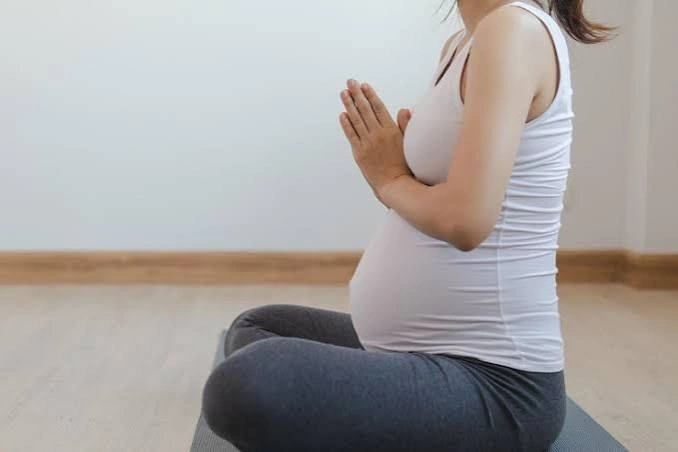
Pregnancy is a time of joy and big changes. Your body changes every day. Your mind races with thoughts about the baby, labor, and becoming a mother. This can feel overwhelming.
Meditation offers a simple way to find calm. It helps you manage stress and connect with your baby. This guide will show you how to start a meditation practice that works for your pregnancy meditation for beginners.
What is Pregnancy Meditation?
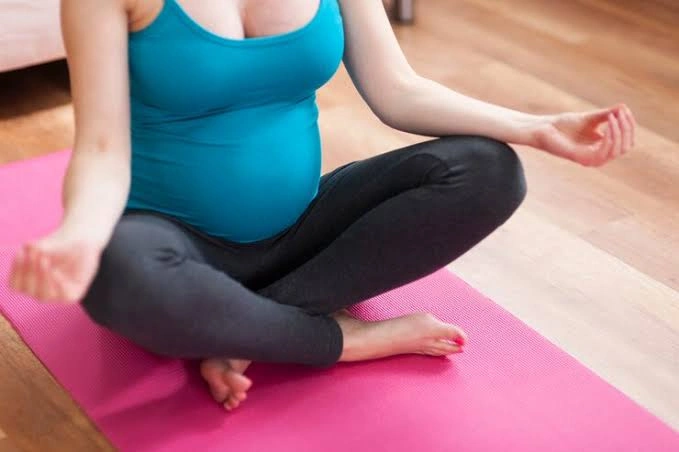 Meditation is a mind-body practice that trains your attention. It helps you manage your emotions and find peace. During pregnancy, meditation becomes a tool for reducing stress and preparing for birth . You do not need any special skills. You do not need to sit in a hard pose on the floor. Meditation meets you wherever you are. It works whether you have two minutes or half an hour.
Pregnancy meditation helps you connect with your changing body. It also helps you bond with your growing baby. It is a drug-free way to handle the ups and downs of pregnancy.
Why Meditation Matters for Expecting Mothers?
Your body naturally reacts to stress during pregnancy. Hormones shift. You worry about the baby's health. You wonder about labor. This can cause high levels of the stress hormone cortisol. High cortisol may lead to problems like trouble sleeping and high blood pressure .
Meditation acts like a natural calm button. It turns on your parasympathetic nervous system. This is the part of your body that helps you rest and digest. When you meditate, your heart rate slows down. Your blood pressure drops. Your body makes less cortisol .
Your baby also feels the benefits of your calm state. When you are relaxed, less stress crosses the placenta to your baby. This supports healthy growth and development . You are truly meditating for two.
Read Also: What You Need To Know About Pregnancy Week Calculator By Due Date
The Benefits of a Regular Pregnancy Meditation Practice
Research shows that meditation during pregnancy offers many benefits for both mother and baby.
Benefits for the Mother
Reduces Stress and Anxiety
Pregnancy brings many unknowns. This can cause ongoing worry. Meditation gives your mind a break from this worry loop. Studies show that pregnant women who meditate report less anxiety. They also feel fewer negative emotions like fear and distress .
Improves Sleep Quality
The third trimester makes sleep hard. Your belly is big. You may have leg cramps. Your mind may race with thoughts about the baby. Meditation helps you fall asleep faster and stay asleep longer . The relaxation from meditation fights pregnancy insomnia.
Helps Manage Emotions
Pregnancy is an emotional time. You may feel happy one moment and tearful the next. Meditation helps you handle these mood swings . It gives you space to process your feelings in a healthy way.
Eases Physical Discomfort
Body aches and back pain are common in pregnancy. Meditation teaches you to observe pain without adding fear or tension. This changes how you experience discomfort. It does not make the pain go away, but it makes it more manageable .
Benefits for the Baby
Supports Healthy Development
Your emotional state affects your baby. A calm mother creates a calm environment. Practices that bring peace, such as meditation, help create a balanced space for the baby to grow .
May Improve Baby's Adaptability
A study from the Netherlands found that mothers with high mindfulness had babies who were better at settling down. These babies adapted more easily to new situations .
Helps Bonding
Meditation gives you quiet time to focus on your baby. You can send loving thoughts. You can feel the baby move. This builds your bond .
Getting Started: How to Meditate During Pregnancy
Starting a meditation practice is simple. Here are the basics to get you going.
Find Your Comfort Zone
You do not need to sit cross-legged on the floor. Find a position that feels good. You can sit on a chair with pillows for back support . You can lie on your side with a pillow between your knees. Avoid lying flat on your back after the first trimester. This position can press on a major vein and reduce blood flow . The most important thing is that you are comfortable.
Choose a Quiet Place
Pick a spot where you will not be disturbed. Turn off your phone. Close the door. A calm environment helps your mind settle . You can dim the lights or play soft music if you like.
Start Small
Beginners should start with just five minutes a day . This feels doable. Once you get comfortable, you can add more time. Quality matters more than quantity. Five minutes of focused practice is better than twenty minutes of a wandering mind.
Try Habit Stacking
Add meditation to something you already do each day. Meditate after brushing your teeth. Meditate after your morning shower. This helps you remember to practice .
Simple Meditation Techniques for Beginners
Try these gentle techniques. Find the one that feels best to you.
Focused Breathing
This is the simplest meditation. Close your eyes. Bring your attention to your breath. Notice the air entering your nose. Feel your chest rise and fall . Do not try to change your breath. Just notice it. When your mind wanders, gently bring it back to your breath. Start with five minutes.
Body Scan Meditation
This practice helps you connect with your changing body. Lie down or sit comfortably. Bring your awareness to your toes. Notice any feelings there. Slowly move your attention up your body. Notice your feet, legs, belly, chest, arms, and head . Release any tension you find. This practice builds body awareness and acceptance.
Loving-Kindness Meditation
This practice focuses on sending good wishes. Silently repeat phrases like "May I be calm. May my baby be safe. May we be healthy." . This softens self-criticism and fear. It helps you feel a sense of connection.
Guided Meditation
If meditating on your own feels hard, try a guided session. Many apps have meditations made just for pregnancy. Apps like Calm and Expectful offer libraries of pregnancy meditations . A guide's voice helps you stay focused and engaged.
Mantra Meditation
Pick a calming word or phrase. Repeat it to yourself during your meditation. This gives your mind one thing to focus on. Good mantras include "peace," "calm," or "I am safe." You can also use a positive affirmation about your pregnancy .
Meditation During Each Trimester
Your body and needs change during pregnancy. Your meditation practice can change too.
First Trimester: Managing Fatigue and Nausea
The first trimester brings fatigue and nausea. Keep your sessions short. Try five minutes of breathing while propped up in bed. A gentle body scan can help you acknowledge nausea without fighting it . Rest is important now. Do not push yourself.
Second Trimester: Building Your Practice
Your energy often returns in the second trimester. This is a good time to build a regular routine. Try longer sessions of ten to fifteen minutes. Use body scan meditation to connect with the baby's first movements . Add positive affirmations about your body's strength.
Third Trimester: Preparing for Labor
Focus your practice on birth preparation. Use guided meditations that visualize a smooth labor. Practice breathing techniques you can use during contractions. Cultivate a mindset of strength and surrender . Find a side-lying position that supports your belly.
You May Also Like: Postpartum Recovery Checklist After Birth
Using Meditation for Labor and Delivery
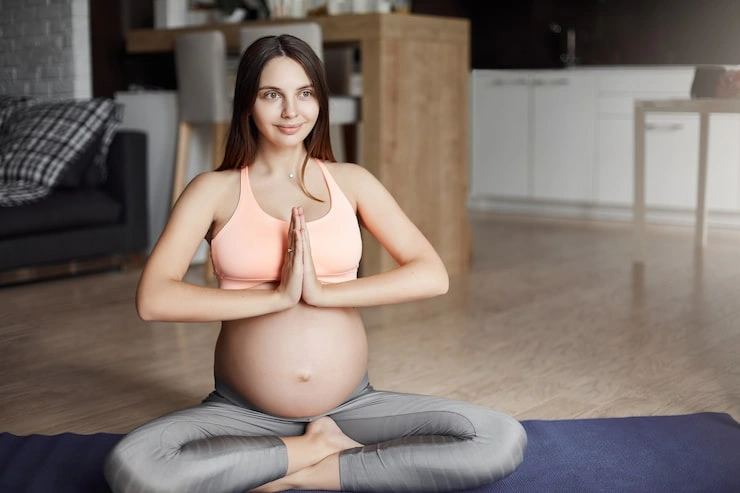
Meditation gives you tools for the delivery room. Your breathing practice becomes an anchor during contractions. Your mindfulness skills help you take each moment as it comes. You learn to ride the wave of each contraction without fear .
Visualization is powerful during labor. Picture each contraction as a wave in the ocean. See it slowly peak and then come down. Imagine yourself floating like a jellyfish as the wave washes through you . This changes your relationship with pain.
Positive mantras can help you stay strong. During labor, repeat phrases like "My body is strong. I can do this. Each wave brings my baby closer." . These words give you courage.
Safety Tips for Pregnancy Meditation
Meditation is safe for most pregnant women. But keep these tips in mind.
- Avoid lying flat on your back after the first trimester. This can press on a vein and lower blood flow .
- Avoid breath holding or forceful breathing techniques. Stick to slow, natural breathing .
- Listen to your body. If a position is uncomfortable, change it. If a technique feels wrong, stop.
- Get medical help for severe symptoms. Meditation is not a replacement for medical care. Call your doctor if you have severe headaches, chest pain, or vision changes .
Building a Daily Practice
Consistency is key to getting the full benefits of meditation. Here are tips for sticking with it.
Start with a small goal. Commit to five minutes a day. This is easy to achieve. You can always add more time later.
Pick a regular time. Meditate at the same time each day. This builds a routine. Morning or evening often work well.
Use micro-meditations. On busy days, practice short moments of mindfulness. Take three slow, deep breaths before a meal. Do a one-minute body scan while waiting for an appointment .
Be patient with yourself. Some days will be easier than others. It is normal for your mind to wander. The practice is noticing the wandering and returning to your breath . Be kind to pregnancy meditation for beginners.
Conclusion
Pregnancy meditation offers a simple way to find calm during a time of big change. It helps you manage stress, sleep better, and bond with your baby. You do not need any special skills to start. Just a few minutes a day can make a real difference.
Start today. Find a comfortable seat. Close your eyes. Take a deep breath. You and your baby deserve this moment of peace. Your journey to a calmer pregnancy begins now.
Other Articles

How To Improve Baby Brain Development During Pregnancy
50 Popular Gujarati Surnames Or Last Names With Meanings