
When you come home from the hospital, everything feels different. You have a baby now. Your body feels strange. You are tired. You might be happy. You might be scared. All of this is normal.
The first thing you need to know is that healing takes time. You cannot rush it. Your body grew a baby for nine months. It needs time to go back to how it was before. Do not expect to feel like yourself right away.
Your uterus starts shrinking right after birth. This is a good thing. It means your body is working. You might feel cramps. These are called afterpains. They hurt. But they are normal. They happen more when you breastfeed. That is because breastfeeding makes your uterus contract. It is helping you postpartum recovery checklist after birth.
You will bleed from your vagina. This is normal. The blood is heavy at first. It is bright red. After a few days it gets lighter. It turns pink. Then it turns brown. Then it turns yellow or white. The bleeding can last up to six weeks. Use pads. Do not use tampons. Tampons can cause infection.
Your breasts change too. If you are breastfeeding, your milk comes in after a few days. Your breasts become full and hard. This is normal. It can be uncomfortable. But it passes. You can use warm compresses to help. You can also take a warm shower. The warmth helps the milk flow.
Navigating Postpartum: Your Essential Recovery Guide

You need to rest. I know you have a baby to take care of. I know there is so much to do. But you must rest. Your body cannot heal without rest.
Sleep when your baby sleeps. This is the best advice anyone can give you. It might be hard to sleep during the day. But try. Even lying down with your eyes closed helps. You do not have to be asleep. Just resting is good.
Let people help you. Your partner can cook. Your mom can clean. Your sister can watch the baby while you nap. People want to help. Let them. You do not have to do everything alone.
Do not try to be a hero. Do not try to keep your house perfect. Your house can be messy. Your laundry can pile up. It does not matter. What matters is you and your baby. Focus on that.
Visitors are nice. But they can be tiring. You do not have to see everyone. You can say no. You can say you need rest. People will understand. They want you to be okay.
Read Also: Calcium Rich Foods For Pregnant Women
Eating and Drinking
You need to eat. You might not feel hungry. You might be too tired to eat. But you must eat. Your body needs food to heal.
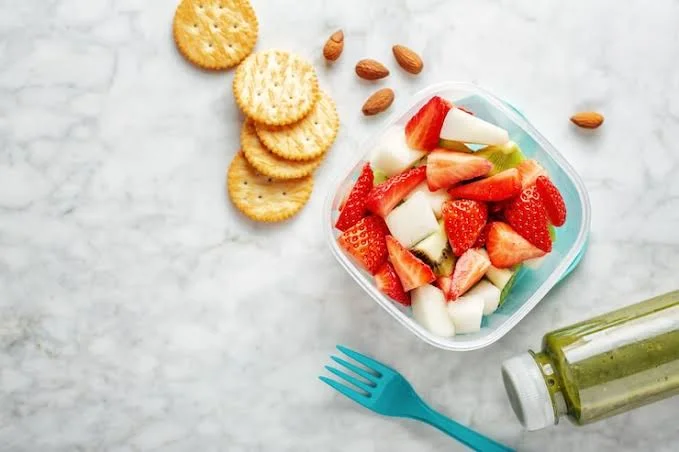
Keep easy food around. Things you can grab quickly. Fruits are good. Yogurt is good. Sandwiches are good. Nuts are good. You do not have to cook big meals. Just eat something.
Drink water. Drink a lot of water. It is easy to forget. You are busy with the baby. You are tired. But you need water. Water helps your body heal. It helps if you are breastfeeding. It helps with constipation. Drink a glass every time you sit down.
Keep taking your vitamins. Your doctor gave you prenatal vitamins. Keep taking them. They help your body get what it needs. If you run out, buy more.
Your Bottom Hurts
If you had a vaginal birth, your bottom hurts. This is normal. The area is swollen. You might have stitches. The stitches hurt. But they will heal.
You can use a peri bottle. This is a small bottle. You fill it with warm water. You squirt it on your bottom when you pee. This helps the stinging. It cleans the area too.
Ice packs help. You can buy them. Or you can make them. Put ice in a bag. Wrap it in a towel. Put it on your bottom. The cold helps the swelling go down. Do this a few times a day.
Sitz baths help too. You sit in warm water. Just a few inches. Just for a few minutes. This soothes the pain. It helps the stitches heal.
Witch hazel pads are good. You can put them on your pad. They cool the area. They help with pain. You can find them at the drugstore.
If You Had a C Section
If you had a C section, you have a cut on your belly. This cut needs care. You need to keep it clean and dry.
Your doctor will tell you how to care for it. Follow their instructions. Do not put lotions or creams on it. Do not rub it. Just wash with mild soap and water. Pat it dry gently.
Watch for signs of infection. If the cut gets red or swollen, call your doctor. If it starts to drain fluid, call your doctor. If you have a fever, call your doctor.
You cannot lift heavy things. This is very important. No lifting your older kids. No lifting heavy bags. No moving furniture. You can hold your baby. But be careful. Use your arms, not your belly.
Moving is hard after a C section. It hurts to get up. It hurts to walk. But you need to move a little. It helps prevent blood clots. Walk around the house. Go slow. Rest when you need to.
Peeing and Pooping
You might have trouble peeing at first. This is normal. The area is swollen. It might sting. Try to pee often. Do not hold it. Drink water to help.
Your first poop might be scary. You might be afraid to push. You are worried about your stitches. But you need to go. Holding it in makes things worse. Drink water. Eat fruits. This helps.
Hemorrhoids are common after birth. They are swollen veins in your bottom. They hurt. They might bleed. But they go away. Warm baths help. Witch hazel pads help. Over the counter creams help too.
If you are constipated, talk to your doctor. They can give you something to help. Do not be embarrassed. This happens to a lot of women.
Moving Your Body
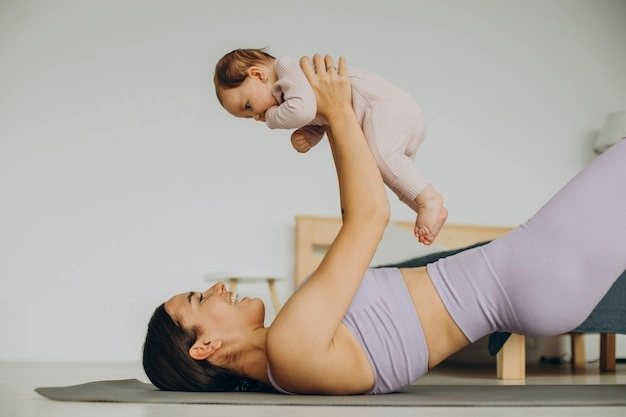
You do not need to exercise right away. But gentle movement is good.
Walk around your house. Walk to the mailbox. Walk to the end of your street. Go slow. Do not push yourself. If it hurts, stop.
Kegel exercises help. These are pelvic floor exercises. You squeeze the muscles you use to stop peeing. You hold for a few seconds. Then you let go. Do this several times a day. It helps with bladder control. It helps your pelvic floor heal.
Do not do crunches. Do not do sit ups. Do not lift weights. Wait until your doctor says it is okay. This is especially important if you had a C section.
Your Feelings
Your feelings are all over the place. This is normal. Your hormones are changing. You are tired. You are stressed. You might cry for no reason. You might feel sad even though you are happy.
The baby blues are common. They happen to many women. You feel weepy. You feel overwhelmed. You might feel anxious. This usually goes away in about two weeks.
But sometimes it does not go away. Sometimes it gets worse. This is postpartum depression. It is a real illness. It is not your fault. It can happen to anyone.
Signs of postpartum depression are feeling sad all the time. Crying all the time. Not being able to sleep. Sleeping too much. Not eating. Eating too much. Feeling worthless. Feeling like you cannot take care of your baby. Thinking about hurting yourself. Thinking about hurting your baby.
If you have any of these signs, call your doctor. Call right away. Your doctor can help you. There are treatments that work. You do not have to feel this way.
Do not be ashamed. Do not hide it. Talk to someone. Talk to your partner. Talk to your mom. Talk to your friend. Telling someone is the first postpartum recovery checklist after birth.
Getting Help
You do not have to do this alone. Ask for help. Accept help when it is offered.
Your partner can help. They can change diapers. They can get you food. They can hold the baby while you shower. They can take the baby at night so you can sleep.
Your family can help. Your mom can cook meals. Your sister can clean the house. Your dad can watch your older kids. Let them help.
Your friends can help. They can bring food. They can run errands. They can sit with you so you are not alone.
If you do not have family nearby, look for other help. There are support groups for new mothers. You can find them online. You can find them at hospitals. There are postpartum doulas who can help. They come to your house. They help with the baby. They help with household tasks.
Your Postpartum Checkup
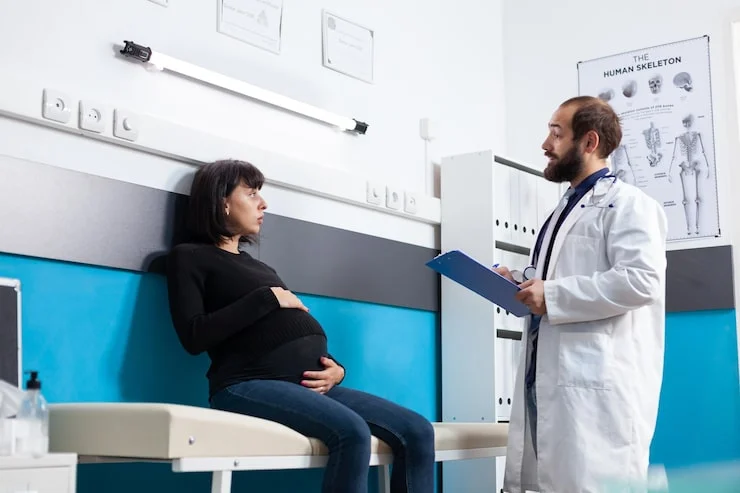
Do not miss your postpartum checkup. This is important. It is about six weeks after birth.
At this visit, your doctor checks your body. They check your blood pressure. They check your weight. They check your incision or stitches. They make sure you are healing.
They also ask about your feelings. They ask how you are doing. Be honest. Tell them the truth. They are there to help you.
You can ask questions at this visit. Ask about birth control. You can get pregnant again soon after birth. Even if you are breastfeeding. Talk to your doctor about what is right for you.
Ask about sex. It might be painful at first. This is normal. You can wait until you are ready. Your doctor can give you advice.
Ask about exercise. When can you start working out? What exercises are safe? Get your doctor's okay before you start.
You May Also Like: Iron Rich Foods During Pregnancy
Breastfeeding
Breastfeeding is hard for some women. It does not always come naturally. That is okay. Your baby might not latch well at first. This is common. It takes practice. Both you and your baby are learning.
If it hurts, get help. A lactation consultant can help. They are experts. They can show you different positions. They can help with latch. They can answer your questions. Your breasts will get engorged. This is when your milk comes in. They become full and hard. It hurts. But it passes. You can use warm compresses. You can take a warm shower. You can feed your baby often.
If you have a fever or red spots on your breasts, call your doctor. You might have an infection. This is called mastitis. It needs treatment. If you are not breastfeeding, that is okay. Formula is good. Your baby will be healthy. Do not let anyone make you feel bad. Fed is best. That is all that matters.
Warning Signs
There are some things you need to watch for. These are signs that something is wrong. Call your doctor right away if you have any of these. Heavy bleeding is a sign. If you soak a pad in less than an hour, call your doctor. If you have large blood clots, call your doctor.
Fever is a sign. If your temperature goes above 100.4, call your doctor. This could mean infection. Severe headache is a sign. If your headache does not go away with rest, call your doctor. If you have vision changes, call your doctor. Trouble breathing is a sign. If you cannot catch your breath, call your doctor. If you have chest pain, call your doctor. Swelling in your legs is a sign. If one leg is swollen more than the other, call your doctor. This could be a blood clot.
Pain in your belly that does not go away is a sign. If you have severe pain, call your doctor. If the pain gets worse, call your doctor. If you feel like hurting yourself, call your doctor. If you feel like hurting your baby, call your doctor. This is serious. Get help right away.
What a Normal Day Looks Like
A normal day after birth looks different for everyone. But here is what it might look like for you. You wake up when the baby wakes up. You feed the baby. You change the diaper. You go back to sleep. You wake up again. You feed the baby again. You change the diaper again. That is your day. There is not much else. You might eat a meal in between. You might take a shower. You might walk to the kitchen. But mostly you take care of the baby. And you rest.
Do not worry about schedules. Do not worry about routines. Just go with the flow. Follow your baby's lead. Rest when you can. Some days will be easier. The baby will sleep more. You will feel more rested. Some days will be harder. The baby will cry. You will feel tired. That is okay. Just get through the day. Tomorrow is a new day.
Taking Care of Yourself

- Taking care of yourself is not selfish. It is necessary. You cannot take care of your baby if you are not okay.
- Take a shower every day. It makes you feel better. Even if it is just five minutes. Wash your hair. Brush your teeth. Put on clean clothes. You will feel more human.
- Eat three meals a day. Even if they are small meals. You need food. You need energy.
- Talk to someone every day. Call your mom. Call your friend. Text your sister. Do not isolate yourself. You need support.
- Go outside every day. Even if it is just for five minutes. Sit on your porch. Walk to the mailbox. Fresh air helps. Sunlight helps.
This Will Pass
The first few weeks are hard. They are really hard. You are tired. You are sore. You are overwhelmed. But this will pass.
Each week gets a little easier. The baby sleeps longer. Your body hurts less. You learn what your baby needs. You get more confident. Be patient with yourself. You are learning. Your baby is learning. You are figuring this out together.
Do not compare yourself to other mothers. Every baby is different. Every mother is different. What works for someone else might not work for you. That is okay. You are doing a good job. Really. Just getting through the day is a win. Taking a shower is a win. Feeding your baby is a win. Celebrate the small wins.
The Sixth Week Check
At six weeks, you will see your doctor. This is your postpartum checkup. It is a big milestone. Your doctor will check everything. They will make sure you are healing. They will check your mental health. They will talk to you about your recovery. Most women are cleared for normal activity at six weeks. You can start exercising. You can have sex. You can go back to work. But only if you are ready.
Some women need more time. That is okay. Take the time you need. Do not rush. Your bleeding should stop by six weeks. If it has not, tell your doctor. Your stitches should be dissolved. Your incision should be healed. Your body should be close to normal. Your hormones are still changing. You might still feel up and down. You might still feel tired. That is normal. It takes months for your body to fully recover.
Looking Ahead
Life with a baby is different. It is not how it was before. But it is good. It is just different. You will find a new normal. You will learn to do things with a baby. You will learn to do things while tired. You will learn to be a mother. The postpartum period is a time of change. It is hard. But it is temporary. You will get through it. Take care of yourself. Ask for help. Rest when you can. Eat well. Drink water. Talk about your feelings. Go to your checkups. You are strong. You can do this. Millions of women have done this before you. You are not alone.
Other Articles

Pregnancy Yoga Poses For Beginners
50 Popular Gujarati Surnames Or Last Names With Meanings