

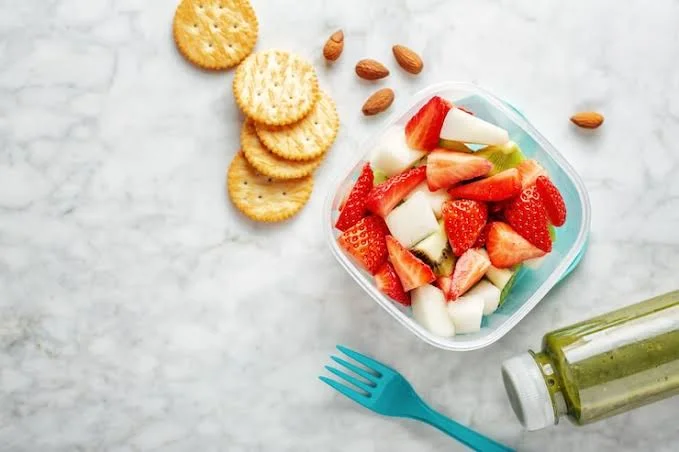
When kids constantly ask for snacks, it usually means the snacks they ate did not keep them full. Protein is the nutrient that fixes this problem. This guide gives you simple, kid-friendly protein snack ideas, explains how much protein children actually need, and shows you how to put balanced snacks together without fighting at the table.
Why Protein Matters for Growing Kids?
Children grow every day. Their bodies build muscle, organs, skin, and blood. Protein provides the amino acids that make all of this growth possible. Registered dietitian Dana Peters explains it simply: protein is important because children are constantly growing, and the amino acids in protein are the building blocks for many parts of the body, including muscles, organs, and high protein snacks for kids.
Protein also helps kids feel full. When a child eats a snack with protein and carbohydrates together, the carbohydrates digest more slowly. Blood sugar stays steady instead of spiking and crashing. A steady blood sugar level means fewer mood swings and fewer demands for more food right after a snack.
The American Academy of Pediatrics recommends that snacks for young children include a protein food. This can be dairy or another protein source. The academy also reminds parents that snacks are not “treat time.” Offering sweet, sugary foods at snack time builds habits that are hard to change later.
How Much Protein Do Kids Actually Need?
Many parents worry their child is not getting enough protein. The truth is, most children get enough without any special effort. Here is what the numbers look like.
| Age Group | Daily Protein Target |
|---|---|
| 1 to 3 years | 13 grams |
| 4 to 8 years | 19 grams |
| 9 to 13 years | 34 grams |
| 14 to 18 years (boys) | 52 grams |
| 14 to 18 years (girls) | 46 grams |
These numbers can look intimidating, but context matters. One cup of milk has about 8 grams of protein. One large egg has about 6 grams. A small container of Greek yogurt can have 12 to 15 grams. When you add up milk at breakfast, a sandwich at lunch, and a protein snack in the afternoon, most kids reach their daily target without anyone counting grams.
Dr. Claire McCarthy from the American Academy of Pediatrics points out that if children drink the recommended amount of cow’s milk, they are likely getting all or most of the protein they need. Milk alone could cover a child’s protein needs until age nine.
The real question is not “is my child getting enough protein?” It is “is my child eating snacks that keep them full until the next meal?” That is where high-protein snacks come in.
Read Also: Healthy Sleep Habits For Kids
The Best Protein Foods for Kids
The best protein source for your child is the one your child will actually eat. Dana Peters puts it directly: “What’s best for each kid depends on their taste preferences. It’s only a good source if a kid will actually eat it!”
With that in mind, here are the protein foods that children tend to accept most easily.
Dairy
Dairy products are often the easiest protein source for kids. Cheese sticks, cheese cubes, cottage cheese, and yogurt all provide protein in a form most children already enjoy.
Greek yogurt and Skyr-style yogurt have more than double the protein of regular yogurt. Choose plain or unsweetened varieties. Flavored yogurts often contain a lot of added sugar.
For toddlers and younger kids who need extra fat for brain development, choose dairy made with whole milk.
Eggs
Eggs work in almost any form. Scrambled, hard-boiled, or made into egg salad, they deliver protein in a package kids recognize. You can also mix eggs into whole-grain pancakes, muffins, or zucchini bread to add protein without changing the taste much.
Hard-boiled eggs cut into halves or quarters work well as a snack. For younger children, cut them into small pieces to prevent choking.
Nuts and Seeds
Nut butter and seed butter are the easiest way to give younger kids the protein from nuts and seeds. Spread peanut butter, almond butter, or sunflower seed butter thinly on toast, stir it into yogurt, or blend it into a smoothie.
For older kids who can safely chew whole nuts, a homemade trail mix with nuts, seeds, and dried fruit makes a filling snack.
If your child attends a nut-free school, seed butter is a safe alternative that still provides protein.
Beans and Legumes
Hummus, black bean dip, and roasted chickpeas are protein-rich options that many kids enjoy. Hummus works as a dip for vegetables or whole-grain crackers. Roasted chickpeas are crunchy and savory, which tends to appeal to children.
Edamame, chickpeas, and lentils can be cooked and mashed or served whole depending on your child’s age.
Meat and Fish
Cooked chicken, turkey, pork, beef, or lamb cut into small cubes can be served alone or with crackers and cheese. Salmon and sardines also provide protein along with healthy fats.
One note on tuna: chunk light tuna can be served to toddlers once per month. Tuna can be higher in mercury, which is not good for young children.
High Protein Snack Ideas Kids Will Eat
Here are snack combinations that bring protein together with other nutrients. Each one takes little time to prepare and uses foods most children already like.
No-Prep Snacks
Cheese and crackers. Cheddar cubes, mozzarella string cheese, or cottage cheese with whole-grain crackers. This combination gives protein plus carbohydrates for energy.
Greek yogurt with fruit. Plain Greek yogurt topped with sliced strawberries, blueberries, or a spoonful of applesauce. For extra texture, add a small amount of granola.
Hard-boiled egg with fruit. One hard-boiled egg cut into pieces alongside apple slices or orange segments. Simple, portable, and filling.
Hummus with vegetable sticks. Carrot sticks, cucumber slices, or bell pepper strips dipped in hummus. The hummus provides protein and the vegetables add fiber.
Snacks That Need a Little Assembly
Apple slices with nut butter. Thinly sliced apples with a thin layer of peanut butter or sunflower seed butter. For toddlers, cut the apple into very thin slices and spread the nut butter thinly to prevent choking.
Cottage cheese with peaches. Cottage cheese topped with canned peaches that have been rinsed to remove extra syrup. This pairing gives protein and a natural sweetness.
Quesadilla pieces. A small cheese quesadilla cut into small pieces. Serve with quartered cherry tomatoes.
Yogurt parfait. Layers of Greek yogurt, fruit, and a small amount of granola in a cup. Kids often enjoy the visual appeal of layers.
Snacks for Older Kids
Trail mix. Mix nuts, seeds, popcorn, dried fruit, and a few chocolate chips. This works for kids who can safely chew whole nuts and seeds.
No-bake energy bites. Made with oats, peanut butter, dates, and a sprinkle of cinnamon. These take a few minutes to prepare but last for days in the refrigerator.
Rice cake with toppings. A rice cake spread with hummus or cottage cheese, then topped with cucumber slices or fruit.
Smoothie with protein. Blend soy milk, spinach, peanut butter, and frozen berries. This drink delivers protein and is easy for kids to take on the go.
You May Also Like: How To Boost Immune System In Kids Naturally
How to Build a Balanced Snack?
A balanced snack has three parts: a protein food, a fruit or vegetable, and a grain or starchy vegetable. You do not need to hit all three every single time, but aiming for this structure helps ensure your child gets steady energy.
The American Academy of Pediatrics offers this simple formula for toddler snacks: protein plus fruit or vegetable plus grain or starchy vegetable.
Here are examples of what that looks like in practice:
-
Plain yogurt + frozen fruit (thawed) + a piece of toast
-
Thinly sliced apples + a thin layer of seed butter + cooked peas
-
Cooked quinoa + diced chicken + steamed broccoli
-
Cheese quesadilla + quartered cherry tomatoes
The goal is not a perfect plate at every snack. The goal is balance over the course of a day or two.
Protein Snacks and Picky Eaters
Picky eating is normal. Many children need to see a food several times before they accept it. Dr. McCarthy recommends a “one bite” rule and keeping the food on the plate without forcing a child to finish everything. She also notes that it can take many tries before a child decides something tastes good.
Some practical approaches for picky eaters:
Pair new foods with familiar ones. If your child loves crackers, serve a small piece of cheese next to the crackers. The familiar food makes the new food less threatening.
Let kids help prepare snacks. Dr. McCarthy points out that children learn about different foods when they are involved in shopping and preparing meals. This involvement can make them more willing to try new things. The American Academy of Pediatrics also suggests that getting kids involved in making meals makes them more likely to try new foods.
Serve small portions. Start with tiny amounts. The American Academy of Pediatrics recommends serving toddlers small portions to start, such as three quartered strawberries and one-eighth of a quesadilla. If the child finishes and is still hungry, they will ask for more.
Do not force a balanced meal at every sitting. What matters is balance over a day or two.
Snack Safety for Younger Children
Choking is a real concern for toddlers and young children. The American Academy of Pediatrics emphasizes cutting food into small, bite-sized pieces.
Foods that need attention:
-
Nuts and seeds: Serve nut butter thinly spread instead of whole nuts for children under four.
-
Fruit: Cut grapes, cherry tomatoes, and berries into small pieces. Slice apples and pears thinly.
-
Meat: Cut cooked meat into small cubes.
-
Eggs: Hard-boiled eggs should be cut into pieces, not served whole.
Always supervise young children while they eat.
You May Also Like: Iron Deficiency Symptoms In Kids
Protein Snacks for School Lunches
When packing snacks for school, consider these high protein snacks for kids:
Nut-free policies. Many schools do not allow nuts or nut butter. Seed butter and sunflower seed butter are safe alternatives that still provide protein.
Temperature. Cheese, yogurt, and hard-boiled eggs need to stay cool. Use an ice pack in the lunch bag.
Portability. Snacks that hold their shape and do not leak work best. Cheese sticks, hard-boiled eggs, and trail mix are all easy options.
Kid-friendly packaging. Small containers with lids that children can open independently make snack time easier at school.
FAQs
Do kids need protein powder or protein supplements?
No. Children can meet their protein needs through regular food. Protein powder is not necessary for healthy children who eat a variety of foods.
What if my child does not like meat?
Many protein sources are not meat. Dairy products, eggs, beans, lentils, tofu, and nut butter all provide protein. Dr. McCarthy notes that vegetables like peas, broccoli, and even potatoes contain some protein.
Is it okay if my child only wants the same snack every day?
Repetition is common in young children. Continue offering variety alongside the preferred food. Many children gradually expand their choices when they are not pressured.
How do I know if my child is getting enough protein?
If you serve protein with most meals and snacks, your child is likely getting enough. Counting every gram is not necessary, and parents do not need to stress about it.
Putting It All Together
High-protein snacks for kids do not need to be complicated. The simplest approach is to include a protein food whenever you serve a snack. Cheese, yogurt, eggs, nut butter, hummus, and beans are all easy options that children often accept.
The goal is not perfection. The goal is to give your child snacks that keep them full and provide the nutrients their growing bodies need. When a snack has protein, your child is less likely to be hungry ten minutes later. That means fewer snack demands, steadier moods, and more peaceful afternoons for everyone.
Other Articles
50 Popular Gujarati Surnames Or Last Names With Meanings