
I asked my doctor this same question last year. My daughter was five. She was falling asleep on the carpet at 4 PM. Her face looked like paper. I thought she was just being a picky eater. I was wrong.
This is what I learned. And this is what every parent needs to know about iron deficiency symptoms in kids. Not the fancy medical stuff. The real stuff. The stuff you see with your own eyes at the dinner table and the playground.
What Actually Happens When a Kid Has Low Iron?
Iron is not optional. It is not a vitamin you can skip. Iron makes blood red. Blood carries oxygen. Oxygen goes to the brain. Brain needs oxygen to think. Muscles need oxygen to run. Heart needs oxygen to pump.
When a kid does not have enough iron, their body starts running on empty. They still move. They still talk. But everything gets harder. Their body has to work twice as hard just to do normal things.
Think of iron like the gas in a car. When the gas gets low, the car sputters. It does not drive fast. It does not climb hills well. That is exactly what low iron does to a child. They sputter. They slow down. They stop climbing.
How Low Iron Happens Slowly?
Most parents think anemia shows up overnight. It does not. It creeps in.
First the body uses up all the iron it has stored away. This takes weeks. Sometimes months. During this time your kid looks fine. Acts fine. You have no idea anything is wrong.
Then the stores are empty. The body starts making fewer red blood cells. Not zero. Just fewer. This is when you start seeing small changes. Kid seems more tired after school. Kid does not want to go to the park. Kid says their legs hurt.
Then the red blood cells drop too low. Now you have anemia. Now the symptoms get loud. This is when most parents finally take their kid to the doctor.
The scary part? Some kids never show big symptoms. They just seem a little off. A little slow. A little grumpy. And parents think it is just their personality. But it is not personality. It is iron.
Read Also: Dengue Prevention Tips For Children
Physical Signs You Can Actually See
These are not hidden symptoms. These are things you can spot right now if you look closely at your child.
Pale Skin That Looks Like Chalk
This is the number one thing parents notice. The skin loses its color. The cheeks are not pink. The lips are pale. The inside of the bottom lip looks white instead of red.
Look at your kid's face in natural light. Not bathroom light. Not phone light. Go near a window. If their skin has a washed-out look, take it seriously. It is not just winter pallor. It is not just their natural complexion. It is a red flag.
Now look at their eyelids. Gently pull down the lower eyelid. The inside should be bright pink or red. If it is pale pink or white, that is a very strong sign of low iron.
Look at their palms. The creases in the palm should be pink. If the creases are pale or the same color as the rest of the hand, that is another warning sign.
Dark Circles Under the Eyes
Kids get dark circles for many reasons. Allergies cause dark circles. Lack of sleep causes dark circles. But iron deficiency also causes dark circles. They look like bruises under the eyes. The skin looks thin and shadowy.
If your kid has dark circles plus pale skin, do not brush it off. That combination is very classic for iron deficiency.
Hands and Feet That Feel Cold
My daughter's hands felt like ice even in summer. I kept telling her to put on socks. She said her feet were freezing. I thought she was being dramatic.
But iron carries warmth. When iron is low, the body pulls blood away from the hands and feet. It sends blood to the important organs instead. The heart and brain get the blood. Fingers and toes lose out. So they get cold.
Nails That Break or Look Strange
Look at your kid's fingernails. Do they break easily? Do they have ridges going up and down? Do they look thin and flat instead of curved?
Some kids with very low iron get spoon-shaped nails. The nail curves upward like a spoon. This is rare but it happens. If you see this, call your doctor that day.
Frequent Illnesses and Infections
Low iron makes the immune system weak. Your kid catches every cold at school. They get ear infections back to back. They have stomach bugs more often than other kids.
The body needs iron to make white blood cells. White blood cells fight germs. No iron means fewer white blood cells. More germs win. More sick days.
Changes in Mood and Behavior
This is the part most parents miss. They look for physical symptoms. They do not look for behavior changes. But behavior changes are often the first signs.
Irritability That Comes Out of Nowhere
Your usually happy kid gets cranky for no reason. Everything bothers them. They snap at you. They cry over small things. They fight with their siblings more than normal.
You think it is a phase. You think they are overtired. You think they are just being difficult. But low iron makes kids feel bad. When you feel bad, you act bad. It is that simple.
Your Kid Cannot Sit Still
This one confuses parents. They think anemia makes kids tired. But some kids with low iron get restless instead. They squirm. They fidget. They cannot sit through a meal or a story.
The body is uncomfortable. The legs feel weird. Some kids describe it as a creepy-crawly feeling. This is actually a known symptom called restless legs syndrome. It is strongly linked to low iron.
Brain Fog and Poor Focus
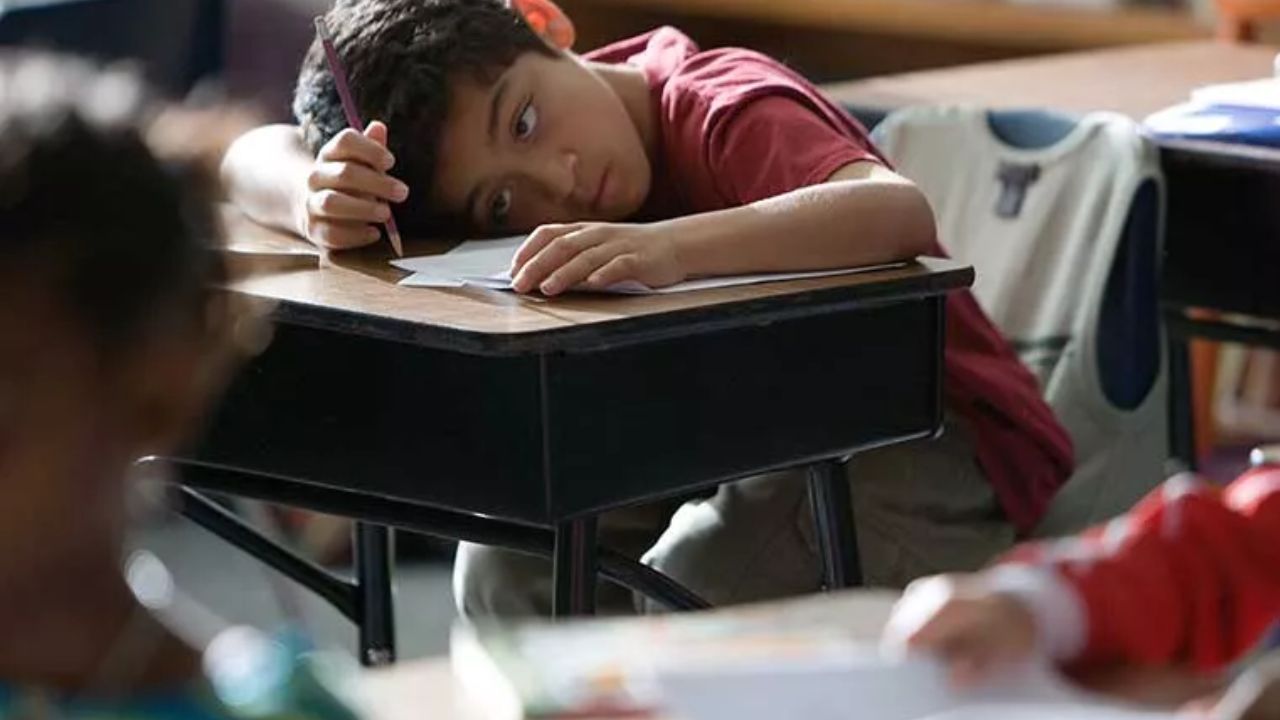
My daughter's teacher said she was daydreaming in class. She could not finish her worksheets. She stared out the window. I thought she was bored.
She was not bored. Her brain was starving for oxygen. Oxygen needs iron to travel. No iron means oxygen gets stuck. The brain slows down. Thinking gets hard.
Kids with low iron look like they have ADHD. They are distracted. They forget things. They do not follow instructions. They get labeled as troublemakers when really they just need iron.
Falling Behind in School
This is heartbreaking. A child who used to do well starts getting C's and D's. They struggle with reading. They cannot remember math facts. Homework takes three hours instead of one.
Parents push harder. They hire tutors. They take away screen time. None of it works. Because the problem is not motivation. The problem is iron.
Eating Weird Things
This symptom is called pica. Kids with pica eat things that are not food. Ice is the most common. They crunch ice all day long. They ask for ice water even when it is freezing outside.
Some kids eat dirt. Some eat chalk. Some eat paper or paint chips. This is not a behavioral problem. This is a physical craving. The body is desperate for iron and it sends weird signals to the brain. The brain tells the kid to eat weird stuff.
If your kid is chewing ice all the time, get their iron checked. Do not argue with them about it. Do not punish them. Just get the test.
Symptoms That Show Up Differently by Age
Babies are not like toddlers. Toddlers are not like teens. The symptoms look different at different ages.
Babies Under 12 Months
Babies with low iron get fussy. They cry more. They do not sleep well. They eat less formula or breastmilk. They do not hit milestones on time. They do not roll over. They do not sit up. They do not babble as much.
Premature babies are at very high risk. They did not get enough iron from mom during the third trimester. They start life with low stores. They need iron drops early.
Toddlers 1 to 3 Years
Toddlers are picky eaters by nature. This makes them high risk. They drink too much cow's milk. They refuse meat. They eat crackers and nothing else.
Toddlers with low iron have tantrums. Big ones. Loud ones. More than normal. They wake up at night crying. They fight you at every meal. They look pale and act exhausted.
School-Age Kids 4 to 12
These kids complain of headaches. They say their legs hurt. They do not want to play sports. They quit soccer. They quit dance. They say they are too tired.
School performance drops. Teachers send notes home. The kid gets labeled as lazy or unfocused. But they are not lazy. They are sick.
Teens 13 and Up
Teenagers are growing fast. Girls start menstruating. They lose iron every month with their period. Heavy periods are a major cause of low iron in teen girls.
Teen boys also need more iron during their growth spurt. They eat a lot but they eat junk. Fast food has almost no iron. They get tired. They sleep in until noon on weekends. Parents think it is normal teen laziness. Sometimes it is anemia.
Teens with low iron get dizzy. They stand up too fast and see spots. They faint in gym class. They look ashen and iron deficiency symptoms in kids.
Why Some Kids Get Low Iron and Others Do Not?
Some kids are just more likely to have low iron. Here are the biggest risk factors.
Picky Eaters
This is the biggest one. Kids who will only eat chicken nuggets and macaroni are getting almost zero iron. Iron comes from red meat, beans, and green vegetables. Picky eaters avoid all of these.
Too Much Cow's Milk
Toddlers who drink more than 24 ounces of milk a day are at high risk. Milk fills them up so they do not eat solid food. Milk also makes it harder for the body to absorb iron from other foods.
Premature Birth or Low Birth Weight
Babies born early miss the last three months of pregnancy. That is when mom passes the most iron to the baby. These babies start life with very little stored iron. They need extra iron right from the start.
Vegetarian or Vegan Diets
Plant-based iron is harder for the body to absorb. Kids on meat-free diets need to eat a lot of beans, lentils, and fortified cereals. They also need vitamin C at every meal to help absorb the iron.
Lead Exposure
Lead poisoning makes it harder for the body to use iron. Kids in older homes with chipping paint are at risk. Lead testing is important for these children.
Digestive Problems
Some kids cannot absorb iron well because of gut issues. Celiac disease and inflammatory bowel disease can cause low iron. These are less common but worth considering if your child has stomach problems.
What the Doctor Will Do?
This is what happens at the appointment. The doctor will ask about symptoms. They will look at your child. They will order blood tests.
The Finger Prick Test
Some doctors do a quick finger prick. A tiny drop of blood goes on a machine. The machine reads the hemoglobin level. Hemoglobin is the iron-containing protein in red blood cells. Low hemoglobin means anemia.
This test is quick. It hurts for one second. Results come back in five minutes.
The Full Blood Draw
If the finger prick shows low levels, the doctor will order more tests. They will draw blood from a vein in the arm. This is more accurate. It checks iron stores specifically.
These tests include:
-
Complete blood count
-
Serum ferritin (this measures stored iron)
-
Serum iron
-
Total iron binding capacity
These results take a day or two. Your doctor will call you with the results.
You May Also Like: Toddler Constipation Remedies At Home
Treatment That Actually Works
If your child has low iron, treatment is simple. But you have to follow it exactly.
Iron Drops or Pills
The doctor will prescribe iron. For babies and toddlers it is liquid drops. For older kids it is chewable tablets or pills.
This is very important. Never give iron to a child without a doctor telling you the dose. Iron overdose is dangerous. It can cause liver damage. It can be fatal. Keep iron supplements locked up. Treat them like medicine, not candy.
Give the iron on an empty stomach if possible. The body absorbs it better. If your child gets an upset stomach, give it with a small snack. Avoid milk and calcium at the same time. Calcium blocks iron absorption. Wait two hours between iron and milk.
Vitamin C Helps
Give iron with orange juice. Or give a vitamin C gummy at the same time. Vitamin C helps the body pull in more iron. It makes the supplement work better.
Food Changes That Make a Difference
Add these foods to your child's daily meals:
-
Beef, lamb, and pork
-
Dark meat chicken and turkey
-
Canned tuna and salmon
-
Beans like kidney beans, black beans, and chickpeas
-
Lentils and split peas
-
Spinach and kale
-
Iron-fortified breakfast cereals
-
Fortified oatmeal
-
Eggs (the yolk has iron)
Serve these foods with vitamin C foods:
-
Oranges and orange juice
-
Strawberries
-
Kiwi
-
Tomatoes
-
Bell peppers
Do not serve iron foods with milk at the same meal. Offer milk between meals instead.
How Long Before My Kid Feels Better?
- Iron works slowly. You will not see changes overnight. But you will see changes.
- After one week, your child may have more energy. They may not need a nap. They may fight less at bedtime.
- After two weeks, their skin starts looking pinker. The dark circles fade. They seem less grouchy.
- After one month, the blood tests will show improvement. The hemoglobin number goes up. The ferritin number goes up.
- Full recovery takes three to six months. The body has to rebuild all those red blood cells. That takes time. Keep giving the iron. Keep serving the food. Do not stop because your kid looks better.
What Happens If You Do Not Treat It?
This is the part that scares parents. But you need to know.
Untreated iron deficiency can cause permanent problems. The brain does not develop properly. Kids do not catch up on learning. They stay behind their peers in school. They have trouble with memory and reasoning.
Behavior problems get worse. The irritability becomes a habit. The kid gets labeled as a problem child. That label sticks.
The immune system stays weak. Kids get sick all the time. They miss school. They fall further behind.
In severe cases, the heart has to work too hard. It pumps faster to move oxygen-poor blood around. This can cause an enlarged heart. Heart failure is possible, but it is very rare.
Do not let it get that far. Treat it early. Treat it right.
Preventing Iron Deficiency in the First Place
Prevention is easier than treatment. Do these things every day.
- Give iron-rich foods at every meal
- Limit cow's milk to 16 ounces a day for toddlers
- Serve vitamin C with every meal
- Give iron drops to breastfed babies starting at 4 months
- Ask your doctor about iron at every checkup
- Watch for symptoms even if your child seems fine
Final Thoughts
I wrote this article because I lived it. I spent months wondering why my daughter was so pale and tired. I thought it was nothing. I thought she was just a lazy kid. I was wrong. She had anemia. We caught it late. She missed a lot of school. She struggled in first grade. She was grumpy and hard to be around. It was not her fault. It was iron.
She took drops for four months. She ate more meat. We cut back on milk. She is a different kid now. She runs. She plays. She smiles. Her cheeks are pink. Do not wait if you see these signs. Call your doctor. Get the blood test. It is quick. It is easy. It could change everything for your child.
Other Articles

Newborn Sleep Tips For First Time Parents
50 Popular Gujarati Surnames Or Last Names With Meanings