
Most parents I know have a moment, usually around mid-morning on a rainy day, when they look at their toddler and think: what now? The toys have been dumped out. The same cartoon has played twice. The toddler is either bored or wired, and you are running low on ideas that do not involve a screen.
This guide is for that moment. It is not a list of complicated crafts that require a trip to the craft store. It is not a program you need to print out and follow. It is a collection of activities you can do with what you already have, built around how toddlers actually learn: through touch, movement, sound, repetition, and the back-and-forth connection they have with you.
The ideas here are grouped by the kind of growth they support, but do not worry about matching the activity to a label. A toddler sorting laundry is building fine motor skills, language, and a sense of order all at once. The labels are just a way to help you find nurturing activities for toddlers at home what you need on a given day.
Why the Simplest Activities Often Work Best?
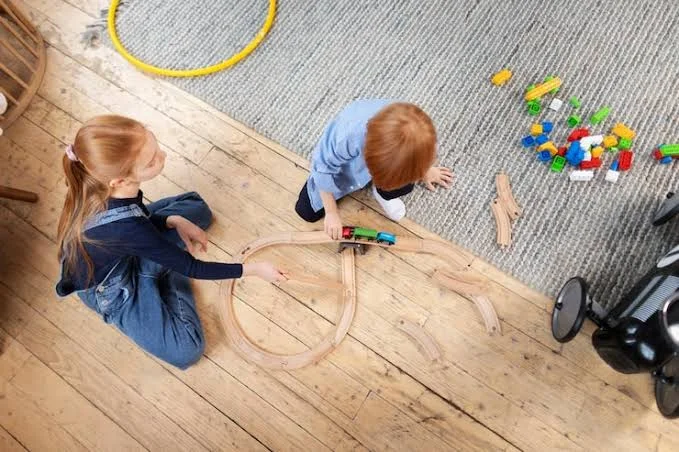
There is a strong pull, especially for first-time parents, to buy special materials or sign up for structured classes. Those things can be lovely. But the research on early brain development points somewhere much simpler.
UNICEF’s guidance on early childhood development is blunt about this: babies and toddlers learn through touch, sight, sound, and movement, and the most powerful tool is a caregiver who talks, responds, and gives them safe things to explore . A wooden spoon and a plastic bowl can do more for a one-year-old than a battery-powered toy that lights up and plays a song on its own.
The reason is serve-and-return. When your toddler bangs the spoon and looks at you, and you look back and say “bang, bang,” you are not just playing. You are building neural connections. UNICEF describes this back-and-forth as early conversation, and it matters more than any specific activity on any list . The activity is just the excuse. The connection is the point.
So as you read through the ideas below, treat them as starting points. The best version of any activity is the one where you follow your child’s lead, respond to what they are interested in, and let the moment stretch or shrink based on their mood.
Read Also: Educational Activities For Kids At Home
Activities That Build Fine Motor Skills and Focus
Fine motor control, the ability to use small muscles in the hands and fingers with precision, is a big deal for toddlers. It is the foundation for drawing, feeding themselves, and eventually writing. But you do not need worksheets or special grips. You need materials that invite grabbing, pinching, stacking, and poking.
Collage with whatever you have. NSW Education suggests making collages with paper, scissors, and glue, using scraps of fabric, dried pasta, cereal, tin foil, pipe cleaners, or natural items like leaves and feathers . The scissors part is for you, not the toddler. A two-year-old with safety scissors will mostly chew the handle. But a toddler can tear paper, squeeze glue, and press pasta onto a page. The point is not a beautiful finished product. It is the pinching, the pressing, and the decision-making about where each piece goes.
Transferring and scooping. Put a pile of dry rice or beans in one bowl and an empty bowl next to it. Give your toddler a spoon or a small cup. Show them how to scoop and pour. This is absorbing work for a toddler, the kind that makes them stick out their tongue in concentration. It also builds hand-eye coordination and the wrist control they will need for self-feeding. Stay close, because dried beans are a choking hazard for children under three.
Stacking and nesting. You do not need fancy blocks. Plastic food storage containers, measuring cups, and empty boxes all work. A toddler stacking cups is learning about size, balance, and gravity. When the tower falls, and it will, they are learning that they can try again. Resist the urge to build it for them. Sit beside them and build your own tower. They will watch, copy, and knock yours down when they are ready.
Playdough, homemade or store-bought. Squeezing, rolling, poking, and pulling playdough strengthens the same muscles used for gripping a pencil later. It also offers a safe way to channel big feelings. A toddler who is frustrated can pound a ball of dough flat. You can make a simple dough with flour, water, salt, and a little oil. No cooking required.
Activities That Get the Whole Body Moving
Gross motor skills, the big movements of running, jumping, climbing, and throwing, need space and permission. Toddlers are built to move. A lot. If they are not moving, they are usually asleep. The challenge is finding ways to let them move safely indoors and out, especially when the weather or your living space is working against you.
Turn a table into a fort. Drape a blanket over a dining table or a couple of chairs. NSW Education points out that blanket forts and cardboard box cubbies encourage imagination and problem-solving . A toddler crawling into a dim, enclosed space is exploring a different world. They are also practicing physical navigation: ducking, crawling, turning around. If you have a large cardboard box, cut a window and a door. Let them decorate it with crayons if they are interested. Many toddlers are not. That is fine. The box itself is enough.
Balls, hoops, and soft obstacles. You do not need a trampoline. A soft ball rolled back and forth across the floor is a social game and a motor skill workout. NSW Education lists balls, rope, and hoops as simple equipment that encourages throwing, catching, jumping, running, and stretching . Inside, use a soft ball and aim for a basket or a laundry hamper. Outside, a balloon kept in the air is a surprisingly good workout for a toddler and a parent. The balloon falls slowly, which gives a toddler time to track it and swat at it.
Dancing and freezing. Put on music you actually like. Hold your toddler’s hands and sway, bounce, or spin. When the music stops, freeze. Then start again. This is a game about listening and control, but it is also pure movement. UNICEF’s early childhood guidance emphasizes singing, clapping, and dancing together as a way to build memory, hearing, and joy . You are not teaching a dance class. You are showing your child that moving feels good.
Everyday chores as movement. Carrying a light laundry basket to the washing machine. Pushing a small stool to the sink. Helping sweep with a child-sized broom. These are not chores in the adult sense. For a toddler, they are heavy work, the kind that engages the whole body and gives a sense of purpose. They also take three times as long, so choose your moments. But a toddler who helps put socks into a drawer is a toddler who is learning that they are a contributing member of the household. That feeling sticks.
Activities That Build Language and Connection
Language does not happen in a quiet room with flashcards. It happens in the messy, noisy, repetitive flow of daily life. The activities below are less about teaching words and more about creating the kind of back-and-forth moments where words naturally take root.
The naming game, everywhere. UNICEF suggests turning dressing, bath time, and meals into language opportunities by naming what you are doing and what your child is interested in . When you put on their shirt, say “this is your shirt. It is blue.” When they point at a banana, pick it up and say “banana. You see the banana.” You are not quizzing them. You are narrating their world. Over time, the words attach to the objects and actions they already understand.
Reading, but not the way you think. You do not have to finish the book. A toddler who wants to turn the pages back and forth, point at the same dog on every page, and skip to the end is still reading. Follow their lead. Name what they point to. Make the animal sounds. If they close the book after two pages, let it go. The goal is not to get through the story. The goal is to make books feel like a warm, low-pressure place to be. If you read the same book forty times, that is not a failure. That is how toddlers learn.
Songs with hand motions. Itsy Bitsy Spider. Twinkle Twinkle. Wheels on the Bus. The songs are simple, but the combination of words, melody, and hand movements does something powerful. It connects language to physical action and rhythm. UNICEF notes that clapping games and simple rhythms build memory and hearing . You do not need a good singing voice. Your toddler does not care. They care that you are doing it with them.
The point-and-learn walk. Whether you are walking around the block or just around the backyard, pay attention to what your toddler notices. If they stare at a bird, point to it and say “bird. The bird is flying.” UNICEF’s parenting guidance describes this as a way to show your child that you care about their interests, which encourages them to keep exploring and communicating . It also builds vocabulary in the most natural way possible: through shared attention.
Activities That Engage the Senses
Sensory play has a reputation for being messy. Some of it is. But sensory experiences are how toddlers understand the physical world. They learn that water is wet, that sand pours, that leaves crunch, that dough squishes. These are not trivial discoveries. They are the raw data of early learning.
Water play, simplified. You do not need a water table. A shallow bin, a few cups, a sponge, and a couple of bath toys will do. Put a towel underneath. Let them pour, squeeze, and splash. If the weather is warm, do it outside. If it is not, do it on the kitchen floor and accept that the floor will get wet. The cleanup is part of the activity. A toddler wiping up water with a towel is still learning.
A sensory bin with dry materials. Fill a bin with dry rice, lentils, or oats. Add small scoops, cups, or toy animals. Let your toddler dig, pour, and bury things. This is calming for many children, the kind of repetitive, hands-on work that settles a restless afternoon. Stay close and watch for mouthing, because dried grains are a choking risk for children who still put things in their mouths.
Nature in a bowl. If you have access to a yard or a park, collect leaves, pinecones, smooth stones, and flower petals. Bring them home in a bowl. Let your toddler touch, sort, and crumple. NSW Education includes natural items like feathers, sand, and leaves in its suggestions for toddler activities . The texture differences, rough, smooth, crunchy, soft, are the point. You can also do this with fabric scraps: velvet, corduroy, silk, burlap.
Food exploration, outside of mealtime. If your toddler is not a adventurous eater, this one can feel risky. But touching food without the pressure to eat it can build comfort. Put a halved orange, a piece of cooked pasta, a slice of cucumber, and a piece of bread on a tray. Let them squish, smell, and lick if they want. Do not make it about eating. Make it about exploring. Some toddlers will ignore it entirely. That is fine. The exposure still counts.
You May Also Like: How To Control Aggressive Child Behavior
How to Make These Activities Work in Real Life?
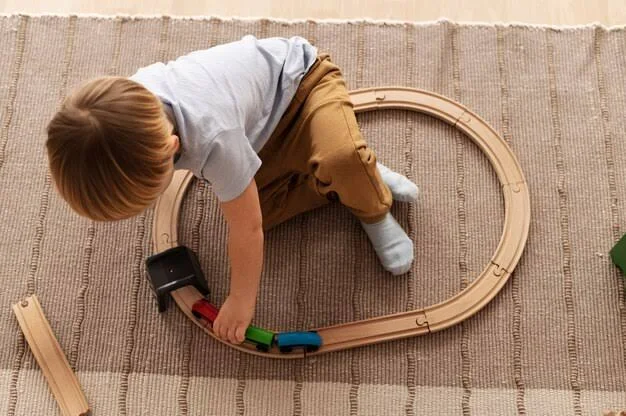
Knowing a list of activities is one thing. Doing them on a Tuesday when you are tired and the toddler is melting down is another. A few practical rules make the difference between an activity that feels like connection and one that feels like a chore.
Follow the child, not the plan. The activity is not the boss. Your toddler is. If you set up a collage and they are more interested in the glue bottle than the paper, let them explore the glue bottle. If they walk away after two minutes, let them. The goal is not completion. The goal is engagement. A two-minute activity that your child chose is worth more than a twenty-minute activity you forced.
Keep it short and repeatable. Toddlers do not need novelty as much as adults do. They need repetition. The same song, the same game, the same book, over and over, is how learning sticks. Do not feel pressure to rotate activities constantly. If your toddler wants to scoop rice every day for a week, let them. You can drink your nurturing activities for toddlers at home.
Do not overstimulate. A toddler’s nervous system is still developing. Too many choices, too much noise, or too many people can tip a good activity into a meltdown. Keep the materials simple. Keep the environment calm. If you notice your child getting faster, louder, or more frantic, that is a signal to slow down or stop, not to push through.
Involve them in your real life. The most nurturing activities are not separate from your day. They are woven into it. Letting a toddler help stir the pancake batter, put their own socks in the drawer, or wipe the table with a damp cloth is not just keeping them busy. It is telling them that they belong in the work of the household. That message matters more than any craft project.
Protect your own energy. You cannot pour from an empty cup, and no list of activities will change that. Some days, the most nurturing thing you can do is sit on the floor while your toddler plays independently nearby. That counts. You are present. You are available. They are learning that they can explore safely while you are there. That is not a failure of activity planning. It is a different kind of connection, and it is just as real.
Conclusion
This guide has not mentioned screens, and that is not because screens are evil. It is because the activities here are alternatives, not rules. If your toddler watches a show while you make dinner, that is not a failure. If you use a tablet on a long car ride, that is not a failure. The goal of nurturing activities is not to fill every waking moment with enrichment. It is to build a rhythm where connection, movement, and exploration have a regular place. Some days that rhythm holds. Some days it does not. The next day is a new chance to try again.
Other Articles
50 Popular Gujarati Surnames Or Last Names With Meanings