

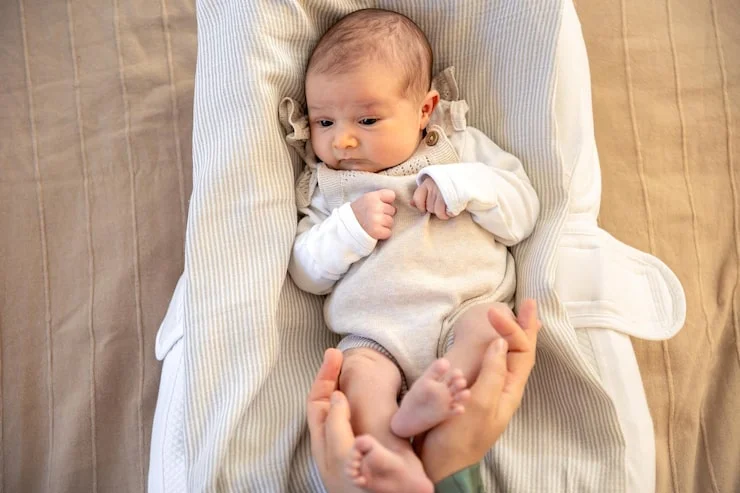
Bringing a newborn home changes everything. Your days fill up with feedings, diaper changes, and watching this tiny person sleep. In the middle of all that, you might look at your baby's delicate skin and wonder if you are doing enough. The baby product aisle does not help. It bursts with lotions, washes, and creams, each one promising to be the best for your baby.
Here is the simple truth. A newborn does not need much. Their skin is still adjusting to the world outside the womb, and the best thing you can do is give it time and gentle care. This guide walks you through a real routine, step by step, with the reasons behind each choice. By the end, you will know exactly what to do and, just as important, newborn baby skincare routine.
Why Newborn Skin Needs a Different Approach?

Your baby's skin is not just a smaller version of yours. At birth, the top layer is very thin and easy to damage . It takes about a month, sometimes longer for babies born early, for that skin to build its own protective barrier . That means everything you put on your baby's skin, or leave off, matters more than you might think.
Nature gives your baby a head start. Most newborns arrive covered in a white, creamy substance called vernix. Some parents mistake it for something to scrub away. Do not do that. Vernix works as a natural moisturizer and helps protect against infection in the first few days . Hospitals that follow current guidance leave it on the skin to absorb on its own . If you see it in the first days, let it be.
Once vernix absorbs, your baby's skin will go through normal changes. Peeling is common, especially on the hands and feet, and it is not a sign of a problem . Your baby's skin is simply shedding the outer layer it no longer needs. Dry patches can appear too. None of this calls for a heavy product routine. It calls for patience and a light touch.
Read Also: How To Help A Baby With Hiccups
How Often to Bathe Your Newborn?
This is one of the first questions every new parent asks, and the answer surprises many. Newborns do not need a bath every day. Three baths per week during the first year is generally enough . Bathing more often can dry out that thin, sensitive skin .
On the days between baths, you still need to keep your baby clean. A top-and-tail wash works well. Use a soft cloth with plain warm water to wipe the face, neck, hands, and diaper area . Pay attention to the folds under the arms, behind the ears, and around the neck, where milk or moisture can collect. These small cleanups take a few minutes and keep your baby fresh without stripping the skin.
One thing to know before the first real bath: wait until the umbilical cord stump falls off. Until then, sponge baths are the safe choice . The stump usually drops off within one or two weeks. Once it is gone and the area looks healed, you can move to tub baths. Some hospitals now say it is fine to bathe with the stump in place if you dry it well afterward, but sponge baths remain the standard advice for most parents at home .
The First Bath: A Simple Step-by-Step
The first bath can feel intimidating. Your baby is small and slippery when wet. A little preparation makes it easier for both of you.
Get everything ready before you start. You need a basin or baby tub with a few inches of warm water, a soft washcloth, a dry towel, a clean diaper, and fresh clothes. Test the water with your inner wrist or elbow. It should feel warm, not hot. Around 100 degrees Fahrenheit is a good target . Keep the room warm too, because babies lose heat quickly when wet.
Lay your baby on a flat, padded surface for a sponge bath, or lower them into the tub once the cord has healed. Support the head and neck with one hand at all times. Start with the face, using only water and a cloth. Wipe each eyelid gently from the inside corner to the outside . Move down the body, washing the folds carefully. Save the diaper area for last.
Keep the bath short. Five to ten minutes is plenty . When you finish, pat the skin dry rather than rubbing. Pay extra attention to the folds, where moisture can linger. Then put on a fresh diaper and dress your baby right away to keep them warm.
Do You Need Soap and Lotion?
For the first month, plain water is enough for most babies . Your baby is not getting dirty in the way an older child does. They do not sweat much and their skin does not produce much oil. Water cleanses effectively without disturbing the skin barrier.
If you choose to use a cleanser, pick one made for babies. Look for labels that say fragrance-free and hypoallergenic. Avoid anything with dyes, alcohol, or strong perfumes . Use only a small amount and rinse it off completely. The same rule applies to shampoo. Most newborns do not need shampoo at all unless they have a lot of hair or oily scalp.
Moisturizer is a similar story. You do not need to apply lotion to a newborn's whole body every day. If you notice dry patches, a thin layer of a gentle, fragrance-free baby lotion can help. Apply it within a couple of minutes after a bath, while the skin is still slightly damp, to lock in moisture. Wait until your baby is at least four weeks old before using any moisturizer, and six weeks if your baby was premature .
Some products should stay off your baby entirely. Skip talcum powder, which can cause breathing problems if inhaled. Avoid adult lotions and oils. Do not use olive oil or other cooking oils on your baby's skin. Research has linked some vegetable oils to a higher risk of eczema and other skin issues .
Diaper Area Care

The diaper area needs attention every day, but it does not need a complex routine. Change your baby every two to four hours, or right after they poop . This keeps moisture and waste from sitting against the skin.
For cleaning, plain water and a soft cloth work best . If you use baby wipes, choose ones that are hypoallergenic and free of alcohol and lanolin. Some parents find that even gentle wipes irritate their newborn's skin, so water and cloth remain the safest choice in the early weeks.
Diaper rash happens to almost every baby at some point. When it does, a zinc oxide cream creates a barrier between the skin and the irritants in urine and stool . Apply a thick layer at each change. Let your baby's bottom air out when you can, even for a few minutes during the day. If the rash does not improve after a few days of home care, or if it looks bright red with small bumps around the edges, call your baby's doctor. A yeast infection may need a different treatment.
You May Also Like: Newborn Feeding Tips For First Time Moms
Common Skin Issues and What to Do
Newborn skin goes through a lot of changes. Most of what you see is normal and will clear up on its own. Knowing what to expect helps you stay calm and avoid unnecessary products.
Cradle cap looks like yellowish, greasy scales on the scalp. It is not itchy or painful, and it does not bother your baby. For most babies, it goes away by six to twelve months . You can help loosen the scales by washing the hair more often, every other day or so, with a fragrance-free baby shampoo. If the scales are stubborn, put a small amount of baby oil on the scalp before bath time, then gently massage with your fingers or a soft brush while shampooing . Never pick or scratch at the scales. If the area spreads beyond the scalp, looks inflamed, or smells bad, see your doctor.
Heat rash shows up as tiny red bumps or small blisters, often in the neck folds, chest, or diaper area. It happens when sweat glands get blocked, usually because your baby is wearing too many layers or is in a hot, humid room . The fix is simple. Cool your baby down with a cool bath or cool cloth, dry the skin completely, and dress them in loose cotton clothing. Leave the area open to air when possible. Do not apply thick ointments, which can block the glands further .
Baby acne looks like small pimples on the face, often appearing around two to four weeks of age. It is caused by hormones from the mother and clears up on its own. Wash the face with plain water and do not apply any creams or oils. It will pass.
Eczema is different from these passing conditions. It causes dry, red, itchy patches and can appear on the face, neck, or outer arms and legs . If you suspect eczema, the first step is careful skin care. Use only fragrance-free, hypoallergenic products. Apply moisturizer regularly to dry areas. If the rash does not improve with good skin care, or if your baby seems uncomfortable, see a doctor. Eczema is manageable, and early care makes a difference.
Sun Protection for Newborn Skin
Babies under six months should be kept out of direct sunlight. Their skin is too thin and sensitive for sun exposure, and sunscreen is not recommended for this age group . When you go outside, use shade, lightweight clothing that covers the arms and legs, and a hat with a brim. Plan walks for early morning or late afternoon when the sun is weaker. If you cannot avoid being outside in bright sun, keep your baby in a stroller with a canopy or under a tree.
Setting Up a Routine That Works for Your Family
A newborn skincare routine does not need to be complicated or time-consuming. In fact, the simpler it is, the easier it is to stick with. Here is what a typical week might look like.
Most days, you will do quick cleanups. A soft cloth with warm water for the face, neck, hands, and diaper area takes a few minutes. Change diapers frequently and apply a barrier cream if you notice any redness.
Two or three times a week, give a full bath. Use plain water or a small amount of gentle baby cleanser. Keep it short and warm. Dry carefully in the folds. Apply a thin layer of baby lotion if the skin looks dry.
Once a week or so, check your baby's scalp. If you see flakes, wash the hair with baby shampoo and gently loosen any scales with a soft brush. Do not pick at them.
Every day, look at your baby's skin. You do not need to do anything most of the time. Just notice. If you see a rash that worries you, or a patch that is getting worse instead of better, call your baby's doctor. You are not overreacting by asking. You are doing exactly what a good parent does.
Conclusion
Your newborn's skin is designed to take care of itself with a little help from you. The routine that works best is built on a few simple habits. Bathe less often than you might think. Use plain water for the first month. Choose fragrance-free products when you do use them. Keep the diaper area clean and dry. Let vernix absorb. Leave cradle cap alone. Keep your baby out of the newborn baby skincare routine.
The products on the shelf are not the answer. Your attention and gentle care are. If you ever feel unsure about a skin issue, call your baby's doctor. That is what they are there for. You are learning, and your baby's skin will thrive with the simple, steady care you give.
Other Articles
50 Popular Gujarati Surnames Or Last Names With Meanings