
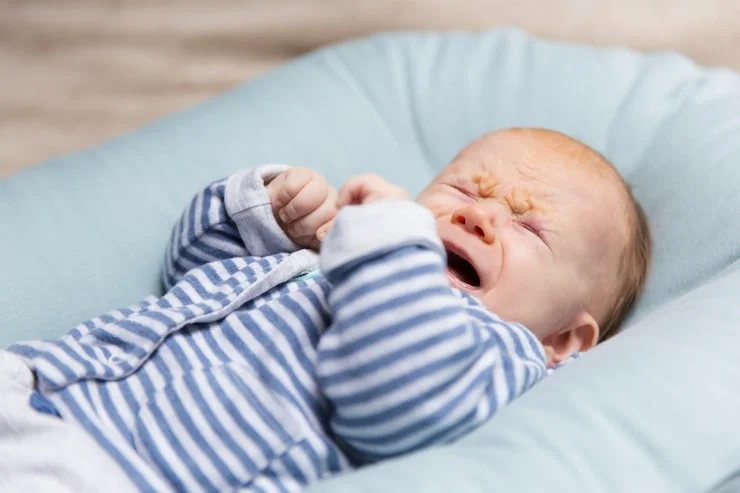
You are holding a small baby who has just finished eating. The bottle is empty, or the breast is away, and the baby is calm. Then it starts. A tiny, rhythmic "hic" that shakes their whole body. If you are a new parent, this can feel alarming. You might wonder if something is wrong or if your baby is uncomfortable.
Here is the reassuring truth: hiccups in babies are incredibly common, completely normal, and almost always harmless. In fact, they usually bother the parent much more than the infant . Your baby can hiccup even before they are born, and many mothers feel those tiny flutters during pregnancy .
This guide will walk you through exactly what causes these spasms, the gentle methods you can use to help your baby find relief, and the specific situations where you should stop worrying about home remedies and how to help a baby with hiccups.
Why Does Your Baby Get Hiccups?

To understand how to stop them, it helps to know what is happening inside that tiny body. A hiccup is an involuntary spasm of the diaphragm, which is the large muscle at the base of the lungs that controls breathing . When this muscle suddenly contracts, your baby takes a quick breath of air. That air hits their closed vocal cords, creating the distinctive "hic" sound you hear.
For babies, this muscle is still learning how to work in perfect rhythm. While doctors do not know the exact single cause, the most common trigger is a full or expanding stomach. When a baby eats too quickly, swallows a lot of air, or simply has a very full belly, the stomach presses against the diaphragm and irritates it . This is why hiccups so often strike right in the middle of a feed or shortly after.
Read Also: How To Change A Newborn Diaper Properly
How to Help a Baby with Hiccups?
You do not need to rush to the kitchen for a glass of water or try any old wives' tales. Babies need a much gentler approach. If your baby seems bothered by the hiccups, or if they are interrupting a feed, try these practical steps.
Pause and Burp
If the hiccups start while your baby is eating, stop the feeding. Continuing to feed a hiccuping baby can cause them to swallow even more air, which makes the situation worse . Sit them upright and try to get a burp out. You can hold them against your shoulder, sit them on your lap, or lay them face down across your legs, always supporting their head so it is higher than their chest . The change in position and the release of trapped air often calms the diaphragm.
Change Their Position
Sometimes, simply shifting how your baby is sitting can interrupt the spasm. If you are feeding them lying down, bring them up to a more upright angle. Gravity can help settle the milk in their stomach and take pressure off the diaphragm.
Offer a Pacifier
The rhythmic sucking motion of a pacifier can help relax the diaphragm and settle the baby's breathing pattern . If your baby uses one and is not too hungry, this is a simple, low-effort way to see if the hiccups will fade.
Wait It Out
This is often the hardest advice for a proactive parent to follow, but it is usually the most effective. Most bouts of baby hiccups resolve on their own within a few minutes. If they stop, you can gently resume feeding. If they do not stop after five or ten minutes, try feeding for just a few minutes; the sucking and swallowing motion often resets the diaphragm and stops the hiccups
What Not to Do?
Because hiccups are a common annoyance, you might be tempted to try remedies that work for adults. Do not do this. Never try to scare your baby, pull their tongue, or give them water or sugar to cure hiccups . These methods are not safe for infants and can cause choking or distress. Stick to the gentle physical adjustments listed above.
You May Also Like: How To Tell If Baby Is Too Hot While Sleeping
How to Prevent Hiccups Before They Start?

If your baby seems prone to frequent hiccups, you can adjust your feeding routine to reduce the chances of them starting.
-
Feed before they are frantic: Try to feed your baby when they are calm and showing early hunger cues, rather than waiting until they are crying and desperately hungry. A frantic baby gulps air, which is a primary trigger for hiccups .
-
Pace the feeding: If you are bottle-feeding, make sure the nipple flow is not too fast. If milk is dripping out faster than your baby can swallow, they will take in air. You can also pause every few ounces to burp them, even if they seem fine .
-
Keep them upright: Holding your baby upright for twenty to thirty minutes after feeding can help their stomach settle and reduce the pressure that leads to hiccups and spit-up.
When Hiccups Are a Sign of Something More?
In the vast majority of cases, hiccups are just a normal part of being a baby. However, because hiccups can sometimes be linked to gastroesophageal reflux (GERD), you should pay attention to the full picture. Reflux happens when stomach acid backs up into the esophagus, and persistent hiccups can be one symptom of that irritation .
You should call your pediatrician if the hiccups are accompanied by any of these signs:
-
Signs of reflux: Your baby is arching their back during or after feeds, crying excessively, or spitting up frequently along with the hiccups .
-
Feeding troubles: Your baby is refusing to eat, coughing or choking during feeds, or is not gaining weight properly .
-
Breathing issues: You notice any difficulty breathing, or a bluish tint around the lips or face.
-
Hiccups that will not quit: While rare in infants, if the hiccups last for more than an hour or seem to be physically exhausting your baby, it is worth a check-in with the doctor .
Conclusion
It is easy to feel helpless when your tiny baby is hiccuping and you cannot fix it immediately. But remember that your baby is not in pain. They are just experiencing a tiny muscle spasm in a body that is still figuring out how everything works. Hold them close, keep them upright, and trust that the hiccups will pass. If you ever feel unsure, you can always call your pediatrician for peace of mind.
Other Articles
Home Remedies For Leg Cramps During Pregnancy
50 Popular Gujarati Surnames Or Last Names With Meanings