


Learning to change a newborn diaper properly is one of the first hands-on skills every new parent must master. You will do this simple task thousands of times over the next few years. Getting it right from the beginning protects your baby’s delicate skin, prevents infections, and builds a foundation of trust and comfort between you and your little one. This guide walks you through every detail, from setting up your space to handling messy surprises, with clear steps and practical tips you can use starting today.
What Supplies Do You Need Before You Start?
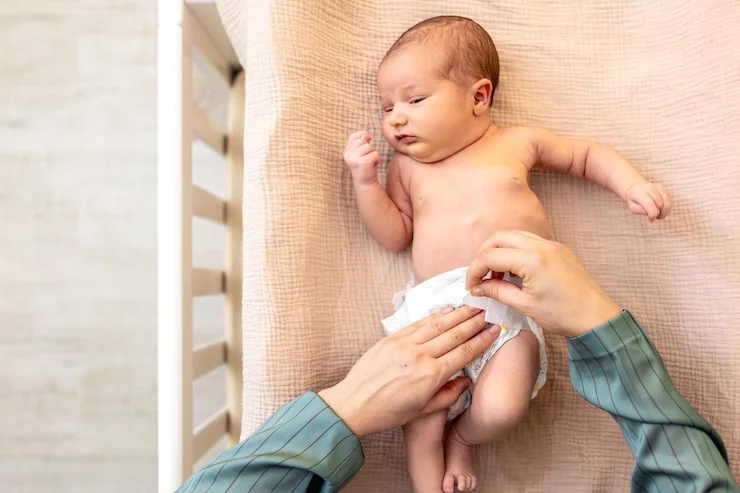
Having everything within arm’s reach before you begin is the single most important safety habit. You should never leave a newborn alone on a changing surface, not even for one second, because babies can roll or wiggle off in an instant.
Gather these items and place them on your changing table or beside your floor mat:
-
A clean diaper. For newborns, choose a diaper sized for their current weight. Most newborn diapers fit babies up to about 10 pounds.
-
Baby wipes or cotton balls with warm water. Fragrance-free and alcohol-free wipes are gentlest on newborn skin. If your baby has very sensitive skin, plain warm water on cotton balls or a soft washcloth is the safest choice.
-
Diaper cream or barrier ointment. You only need this if there is redness or a rash. A product with zinc oxide creates a protective barrier between the skin and moisture.
-
A spare cloth or towel. Place this under your baby or keep it handy to catch unexpected pee or poop mid-change.
-
A change of clothes. Newborns have blowouts and leaks. Having a clean onesie or sleeper nearby saves you a trip across the room.
-
A trash can or diaper pail. Keep it close so you can dispose of the dirty diaper without stepping away from your baby.
If you are changing diapers on a floor mat instead of a table, sit or kneel beside your baby. This position is actually recommended by safety organizations because it eliminates any risk of falling.
How Do You Prepare Your Baby and the Space?
Before you undress your baby, take a moment to set yourself up for success. Place a clean diaper under your baby’s bottom before you remove the dirty one. This trick means you already have the fresh diaper in position and can move quickly if your baby decides to pee again.
Wash your hands with soap and water or use hand sanitizer before starting. This prevents passing any germs to your baby’s sensitive genital area.
Lay your baby on their back on a flat, padded surface. If you are using a changing table, keep one hand on your baby’s belly at all times. Newborns cannot roll over on their own yet, but they can squirm and kick with surprising force.
Talk to your baby in a soft, calm voice while you work. Say what you are doing: “I’m going to lift your legs now,” or “Let’s get you clean and dry.” This builds security and turns diaper changes into bonding time rather than a stressful chore. Singing a song or making eye contact also helps babies feel safe and engaged.
Undress your baby’s lower half. If the diaper is only wet, this is straightforward. If there is poop, be careful not to drag soiled clothing across the skin. You can tuck clean clothing up and out of the way rather than removing it completely.
What Is the Correct Step-by-Step Method for Changing a Diaper?
Step 1: Remove the Dirty Diaper
Open the diaper tabs and fold them back so they do not stick to your baby’s skin. If the diaper is only wet, simply lift your baby’s legs gently by holding both ankles with one hand and slide the diaper out from underneath.
If the diaper contains poop, use the front, clean part of the diaper to wipe away as much mess as possible before removing it. Fold the diaper inward so the soiled side stays contained, then set it aside out of your baby’s reach.
Step 2: Clean Your Baby’s Bottom Thoroughly
This is the step where technique matters most. Always wipe from front to back, moving from the genitals toward the anus. This direction prevents bacteria from the bowel from reaching the urinary tract, which is especially important for baby girls because their urethra is short and close to the anus.
For baby girls: Gently separate the labia and wipe downward with a clean wipe or damp cotton ball. Do not wipe inside the vaginal opening itself. A small amount of white or slightly bloody discharge is normal in the first few weeks due to maternal hormones, but you should mention any concerns to your pediatrician.
For baby boys: Gently lift the scrotum to clean underneath. If your son is uncircumcised, do not pull back the foreskin. It is still attached to the head of the penis and forcing it back can cause pain and injury. Simply wipe what you can see and let the foreskin separate naturally over time.
If your baby has very sensitive skin or a rash, use warm water and soft cotton balls instead of commercial wipes. Pat the area dry with a soft cloth rather than rubbing, which can irritate skin further.
Step 3: Apply Diaper Cream If Needed
You do not need to use diaper cream at every change. Apply it only if you see redness or irritation. A thin layer of zinc oxide cream or petroleum jelly creates a barrier that protects skin from moisture and stool enzymes.
If your baby’s bottom is clear and dry, skip the cream and go straight to the fresh diaper. Using too much product when it is not needed can actually trap moisture against the skin.
Step 4: Put On the Clean Diaper
Slide the clean diaper under your baby with the back half (the side with the tabs) at waist level and the front half coming up between the legs. For most disposable diapers, the absorbent padding is in the front for boys and more centered for girls.
Pull the front of the diaper up over your baby’s belly. Fasten the tabs on each side, making sure the diaper fits snugly but not too tight. You should be able to slide two fingers under the waistband. If the diaper leaves red marks on your baby’s skin, it is too tight.
Important for newborns: If your baby still has the umbilical cord stump, fold the front of the diaper down below the stump. This keeps the area dry and prevents the diaper from rubbing against the cord, which can cause irritation or bleeding. The stump needs air to dry out and fall off naturally.
Also, pull out the leg ruffles or gussets around each thigh. These inner flaps prevent leaks, but they only work if they are not folded inward.
Step 5: Clean Up and Wash Your Hands
Dispose of the dirty diaper in your diaper pail or trash can. If the diaper contained solid stool, you can shake the solids into the toilet before throwing the diaper away, though this is more relevant for older babies on solid foods.
Wash your hands thoroughly with soap and water. This protects both you and your baby from the spread of germs.
How Often Should You Change a Newborn’s Diaper?
Newborns need frequent diaper changes, typically every two to three hours during the day and sometimes more often at night. A good rule is to change your baby whenever the diaper is wet or soiled, which usually works out to six to eight changes per day in the early weeks.
Breastfed newborns tend to have more frequent bowel movements than formula-fed babies. Some breastfed babies poop after every feeding, while others might go several days between stools once they are a few weeks old.
Do not wait for a diaper to be completely full before changing it. Prolonged contact with wetness and stool is the main cause of diaper rash. If you notice your baby is uncomfortable, fussy, or has not been changed in a couple of hours, check the diaper.
At night, you do not need to wake a sleeping baby just to change a wet diaper, unless they have a rash or are uncomfortable. However, always change a dirty diaper right away, even if it means waking your baby briefly.
Why Is Wiping Front to Back So Important?
The direction you wipe matters more than most new parents realize. The anus contains bacteria that are normal in the bowel but harmful if they reach the urinary tract. In baby girls, the urethra (the tube that carries urine out of the body) is very short and sits close to the vagina and anus. Wiping from back to front can drag fecal bacteria to the urethral opening, which can lead to a urinary tract infection.
Urinary tract infections in newborns are serious. They can cause fever, poor feeding, lethargy, and jaundice, and if left untreated, they can damage the kidneys. Something as simple as wiping in the correct direction helps prevent this.
For baby boys, the risk of wiping direction is lower because the urethra is longer, but the same principle applies. Always wipe away from the body, moving from the penis toward the anus.
What Should You Do If Your Baby Has a Diaper Rash?
Diaper rash looks like red, irritated skin in the diaper area. It can be mild with just a few red spots or more severe with blisters and broken skin. Most babies get diaper rash at some point, no matter how careful you are.
The best treatment is simple: change diapers more frequently, keep the skin clean and dry, and use a barrier cream. Zinc oxide creams are excellent for protecting irritated skin. If you can, let your baby go without a diaper for short periods to let the skin air out.
Avoid using baby powder, cornstarch, or talc in the diaper area. Inhaling these powders can irritate a baby’s lungs, and they do not help with rash treatment.
If the rash does not improve after a few days of home care, or if it spreads to the belly or thighs, call your pediatrician. A rash that is bright red with small red dots around the edges might be a yeast infection, which needs an antifungal cream.
How Do You Handle Diaper Changes for a Baby with an Umbilical Cord Stump?
The umbilical cord stump usually falls off on its own within one to three weeks after birth. Until it does, you need to keep the area clean and dry.
During diaper changes, fold the front of the diaper below the stump so it is not covered. This allows air to reach the area and prevents urine or stool from soaking into the cord.
If the cord gets dirty, clean it gently with a cotton swab dipped in cool boiled water. Dry it with a soft cloth. You do not need to use alcohol or antiseptic solutions unless your doctor specifically recommends them, as these can actually delay the cord falling off.
Call your baby’s doctor if you notice redness around the base of the cord, a foul smell, pus-like discharge, or if the cord has not fallen off after four weeks.
What If Your Baby Pees or Poops During the Change?
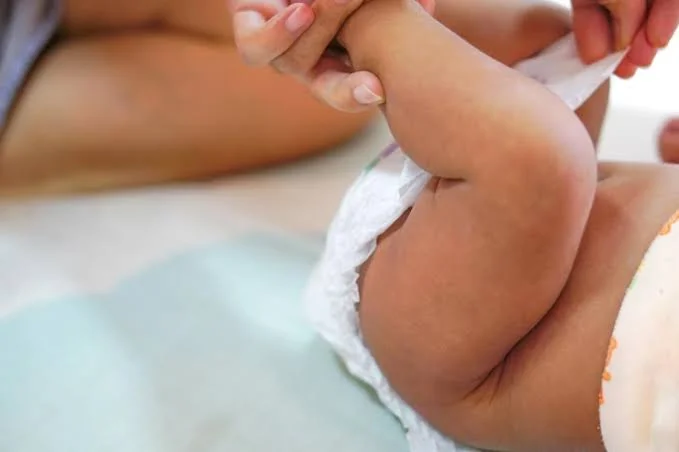
This happens to every parent, often multiple times a day. The key is to stay calm and have a plan.
For boys, a sudden spray of urine is common, especially when cool air hits the penis. You can drape a clean cloth over the penis while you work, or simply work quickly. Some parents open the diaper briefly, close it again, and wait a few seconds for the pee to happen before proceeding.
For poop explosions during a change, use the dirty diaper or a spare cloth to catch what you can. Keep a waterproof pad under your baby to protect the changing surface. If poop gets on your baby’s clothes, change them. If it gets on you, well, that is part of the job. Wash your hands afterward and move on.
How Can You Make Diaper Changes Easier and More Enjoyable?
Diaper changes do not have to be a battle. With a few small adjustments, they can become a pleasant part of your daily routine with your baby.
Keep a well-stocked diaper station. Whether you use a changing table, a basket on the floor, or a diaper caddy, having supplies organized and within reach means you can focus on your baby instead of searching for wipes.
Use the time to connect. Talk, sing, smile, and make eye contact. Your baby learns that diaper changes are safe and predictable, and you both get a few minutes of focused attention.
Distract a wriggly baby with a toy or a song. As babies get older and more mobile, they may resist lying still. A special toy reserved only for diaper changes can help.
Respond to your baby’s cues. If they are crying or upset, pause and comfort them. You can finish the change in a moment. A calm baby is easier to clean than a thrashing one.
When Should You Call the Doctor?
Most diaper changes are routine, but some situations need medical attention.
Call your pediatrician if you notice:
-
Diaper rash that does not improve after several days of treatment or that spreads beyond the diaper area.
-
Blisters, open sores, or bleeding in the diaper area.
-
Signs of infection in the umbilical cord stump: redness, swelling, foul smell, or pus.
-
Changes in urine or stool that concern you, such as blood in the stool, very dark urine, or a strong unusual odor.
-
Your baby seems to be in pain during diaper changes or urinates very little.
Trust your instincts. If something seems wrong, it is always better to ask.
Frequently Asked Questions
Can I use baby wipes on a newborn?
Yes, but choose wipes that are free of fragrance, alcohol, and harsh chemicals. For the first few weeks, many parents prefer plain warm water and cotton balls because newborn skin is so delicate. If you notice redness or irritation after using wipes, switch to water and soft cloths.
How do I know if the diaper is too tight?
You should be able to slide two fingers comfortably under the waistband. The diaper should not leave red marks on your baby’s skin. If it does, loosen the tabs or try a larger size.
Do I need to use diaper cream at every change?
No. Use diaper cream only when there is redness or a rash. For everyday changes on clear, healthy skin, a clean and dry bottom is enough. Some parents use a thin layer of petroleum jelly as a preventive barrier if their baby is prone to rashes.
What should I do if my baby’s diaper leaks overnight?
Check the diaper fit. Leaks often happen when the diaper is too loose or too small. Make sure the leg ruffles are pulled out and the waistband is snug. If leaks continue, try a different brand or size. You can also use a waterproof pad under your baby’s sheet to protect the mattress.
Is it normal for a newborn girl to have discharge or bleeding?
Yes. Baby girls sometimes have a small amount of white or slightly bloody discharge from the vagina in the first few weeks. This is caused by hormones passed from the mother before birth. It is normal and will go away on its own. Just wipe it away gently during diaper changes.
Conclusion
Changing a newborn diaper properly is a skill you will develop with practice. The essential steps are simple: prepare your supplies, keep one hand on your baby at all times, wipe front to back, apply cream only when needed, and fasten the diaper snugly below the cord stump. Frequency matters as much as technique, so change diapers often to keep your baby’s skin dry and healthy.
Every diaper change is also an opportunity to connect with your baby. Talk to them, smile, and make the experience calm and predictable. Before long, what feels awkward and slow will become second nature. You will be able to do it in the dark, half-asleep, without missing a beat. That is not just a skill. It is love in action, one diaper at a time.
Other Articles
50 Popular Gujarati Surnames Or Last Names With Meanings