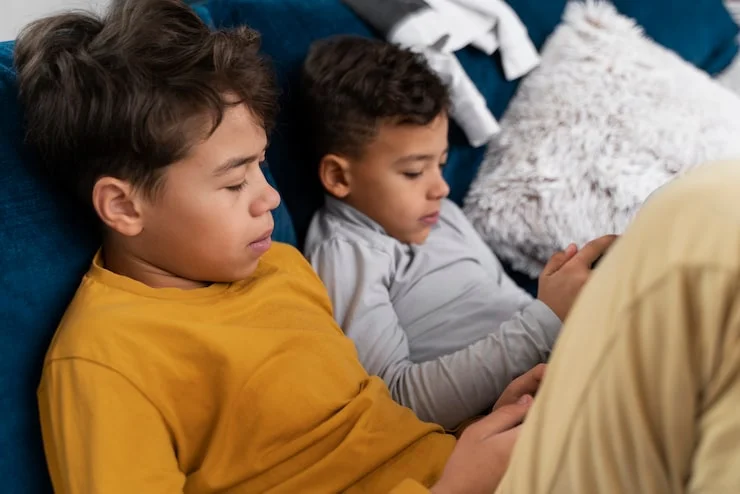

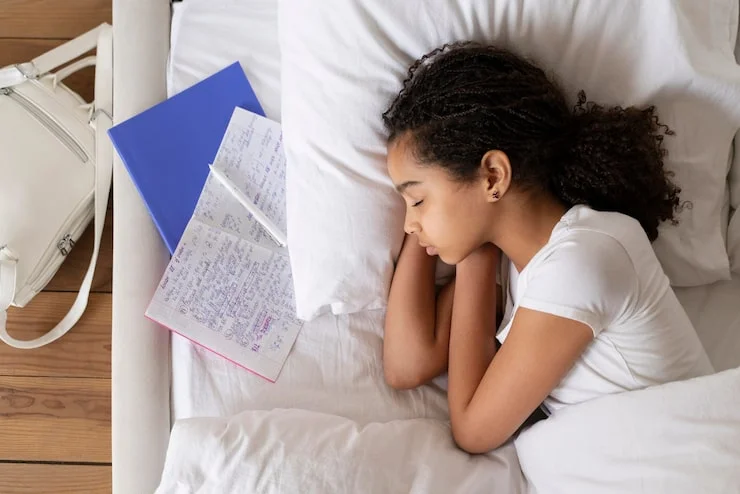
Getting a child to sleep well feels like a puzzle with moving pieces. One night they drift off peacefully at 7:30. The next night they are wide awake at 9, asking for water, another story, or one more trip to the bathroom.
If bedtime in your home often turns into a battle, you are not alone. Many parents struggle with this. The good news is that sleep is a skill. Children can learn it, and parents can teach it. With the right approach, bedtime can shift from the hardest part of your day to a calm, predictable routine that everyone looks forward to.
This guide covers what healthy sleep actually looks like for children at different ages, why it matters so much, and the specific steps you can take tonight to help your child sleep better.
Why Your Child's Sleep Matters More Than You Think?
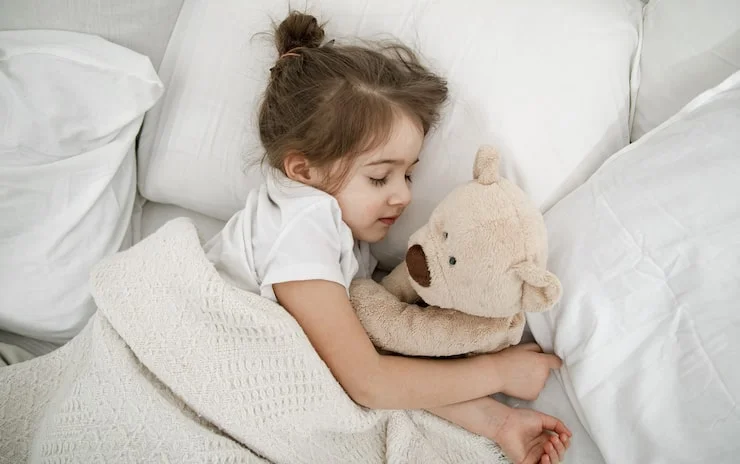
Sleep is not just rest. For a growing child, it is active work. The body releases growth hormones during deep sleep. The brain sorts through new information, stores memories, and clears out waste. Without enough sleep, these processes do not finish properly.
The effects of poor sleep show up quickly. A tired child may have trouble paying attention in school, forget things easily, or feel irritable and emotional over small problems. Some children become hyperactive instead of sluggish when they are overtired. Teachers might notice problems with focus or behavior before parents realize sleep is the root cause.
Over time, ongoing sleep problems can affect physical health, mood, and the ability to learn. This is why pediatric sleep specialists say that helping a child sleep well is one of the most important things a parent can do.
Read Also: Signs Of Vitamin Deficiency In Children
How Much Sleep Does Your Child Actually Need?
Sleep needs change as children grow. The American Academy of Sleep Medicine provides clear guidelines for each age group:
Babies (4 to 12 months) need 12 to 16 hours of sleep in a 24-hour period, including naps.
Toddlers (1 to 2 years) need 11 to 14 hours, including naps.
Preschoolers (3 to 5 years) need 10 to 13 hours. Some children this age still nap, while others have dropped the nap entirely.
School-age children (6 to 12 years) need 9 to 12 hours of sleep each night.
Teenagers (13 to 18 years) need 8 to 10 hours.
These numbers are daily targets, not suggestions. A six-year-old who gets eight hours of sleep is not just slightly short. They are missing a full hour or more of the sleep their brain and body need to function well.
If you are unsure whether your child is getting enough, watch their behavior in the late afternoon. A child who melts down easily, seems wired, or falls asleep in the car during short trips is likely not getting enough rest at night.
The Building Blocks of Healthy Sleep
Healthy sleep does not happen by accident. It comes from a set of habits and conditions that work together. These habits are often called sleep hygiene, which simply means the daily practices that support good sleep.
The most important building blocks are:
A consistent schedule. Going to bed and waking up at roughly the same times every day, including weekends, helps the body's internal clock stay steady.
A calming bedtime routine. The hour before bed should help your child slow down, not wind up.
A sleep-friendly bedroom. The room should be dark, quiet, and cool.
Limited screens before bed. Electronic devices interfere with the body's natural sleep signals.
The right timing for food and drinks. Heavy meals, caffeine, and too much liquid close to bedtime can disrupt sleep.
Daytime activity. Physical activity during the day helps children fall asleep more easily at night.
Each of these matters. When they work together, they create a strong foundation. When one is missing, sleep often suffers.
Building a Bedtime Routine That Actually Works
A bedtime routine is not just a nice idea. It is a signal to your child's brain that sleep is coming. When the same steps happen in the same order every night, the brain learns to start winding down automatically.
The best routines are short and simple. For younger children, 20 to 30 minutes is plenty. Here is what a typical routine might look like:
Step 1: Wind down the house. About an hour before bed, turn off screens. Lower the lights. Dim the noise. If other family members are still active, try to keep the energy calm in the areas near your child's bedroom.
Step 2: Handle the basics. Have your child use the bathroom, brush teeth, and put on pajamas. These steps signal that the day is ending.
Step 3: Do something quiet together. Read a book, sing a quiet song, or talk about the day. The goal is connection and calm, not excitement.
Step 4: Say goodnight. Tuck your child in, offer a hug or a kiss, and leave the room. For younger children, a consistent goodnight phrase or a small ritual can feel comforting.
One key detail: put your child to bed when they are drowsy but still awake. This teaches them to fall asleep on their own, which is a skill they will use for life.
Dealing With the Most Common Bedtime Problems
Even with a solid routine, problems come up. Here are some of the most common ones and what actually helps.
Your child keeps getting out of bed
This is one of the most exhausting problems for parents. The solution is consistency, even when it feels tedious. Each time your child comes out, calmly walk them back to bed. Keep your words short and boring. Do not engage in long conversations or give in to requests for water, snacks, or one more hug. The message should be clear: bedtime means staying in bed.
It may take many trips back to bed the first few nights. If you stay consistent, the behavior usually fades.
Your child is afraid of the dark
Fear of the dark is normal for young children. A dim night light can help. Choose one with a warm red or orange glow. These colors are less likely to interfere with melatonin, the hormone that helps children feel sleepy.
You can also do a quick "safety check" of the room together before bed. Look in the closet, check under the bed, and reassure your child that they are safe. This simple ritual can ease worries without reinforcing the fear.
Your child wants you to stay in the room
Some children need a parent present to fall asleep. If you want to help your child learn to fall asleep alone, you can do it gradually. Start by sitting near the bed. Over several nights, move your chair a little farther away. Eventually, you can sit by the door, then in the hallway. The goal is to slowly reduce your presence while your child learns that they can fall asleep on their own.
Creating a Bedroom That Invites Sleep
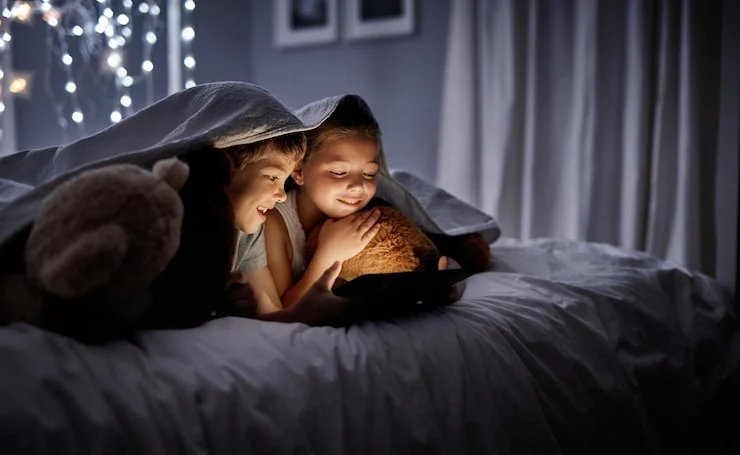
The bedroom sends signals to your child's brain. If the room is bright, noisy, or filled with toys and screens, it says "playtime." If it is dark, quiet, and calm, it says "sleep."
Light. Darkness tells the body to release melatonin. Use blackout curtains if outside light is a problem. If your child needs a night light, choose a dim, warm-toned one.
Sound. Some household noise is hard to control. Soft furnishings like rugs and curtains can absorb sound. A white noise machine or a fan can also mask background noise and provide a steady, soothing sound.
Temperature. Most children sleep best in a room that is slightly cool. Aim for around 65 to 70 degrees Fahrenheit (18 to 21 degrees Celsius).
Clutter. Toys, games, and screens can be distracting. If possible, keep play items in another room. If that is not an option, put them away as part of the bedtime routine so the room feels calm.
Screens. Keep phones, tablets, and TVs out of the bedroom entirely. If that is not possible, make sure they are turned off and charging somewhere else overnight.
You May Also Like: Healthy Weight Gain For Underweight Child
The Screen Time Problem
Screens are one of the biggest challenges to healthy sleep in modern homes. The blue light from phones, tablets, and TVs suppresses melatonin, the hormone that makes children feel sleepy. Even if a child falls asleep with a screen on, the sleep is often lighter and less restorative.
But light is only part of the problem. Games, videos, and social media are designed to be engaging. They keep the brain alert and make it hard to shift into sleep mode.
The recommendation from children's health experts is clear: no screens for at least one hour before bed. For younger children, the gap should be even longer.
If your child struggles with screen limits, involve them in making the rules. Children are more likely to follow rules they helped create. You might agree on a "screen curfew" time and decide together where devices will charge overnight, such as in the kitchen or living room.
When to Talk to a Doctor?
Most sleep problems in children are behavioral. They improve with consistent routines and healthy habits. But some sleep issues need medical attention.
Talk to your child's doctor if you notice:
Loud snoring or pauses in breathing during sleep. This can be a sign of obstructive sleep apnea, a condition where breathing is blocked during sleep. It is more common than many parents realize and can affect behavior and learning if untreated.
Extreme daytime sleepiness. If your child seems exhausted despite getting enough hours in bed, something else may be going on.
Frequent night terrors or sleepwalking. These are usually harmless and go away with time, but your doctor can help you keep your child safe and rule out other issues.
Ongoing trouble falling asleep or staying asleep. If sleep problems last for weeks and do not improve with better habits, a doctor can help identify the cause.
Mood or behavior changes that seem linked to sleep. Irritability, trouble focusing, or falling grades can all be signs that sleep is not meeting your child's needs.
Conclusion
Teaching a child to sleep well takes patience. There will be nights when the routine falls apart. There will be setbacks during travel, illness, or big life changes. That is normal.
What matters most is consistency over time. When you stick to a schedule, keep the routine calm, and protect the bedroom as a space for rest, you are giving your child a gift that lasts. Good sleep habits formed in childhood often carry into adulthood. And on a practical level, when your child sleeps well, your whole family sleeps better too.
Other Articles
50 Popular Gujarati Surnames Or Last Names With Meanings