


Most parents have been there. Your child is screaming in the grocery store, or refusing to put on shoes for the tenth time, or slamming a door hard enough to rattle the frame. In that moment, the urge to yell or threaten feels automatic. It is what many of us grew up with. It is what our tired brains default to when positive discipline strategies for parents.
But here is the problem. Shouting and hitting do not work. They might stop the behavior for thirty seconds, but the long-term damage is real. Research shows that repeated shouting and hitting create toxic stress in children, which is linked to higher risks of depression, school dropout, and even heart disease later in life . That is a heavy price to pay for a quiet moment.
Positive discipline offers a different path. It is not about being soft or letting children run wild. It is about teaching. The goal is to guide your child toward better behavior while protecting the relationship you have with them. This guide walks through specific strategies you can use today, with real examples of what to say and do when things get hard.
What Positive Discipline Actually Means?

Before getting into strategies, it helps to clear up a common confusion. Positive discipline is not permissive parenting. It does not mean your child gets whatever they want to avoid a meltdown. That approach creates confusion and insecurity, because children need boundaries to feel safe.
Positive discipline is the middle ground. It is firm and kind at the same time. It means you hold a boundary while respecting your child's dignity. The American Psychological Association describes it as teaching good behaviors rather than punishing bad ones . UNICEF puts it even more simply: there are no bad children, only bad behavior .
The core belief underneath this approach is that behavior is communication. When a child acts out, they are usually telling you something. They are tired, hungry, overwhelmed, scared, or seeking connection. Your job is to look past the behavior and address the need underneath it . That shift in perspective changes everything about how you respond.
Read Also: Gentle Parenting Tips For Beginners
Strategy One: Connect Before You Correct
The single most powerful tool in positive discipline is connection. When a child feels disconnected, they act out. When they feel seen and safe, they cooperate more easily. This is not soft psychology. It is how the brain works.
One-on-one time is the foundation. It does not need to be elaborate. Twenty minutes a day is enough, or even five. The key is that your attention is fully on your child. Turn off the television. Put the phone away. Get down to their eye level. You can wash dishes together while singing a song. You can chat while hanging laundry. What matters is that your child feels your presence without distraction .
This small investment pays off during hard moments. A child who feels connected to you is more likely to listen when you ask them to stop doing something. They trust that your request comes from care, not control.
When a conflict is already happening, try acknowledging the feeling before addressing the behavior. If your child is furious about leaving the park, saying "I can see you are really upset about leaving" does not mean you are giving in. It means you are showing them you understand. That acknowledgment often softens the resistance enough for cooperation to become possible .
Strategy Two: Praise the Behavior You Want to See
Parents often fall into a trap. We notice the bad behavior and call it out. We ignore the good behavior because it does not demand our attention. From a child's perspective, this teaches a simple lesson: negative behavior gets attention. Positive behavior does not.
Flip that pattern. Watch for moments when your child is doing something good, even if it is small. They are playing quietly with a sibling. They put a cup in the sink without being asked. They waited patiently for two minutes. Name it specifically. "I noticed you shared your toy with your sister just now. That was kind."
Specific praise does two things. It tells the child exactly what they did right, which makes them more likely to repeat it. And it fills their emotional tank with positive attention, which reduces their need to seek attention through misbehavior.
One caution: avoid vague praise like "good job" or "you are so smart." These do not give the child useful information. They also create pressure to keep earning approval. Describe the behavior you saw and let the child draw their own conclusion about themselves .
Strategy Three: Give Clear Instructions, Not Vague Warnings
Telling a child what not to do is surprisingly ineffective. "Stop making a mess" or "be good" are phrases that children genuinely do not understand in concrete terms. What does "good" look like? What does "not making a mess" mean when you are three years old and everything is interesting?
Clear instructions work better. Instead of "don't make a mess," say "please pick up all the toys and put them in the blue box." Instead of "stop yelling," say "use a quiet voice inside." The instruction should be specific, short, and within the child's ability to follow .
This also means setting realistic expectations. Asking a toddler to stay quiet for an hour is setting them up to fail. Asking them to stay quiet for five minutes while you make a phone call is achievable. When children succeed at small tasks, they build confidence. When they are given impossible tasks, they learn to give up .
For older children, the same principle applies. "Clean your room" is vague and overwhelming. "Put your books on the shelf and your clothes in the hamper" is doable. Break big requests into small, concrete steps.
Strategy Four: Use Natural and Logical Consequences
Consequences are not punishments. Punishments are imposed to make a child suffer for what they did. Consequences are the natural result of a choice. The difference matters because consequences teach, while punishments create resentment.
Natural consequences happen without your intervention. A child refuses to wear a jacket. They go outside and feel cold. They learn that jackets serve a purpose. As long as the situation is not dangerous, letting a child experience the natural result of their choice is one of the most powerful teachers available.
Logical consequences require your involvement, but they should still connect directly to the behavior. The American Psychological Association offers clear examples. A child breaks a toy and does not get a new one. A child colors on the wall and has to clean it up. A six-year-old rips a sibling's puzzle and stays indoors while the sibling plays outside .
For logical consequences to work, they must be immediate, consistent, and explained in advance when possible. Do not spring consequences on a child in anger. Say clearly: "If you throw the blocks, the blocks go away for the rest of the morning." Then follow through. Every time. Consistency is what makes consequences trustworthy.
You May Also Like: How To Stop Yelling At Your Child
Strategy Five: Redirect Instead of Fighting
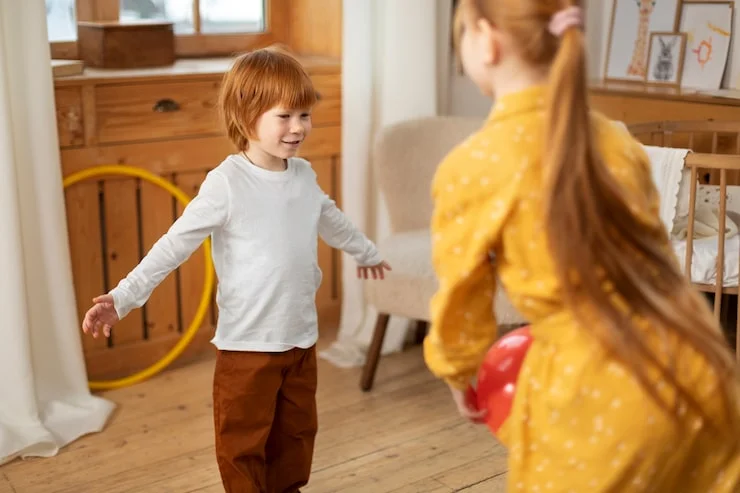
Sometimes the best discipline is distraction. This is especially true for young children, but it works surprisingly well at any age. When a child is heading toward a conflict, redirect their energy toward something else.
UNICEF describes this as creative distraction. Change the topic. Introduce a game. Lead them into another room. Go for a walk . The key is timing. Watch for the signs that a meltdown is building. Your child is getting fidgety, irritable, or starting to fixate on something they cannot have. That is the moment to redirect, before the explosion happens.
For older children, redirection can look like problem-solving together. "I see you are frustrated with your homework. Let's take a five-minute break and kick a ball outside, then come back to it." You are not avoiding the task. You are helping them regulate their emotions so they can return to it.
What to Do When You Mess Up?
No parent gets this right all the time. You will yell. You will lose patience. You will say something you regret. That is part of being human.
What matters is what happens next. Repair is a skill, and it is one you can model for your child. When you lose your temper, wait until you are calm, then go to your child. Name what happened without excuses. "I got really frustrated and I yelled at you. That was not okay. I am sorry."
This does not undermine your authority. It strengthens it. You are showing your child that mistakes can be acknowledged, that relationships can be repaired, and that accountability is not something to fear. You are also teaching them how to apologize, which is a skill they will need for the rest of their positive discipline strategies for parents.
Conclusion
All the strategies in this guide share one common thread: consistency. Clear expectations mean nothing if they change from day to day. Consequences lose their power if you only enforce them when you are in a good mood. Praise loses its meaning if it only appears when you remember to give it.
Children learn through repetition. They are watching to see if the rules stay the same, if your words match your actions, if the world is predictable. That predictability is what makes them feel safe enough to learn and grow .
Positive discipline is not a quick fix. It is a daily practice. Some days will go well. Some days will fall apart. On the hard days, remember the bigger picture. You are not just trying to get through this afternoon. You are teaching a person how to manage their emotions, solve problems, and treat others with respect. That takes time. It takes patience. And it is worth every bit of effort you put in.
Other Articles
50 Popular Gujarati Surnames Or Last Names With Meanings