
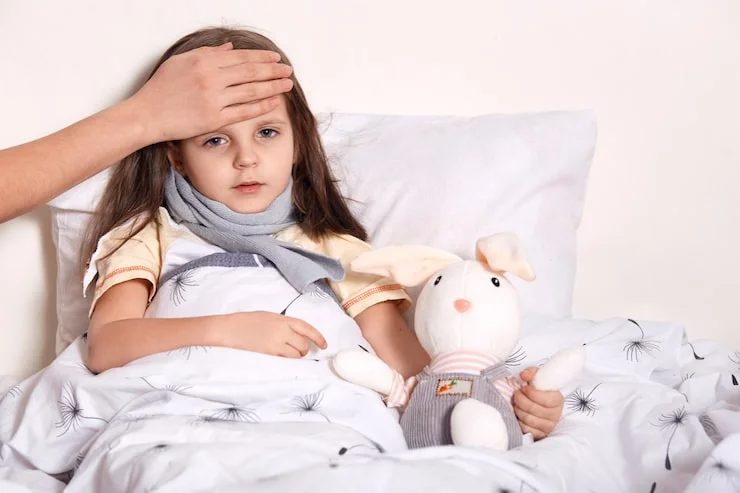
Iron deficiency is the most common nutritional problem in children worldwide. It happens when a child's body does not have enough iron to make healthy red blood cells. Red blood cells carry oxygen to every part of the body. When iron is low, that oxygen delivery slows down. The result is a child who may feel tired, look pale, or struggle to focus.
The tricky part is that iron deficiency develops slowly. A child can be low on iron for months before any obvious problem shows up on a blood test. That is why knowing the early signs matters so much. Catching it early gives your child a better chance to avoid long-term effects on learning and growth.
This article walks through the signs of iron deficiency in children, explains why they happen, and tells you what to do if you notice them. It is written for parents and caregivers who want clear answers without medical jargon.
Why Iron Matters So Much for Children?
Iron is a building block for hemoglobin. Hemoglobin is the protein inside red blood cells that grabs oxygen from the lungs and carries it to the brain, muscles, and organs. Without enough iron, the body cannot make enough healthy hemoglobin. The blood becomes less able to do its job.
But iron does more than support oxygen delivery. It also plays a role in brain development, immune function, and muscle function . During the first few years of life, the brain grows faster than at any other time. Iron helps build the pathways that support attention, memory, and learning. When iron runs low during this window, those pathways can suffer.
Research shows that even iron deficiency without full anemia can affect a child's ability to pay attention and learn . That is a key point. A child does not have to be severely anemic to feel the effects. Low iron alone can cause real problems.
Some children face a higher risk than others. Toddlers between twelve months and two years old are at risk because their bodies are growing fast and their diets are changing. Teenage girls are at risk because of iron loss through menstruation. Adolescent athletes may lose iron through intense training . Children with restricted diets, gut problems, or chronic health conditions also need closer watching.
The Most Common Signs Parents Notice First
The earliest signs of iron deficiency are often subtle. They can look like normal childhood behavior or the result of a busy week. But when several of these signs appear together and do not go away, it is time to pay attention.
Pale skin, lips, or nail beds. This is one of the most recognized signs. When hemoglobin drops, the skin loses some of its healthy pink color. The face may look washed out. The lips may seem lighter than usual. The creases in the palm may lose their redness. In children with darker skin, paleness can be harder to see. Look instead at the inside of the lower eyelid or the nail beds, which should be a healthy pink .
Tiredness that does not improve with rest. Every child has low-energy days. But a child with iron deficiency often seems tired in a way that sleep does not fix. They may need more naps than usual. They may lag behind during play. They may ask to sit down sooner than their friends .
Irritability and mood changes. A child who is low on iron may be crankier than usual. Small things may set them off. They may seem more emotional or harder to soothe. This happens because the brain is not getting the oxygen and support it needs to regulate mood .
Trouble paying attention. Parents and teachers may notice that a child seems distracted or forgetful. They may struggle to finish tasks that used to be easy. Research links low iron to reduced attention span and learning difficulties in children . This sign can be mistaken for a behavior issue when the real problem is nutritional.
Frequent infections or slow recovery. Iron supports the immune system. A child who is always catching colds or taking longer than usual to get over them may be running low on iron.
Read Also: High Protein Snacks For Kids
Signs That Are Less Obvious but Still Important
Some signs of iron deficiency do not show up on the skin or in behavior. They are easy to miss unless you know what to look for.
Pica. This is the craving or chewing of non-food items. A child with pica might chew on ice, dirt, paper, or chalk . It sounds strange, but it is a well-documented sign of iron deficiency. If you see your child eating things that are not food, mention it to their doctor.
Restless legs or trouble sleeping. Some children with low iron feel an uncomfortable sensation in their legs, especially at night. They may kick or move their legs constantly. This can interfere with sleep and leave them even more tired during the day .
Sore or swollen tongue. The tongue may look smoother than usual or feel tender. Some children may complain that certain foods sting their mouth. This happens because iron is needed to keep the lining of the mouth healthy .
Brittle nails or hair loss. Severe or long-lasting iron deficiency can affect the nails and hair. Nails may become thin and break easily. Hair may shed more than normal . These signs usually appear when the deficiency has been present for a while.
Shortness of breath with mild activity. A child who gets winded climbing stairs or running across the yard may be struggling to get enough oxygen. This is a sign that anemia may already be present .
Fast heartbeat. When the blood cannot carry enough oxygen, the heart works harder to pump what is available. A child may feel their heart racing or pounding, especially during activity .
Headaches and dizziness. Some children with iron deficiency get frequent headaches. They may feel lightheaded or dizzy when standing up .
Why These Signs Happen: A Simple Explanation?
Every sign of iron deficiency traces back to one basic problem: the body is not getting enough oxygen.
Red blood cells are like delivery trucks. Hemoglobin is the cargo they carry. Iron is what allows hemoglobin to hold onto oxygen. When iron is low, there are fewer trucks and less cargo. The body has to prioritize. It sends oxygen to the brain and heart first. Skin, muscles, and other organs may get less.
That is why a child looks pale. The skin is not getting enough oxygen-rich blood. That is why they feel tired. Their muscles are not getting the fuel they need. That is why they cannot focus. The brain is running on a reduced supply.
The body also tries to compensate. The heart beats faster to push the limited blood around. That leads to a fast heartbeat and sometimes shortness of breath. The immune system may weaken because it also depends on iron. And the strange cravings of pica may be the body's confused attempt to find iron somewhere, anywhere, even in dirt.
You May Also Like: How To Improve Digestion In Children
When to See a Doctor?

You do not need to wait for every sign to appear before getting help. If you notice one or two of the signs above and they persist for more than a couple of weeks, it is reasonable to bring them up at your child's next checkup. If the signs are severe, see a doctor sooner.
Go to the doctor promptly if your signs of iron deficiency in children:
- Pale skin along with unusual tiredness or weakness
- Shortness of breath during normal play
- A rapid heartbeat that you can feel
- Pica, especially eating dirt or other non-food items
- Restless legs that disrupt sleep
The doctor will likely ask about your child's diet, including how much cow's milk they drink. Too much cow's milk can block iron absorption and is a common cause of iron deficiency in toddlers . They may also ask about any bleeding, growth spurts, or family history of anemia.
A simple blood test can check for iron deficiency. The test measures hemoglobin and often includes a ferritin level. Ferritin shows how much iron is stored in the body. Some experts now believe that the standard cutoff for ferritin is too low and that many children with iron deficiency are missed . If you are concerned, ask the doctor to check ferritin, not just hemoglobin.
What Parents Can Do?
If you suspect iron deficiency, do not start iron supplements on your own. Too much iron can be harmful. The right approach is to get a proper diagnosis and follow your doctor's guidance.
In the meantime, you can support your child's iron levels through food. Iron from meat, poultry, and fish is absorbed more easily than iron from plants . Good sources include lean red meat, chicken, turkey, and fish. Plant sources include beans, lentils, tofu, and iron-fortified cereals. Dark green leafy vegetables also contain iron.
One practical trick is to pair plant iron with vitamin C. Vitamin C helps the body absorb the iron from plant foods. So a meal that includes beans and tomatoes, or cereal and orange slices, gives your child more usable iron than the plant food alone .
Also watch the timing of dairy. Calcium can block iron absorption. If your child drinks a lot of milk, try to keep milk separate from iron-rich meals. And limit cow's milk to no more than about sixteen to twenty-four ounces a day for toddlers, as too much milk is a common cause of iron problems at this age .
Conclusion
Iron deficiency in children is common, but it is also treatable. The signs are easy to overlook because they look like normal childhood ups and downs. Pale skin, unusual tiredness, crankiness, trouble focusing, and strange cravings are all clues. When they appear together and do not go away, they deserve attention.
The most important thing a parent can do is trust their instincts. If something seems off, ask. A simple blood test can give you answers. And the sooner iron deficiency is found, the sooner your child can get back to feeling like themselves again.
Other Articles
50 Popular Gujarati Surnames Or Last Names With Meanings