


Breakfast matters more during pregnancy than at any other time in your life. Your body is building a baby, and the first meal of the day sets the tone for how you feel, how much energy you have, and how well your blood sugar stays steady. Yet many expectant mothers wake up feeling queasy, rushed, or simply unsure about what is safe to eat. This guide answers those questions with clear, practical advice drawn from NHS guidelines, Johns Hopkins Medicine, and other trusted health sources. You will find meal ideas, nutrition basics, and simple rules that make morning eating easier.
Why Breakfast Deserves Your Attention During Pregnancy?

A common belief says you must eat twice as much when expecting. That is not accurate. Official advice states that in the final three months, you need only about 200 extra calories per day . That is roughly two slices of whole-grain toast. So the goal is not volume. The goal is healthy breakfast ideas for pregnancy.
Breakfast earns its importance for three reasons. First, it breaks the overnight fast and refuels your body after hours without food. Second, it helps stabilise blood sugar, which matters especially if you have gestational diabetes or simply want steady energy through the morning. Third, for mothers dealing with nausea, eating something small early can actually calm the stomach rather than irritate it.
The Royal Free London advises women with diabetes in pregnancy to choose breakfast options that keep carbohydrate intake moderate and include protein . This principle benefits all pregnant women, not only those with a diagnosis.
Read Also: Pregnancy Sleep Positions First Trimester
The Three Building Blocks of a Good Pregnancy Breakfast
Think of your morning meal as a combination of three things: grains, protein, and fibre. This framework comes from a registered dietitian writing for a Hong Kong health organisation . Each part plays a distinct role.
Grains give you energy. Choose whole-grain versions whenever possible. Oats, whole-wheat bread, quinoa, and low-sugar breakfast cereals provide carbohydrates that fuel your day and support your baby's growth. Refined grains like white bread and sugary cereals burn quickly, leaving you hungry and tired by mid-morning.
Protein supports growth and repair. Eggs, Greek yoghurt, milk, tofu, beans, and nut butters are excellent sources. Protein helps your body build new tissue and keeps you satisfied longer. A breakfast without protein often leads to snacking on biscuits or cake before lunch.
Fibre keeps digestion moving. Pregnancy slows digestion, which can cause constipation. Fibre from fruits, vegetables, and whole grains helps prevent that discomfort and adds bulk to your meal .
Safe and Unsafe Foods: What Every Pregnant Woman Must Know
Before choosing recipes, you need to know which foods to avoid. This is not about restriction for its own sake. It is about protecting your baby from bacteria and substances that can cause serious harm.
Eggs must be cooked until both white and yolk are solid . Runny eggs, homemade mayonnaise, and raw cookie dough are off the table.
Avoid mould-ripened and blue cheeses such as Brie, Camembert, Gorgonzola, and Roquefort. These can carry listeria, a bacteria that is especially dangerous in pregnancy . Hard cheeses, cream cheese, and pasteurised cheeses are fine.
Cold-smoked and cured fish must be avoided unless cooked until steaming hot. This includes smoked salmon, smoked trout, and gravlax. The Food Standards Agency issued this advice because these products can carry listeria . If you want smoked salmon, cook it first. Tinned smoked fish is safe because it has been heat-treated.
Raw or undercooked meat, poultry, and seafood are dangerous. Salami, chorizo, and Parma ham are also risky unless heated thoroughly .
Limit tuna and oily fish. Tuna should be limited to two fresh steaks or four medium cans per week. Oily fish like salmon and mackerel should be limited to two portions weekly .
Avoid liver and liver products because of high vitamin A content, which can harm the baby .
These rules sound strict, but they still leave an enormous range of delicious breakfast possibilities. The recipes below all comply with these safety guidelines.
Practical Breakfast Ideas You Can Use Today
The following meal ideas come from NHS dietitians, Johns Hopkins Medicine, and other clinical sources. Each one is safe, simple, and built around the three-block framework.
Oats and Porridge
Oats make an ideal pregnancy breakfast. They are high in fibre, gentle on the stomach, and easy to customise. The Royal Free London recommends 25 to 30 grams of uncooked oats made with milk, water, or unsweetened calcium-fortified plant milk .
Avoid instant oatmeal packets, which often contain added sugar and less fibre. Instead, use plain rolled oats and add your own toppings. Cinnamon, nuts, seeds, and a small handful of fresh berries all work well. Berries add vitamin C, which helps your body absorb iron from other foods .
If you want something warm and filling, cook oats with almond milk and top with chopped apple, walnuts, and a pinch of cinnamon. Walnuts provide omega-3 fats, and apples add fibre.
Eggs, Prepared Safely
Eggs are one of the best breakfast foods for pregnancy. They provide protein, iron, iodine, vitamin A, and vitamin D . The key is cooking them thoroughly.
A hard-boiled egg with a slice of whole-grain toast and a piece of fruit makes a complete meal. An omelette with spinach and cheese adds iron from the greens and calcium from the cheese. A poached egg with a fully cooked yolk served over sautéed mushrooms and tomatoes is another excellent option .
If you enjoy scrambled eggs, cook them until no liquid remains. Add chopped vegetables like tomato or spinach for extra nutrients.
Yoghurt and Dairy
Greek yoghurt with a small handful of berries and a sprinkle of nuts is quick, protein-rich, and satisfying. Choose plain yoghurt rather than flavoured versions, which often contain added sugar.
A glass of low-fat milk with nuts is another simple combination that provides calcium, protein, and healthy fats . If you cannot tolerate milk, calcium-fortified soy milk is a good alternative.
Whole-Grain Toast with Toppings
One slice of seeded, granary, or sourdough bread can serve as a base for many nutritious toppings . Consider these combinations:
-
Peanut butter on toast for protein and healthy fats
-
Mashed avocado with a hard-boiled egg for fibre and protein
-
Cream cheese with cucumber and tomato for calcium and freshness
-
Cheese and tomato with a sprinkle of basil
-
Cottage cheese with sliced banana
Keep it to one slice if you are managing blood sugar, and pair it with protein to slow digestion.
Breakfast Cereals
Low-sugar, whole-grain cereals fortified with folic acid, iron, and calcium can be a good choice . Serve with low-fat milk or calcium-fortified soy milk. Check the label and choose products with the least added sugar. Add fresh fruit for extra fibre and vitamins.
Smoothies
A smoothie made with plain yoghurt, milk or fortified plant milk, frozen berries, and a spoonful of nut butter provides protein, calcium, and antioxidants in a drinkable form. This can be helpful if you feel too nauseous to eat solid food in the morning. Avoid adding honey or syrups.
Heartier Options
If you prefer a warm, savoury breakfast, try these:
-
Quinoa upma is a protein-rich dish made with quinoa, vegetables, and mild spices. Quinoa provides iron, folate, and plant protein, and the lemon juice added at the end helps your body absorb the iron .
-
Stuffed mushrooms with spinach and scrambled egg .
-
Stuffed peppers with minced meat and cheese .
-
Baked eggs with cheese and healthy breakfast ideas for pregnancy.
These options take a little more time but work well on mornings when you have energy to cook.
You May Also Like: Pregnancy Meditation For Beginners
Special Situations: Nausea, Diabetes, and Food Aversion
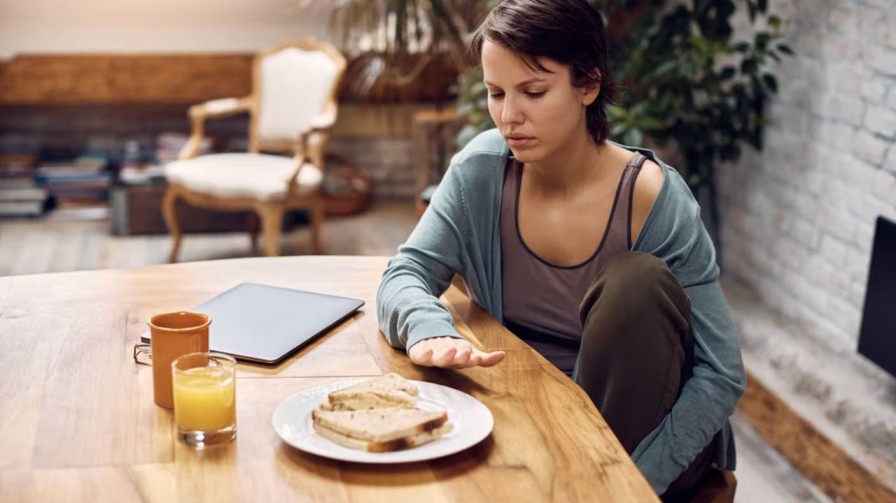
If you have morning sickness, do not force a large meal. Eat a few bites of something plain first, like a piece of toast or a few crackers. Then wait and see if you can manage more. Cold foods often have less smell than hot foods, which can help if odours trigger your nausea. Smoothies and yoghurt are good choices. Keep something small by your bed to eat before you get up.
If you have gestational diabetes, the Royal Free London leaflet offers specific guidance . Choose carbohydrate-free or low-carbohydrate breakfasts more often. Eggs, Greek yoghurt with berries, and one slice of seeded toast with protein-rich toppings are all suitable. Avoid fruit juice, sugary cereals, and dried fruit, which spike blood sugar quickly. Aim for a consistent amount of carbohydrate at each breakfast.
If you cannot stand the thought of eggs or meat, focus on dairy, legumes, and nuts. Greek yoghurt, milk, tofu pudding, peanut butter, and hummus all provide protein. A tofu pudding bowl with fresh fruit is a traditional and calcium-rich option .
A Week of Breakfast Ideas at a Glance
| Day | Breakfast Idea |
|---|---|
| Monday | Oats made with milk, topped with cinnamon, walnuts, and blueberries |
| Tuesday | Hard-boiled egg, one slice whole-grain toast, orange slices |
| Wednesday | Greek yoghurt with strawberries and a spoonful of almond butter |
| Thursday | Spinach and cheese omelette, one slice sourdough toast |
| Friday | Low-sugar whole-grain cereal with milk and sliced banana |
| Saturday | Peanut butter toast with apple slices and a glass of milk |
| Sunday | Quinoa upma with peas, carrots, and a squeeze of lemon |
This rotation covers protein, fibre, calcium, iron, and folate across the week. It also offers variety, which keeps meals interesting and ensures a broad range of nutrients.
Drinks to Choose and Drinks to Limit
What you drink with breakfast matters too. Milk and calcium-fortified plant milks support your baby's bone development. Water is always a good choice.
Limit caffeine to 200 milligrams per day. That equals roughly two mugs of instant coffee . Remember that tea, cola, chocolate, and energy drinks also contain caffeine. A cup of coffee with breakfast is fine if you keep track of the total. Herbal teas like ginger, peppermint, and chamomile are considered safe . Avoid all other herbal supplements and teas because their effects on pregnancy are unknown.
Final Thoughts
A healthy pregnancy breakfast does not need to be complicated or expensive. It needs to combine grains, protein, and fibre. It needs to follow food safety rules. And it needs to fit your appetite and energy level on any given morning.
Some days you will make a beautiful omelette with vegetables. Other days you will eat a piece of toast standing at the kitchen counter. Both are fine. The goal is consistency over perfection. Eating something nourishing in the morning, most days, gives you and your baby a strong start.
If you have specific medical conditions such as gestational diabetes or severe nausea, speak with your midwife or a dietitian. They can tailor this general advice to your situation. General guidance is a starting point, not a substitute for personal medical care.
Other Articles
50 Popular Gujarati Surnames Or Last Names With Meanings