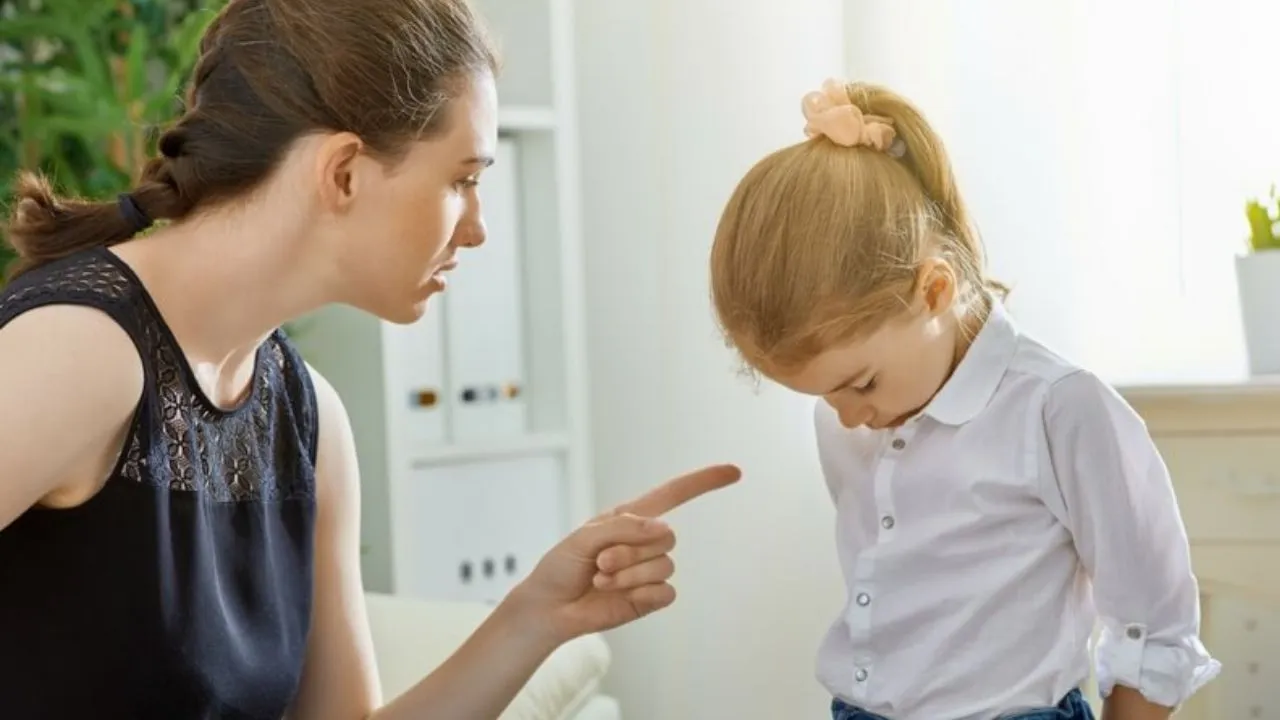


Effective discipline for preschoolers is not about punishment. It is about teaching. The most reliable strategies are setting clear routines, giving simple warnings before transitions, using logical consequences that connect directly to the behavior, and staying calm when your child loses control. Research from child health authorities consistently shows that physical punishment damages trust and does not improve behavior . What works instead is a steady mix of prevention, clear limits, and connection.
This guide walks through each strategy with real examples. It is written for parents and caregivers who want practical steps, not theory.
Why Preschool Discipline Is Different?
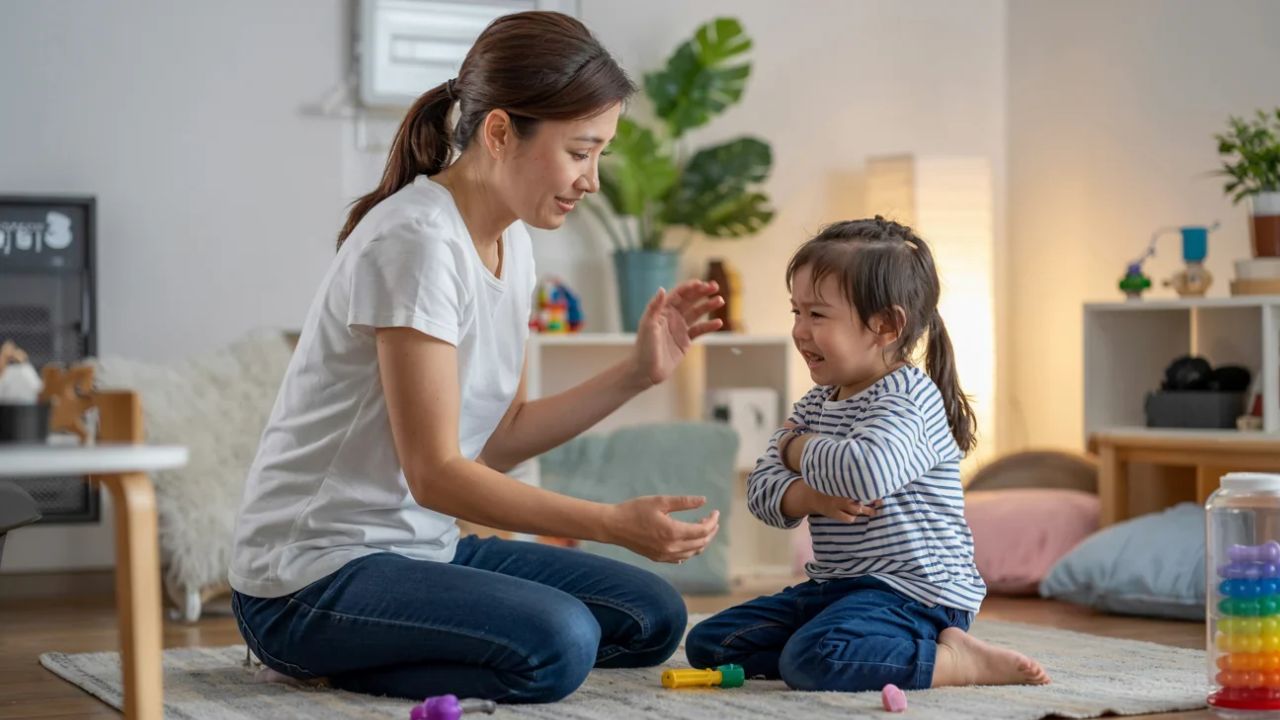
A preschooler’s brain is still under construction. The part responsible for self-control and reasoning does not fully come online until closer to age four . This single fact changes everything about how effective discipline strategies for preschoolers.
When a three-year-old melts down in a grocery store, they are not plotting to embarrass you. Their nervous system is overwhelmed, and they lack the wiring to calm themselves down. Punishment in that moment teaches fear, not lesson. What they need is an adult who stays calm and helps them borrow that calm until their own system settles .
This is why the old advice about time-outs—“one minute per year of age”—is being reconsidered by pediatric experts. Sitting a two-year-old alone to “think about what they did” asks them to use a skill they do not yet possess . The goal of discipline at this age is not reflection. It is teaching self-regulation through repeated, calm guidance.
Read Also: Gentle Parenting Burnout Recovery
Prevention Comes First
The most effective discipline strategy happens before misbehavior ever starts. Child health authorities in Hong Kong and elsewhere describe early prevention as the single most powerful tool parents have .
Set up the environment
Look at your home through your child’s eyes. Are there tempting items within reach that they should not touch? Are there spaces where boredom quickly turns into trouble? Simple changes make a real difference. Lock cabinets with medicines. Put sweets out of sight. Create a drawing station or block corner where your child can engage independently when you need a few minutes .
Build predictable routines
Preschoolers feel safer when they know what comes next. A fixed evening sequence—tidy toys, bath, brush teeth, bed, story—helps them anticipate and cooperate . The routine does the disciplining for you. When the pattern is consistent, you are not the bad guy enforcing rules. The routine is simply what happens.
Warn before transitions
Most tantrums happen at the moment of switching activities. Your child is deep in play, and you announce it is time to leave. From their perspective, you are destroying something important without notice. A simple warning changes the whole dynamic. Say, “You are having so much fun. One more slide, then we go” . This gives their brain time to prepare for the shift.
What To Do When Misbehavior Happens?
Even with the best prevention, preschooler misbehavior is normal and expected. How you respond in those moments shapes whether your child learns from the experience or just feels bad about themselves.
Stay calm and describe what you see
When your child is upset, the first job is to help them feel understood. You do not have to agree with their behavior. You just have to acknowledge their experience. Say, “You are really frustrated that your brother took your truck” . This simple act of naming their feeling often lowers the intensity. Once they feel heard, they are more likely to cooperate with what comes next.
Address the behavior, not the child
There is a wide gap between “Do not jump the queue” and “You are so rude” . The first describes an action that needs changing. The second attacks who they are. Preschoolers are building their sense of self. Words that label them as “bad” or “naughty” stick in ways that are hard to undo. Keep your language focused on what needs to happen: “Use gentle hands” instead of “Stop being rough.”
Use logical consequences
A logical consequence is directly tied to the misbehavior. It is not a random punishment. It is the natural result of a choice, delivered calmly and briefly .
Here is what that looks like in real life:
-
If your child grabs a toy from a sibling, the toy goes away for two minutes. Then they can try again .
-
If your child refuses to come to the table for lunch because they want to keep playing, the toy is put away until after the meal .
-
If your child knocks over a cup of water, they help wipe it up. Even accidents have natural cleanup .
The key is that the consequence connects to the action. It is short. It is respectful. And it is not delivered with shame or scolding . The message is simple: choices have results, and you can handle the results.
You May Also Like: Gentle Parenting Techniques For Strong Willed Toddlers
Strategies that build long-term self-control
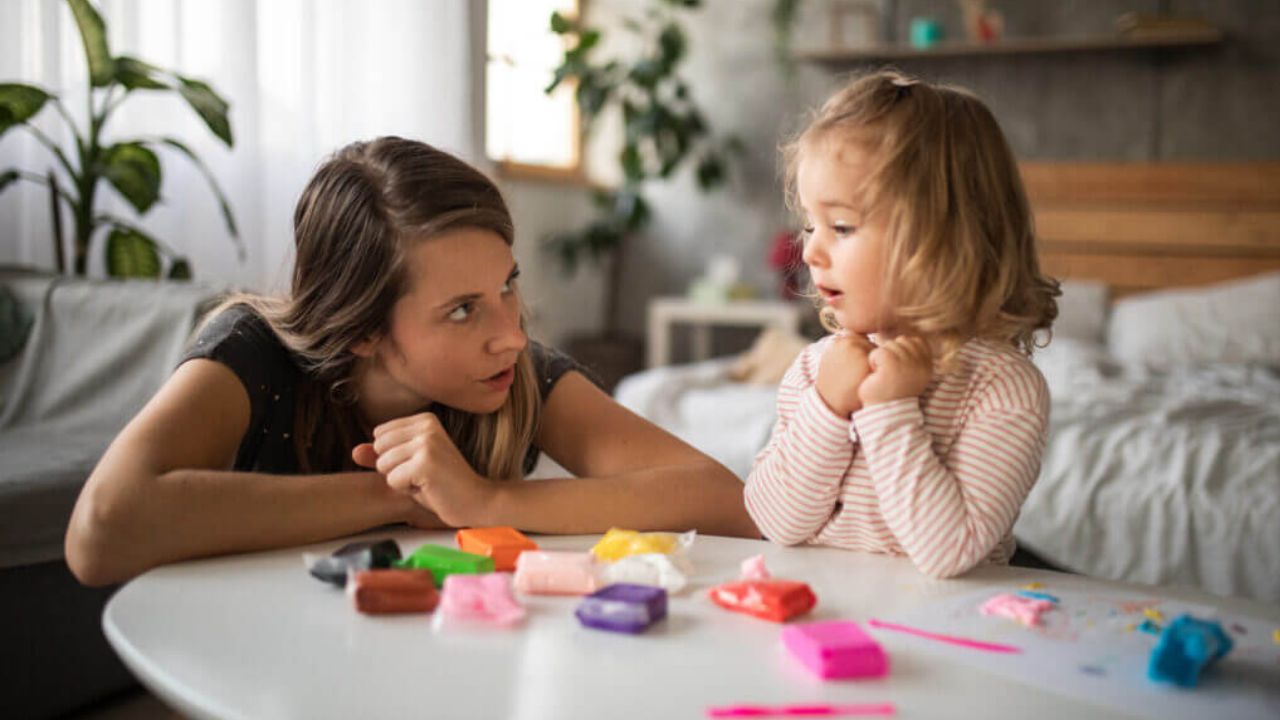
Discipline is not just about stopping bad behavior in the moment. It is about building skills your child will use for the rest of their life. A few specific practices accelerate that growth.
Model the calm you want to see
Children learn far more from what we do than what we say. If you yell when you are frustrated, they learn that yelling is how people handle big feelings . If you pause, take a breath, and say “I am feeling frustrated, so I am going to take a minute,” they learn that too. This is called co-regulation. Your calm nervous system helps their nervous system settle . It is not a trick. It is how human brains develop.
Notice and name the good
Preschoolers crave attention. If the only time they get a strong reaction is when they misbehave, they will misbehave more. Catch them doing something right and say exactly what you saw: “You used your words when you were angry instead of hitting. That was hard, and you did it” . This tells them that positive behavior gets attention too.
Teach empathy in small moments
After a conflict has settled, you can help your child understand the other person’s experience. Ask, “How do you think your friend felt when you took her toy?” . Do not force an apology. The goal is not a scripted “sorry.” The goal is planting the seed that other people have feelings too. This understanding grows slowly, over many small conversations.
Use distraction wisely
For younger preschoolers, redirecting attention to something else works remarkably well. If your child is bothering the dog, offer a toy or suggest a game . This is not giving in. It is recognizing that a three-year-old’s attention is easily shifted, and you can use that to your advantage. Distraction becomes less effective as children get closer to five, so use it while it works.
What to avoid?
Some discipline methods cause harm, even when they seem to work in the effective discipline strategies for preschoolers.
Physical punishment. Spanking and hitting teach children that aggression is how you get what you want. They also damage the parent-child bond and increase fear and resentment . Child health organizations are clear on this point: physical punishment is not effective discipline.
Shaming and humiliation. Calling a child “bad” or making them feel small does not teach better behavior. It teaches them that they are fundamentally flawed. Preschoolers are forming their first ideas about who they are. Protect that.
Long consequences. A three-year-old cannot connect a consequence that lasts all day to something they did in the morning. Consequences for preschoolers should be brief—minutes, not hours .
Time-out in the bed. Using the bed or bedroom as a punishment spot creates negative associations with sleep. That can lead to bedtime battles and poorer sleep, which makes everything else harder .
A note on time-out
Time-out is not completely off the table, but it should be used rarely and carefully. It works best for behaviors that are clearly unacceptable and will not stop, like hitting or biting . It does not work for accidents or behaviors the child cannot control .
If you use time-out, keep it short. A calm-down space with pillows or a soft corner is different from isolation. The goal is to help the child reset, not to make them feel alone . And after the reset, reconnect. A hug or a quiet moment together tells them that the relationship is still solid, even after a hard moment.
Putting it all together
Effective discipline for preschoolers is not complicated, but it is demanding. It asks you to stay calm when your child is not. It asks you to teach rather than punish, to connect rather than isolate. It asks you to set limits firmly and kindly, over and over, without expecting perfection from a person whose brain is still growing.
The strategies that work are not flashy. They are consistent. A routine that never changes. A warning before you leave the park. A consequence that fits the action. A calm voice in the storm. Over time, these small moments build the skills your child needs to manage themselves—not because they fear you, but because they have learned, slowly and steadily, how to handle being human.
Other Articles
50 Popular Gujarati Surnames Or Last Names With Meanings