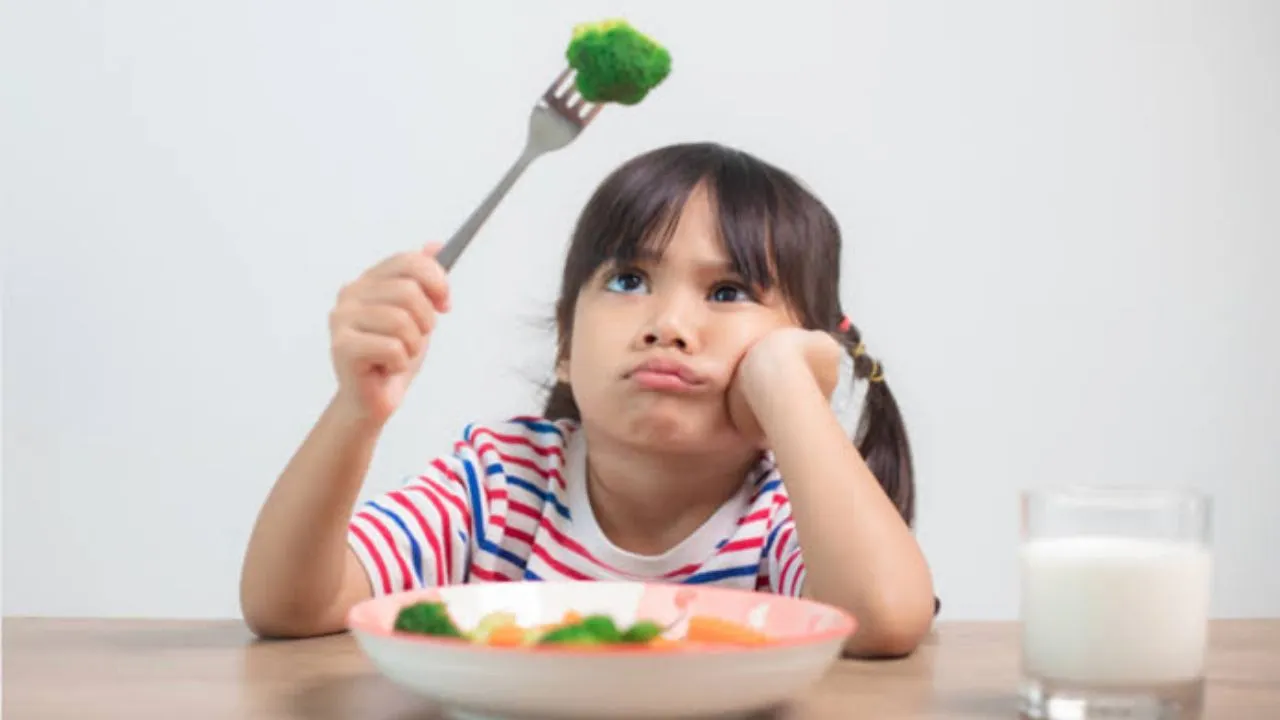

Improve your child’s digestion by serving fiber-rich foods, ensuring they drink enough water, offering probiotics like yogurt, keeping them physically active, and establishing a calm bathroom routine. Most digestion problems in children improve with simple diet and lifestyle changes at home.
Introduction
Your child’s digestive health affects far more than just their belly. A well-functioning gut helps them absorb nutrients, fight off sickness, and even sleep better at night. When digestion goes wrong, you might notice constipation, bloating, tummy aches, or a child who simply refuses to eat. The good news is that most childhood digestion issues are not serious and respond well to changes you can make at home. This guide walks you through what causes poor digestion in children, what signs to watch for, and exactly how to help your child feel better using food, habits, and simple daily routines.
Why Is Gut Health So Important for Children?
Your child’s digestive system does much more than break down food. It is home to trillions of bacteria that work together to protect against illness, produce vitamins, and support a strong immune system . In fact, a large portion of the body’s immune cells live in the gut. When the balance of good and bad bacteria tips the wrong way, children can experience more infections, allergies, and digestive discomfort .
The first few years of life are especially important. From ages one to three, a child’s gut bacteria are still forming. What they eat during this window can shape their digestive health for years to come . A healthy gut also supports mood, sleep, and focus, which means tummy troubles can affect how a child behaves and learns.
Read Also: How To Increase Appetite In Children Naturally
What Are the Signs of Poor Digestion in Children?
Children may not always say “my stomach hurts” in clear words. Here are common signs that digestion is not working as well as it should:
- Constipation – Fewer than three bowel movements a week, or stools that are hard, dry, and painful to pass
- Bloating and gas – A swollen belly, frequent gas, or complaints of feeling full after small meals
- Stomach pain – Cramping or aching around the belly button, often after eating
- Loose stools or diarrhea – Watery poop, sometimes with urgency
- Poor appetite – A child who seems full quickly or shows little interest in food
- Bad breath – Ongoing mouth odor that is not related to dental problems
- Weight concerns – Not gaining weight as expected or losing weight without trying
If your child shows any of these signs regularly, it is worth looking at their diet and daily habits.
What Causes Poor Digestion in Children?
Several things can throw a child’s digestion off track. Often, it is not one single cause but a mix of diet, routine, and stress.
Not enough fiber. Many children eat far less fiber than they need. Fiber adds bulk to stool and pulls water into the intestines, making poop soft and easy to pass. Without it, constipation becomes common .
Not enough water. Fiber needs water to work. A child who drinks little water and eats a lot of dry, processed food will often struggle in the bathroom .
Too much processed food. Chips, fast food, packaged cookies, and sugary drinks can slow digestion and feed the wrong kinds of gut bacteria .
Holding it in. Children sometimes ignore the urge to poop because they are busy playing, afraid of the toilet, or uncomfortable using a public restroom. When this becomes a habit, stool backs up and hardens .
Stress and routine changes. Starting school, traveling, or big changes at home can affect how the bowels work. Stress and the gut are closely connected .
Food sensitivities. Some children have trouble digesting lactose (the sugar in milk) or have an allergy to cow’s milk protein. This can cause gas, diarrhea, or constipation .
Medications. Certain medicines, including some antibiotics and antidepressants, can affect digestion and gut bacteria .
How Can Diet Improve Your Child’s Digestion?
Food is the most powerful tool you have for helping your child’s gut. The goal is simple: feed the good bacteria, add fiber, and make sure there is enough fluid to keep things moving.
How Much Fiber Does a Child Need?
A simple rule to remember is: age plus 5 grams. So a 5-year-old needs about 10 grams of fiber each day, and a 10-year-old needs about 15 grams . The general recommendation for children is 14 grams of fiber for every 1,000 calories they eat .
Which Foods Help with Digestion?
Focus on these food groups:
Fruits and vegetables. Fruits like pears, apples with skin, berries, kiwi, prunes, and apricots are especially helpful for preventing constipation . Vegetables like broccoli, sweet potatoes, spinach, and carrots add fiber and nutrients.
Whole grains. Choose whole wheat bread, brown rice, oats, and whole grain cereals. Look for “whole grain” as the first ingredient on the label .
Beans and legumes. Lentils, chickpeas, black beans, and peas are excellent sources of fiber. Add them to soups, stews, or blend them into dips .
Probiotic foods. Yogurt, kefir, and fermented foods like sauerkraut and kimchi add good bacteria to the gut . If your child cannot have dairy, nondairy yogurt and fermented vegetables can help.
Prebiotic foods. These feed the good bacteria already in the gut. Good sources include bananas, oats, apples, garlic, onions, and asparagus .
What Foods Should You Limit?
Cut back on:
-
Fried and fatty foods
-
Sugary drinks and sodas
-
Packaged snacks and cookies
-
Foods with artificial sweeteners
-
Large amounts of cheese and milk if they seem to cause constipation
How Do You Increase Fiber Without Causing Gas?
Add fiber slowly over a week or two. Sudden jumps in fiber can cause bloating and gas. Start by adding one extra serving of fruit or vegetables each day and build from there . Always pair fiber with plenty of water.
Why Does Water Matter for Digestion?
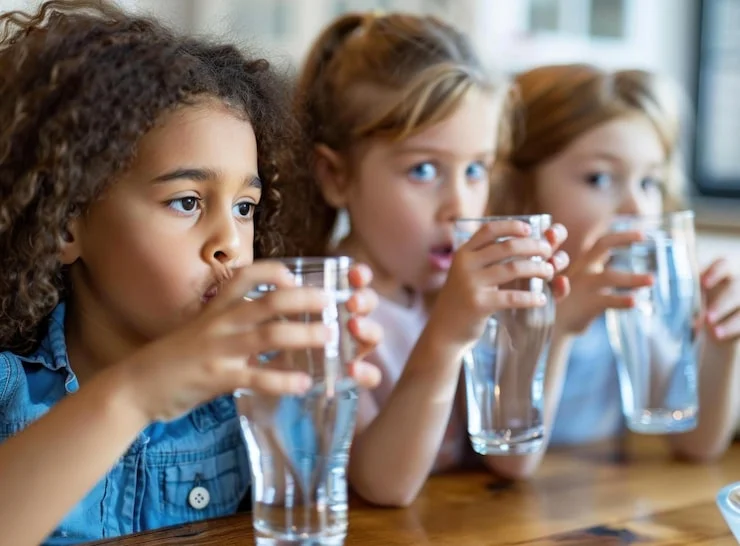
Water is essential for soft, easy-to-pass stool. Without enough fluid, fiber can actually make constipation worse because it sits in the gut without enough liquid to move it along .
How much water does a child need? It varies by age, weight, and activity level. A good sign of proper hydration is urine that is clear or very pale yellow .
Tips to get kids drinking more water:
-
Give them a refillable water bottle to carry during the day
-
Add fruit slices like cucumber, strawberry, or lemon to water for flavor
-
Offer warm broth or soups
-
Make 100% fruit juice popsicles at home
-
Serve herbal teas like mint or chamomile
Remember that foods like soup, yogurt, watermelon, and oranges also count toward fluid intake .
How Do Probiotics and Prebiotics Help?
Probiotics are live bacteria that add to the good bugs in your child’s gut. Prebiotics are fibers that feed those good bugs. Together, they support a healthy balance in the digestive system .
Best food sources of probiotics: yogurt, kefir, cottage cheese with live cultures, sauerkraut, kimchi, miso, and tempeh .
Best food sources of prebiotics: bananas, apples, pears, berries, oats, whole grains, beans, onions, and garlic .
Most children can get what they need from food. Supplements may help in some cases, but you should always talk to your child’s doctor before starting any supplement .
You May Also Like: Healthy Weight Gain For Underweight Child
What Daily Habits Support Good Digestion?
Diet alone is not enough. How your child eats and lives matters too.
How Can You Make Mealtimes Easier on the Belly?
-
Eat on a regular schedule. Three meals and two snacks at roughly the same times each day helps the gut find a rhythm .
-
Slow down. Encourage your child to chew well and not gulp food or drink through a straw, which can trap air and cause gas .
-
Avoid rushing. Give your child enough time to eat without feeling pressured.
-
Limit screen time during meals. Distracted eating often leads to overeating or undereating.
Why Does Physical Activity Help Digestion?
Movement stimulates the muscles in the intestines that push stool through. Children who are active regularly are less likely to become constipated . A simple walk, run, or play session after meals can make a difference. Try to aim for at least an hour of active play each day.
What About Toilet Habits?
-
Encourage bathroom time after meals. The urge to poop often comes 20 to 30 minutes after eating. Having your child sit on the toilet for a few minutes after breakfast or dinner can help establish a routine .
-
Use a footstool. A small stool under your child’s feet helps them get into a squatting position, which makes pooping easier.
-
Do not rush toilet training. If training is causing stress or constipation, take a break for a while .
-
Make the bathroom comfortable. A child who feels rushed or scared will hold it in.
What Home Remedies Can Help?
Sometimes you need a little extra help. These simple remedies are safe for most children:
Prune juice. For children over 6 months, a small amount of prune juice can soften stool. It can be mixed with apple juice if your child does not like the taste .
Gentle tummy massage. Using light pressure, rub your child’s belly in a clockwise direction. This can help relax muscles and encourage bowel movement .
Warm bath. A warm bath can relax the body and ease abdominal discomfort.
Bicycle legs. For babies and toddlers, gently moving their legs in a bicycle motion can help release trapped gas and encourage a bowel movement .
Always check with your child’s doctor before giving any medicine, supplement, or herbal remedy.
When Should You See a Doctor?
Most digestion problems in children improve with home care. But some signs mean you should get medical help right away.
Call your child’s doctor if:
- Constipation lasts longer than two weeks
- There is blood in the stool
- Your child has a fever with stomach pain
- The belly is swollen, hard, or very painful
- Your child is not eating and seems very tired
- There is weight loss or poor weight gain
- Your child vomits green or bloody fluid
- You see signs of dehydration (dry mouth, few tears, less urine)
These signs could point to a more serious condition that needs medical attention.
Frequently Asked Questions
How can I improve my child’s digestion naturally?
Serve more fiber from fruits, vegetables, and whole grains. Make sure they drink enough water. Add probiotic foods like yogurt. Keep them active. And help them get into a regular bathroom routine, especially after meals .
What are the signs my child has poor digestion?
Common signs include constipation, bloating, gas, stomach pain, loose stools, bad breath, and poor appetite. If these happen often, it is a sign that something in the diet or routine needs to change .
Which foods are best for a child’s digestion?
Pears, apples with skin, prunes, berries, kiwi, broccoli, sweet potatoes, whole grain bread, oats, beans, yogurt, and kefir are all excellent choices .
Can stress affect a child’s digestion?
Yes. The gut and brain are closely connected. Stress from school, changes in routine, or family situations can cause stomach pain, changes in bowel habits, and loss of appetite .
How much fiber does my child need each day?
A simple guide is age plus 5 grams. A 4-year-old needs about 9 grams, a 8-year-old needs about 13 grams, and a 12-year-old needs about 17 grams .
Are probiotics safe for children?
Probiotic foods like yogurt and kefir are safe for most children. Supplements should only be given after talking to your child’s doctor, especially for children with weakened immune systems or serious health conditions .
When should I worry about my child’s digestion?
See a doctor if constipation lasts more than two weeks, there is blood in the stool, your child has a fever with belly pain, or they are losing weight or not eating .
Conclusion
Improving your child’s digestion does not require complicated plans or expensive products. It comes down to a few basic things: fiber from real food, plenty of water, good bacteria from fermented foods, daily movement, and a calm, consistent bathroom routine. Most children respond well to these changes within days to weeks. Be patient, make changes slowly, and pay attention to what works for your child. If problems continue or you see warning signs, do not hesitate to reach out to your child’s doctor. A healthy gut is one of the best gifts you can give your child for a lifetime of good health.
Other Articles
50 Popular Gujarati Surnames Or Last Names With Meanings