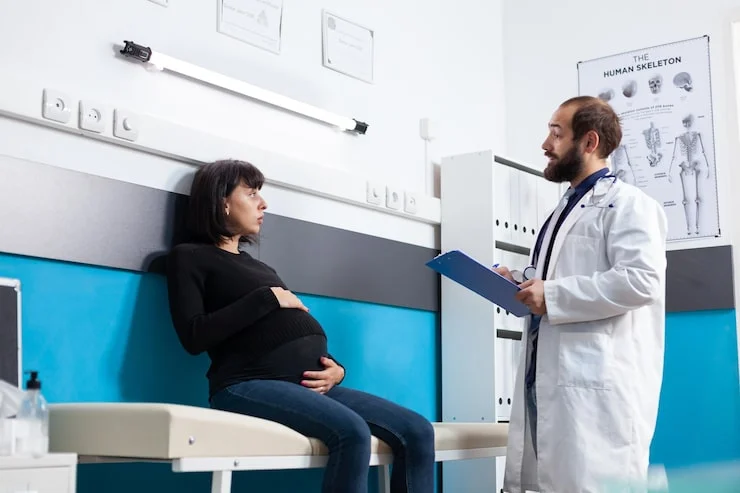


Preparing for a newborn while you are still pregnant can feel like a giant task. There are so many items to buy, so many decisions to make, and so many people telling you what you absolutely must have. It is easy to feel overwhelmed before you even start.
This guide breaks down the process into clear phases. You will find what to do in each trimester, what to pack for the hospital, and what you truly need for your baby’s first days at home. The goal is to help you feel calm and ready, not stressed and preparing for newborn while pregnant checklist.
Understanding What Your Baby Actually Needs
The baby industry is huge. Stores are filled with gadgets and products that promise to make parenting easier. Many of these items are nice to have, but very few are truly needed in the beginning.
Your newborn has simple needs. They need to be fed, kept warm, changed, and loved. They need a safe place to sleep. Everything else is extra. Keeping this in mind will help you avoid buying things you will never use and focus your energy and money on what matters.
One helpful way to think about it is to break your preparations into three main areas. The first is the baby’s sleeping space. The second is feeding supplies. The third is diapering and clothing. Once you have those covered, you can add comfort items for yourself and your home.
What to Do in Your First Trimester?
The first three months of pregnancy are often a time of big physical changes. You may feel very tired, sick to your stomach, or emotional. Do not put pressure on yourself to get everything done right now. Your main job is to take care of your body and your growing baby.
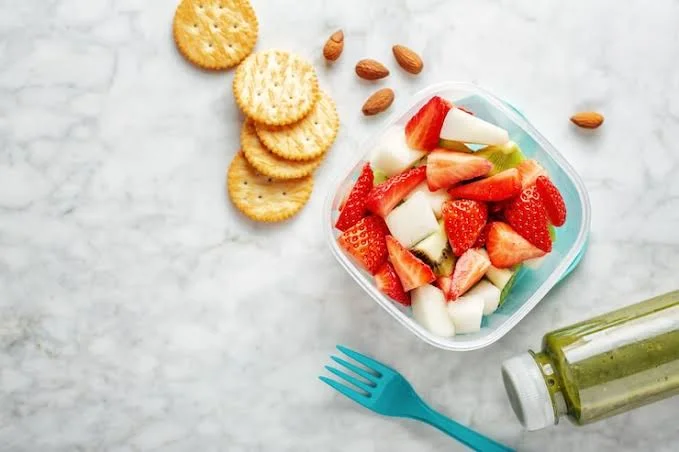
Focus on a few simple tasks that will set you up for later. Start taking a prenatal vitamin with folic acid if you have not already. Folic acid helps prevent serious birth defects in your baby’s brain and spine. Try to eat well and drink plenty of water. If you feel too sick to eat much, eat small snacks throughout the day instead of large meals.
You can also start thinking about your budget for baby items. You do not need to buy anything yet, but knowing how much you can spend will help you make better choices later. It is also a good time to talk with your partner or family about who will help you after the baby comes. Having support lined up early makes a big difference.
What to Do in Your Second Trimester?
Many people feel much better in the second trimester. Your energy often returns, and the morning sickness usually fades. This is a great time to start making real progress on your preparations.
This is when you should choose a pediatrician for your baby. You will want to have one before your baby is born so you know who to call with questions. Many pediatricians offer meet-and-greet visits where you can ask about their approach to care and see if you feel comfortable with them .
You can also start your baby registry during this time. A registry is a list of items you would like to receive as gifts from friends and family. Put the essentials on it first: a car seat, a safe sleep space, diapers, wipes, and basic clothing. You can add more fun items later.
Start setting up the nursery now if you plan to have a separate room for the baby. You do not need to finish it, but having the furniture in place and the crib assembled will save you stress later when you are bigger and more tired. Wash all the baby clothes and bedding in a gentle, fragrance-free detergent before your baby arrives .
Read Also: Pregnancy Symptoms Week 12
What to Do in Your Third Trimester
The last three months are about getting ready for the actual birth and the first days with your baby. Your prenatal appointments will become more frequent, so make sure you are going to all of them .
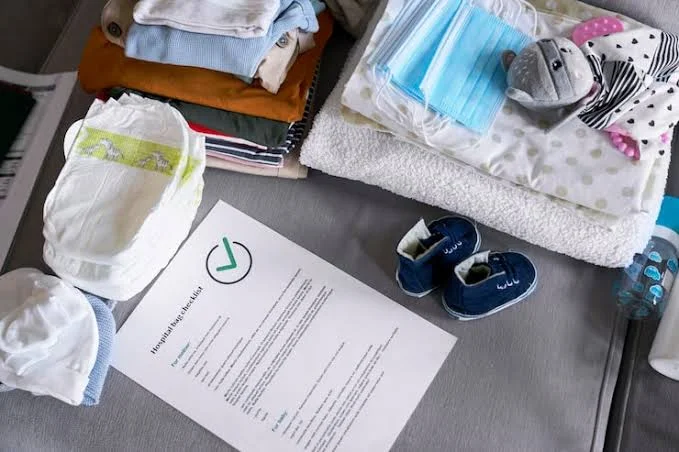
Pack Your Hospital Bag
You should have your hospital bag packed and ready by the time you are 36 weeks pregnant. Babies can come early, and you do not want to be scrambling for things while you are in labor .
For You:
- A photo ID and your insurance card. These are the most important items you will bring. You will need them to check in .
- Comfortable clothing to wear home. Your body will still look pregnant for a while, so bring maternity clothes. Do not pack your pre-pregnancy jeans .
- Nursing bras or comfortable sports bras.
- Toiletries like a toothbrush, toothpaste, deodorant, and lip balm. Hospital air is dry, and lip balm feels good during labor .
- A long phone charger cord. Outlets can be far from the bed.
- Slippers with grips on the bottom for walking around the hospital.
- Snacks and a water bottle with a straw. Drinking from a straw is easier when you are lying down .
For Your Baby:
-
A car seat. You cannot leave the hospital without one. Install it in your car before your due date and make sure you know how to use it correctly .
-
A going-home outfit. Pack one in newborn size and one in size 0-3 months, just in case your baby is bigger than expected.
-
A receiving blanket.
-
Diapers and wipes, though the hospital will usually provide these during your stay .
Install the Car Seat
The car seat is not a place to guess. Read your car seat manual and your car’s manual carefully. Make sure the seat is installed tightly and the angle is correct. Many fire stations and police departments will check your car seat installation for free. Take advantage of this service if it is available in your area.
Choose a Pediatrician
You should have chosen a pediatrician by the end of your second trimester, but if you have not, do it now. Call their office and let them know you are expecting. Ask what you should do when the baby is born and how to schedule the first visit.
Prepare Freezer Meals
The first few weeks with a newborn are a blur of feeding, changing, and very little sleep. Cooking will feel impossible. Before your baby comes, make a few meals that can be frozen and reheated easily. Soups, casseroles, and pasta dishes work well. Having food ready to go will save you from ordering takeout every night.
Setting Up a Safe Sleep Space
Your baby will spend a lot of time sleeping. The safest place for them to sleep is in their own space, on their back, on a firm surface.
A crib, bassinet, or play yard that meets current safety standards is all you need. The mattress should be firm and fit tightly in the frame. Use only a fitted sheet. Do not put blankets, pillows, bumper pads, or stuffed animals in the sleep space. These items increase the risk of sudden infant death syndrome, also called SIDS .
Many parents choose to have the baby sleep in their room for the first few months. This can make nighttime feedings easier and may help reduce the risk of SIDS. A bassinet or a play yard with a bassinet insert works well for this.
You will need several fitted sheets because babies spit up and have diaper leaks. Three or four sets is a good number . A sound machine that makes white noise can help babies sleep better by blocking out household sounds .
What You Need for Feeding?
How you feed your baby is a personal choice. Whether you breastfeed, formula feed, or do a mix of both, you will need some basic supplies.
If you plan to breastfeed, a nursing pillow can make the process much more comfortable. It helps bring the baby up to your breast so you are not hunched over. Nursing bras and breast pads for leaking milk are also helpful . A breast pump may be needed if you plan to return to work or want to let your partner help with feedings. Many insurance plans cover the cost of a breast pump.
If you plan to formula feed, you will need bottles, nipples, and a bottle brush. A bottle sterilizer is optional but can make cleaning easier. You will also need a way to warm bottles, though many babies will drink formula at room temperature.
No matter how you feed, you will need burp cloths. Babies spit up often, and having a dozen or more cloths on hand means you will always have a clean one .
What You Need for Diapering?
Newborns go through a lot of diapers. You can expect to change your baby eight to twelve times a day in the beginning .
You will need a safe place to change your baby. A changing table or a dresser with a changing pad secured on top works well. Keep diapers, wipes, and diaper cream within arm’s reach so you never have to leave your baby alone on the changing surface .
Buy diapers in newborn size, but do not stock up too much. Babies grow fast, and you may end up with a lot of diapers they never wear. It is better to have a small supply and buy more as needed. Some babies are sensitive to certain wipes or diapers, so you may need to try a few brands to find what works for your baby’s skin.
A diaper rash cream with zinc oxide is good to have on hand. It creates a barrier that protects the skin from moisture. Petroleum jelly is also useful, especially for boys who have been preparing for newborn while pregnant checklist.
Clothing for Your Newborn

Baby clothes are adorable, but you do not need very many in the beginning. Newborns mostly sleep and eat. They do not need to be dressed in complicated outfits.
The most useful items are one-piece sleepers that zip or snap down the front. These make diaper changes easier, especially in the middle of the night. You will want four to six sleepers in newborn size .
Onesies or bodysuits are good for layering. Look for ones with side snaps or kimono-style fronts. These do not need to be pulled over the baby’s head, which can be scary for new parents .
Mittens are helpful to keep your baby from scratching their face with their sharp little nails. Socks or booties will keep their feet warm. A hat is good for the ride home from the hospital .
Wash all baby clothes before your baby wears them. Use a detergent that is free of dyes and fragrances. This will help prevent skin irritation on your baby’s sensitive skin.
You May Also Like: Healthy Breakfast Ideas For Pregnancy
Items for Your Own Recovery
Many checklists focus only on the baby, but you are recovering too. Your body has just done something huge, whether you gave birth vaginally or had a C-section. Having the right supplies at home will make those first weeks easier.
You will need large pads or adult diapers for the bleeding that happens after birth. This bleeding, called lochia, can last for several weeks. The hospital will send you home with some supplies, but you may want to have more at home .
A peri bottle is a squeeze bottle you use to rinse yourself with warm water after using the bathroom. It helps keep the area clean and can soothe soreness from stitches. The hospital will usually give you one, but many people prefer to buy a nicer one with an angled spout .
Comfortable clothing is important. Loose pants with an elastic waist will feel best. Cotton underwear that comes up above a C-section scar will not rub against the incision. Nursing bras should be soft and wire-free .
Do not forget about food and water for yourself. If you are breastfeeding, you will be hungrier and thirstier than usual. Set up a basket next to where you usually feed the baby with snacks, a water bottle, and anything else you might need. One-handed snacks like granola bars, nuts, and dried fruit are perfect for eating while holding a baby .
Getting Help and Support
You cannot do everything alone. Asking for help is not a sign of weakness. It is a sign that you are taking care of yourself and your baby.
Talk with your partner, family, and friends before the baby comes about what kind of help you will need. Maybe someone can bring meals for the first week. Maybe someone can come over and hold the baby while you take a shower. Maybe someone can help with laundry or dishes. Be specific about what would actually help you.
Watch your feelings after the baby is born. Many new mothers feel sad, tearful, or anxious in the first week or two. This is called the “baby blues,” and it is very common. If these feelings last longer than two weeks or feel very intense, talk to your doctor. Postpartum depression and anxiety are real medical conditions, and they are treatable .
Final Thoughts
Preparing for a newborn is a process. It does not happen all at once, and that is okay. By breaking it down into steps and focusing on what you truly need, you can avoid the overwhelm and focus on what matters most.
Other Articles
50 Popular Gujarati Surnames Or Last Names With Meanings