

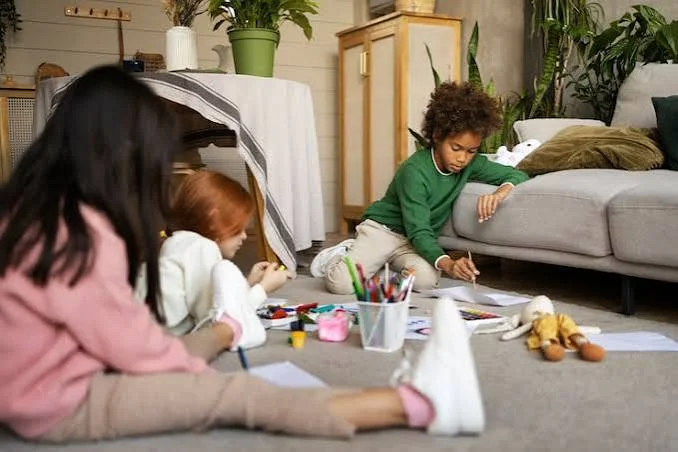
Parents today want their children to learn and grow even when they are at home. The home is a place where children can explore new things and develop important skills. This guide will show you many educational activities that you can do with your children at home. These activities are fun and they help children learn at the same time. You do not need to be a teacher to do these activities. You just need some simple materials and a little bit of time. This guide covers activities for children of all ages from toddlers to older kids. Each activity is explained in simple steps so you can start right away. Let us look at why these activities matter and how you can make learning at home a joyful experience for your educational activities for kids at home.
Why Educational Activities at Home Are Important for Children?
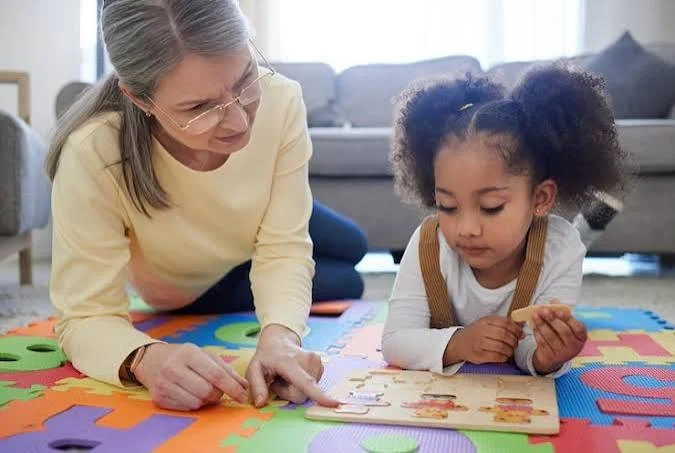
Children learn best when they are having fun. When you do activities with your child at home you are helping them grow in many ways. Play is a very important part of how children learn and develop new skills . Educational activities at home help children explore new ideas and test what they can do . These activities also help children learn how to solve problems and handle their feelings better .
When you do activities with your child you are also building a strong bond with them. This time together helps children feel loved and safe. It also helps them feel more confident about themselves. Research shows that a large part of a childs brain development happens before they turn five years old . This means that the early years are very important for learning. Doing educational activities at home during these years can make a big difference in your childs future.
Many parents today are looking for more educational activities to do with their children at home. There has been a big increase in parents searching for educational activities for their children . Parents are especially interested in activities that focus on nature, school subjects, and creative projects . This shows that families understand how valuable home learning can be. Some of the most popular types of activities include environmental activities, Montessori activities, language activities, and math activities . There is also a growing interest in educational crafts and art projects . Creative activities help children express themselves and think in new ways.
Read Also: Parenting Tips For Teenagers Checklist
Activities for Young Children (Ages 0-3)
Young children learn through their senses. They like to touch things, look at colors, and listen to sounds. Sensory activities are very good for babies and toddlers. These activities help their brains grow and help them understand the world around them. Simple activities can be done with things you already have at home.
Sensory Bins and Boxes
A sensory bin is a container filled with materials that children can explore with their hands. You can use dry rice, beans, or sand as the base. Hide small toys or objects in the bin for your child to find. This activity helps with fine motor skills and hand-eye coordination . It also helps children learn about different textures and how things feel. You can change the items in the bin based on what your child is interested in. For very young children make sure all items are safe and not small enough to swallow.
Treasure Baskets for Babies
For babies who are sitting up you can create a treasure basket. This is a basket filled with safe everyday objects from around the house. You can include things like a wooden spoon, a soft cloth, a metal whisk, or a large plastic lid. Babies will pick up each item and explore it. They will look at it, put it in their mouth, and shake it. This helps them learn about different materials and how objects work. It also helps them practice their grasping skills.
Simple Art for Toddlers
Even young children can enjoy art activities. Use large paper and thick crayons or finger paints. Let your child make marks and scribbles freely. This is the first step in learning to write. You can also put paint in a sealed plastic bag and let your child press on it to mix colors. This is a mess free way to explore color mixing . For another simple activity you can use contact paper to make a no mess painting. Tape the contact paper to a table with the sticky side up. Let your child stick tissue paper shapes onto the sticky surface. When they are done put another piece of paper on top to seal it. This creates a beautiful sun catcher without any glue or paint spills.
Surprise Boxes
A surprise box is a box with holes cut in it. You put objects inside and your child reaches in to feel them without seeing them. This activity is great for stimulating the senses and exploring cause and effect . It also helps with hand-eye coordination. You can use a shoebox and cut a hole in the top. Put different textured objects inside like a soft ball, a bumpy block, or a smooth stone. Your child will enjoy reaching in and guessing what they are touching.
Building with Blocks
Blocks are a classic toy for a reason. They help children learn about shapes, sizes, and balance. When children build with blocks they are learning about cause and effect. They see that if they place a block in a certain way the tower stays up. If they place it another way the tower falls down. Blocks also help with fine motor skills and spatial awareness. Children can build towers, houses, or anything they imagine. You can also use other materials for building like large cardboard boxes or foam shapes.
Activities for Preschoolers (Ages 3-5)
Preschoolers are curious about everything. They ask many questions and want to understand how things work. This is a great time to introduce more structured activities that still feel like play. These activities help prepare children for school while keeping learning fun.
Simple Science Experiments
Science experiments are a wonderful way to spark curiosity in young children. They get to see things happen and learn to ask questions about why things happen. One classic experiment is the baking soda and vinegar volcano . To do this you will need baking soda, vinegar, dish soap, and food coloring. Put the baking soda in a container with some dish soap and food coloring. Then pour in the vinegar and watch the eruption. This activity shows a chemical reaction that creates carbon dioxide gas . It is exciting for children to see and they will want to do it again and again. Another easy experiment is the magic milk experiment . Pour milk into a shallow dish. Add drops of different food coloring. Then touch the milk with a cotton swab dipped in dish soap. The colors will move and swirl creating beautiful patterns. This happens because the soap breaks up the proteins and fats in the milk .
Imaginative Play
Imaginative play is how young children learn about the world and develop social skills . It helps children explore different roles and situations. This type of play also helps children learn to manage their emotions and build empathy . You can encourage imaginative play with simple toys like dolls, animal figures, and play food . These open ended toys let children decide how to use them. You can also use old clothes and accessories for dress up play. Your child can pretend to be a doctor, a chef, or a superhero . Puppets are another great tool for imaginative play. You can make simple puppets from old socks . Then put on a puppet show together. This activity helps with language skills and creativity.
Gardening Activities
Gardening is a wonderful activity for young children. It teaches them about nature and where food comes from. Research shows that gardening can help reduce stress in children . It also teaches responsibility as children care for their plants. You do not need a big garden to do this. You can start with a small pot on a windowsill. Let your child plant seeds and water them each day. They can watch the plants grow and change over time. This activity connects children to the natural world. It also provides a calming and quiet activity. Even planting a few herbs in a small pot can be a great learning experience for a child.
Arts and Crafts for Preschoolers
Art activities help children develop fine motor skills and express their creativity. Studies have shown that creating art can reduce anxiety in children . It gives children a way to express their feelings and ideas. Simple art activities for preschoolers include painting with watercolors, making collages with paper and glue, and drawing with crayons. You can also collect natural objects like leaves and flowers to use in art projects. Making a nature mobile is a fun activity for this age . Go on a nature walk and collect interesting items. Then tie them to a stick or hanger with yarn to create a mobile. This activity combines art with outdoor exploration.
Cooking and Baking Together
Cooking with children offers many benefits beyond just making food. It helps children learn to follow directions and measure ingredients . This builds math and science skills. Children who learn to cook at a young age are more likely to make healthy food choices when they are older . Cooking together also builds a strong connection between parent and child . It creates a sense of accomplishment and improves self esteem when children see the food they helped make . Simple recipes for young children include making fruit salad, decorating cookies, or stirring pancake batter. Let your child do tasks that are safe for their age. They can wash vegetables, stir ingredients, or add toppings.
Activities for School-Age Children (Ages 6-10)
School-age children are ready for more complex activities. They can read and write and understand more advanced concepts. These activities help them practice what they are learning in school and develop new skills. They also help children develop critical thinking and problem-solving abilities . Hands-on activities are especially good for this age group. They allow children to explore ideas in a concrete way.
STEM Activities
STEM stands for science, technology, engineering, and math. Activities in these areas help children develop important skills for the future. Research shows that children who do STEM activities are more likely to pursue careers in these fields . These activities also help develop higher-level thinking and inquiry skills . One STEM activity is building structures with different materials. You can use marshmallows and toothpicks to build towers. Or use cardboard and tape to build a bridge. This activity teaches engineering principles and problem solving. Another activity is exploring circuits and electricity. With simple materials like a battery and a light bulb you can show children how electricity works. You can also do experiments with magnets and learn about what materials are magnetic. These hands-on activities make abstract concepts more understandable for children.
Coding and Technology
Technology is a big part of childrens lives today. It is important to teach children how to use technology in positive ways. Children who learn technology skills at a young age will be better prepared for the future. There are many free resources that teach coding to children. These often use games and puzzles to teach coding concepts. Online educational games can also make learning more engaging for children . When children use technology for learning it becomes a tool for creativity and exploration . You can also use technology to support other learning activities. For example you can use online tools to create stories or to explore topics your child is interested in . It is also important to teach children about safe internet use. Setting limits on screen time and using parental controls helps children develop healthy technology habits . It is also good to use technology in shared spaces in the home so you can supervise and guide your childs learning .
Reading and Creative Writing
Reading for pleasure is very important for childrens academic success. Research shows that children who read for fun perform better in their schoolwork . Reading also builds vocabulary and improves comprehension. Encourage your child to read books that match their interests. Create a cozy reading corner in your home where they can enjoy books. You can also help your child explore creative writing. Journaling and creative writing can help children develop empathy and emotional intelligence . It also improves their writing skills. One way to make writing fun is collaborative storytelling. One family member starts a story with one sentence. Then each person takes turns adding a sentence until the story reaches a natural conclusion . This activity is fun for the whole family and helps build language skills. You can also help your child create their own storybooks with illustrations. This activity combines writing and art and lets children be authors of their own stories.
Music and Movement
Learning music has many benefits for children. Studies show that learning a musical instrument can increase a childs IQ . Music also helps with emotional expression and creativity. You can encourage a love of music at home by singing songs together and listening to different types of music. You can also make simple instruments at home. Use empty containers and rice to make shakers . Or make a guitar with a cardboard box and rubber bands. Let your child explore the sounds they can make. Movement is also important for children. Yoga and mindfulness activities can help children manage stress and improve focus . These activities also help with physical health and body awareness. You can find simple yoga poses for children online and practice them together. This is a calming activity that can be done at any time.
Board Games and Puzzles
Board games and puzzles are a great way to spend time together as a family. They also help children develop important cognitive skills. Research shows that children who regularly play strategy games like chess have better problem-solving abilities . Games also teach important social skills like taking turns, winning and losing gracefully, and following rules. You can choose games that are appropriate for your childs age and skill level. For younger children simple counting games like Candyland help with number recognition and following directions . For older children games like Uno help with number matching and strategy . Puzzles also help with problem-solving and spatial awareness. You can work on a puzzle together as a family. This is a collaborative activity that encourages teamwork and patience.
Building Projects
Building projects help children develop spatial skills and creativity. Research shows that building activities can improve spatial skills in children . These activities also encourage planning and problem solving. You can use many different materials for building projects. Building blocks and LEGOs are great for creative construction. You can also use recycled materials like cardboard boxes, paper tubes, and plastic containers. Challenge your child to build a specific structure like a bridge or a house. Or let them build whatever they imagine. Another building activity is making a marble run with cardboard tubes. Cut the tubes in half and tape them together to create a path for marbles. This activity combines engineering with physics as children learn about gravity and speed. Building projects can be simple or complex depending on your childs age and educational activities for kids at home.
You May Also Like: Parenting Hacks For Working Parents
Activities for Older Children (Ages 10+)
Older children can handle more challenging activities that require more advanced skills. These activities are designed to be more independent and to allow children to explore their own interests. Many of these activities can also be done with friends or siblings which helps develop collaboration and social skills.
Advanced Science and Engineering
Older children can do more complex science experiments and engineering challenges. They can understand more abstract concepts and can follow multi-step instructions. You can explore topics like chemistry, physics, and environmental science at home. For example you can build a small hydroponic garden to learn about plant growth without soil. Or you can build a simple robot using a kit or recycled materials. These activities teach children to apply scientific principles and to think like engineers. They also help children see how science and technology are used in the real world. Older children can also conduct science experiments that involve collecting and analyzing data. This helps them learn about the scientific method and critical thinking.
Language Learning
Learning a second language has many benefits for children. Research shows that children who start learning a language before age ten have a better chance of becoming fluent . Learning a new language also helps with cognitive development and cultural understanding. There are many free apps and online resources that make language learning fun and interactive . You can also learn a language together as a family. Watch movies in the target language, listen to music, and try to use new words in everyday conversation. This can be a fun way to connect with other cultures and learn something new together.
Independent Projects
Older children can take on longer term projects that they manage themselves. This helps them develop planning and organizational skills. For example they can research a topic they are interested in and create a presentation or report to share with the family. They could research space, animals, or a historical event. They could also write their own book or create a video. This kind of project lets children follow their interests and develop independent learning skills. It also gives them a sense of ownership and pride in their work. Encourage them to set goals and manage their time as they work on the project.
Community and Service
Older children are ready to think about their role in the community. You can do activities that help them understand and engage with the world around them. This could include volunteering in the community. You can also do activities that teach about civic engagement like writing letters to elected officials about issues that matter to them. This helps children develop a sense of responsibility and empathy. It also shows them that they can make a difference in their community. Even small acts of service like helping a neighbor or donating to a food bank can be meaningful experiences for older children.
Business and Entrepreneurship
Older children can start small businesses to learn about money and entrepreneurship. They could sell homemade crafts, offer a service like pet sitting or tutoring, or start a small gardening business. This teaches them about financial literacy, marketing, and customer service. It also helps develop initiative and creativity. You can guide them in planning their business and managing their money. This kind of activity can be a great learning experience that builds confidence and practical skills. Even if the business is small the lessons learned can be very valuable.
Creating a Learning Routine at Home

Creating a routine can help children feel secure and make learning at home more effective. A routine does not have to be rigid or strict. It just provides some structure to the day. Include time for focused activities and time for free play. Its also important to include time for physical activity and rest. Children need a balance of different types of activities. Some children learn best in the morning and others in the afternoon. Pay attention to when your child is most focused and schedule learning activities for those times. Its also helpful to create a dedicated space for learning activities. This does not have to be a whole room. It could just be a table or a corner of a room. Having a designated space helps children get into the right mindset for learning.
The Role of Technology
Technology can be a helpful tool for learning at home. It provides access to a wide range of educational resources. There are many apps and websites that offer interactive learning experiences. When using technology for learning it is important to be intentional. Use technology to support learning goals rather than just as a passive activity. For example you can use technology to explore a topic your child is interested in or to create a project. It is also important to set boundaries around technology use. This helps children develop healthy habits and prevents screen time from interfering with other activities. Choose educational content and supervise your childs use of technology to ensure they are getting the most out of it .
Involving the Whole Family
Learning at home can be a family activity. When parents and siblings participate it makes learning more fun and meaningful. It also shows children that learning is something that continues throughout life. Families can do activities together like cooking, gardening, or playing board games. These activities build family connections and create shared experiences. They also provide opportunities for children to learn from others. This can be especially valuable for older children. You can also have family discussions about what everyone is learning. Ask questions and show curiosity about your childs interests. This helps children feel valued and encourages them to keep learning.
Using Everyday Moments for Learning
Learning opportunities are all around us. Everyday activities can become learning experiences. When you are cooking you can teach math and science. When you are shopping you can teach about money and planning. When you are on a walk you can explore nature and learn about the environment. This approach helps children see that learning is not just something that happens in school. It is something that happens all the time. Its also a low pressure way to learn. Children are more likely to be engaged when learning is connected to real life. This also helps children develop a habit of curiosity and observation. They start to see the world as a place full of interesting things to discover.
Conclusion
Educational activities at home are a wonderful way to support your childs growth and development. They provide opportunities for learning, creativity, and connection. This guide has covered many different activities for children of all ages. From sensory play for babies to science experiments for older children there is something for every family. The key is to find activities that you and your child enjoy. The activities you do should be fun and engaging for both of you. When learning feels like play children are more motivated and learn more effectively. You can start with simple activities and build on them over time. Remember that you do not need to be a teacher to do these activities. You just need to be willing to explore and learn alongside your child. The time you spend doing activities together will build strong bonds and create lasting memories.
The increasing interest in home-based educational activities shows that parents recognize the value of these experiences . Whether it is a science experiment, a creative art project, or a family game night these activities all contribute to a childs development. Research consistently shows the positive impact of these activities. The most important thing is to make learning at home a positive experience. Focus on the process not the outcome. Praise your childs effort and curiosity. Help them see that mistakes are part of learning. This will help them develop a growth mindset and a lifelong love of learning.
Other Articles

Pregnancy Diet Chart For Indian Women
50 Popular Gujarati Surnames Or Last Names With Meanings