


Every parent knows the feeling. It is the middle of the night. The house is quiet. You are finally asleep. Then you hear it. Your baby is crying. You get up and go to the nursery. You pick your baby up. You rock them. You feed them. You walk around the room. After a long time, they fall back asleep. You put them down gently. You go back to bed. Then an hour later, it happens again. You are exhausted. You are frustrated. You do not know what to do. You want to know how to get your baby to self soothe in the middle of the night.
This article is for you. We will look at what self soothing means. We will look at why babies wake up at night. We will look at why they cannot get back to sleep on their own. We will give you clear steps to help your baby learn this skill. You do not need to let your baby cry for hours. You do not need to feel guilty. You just need a plan. This guide will give you that plan. You will learn what works. You will learn what does not work. You will learn how to get more sleep for your whole family.
What Is Self Soothing?

Understanding The Basic Idea
Self soothing is a skill. It is the ability to calm yourself down. It is the ability to fall asleep without help. It is the ability to go back to sleep when you wake up at night. Adults do this all the time. You wake up in the middle of the night. You roll over. You adjust your pillow. You go back to sleep. You do not even remember it in the morning. That is self soothing baby myth.
Babies need to learn this skill. They are not born with it. A newborn baby cannot self soothe. They need your help. They need you to feed them. They need you to rock them. They need you to hold them. This is normal. This is expected. But as babies grow, they can learn to do this on their own. This is what we mean when we talk about self soothing.
What Self Soothing Looks Like In A Baby
Every baby is different. They have different ways of calming down. Some babies suck their thumb. Some babies suck their fingers. Some babies rub their face on the mattress. Some babies turn their head from side to side. Some babies kick their legs. Some babies play with their hands. These are all signs of how to get baby to self-soothe in the middle of the night.
You might see your baby do these things. They might wake up for a moment. They might start sucking their thumb. Then they go back to sleep. This is self soothing. They did not cry. They did not call for you. They found a way to settle on their own.
It is important to give your baby a chance to do this. If you rush in at the first sound, you might stop them from learning. You might pick them up when they were about to go back to sleep. You might wake them up more. You might make it harder for them to learn this skill.
Read Also: How To Tell If Baby Is Too Hot While Sleeping
Why Self Soothing Matters For The Whole Family
Self soothing is good for your baby. It is also good for you. When your baby can self soothe, everyone sleeps better. You get more rest. Your baby gets more rest. A well-rested baby is a happier baby. A well-rested parent is a better parent. You have more patience. You have more energy. You can enjoy your baby more.
Self soothing also helps your baby's development. Sleep is important for growing brains. Sleep helps with learning. Sleep helps with memory. Sleep helps with mood. When your baby sleeps well, they do better during the day. They are more alert. They are more curious. They are more ready to learn.
Why Do Babies Wake Up In The Middle Of The Night?
Normal Sleep Patterns In Babies
Here is something many parents do not know. Everyone wakes up at night. Adults wake up. Children wake up. Babies wake up. You wake up several times each night. You just do not remember it. You go back to sleep right away. You do not call for help. You do not cry. You self soothe.
Babies do the same thing. They wake up between sleep cycles. This happens every 45 to 60 minutes. This is normal. This is expected. The problem is not that they wake up. The problem is that they cannot get back to sleep on their own. They need help. They cry for you. They need you to put them back to sleep.
This is the key point. Your baby is not broken. Your baby is not doing anything wrong. They are doing what comes naturally. They are waking up. They are calling for help. They need you to teach them how to go back to sleep on their own.
Common Reasons For Night Wakings
There are many reasons why babies wake up at night. Some of these are normal. Some of these need your attention. It is important to know the difference.
Hunger is one reason. Young babies need to eat at night. Their stomachs are small. They cannot eat enough during the day. They need night feedings. This is especially true for newborns. It is true for babies up to 3 or 4 months old. After that, many babies can go longer without food. They might still wake up out of habit. They might not be truly hungry.
Teething is another reason. Teeth can hurt. The pain can wake your baby up. This is especially true during the day. It can also be true at night. Lying down can make the pain worse. Your baby might cry from teething pain. They might need comfort. They might need pain relief.
Separation anxiety is a big reason. This starts around 8 months old. Your baby understands that you exist. They also understand that you can leave. This is scary for them. They want you to stay close. When they wake up at night and you are not there, they get upset. They call for you. They need to know you are still there.
Learning new skills is another reason. Babies learn new things all the time. They learn to roll over. They learn to sit up. They learn to crawl. They learn to stand. These are exciting. They want to practice these new skills. Even at night. Even in the middle of the night. They might wake up and start practicing. They might not be able to stop their brain from thinking about these new skills.
Sleep regressions happen. These are periods when sleep gets worse. This often happens at 4 months. It can also happen at 6 months. It can happen at 8 months. It can happen at 12 months. During these times, your baby's sleep changes. They might wake up more often. They might have a harder time going back to sleep. This is normal. This is temporary.
Illness can disrupt sleep. Ear infections are common. They can hurt. The pain is worse when lying down. Your baby might wake up crying. They might need medical care. Cold and flu can also disrupt sleep. A stuffy nose makes it hard to breathe. A fever makes them uncomfortable. These are temporary problems. They will pass.
An uncomfortable sleep environment can be a problem. Is the room too hot? Is it too cold? Is it too loud? Is it too bright? Any of these can wake your baby up. They can make it hard to fall back asleep. A comfortable room helps everyone sleep better.
Over tiredness is a big problem. This might seem strange. You might think a tired baby sleeps well. That is not always true. An over tired baby produces stress hormones. These hormones keep them awake. They make it harder to settle. They make it harder to stay asleep. Overtired babies often wake up more at night.
Why Some Babies Cannot Self Soothe
Some babies learn to self soothe easily. Others struggle. There are reasons for this.
One reason is habit. If you always rock your baby to sleep, they get used to it. They learn that this is how sleep happens. They do not learn to do it on their own. They need the rocking. When they wake up at night, they need the rocking again. They do not know any other way to fall asleep.
Another reason is age. Young babies are not ready to self soothe. They do not have the ability. Their brains are not developed enough. They need your help. This is normal. This is expected. You should not expect a newborn to self soothe. They simply cannot do it yet.
A lack of routine can also be a problem. Babies thrive on routine. They like to know what comes next. A bedtime routine signals that sleep is coming. Without a routine, your baby might not know when to sleep. They might not be ready for sleep when you put them down. This makes it harder to fall asleep. It makes it harder to stay asleep.
Not having a consistent place to sleep can be a problem. If you move your baby around, they might get confused. If they fall asleep in different places, they might not know how to fall asleep in their crib. They might not feel safe in their crib. They might need you to help them feel safe.
When Can Babies Start To Self Soothe?

The Newborn Stage
Newborns cannot self soothe. This is the truth. They are too young. They need your help. They need to be held. They need to be fed. They need to be rocked. You cannot spoil a newborn. You should not try to sleep train a newborn. Their brains are not ready. Their stomachs are not ready. They need to eat at night.
Do not worry about bad habits at this stage. Do not worry about creating dependence. Your newborn needs you. You should respond to them. You should comfort them. You should feed them. This helps them feel safe. This helps them trust you. This trust is important for later development.
You can start good habits at this stage. You can put them down drowsy but awake. You can create a bedtime routine. You can make the room dark at night. These are small things. They will help later. But do not expect too much. Your newborn will wake up at night. They will need you. This is normal.
The 3 To 4 Month Mark
This is when things start to change. Your baby is getting older. Their brain is developing. They can start to learn self soothing. They might start sucking their thumb. They might start finding their hands. These are early signs of self soothing.
The 4 month sleep regression often happens at this time. This is a normal change in sleep patterns. Your baby starts waking up more at night. This can be hard. But it is also an opportunity. It is a chance to teach them how to fall back asleep on their own. You can start using gentle sleep training methods at this age.
But not all babies are ready at 4 months. Some babies need more time. Some babies are still hungry at night. You should look at your baby's cues. You should talk to your doctor. You should decide what is right for your family. There is no one right age for every baby.
The 6 Month Mark And Beyond
By 6 months, many babies are ready. They can go 8 hours without food. They do not need to eat at night. They have the physical ability to self soothe. They have the developmental ability. They just need to learn the skill.
This is a good time for sleep training. Most babies are ready. They are not too old to learn. They are not too young to understand. They can learn to fall asleep on their own. They can learn to get back to sleep when they wake up at night.
But some babies still need night feedings at 6 months. Some babies are smaller. Some babies have growth spurts. Some babies have medical issues. You should talk to your doctor. You should make sure your baby is healthy. You should make sure they are growing well. Then you can decide when to start sleep training.
By 8 or 9 months, separation anxiety can start. This can make sleep training harder. Your baby might be more clingy. They might not want you to leave. They might cry more at night. This is normal. This is a phase. It will pass. But it can make sleep training more challenging.
How To Teach Your Baby To Self Soothe
Creating The Right Sleep Environment
Your baby's room matters. It can help them sleep better. It can help them self soothe. You need to make the room comfortable. You need to make the room safe. You need to make the room boring. Here is what that means.
Keep the room dark. Light tells the brain to wake up. Dark tells the brain to sleep. You should make the room as dark as possible at night. Use blackout curtains. Cover any lights. Do not turn on the light during night feedings. This helps your baby stay sleepy. This helps them go back to sleep.
Keep the room cool. A cool room is better for sleep. Your baby sleeps better when they are not too hot. They might wake up if they are too warm. The best temperature is between 68 and 72 degrees. You can check your baby's neck. If it is sweaty, they are too warm. You should remove some clothing.
Use white noise. White noise can help your baby sleep. It blocks out other sounds. It sounds like the womb. It is calming for babies. You can use a white noise machine. You can use a fan. You can use an app on your phone. The sound should be loud. It should be as loud as a shower. You should keep it on all night.
Keep the room quiet. Loud sounds can wake your baby up. You should keep the room quiet. Do not talk loudly near the nursery. Do not have the TV on. Do not play loud music. White noise can help with this. It can block out sudden sounds.
Remove distractions. Do not have toys in the crib. Do not have mobiles that move. Do not have things that light up. These are interesting. They will keep your baby awake. You want the room to be boring. You want your baby to focus on sleeping. Not on looking at things.
Keep the crib safe. Your baby's safety is the most important thing. Do not have blankets in the crib. Do not have pillows in the crib. Do not have stuffed animals in the crib. These can be dangerous. They can cause suffocation. They can cause SIDS. Keep the crib clear. Your baby should sleep on their back. They should not have anything in the crib with them.
Establishing A Bedtime Routine
A bedtime routine is very important. It signals that sleep is coming. It helps your baby wind down. It helps them relax. It makes it easier to fall asleep. It makes it easier to stay asleep.
Your routine should be consistent. It should happen every night. It should start around the same time. It should include calm activities. It should last about 20 to 30 minutes. Here are some things you can include.
A bath can be part of the routine. Warm water is relaxing. It can help your baby feel sleepy. You can give your baby a bath every night. You do not need to use soap every night. You can just let them play in the water. This helps them relax before bed.
A massage can be part of the routine. Babies love touch. A gentle massage can help them relax. You can use baby oil. You can rub their back. You can rub their legs. You can rub their arms. This is calming. This helps them feel safe. This prepares them for sleep.
Reading a book can be part of the routine. Even young babies can enjoy books. They like the sound of your voice. They like the pictures. Reading is calming. It slows everything down. It signals that the day is ending. You can read the same book every night. This creates consistency.
Singing a lullaby can be part of the routine. Your voice is comforting to your baby. Singing is calming. It can help your baby relax. It can help them fall asleep. You can sing the same song every night. This signals that it is time for sleep.
Avoid screen time before bed. Screens are stimulating. They keep the brain awake. They make it harder to sleep. You should not show your baby screens before bed. No TV. No tablets. No phones. Keep screens out of the routine.
Keep the routine short and sweet. You do not need a long routine. 20 to 30 minutes is enough. Too long can be over stimulating. Too short might not be calming. Find what works for your baby. Be consistent. Do the same things every night.
The Importance Of Putting Baby Down Drowsy But Awake
This is one of the most important things you can do. It is a simple idea. But it is powerful. Here it is. Put your baby down in their crib when they are drowsy. But before they are fully asleep. They should be awake enough to know they are in the crib. They should not be completely asleep.
Why is this so important? It helps your baby learn to fall asleep on their own. They learn that the crib is where sleep happens. They do not need to be rocked to sleep. They do not need to be fed to sleep. They can fall asleep by themselves. This is a critical skill.
If your baby always falls asleep in your arms, they get used to it. They learn that this is how sleep happens. When they wake up at night, they need this again. They need to be in your arms. They need to be rocked. They need to be fed. They cannot go back to sleep without this help.
But if your baby falls asleep in the crib, they learn a different lesson. They learn that the crib is a safe place to sleep. They learn to fall asleep in the crib. When they wake up at night, they are already in the crib. They know where they are. They know how to fall back asleep. They do not need you. They can self soothe.
This takes practice. It is not easy at first. Your baby might cry. They might resist. That is normal. You need to be patient. You need to be consistent. Over time, they will learn. They will learn to fall asleep in the crib. They will learn to fall back asleep when they wake up at night.
The Pause Technique
The pause is a simple technique. You use it when your baby wakes up at night. Instead of rushing in, you wait. You pause. You give your baby a chance. A chance to go back to sleep on their own.
Here is how it works. When you hear your baby cry, do not rush in. Wait for a few minutes. Listen. Sometimes they will cry for a moment. Then they will stop. They will go back to sleep. You did not need to help them. They helped themselves.
How long should you wait? This is up to you. Some parents wait 5 minutes. Some parents wait 10 minutes. It depends on your baby. It depends on your comfort level. You might start with a short pause. You can make it longer over time. The goal is to give your baby a chance to self soothe.
The pause helps your baby learn. They learn that not every cry needs an immediate response. They learn to settle themselves. They learn to go back to sleep. This is a good thing. It builds their independence. It helps them develop self soothing skills.
The pause also helps you. It helps you avoid rushing in. It helps you avoid waking your baby up more. It helps you avoid creating bad habits. It helps you get more sleep. You might be surprised at how often your baby goes back to sleep on their own.
You May Also Like: Baby Development Milestones By Month
The Ferber Method For Night Wakings
The Ferber method is a sleep training technique. It is also called graduated extinction. It involves checking on your baby at set intervals. You do not let them cry forever. You go in and comfort them. But you do not pick them up. You just reassure them. Then you leave again. You increase the time between checks.
Here is how it works for the middle of the night. Your baby wakes up and cries. You wait for the first interval. Maybe 5 minutes. If they are still crying, you go in. You do not pick them up. You pat their back. You talk to them softly. You tell them it is okay. Then you leave. Even if they are still crying. You wait for the next interval. Maybe 10 minutes. You do the same thing. You go in. You comfort. You leave. You keep doing this until they fall asleep.
This is a popular method. Many parents have success with it. It works for bedtime. It also works for night wakings. You just follow the same rules. You wait for the intervals. You go in and comfort. You leave. You let your baby learn to fall back asleep on their own.
This method can be hard. It can be emotional. It is hard to hear your baby cry. But many babies learn quickly. They might cry less after a few nights. They learn that you are still there. They learn that you are not leaving them. They just need to fall back asleep on their own.
You can adjust this method. You can make it more gentle. You can comfort your baby longer. You can pick them up if you want. You can do what feels right for you. There is no one right way. The important thing is consistency. You need to follow through. You need to help your baby learn.
The Pick Up Put Down Method
This is another sleep training method. It is a gentler option. It is perfect for parents who do not want to let their baby cry. It involves picking your baby up when they cry. You comfort them. Then you put them down. You put them down before they fall asleep. You repeat this until they fall asleep in the crib.
Here is how it works. Your baby wakes up and cries. You go to them. You pick them up. You hold them. You comfort them. You calm them down. As soon as they start to fall asleep, you put them down. You put them in the crib. They are not fully asleep. They are drowsy. They are calm. Then you leave. If they start crying again, you do it again. You pick them up. You calm them. You put them down. You do this over and over. Until they fall asleep in the crib.
This method can take a lot of time. It can take many tries. You might pick your baby up 20 times. You might pick them up 30 times. You need to be patient. You need to be persistent. But it can work. It is gentle. Your baby learns that you are there for them. They also learn that they need to fall asleep in the crib.
This method is best for younger babies. It can work for babies under 6 months. It can be harder for older babies. Older babies might get more upset. They might be harder to calm. But it can work at any age. You just need to be consistent. You need to keep doing it. Eventually, your baby will learn.
The Wake And Sleep Method
This is a surprising method. It is a gentle way to teach self soothing. It is used from a very early age. It helps babies learn to fall asleep on their own. Here is how to get baby to self-soothe in the middle of the night.
You put your baby to sleep. You do your normal bedtime routine. You feed them. You rock them. They fall asleep in your arms. Then you put them in their crib. But before they are fully asleep, you wake them. You tickle their feet. You touch their neck. You rouse them slightly. Just enough so their eyes open. Then you stop. You let them fall back asleep.
Why does this work? It teaches your baby where they are. They learn they are in the crib. They learn they are not in your arms. They learn to fall asleep in the crib. They might be confused for a moment. But they are also very tired. They quickly fall back asleep. This teaches them that they can fall asleep in the crib.
You need to do this gently. You do not want to fully wake them. You just want them to be aware. Just enough to know they are in the crib. Then they can learn to fall back asleep. This is a very gentle method. It does not involve crying. It is good for young babies. It is good for babies who are not ready for other methods.
Gentle Sleep Training Without Crying
Some parents do not want their baby to cry. That is okay. There are gentle methods. They might take longer. They might require more work. But they can be effective. Here are some ideas.
The chair method is a good option. You put your baby in the crib. You sit in a chair next to the crib. You comfort them. You pat their back. You talk to them softly. You do not pick them up. You stay there until they fall asleep. The next night, you move the chair further away. You keep moving it until you are out of the room. This helps your baby feel safe. It helps them learn to fall asleep without being held.
The camping out method is another option. You stay in your baby's room. You sleep on a mattress on the floor. Your baby can see you. They can hear you. They can know you are there. This helps them feel safe. They can fall asleep on their own. They know you are nearby. Over time, you can leave the room. You can teach them to be independent.
Gradual distance is also possible. You do your normal bedtime routine. You put your baby in the crib. You sit next to the crib. You comfort them. You pat them. You talk to them. You stay until they fall asleep. Then you start to move away. You move a little further each night. Until you are out of the room. This is a slow process. But it can work. It helps your baby feel safe. It helps them learn to fall asleep without you.
How To Handle Middle Of The Night Wakings
Step By Step Guide For The Middle Of The Night
The middle of the night can be hard. You are tired. You are not thinking clearly. You might just want the crying to stop. You might give in to bad habits. This is normal. But you need a plan. You need to know what to do. Here is a step by step guide.
Step 1: Wait and listen. When your baby wakes up, pause. Do not rush in. Wait for a few minutes. Listen to the cry. Is it a hungry cry? Is it a hurt cry? Is it a habit cry? You can learn to tell the difference. A hungry cry is more intense. A hurt cry is a scream. A habit cry is more whiny. This will help you know what to do.
Step 2: Try the pause. If your baby is just fussing, wait. Give them a chance to go back to sleep. You might be surprised. They might stop crying. They might self soothe. They might go back to sleep on their own. This is what you want. This is how they learn.
Step 3: Check for problems. If the crying continues, check for problems. Is their diaper wet? Are they too hot? Are they too cold? Is something uncomfortable? Check these things quickly. Do not turn on the light. Do not make a big fuss. Just check and move on.
Step 4: Consider feeding. Think about when they last ate. If it has been a long time, they might be hungry. If they are young, they might need to eat. If they are older, they might not. You need to decide. You know your baby. You know their needs. Use your best judgment.
Step 5: Soothe without picking up. If your baby is not hungry, try to soothe them in the crib. Do not pick them up. Pat their back. Rub their tummy. Talk to them softly. Tell them it is okay. They need to know you are there. But they also need to stay in the crib.
Step 6: Leave the room. After a minute of comforting, leave. Even if they are still crying. Give them another chance to self soothe. Wait for a longer time. Then go back in. Repeat the soothing. Leave again. Keep doing this until they fall asleep.
Step 7: Be consistent. This is the most important part. You need to do the same thing every night. You need to respond the same way. Your baby needs to know what to expect. If you are consistent, they will learn. They will learn to self soothe. They will learn to fall back asleep on their own.
What To Do If Your Baby Cries
Crying is hard. It is hard to hear your baby cry. It is natural to want to comfort them. But sometimes you need to let them cry. This is how they learn to self soothe. This is how they learn to fall back asleep on their own.
Start with a short amount of time. You do not need to let them cry for hours. Start with 5 minutes. This is manageable. You can wait 5 minutes. You can see if they go back to sleep. If they do not, go in and comfort them. Then wait for the next interval.
Increase the time gradually. Over time, make the intervals longer. Wait 10 minutes. Then 15 minutes. Then 20 minutes. This helps your baby learn. They learn that you will come. They learn that you have not abandoned them. But they also learn that they need to fall asleep on their own.
Consider how your baby cries. There are different types of crying. Sometimes it is just fussing. Sometimes it is a loud cry. Sometimes it is a screaming cry. You can learn the difference. If it is just fussing, they might be trying to self soothe. Give them a chance. If it is a desperate cry, they might need you. Use your best judgment.
It is okay to pick them up. You do not have to let them cry if you are uncomfortable. You can pick them up. You can comfort them. You can calm them down. Then you can put them down again. You can try again. There is no one right way. You need to do what feels right for you.
Listen to your instincts. You are the parent. You know your baby. You know what they need. Trust your instincts. If you think something is wrong, check on them. If you think they need you, go to them. Do not let a sleep training method get in the way of your parenting.
Common Mistakes To Avoid
Rushing In At The First Sound
This is a common mistake. Many parents rush in at the first sound. They hear their baby make a noise. They get up right away. They pick them up. They start the bedtime routine all over again. This is understandable. You want to comfort your baby. But it can be a problem.
The problem is this. Your baby might not need you. They might just be making noise. They might be stirring. They might be about to go back to sleep. When you rush in, you wake them up. You make it harder for them to learn self soothing. You create a habit. Your baby learns that any noise brings you running.
Instead, you should wait. You should pause. Give your baby a chance. Let them make some noise. Let them stir. See what happens. They might go back to sleep. They might self soothe. If they do, you have helped them learn. If they do not, you can go in. But wait for a moment. Give them that chance.
Feeding To Sleep For Older Babies
This is another common mistake. Many parents feed their baby to sleep. This works well for young babies. It is natural. It is comforting. It is easy. But it can become a problem. It can become a sleep association. Your baby learns they need food to sleep. They cannot sleep without it.
The problem is night wakings. Your baby wakes up at night. They do not need food. But they cannot sleep without it. They need to be fed. They cry for you. They need you to feed them. Even though they are not hungry. This is a habit. It is not a need.
To break this habit, you need to separate feeding and sleeping. You should not feed your baby to sleep. You should feed them earlier in the routine. You should put them down awake. You should teach them to fall asleep without food. This is a change. It will take time. But it is important.
You also need to stop night feeding. If your baby is old enough, they do not need to eat at night. They are not hungry. They are just used to it. They need to learn to sleep without food. This can be hard. But it is important for sleep training.
Not Being Consistent
Consistency is key. It is the most important part of sleep training. You need to do the same thing every night. You need to respond the same way. You need to follow the same routine. You need to stick to the plan.
If you are not consistent, your baby gets confused. They do not know what to expect. They do not know how to fall asleep. They do not know how to self soothe. They keep crying. They keep looking for help. They do not learn.
You and your partner need to be consistent. You need to agree on the plan. You need to both follow it. You need to support each other. If one of you gives in, it does not work. Your baby learns that crying works. They learn that they can get what they want. This makes it harder in the long run.
Stopping Sleep Training During A Sleep Regression
Sleep regressions are hard. They are frustrating. Your baby starts waking up more. They start crying more. You are exhausted. You might want to stop sleep training. You might want to go back to old habits. This is a mistake.
Sleep regressions are temporary. They usually last a few weeks. Then things get better. If you stop sleep training during a regression, you undo your progress. Your baby learns that crying works. They learn that they can get your attention. They might expect this all the time.
Instead, you should keep going. You should stick to your routine. You should keep your consistency. You might need to be more flexible. You might need to comfort your baby more. But you should not give up. You should keep working on self soothing. This will help you get through the regression. It will be better in the long run.
Age Specific Tips
Tips For 4 To 6 Month Olds
This is a good time to start sleep training. Your baby is old enough. They can learn to self soothe. They do not need to eat at night. But they are also not too old. They have not developed strong habits yet. This makes it easier.
Start with a routine. Create a consistent bedtime routine. Do the same thing every night. This helps your baby know what to expect. This helps them relax. This makes it easier to fall asleep.
Put your baby down awake. Do not rock them to sleep. Do not feed them to sleep. Put them in the crib awake. Let them learn to fall asleep on their own. This is the most important thing you can do.
Use the pause. When your baby wakes at night, wait. Give them a chance to go back to sleep. Do not rush in. This helps them learn self soothing. This helps them stay asleep longer.
Be consistent. Stick to your plan. Do the same thing every night. Your baby needs to learn. They need to know what to expect. Consistency is the key.
Tips For 6 To 9 Month Olds
This is the age of separation anxiety. Your baby might be more clingy. They might cry more at night. They might not want you to leave. This is normal. This is a phase. But it can make sleep training harder.
Be calm and reassuring. When you comfort your baby, be calm. Be soothing. Do not show frustration. Do not show worry. Your baby can sense your emotions. Stay calm. This helps them feel safe.
Do not pick them up too much. Try to soothe your baby in the crib. Pat their back. Rub their tummy. Talk to them softly. This helps them feel safe. But they need to stay in the crib. They need to learn to fall asleep there.
Maintain your routine. Keep your bedtime routine consistent. This is especially important now. The routine signals that sleep is coming. It helps your baby relax. It makes it easier to fall asleep.
Be patient. This phase will pass. Your baby will learn to self soothe. They will learn to fall asleep on their own. You just need to be patient. You need to keep working. It will get better.
Tips For 9 To 12 Month Olds
Your baby is older now. They can stand in the crib. They can pull up. They might stand up and cry. They might not be able to get back down. This can make night wakings more challenging.
Help them get back down. If your baby is standing in the crib, help them get down. But do not pick them up. Just lay them back down. Comfort them. Then leave. They need to learn to get back down on their own.
Be consistent. Your baby might test you. They might cry harder. They might cry longer. They might try to get your attention. You need to be consistent. You need to stick to your plan. Do not give in.
Talk to your baby. You can talk to your baby. Tell them it is time to sleep. Tell them you love them. Tell them you will see them in the morning. This helps them feel safe. This helps them relax. This makes it easier to fall asleep.
Keep the room boring. Make sure there are no toys in the crib. Make sure there are no distractions. You want your baby to sleep. You do not want them to play. Keep the room dark. Keep the room quiet. This helps them focus on sleeping.
Troubleshooting
What If My Baby Cries So Hard They Vomit?
This can happen. Some babies cry very hard. They can get upset. They can make themselves sick. This is scary. This is hard to deal with. But it is not uncommon. Here is what you can do.
Clean them up. If your baby vomits, clean them up. Change their clothes. Change the sheets. Do this quickly. Do not make a big deal of it. Do not turn on the light. Do not start playing. Just clean them up. Then put them back in the crib.
Comfort them. Your baby might be scared. They might need comfort. Calm them down. Pat their back. Talk to them softly. Help them feel safe. But do not pick them up. Do not start the bedtime routine over. Just comfort them in the crib.
Try again. After you clean them up, try again. Put them back in the crib. Leave the room. Wait for the next interval. This is hard. But it is important. You need to be consistent. You need to help your baby learn.
Consider if something is wrong. If your baby vomits a lot, something might be wrong. They might be sick. They might have an ear infection. They might be in pain. If you are worried, call your doctor. Check with them. Make sure your baby is healthy.
What If Teething Or Illness Interferes?
Sometimes your baby is sick. Sometimes they are teething. This is not the time for sleep training. They need your comfort. They need your help. You should not ignore them. You should not let them cry.
Respond to them. When your baby is sick, respond to them. Go to them. Pick them up. Comfort them. Give them medicine if needed. Help them feel better. They need this. They are not being difficult. They are in pain.
Take a break from sleep training. You can take a break. Stop sleep training for a few days. Let your baby recover. Let them get better. Then you can start again. This is okay. It will not ruin your progress.
Start again later. When your baby is better, start again. Go back to your routine. Go back to your plan. Your baby will remember. They will learn. You can continue where you left off. It is never too late to start again.
What If My Baby Has A Strong Sleep Association?
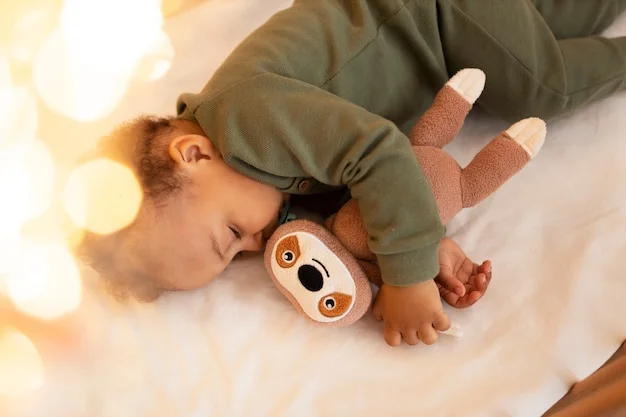
Some babies have strong sleep associations. They need specific things to fall asleep. They need a pacifier. They need a blanket. They need to be rocked. They need to be fed. These are hard to break. But they can be broken.
Gradually reduce the association. If your baby needs a pacifier, you can reduce it. Give them the pacifier to fall asleep. Then remove it when they are drowsy. Do this gradually. They will learn to fall asleep without it.
Replace the association. Find a new way to soothe your baby. Instead of rocking, try patting. Instead of feeding, try talking. You can change the association. You can teach your baby a new way to fall asleep.
Be patient. This will take time. Your baby will resist. They will cry. They will want the old way. But you need to be consistent. You need to be patient. They will learn the new way. They will learn to self soothe.
FAQs
What is self soothing for babies?
Self soothing is when a baby can calm themselves down. They can fall asleep without help from a parent. They can go back to sleep when they wake up at night. They use their own ways to settle. This could be sucking their thumb. This could be rubbing their face. This could be turning their head. It is a skill that babies learn over time.
At what age should a baby self soothe?
Most babies start to show self soothing behaviors around 3 to 4 months. But every baby is different. Some babies learn earlier. Some babies learn later. By 6 months, many babies can self soothe. But some still need help. There is no exact age. It depends on the baby.
How long should I let my baby cry to self soothe?
This depends on your method. Some parents let their baby cry for 5 minutes. Some parents wait 10 minutes. Some parents wait 15 minutes. There is no right answer. You need to decide what feels right for you. You also need to consider your baby. Use your best judgment.
Should I pick my baby up when they cry at night?
It depends on the situation. If they are sick, pick them up. If they are in pain, pick them up. If they are just fussing, you might not need to. You can soothe them in the crib. You can pat their back. You can talk to them. But you do not always need to pick them up.
What should I do in the middle of the night?
First, wait. Give your baby a chance. They might go back to sleep. If they do not, check for problems. Make sure they are not hungry. Make sure they are not sick. Then soothe them in the crib. Do not pick them up. Then leave. Give them another chance. Repeat as needed.
Conclusion
Self soothing is a skill. It is a skill that all babies can learn. It is a skill that will help your family. It will help your baby sleep better. It will help you sleep better. It is worth the effort.
You need to be patient. You need to be consistent. You need to believe in your baby. They can learn. They will learn. They just need time. They just need practice.
Start with a good sleep environment. Make the room dark. Make the room cool. Use white noise. This will help your baby sleep better.
Create a bedtime routine. Do the same things every night. This signals that sleep is coming. This helps your baby relax. This makes it easier to fall asleep.
Put your baby down drowsy but awake. This is the most important thing. Do not rock them to sleep. Do not feed them to sleep. Let them fall asleep in the crib. This is how they learn.
Be consistent in the middle of the night. Use the pause. Wait before you respond. Give them a chance to self soothe. Do not rush in. This is how they learn to go back to sleep.
Choose a sleep training method that works for you. There are many options. The Ferber method. The pick up put down method. The wake and sleep method. You can choose what feels right.
Do not give up. There will be hard nights. There will be setbacks. Your baby might get sick. They might go through a sleep regression. These things happen. They are normal. You will get through them. Stick with your plan. You will see self soothing baby myth.
Other Articles

Best Sleeping Position During Pregnancy By Trimester
50 Popular Gujarati Surnames Or Last Names With Meanings