

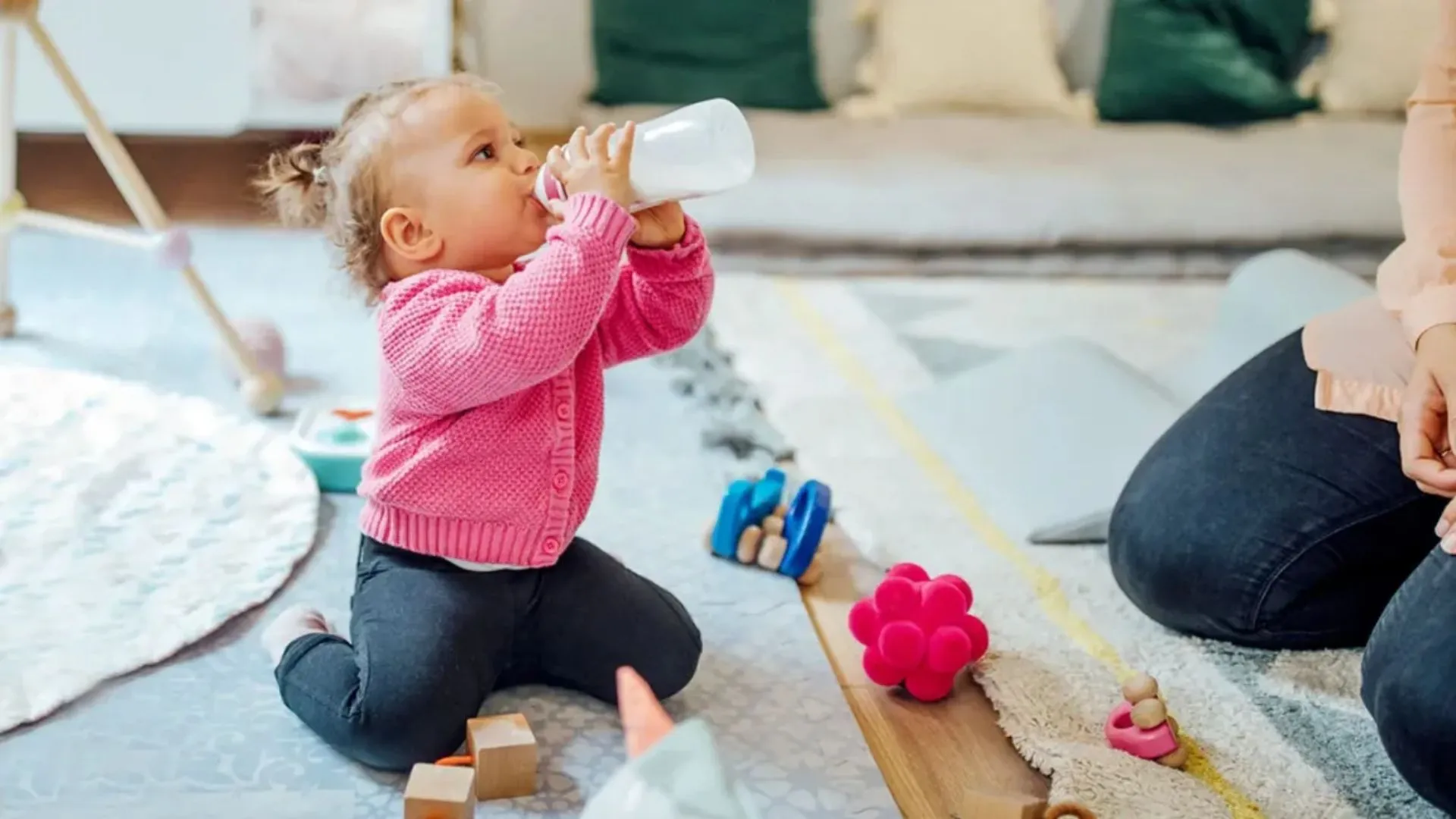
Becoming a parent is the biggest change in your life. I remember holding my niece for the first time. She was so small. Her fingers were like tiny matchsticks. Her eyes were closed. She made these little sounds. I was scared to hold her. What if I dropped her? What if I held her wrong?
Now she is three years old. She runs around the house. She talks non-stop. She asks a million questions. Looking back, I wonder where the time went.
Every parent goes through this. You want to know if your baby is growing right. You want to know if they are doing things at the right time. You read books. You ask your mother. You ask your mother-in-law. Everyone gives different advice.
This guide is here to help you. It tells you what to expect each month. But please remember one thing - your baby is unique. My nephew walked at ten months. My friend's daughter walked at fifteen months. Both are perfectly fine today.
So take this as a general idea. Not a strict rule. Your baby will do things in their baby development milestones by month.
Month One - The Sleepy Days
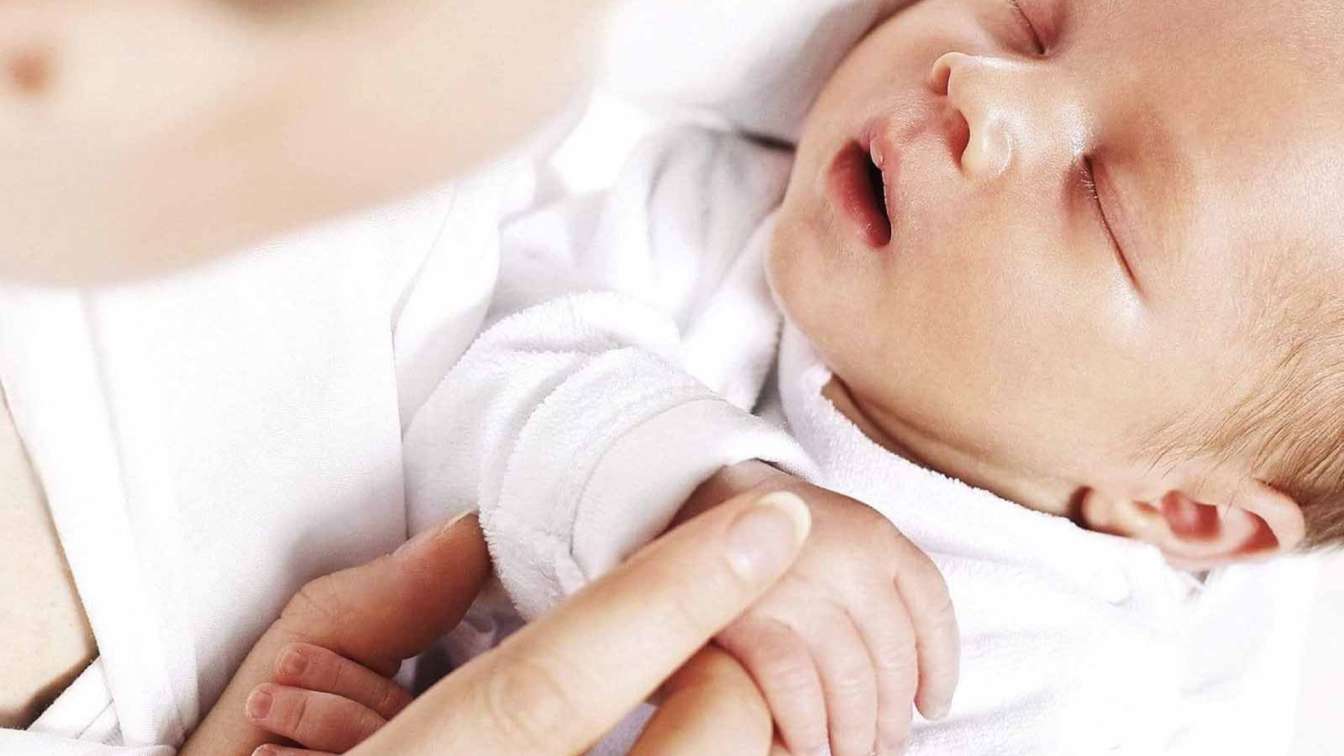
Your baby just came into this world. They are still getting used to everything. The light is too bright. The sounds are too loud. The air feels different. Everything is new.
In the first month, your baby will sleep most of the time. They will wake up to eat. They will cry when they are hungry or uncomfortable. Then they will go back to sleep. That is the routine.
But some beautiful things are happening. Your baby can see your face from about eight to ten inches away. That is exactly the distance when you hold them in your arms. They will stare at your face. They will try to make sense of it. They know it is you.
Your baby will also make jerky movements. Their arms and legs will move suddenly. This is normal. Their nervous system is still developing.
There are some reflexes you will notice. If you touch their palm, they will grip your finger tightly. This is called the grasp reflex. If they hear a loud sound, they will throw their arms out and then bring them back. This is the startle reflex. It goes away after a few months.
What you can do this month
Hold your baby often. Skin to skin contact is very good. It helps them feel safe. It helps you bond with them.
Talk to them in a soft voice. They heard your voice for nine months inside your tummy. They recognize it. It comforts them.
Start tummy time. Just for a few minutes each day. Lay them on their tummy on a flat surface. Stay with them. Watch them. This helps build their neck muscles.
Do not worry if they cry during tummy time. Start with one minute. Slowly increase it.
Read Also: Newborn Baby Sleep Tips For First Time Moms
Month Two - The First Real Smile
This is the month that melts your heart. Around six to eight weeks, your baby will smile at you. A real smile. Not a gas bubble smile. Not a sleepy smile. A smile that says "I see you and I am happy."
I remember when my sister's baby smiled at her for the first time. She cried. She called me immediately. She said "He smiled at me. He really smiled at me." It was a big moment.
Your baby is also starting to make sounds. Soft cooing sounds. Little gurgles. They are testing their voice. They are learning how to make sounds. These are the first steps towards talking.
They can also hold their head up a little better. During tummy time, you will see them lift their head briefly. Their neck is getting stronger. Their movements are also getting smoother. Less jerky than before.
Another thing - your baby is starting to follow things with their eyes. They will watch you as you move around the room. They are becoming more aware of their surroundings.
What you can do this month
Smile at your baby a lot. When they see you smile, they will smile back. This is how they learn social interaction.
Talk to them. Tell them about your day. Tell them what you are doing. It does not matter what you say. Just the sound of your voice is good for them.
Give them more tummy time. A few minutes, several times a day. Put a colourful toy in front of them. This encourages them to lift their head.
Month Three - More Strength and More Sounds
By three months, your baby is becoming stronger. They can hold their head up for longer periods. During tummy time, they might push up on their forearms. They look around. They are curious about everything.
Your baby is also becoming more social. They love looking at faces. They might recognize you from across the room. When you enter the room, they might get excited. They might kick their legs and wave their arms.
The sounds are getting more varied. You might hear giggles. You might hear squeals of delight. Your baby is discovering their sense of humour. They might laugh when you make funny faces.
This is also when babies discover their hands. They will stare at their hands for a long time. They will bring them to their mouth. They will try to grab things. Everything is new and interesting.
What you can do this month
Place a baby-safe mirror near them during tummy time. Babies love looking at faces. Their own face is fascinating to them.
Sing songs to them. Read books with bright pictures. Even if they do not understand the words, they love the sound of your voice and the colours in the book.
Give them soft toys to hold. Rattles are good. Toys that make sounds are interesting to them. Make sure the toys are safe. Nothing with small parts that can come off.
Month Four - Rolling Over
This is an exciting month. Your baby will probably start rolling over. First from tummy to back. Then from back to tummy. This is a big milestone. It gives them a new way to see the world.
You might put your baby on their tummy. You turn around for a second. When you look back, they are on their back. You wonder how it happened. This is the start of their mobility.
Your baby can also reach for things now. They will see a toy. They will try to grab it. They will bring it to their mouth. Everything goes in the mouth at this age. This is how they explore. They learn about texture. They learn about shape. They learn about taste.
Be careful about small objects. They will put anything in their mouth. Keep small buttons, coins, and other small things away from them.
You might also notice sleep changes around this time. Your baby might wake up more at night. This is called the four month sleep regression. It is normal. It is a sign that their brain is developing. It will pass. Just be patient.
What you can do this month
Give your baby plenty of floor time. Lay a mat on the floor. Put toys around them. Let them practice rolling.
Put toys just out of reach. This encourages them to move. It helps them develop their muscles.
Keep small objects away. Check their play area for anything small that they might put in their mouth.
Month Five - Sitting with Support
By five months, your baby can sit up with support. You can prop them up with pillows. They love this new view. They can see more of the room. They can look around better.
Their hand skills are also improving. They can reach for things on purpose now. They are not just flailing their arms. They see a toy. They reach for it. They grab it. This is a big step.
Some babies start to pass things from one hand to the other. This is called cross-body transfer. It is an important skill. It means the two sides of their brain are communicating.
Teething might start around now. You will notice more drooling. Your baby will put everything in their mouth. They might chew on their fingers. Their gums might be sore. A cold teething ring can help soothe their gums.
What you can do this month
Practice sitting with your baby. Support them with pillows all around. Stay close to them. Do not leave them alone.
Give them different toys to hold. Toys with different textures. Soft toys. Hard toys. Toys that make sounds. This helps their development.
If your baby is teething, give them something safe to chew on. A cold teething ring is good. Wash it before and after each use.
Month Six - Sitting Alone and Starting Solids
Six months is a big month. Your baby can probably sit up without support now. This is a major achievement. It frees up their hands. They can reach for things more easily. They can look around more freely.
This is also when many babies start solid food. Breast milk or formula is still their main food. But you can start giving them small tastes of solid food.
Start with single grain cereal. Make it very thin. Mix it with breast milk or formula. Your baby might not know what to do with it at first. They might push it out with their tongue. This is normal. Keep trying.
You can also try pureed vegetables or fruit. Mashed banana is a good first food. So is pureed sweet potato. Start with one food at a time. Wait a few days before trying something new. This helps you know if your baby has any reaction to a food.
Your baby is also babbling more now. You will hear sounds like "ba-ba-ba" or "da-da-da." They are practicing the sounds of speech. They do not know what these sounds mean yet. But they are getting ready to talk.
What you can do this month
Give your baby lots of floor time. Let them practice sitting. Sit with them. Play with them.
Start solid foods if your doctor says it is okay. Talk to your doctor at your six month checkup.
Talk to your baby a lot. Repeat the sounds they make. This encourages them to keep practicing.
Month Seven - Getting Ready to Crawl
By seven months, your baby is probably on the move. They might be rocking back and forth on their hands and knees. This is how they get ready to crawl.
Some babies start crawling at this age. Some babies scoot on their bottom. Some babies just roll to get where they want to go. All of these are normal.
Your baby is starting to understand more. They might respond to their name. When you call them, they might turn to look at you.
They might also start to show separation anxiety. This means they cry when you leave the room. This is hard for parents. But it is normal. It means your baby has bonded with you. They know you are their safe person.
What you can do this month
Give your baby lots of space to move. Make sure the floor is safe. Remove any objects that could hurt them.
Play peek-a-boo. This helps them understand that you still exist even when they cannot see you. This is called object permanence. It is an important cognitive skill.
Talk to them about what you are doing. Describe your actions. "I am making tea. I am pouring the water." This builds their language skills.
You May Also Like: Baby Hygiene Tips Daily Routine
Month Eight - Pulling to Stand
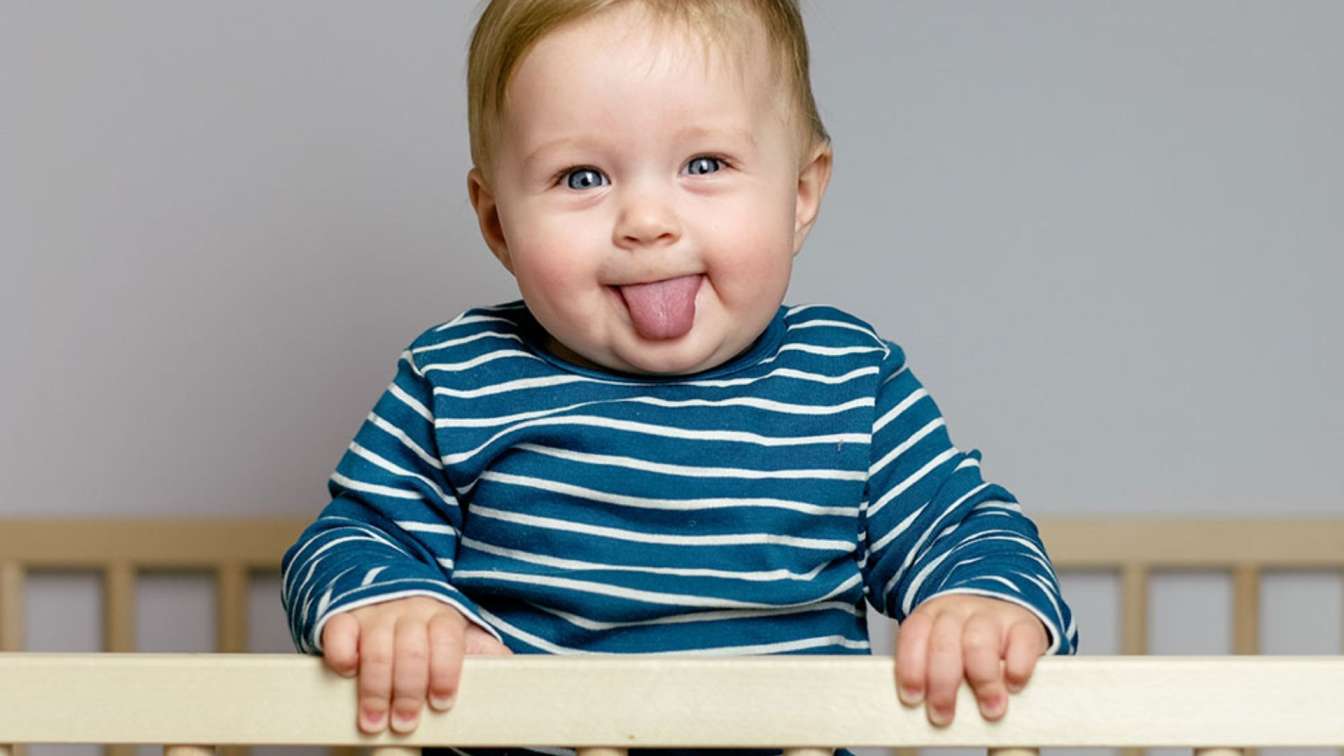
By eight months, your baby is getting stronger. They might start pulling themselves up to stand. They will hold onto furniture and pull themselves up. This is called pulling to stand.
Their fingers are also getting more skilled. They can pick up small objects using their thumb and finger. This is called the pincer grasp. It is an important skill for self-feeding. It also helps them pick up small toys.
Separation anxiety might be strong now. Your baby might cry when you leave the room. They might be shy around strangers. This is a normal part of development. It is a sign that your baby knows who their safe people are.
What you can do this month
Baby-proof your home. Your baby can now reach more things. Move breakable items out of reach. Cover electrical outlets. Put safety locks on cabinets.
Give them safe finger foods. Small pieces of soft food they can pick up. Cooked carrot pieces. Soft fruits. Small pieces of bread.
Be patient with separation anxiety. Do not sneak away. Say goodbye and leave. Your baby will learn that you always baby development milestones by month.
Month Nine - Cruising and Waving
By nine months, many babies are cruising. This means they walk while holding onto furniture. They hold onto the sofa and take steps. They hold onto the coffee table and move along it.
They might also stand without support for a few seconds. They are getting ready to walk. But walking is still a few months away for most babies.
Your baby is also learning to communicate. They might start waving "bye-bye." This is a social gesture. They are learning to interact with others.
They might point at things they want. This is an important communication skill. It shows they can share their interest with you. They see something interesting. They point at it. They want you to see it too.
Your baby might also start to understand simple words like "no." They might stop what they are doing when you say it. They might try to copy sounds and gestures.
What you can do this month
Place furniture close together so your baby can cruise safely. Make sure there are no sharp edges.
Play games like "so big" or "pat-a-cake." These games teach social interaction.
Read books together. Let them turn the pages. Point to pictures and name them. This builds their vocabulary.
Month Ten- Happy First Birthday
By their first birthday, many babies are walking. Some are still working on it. Both are fine.
They can say one or two words with meaning. They understand many more words. They can point to things they want.
They have come so far in just one year. They have gone from a tiny newborn who could not lift their head to a walking, talking little person. It is a wonderful journey.
Some things to think about on their birthday - look back at photos from their first month. See how much they have changed. Feel proud of yourself too. You made it through the first year. It was not easy. But you did it.
What you can do this month
Celebrate this special milestone. Have a small party. Take lots of photos.
Continue to give them lots of love and encouragement. They still need you just as much as before.
Enjoy this time. The first year goes by so fast. The second year goes even faster.
When to Talk to Your Doctor?
Every baby develops at their own pace. But there are some signs that you should talk to your doctor.
- If your baby does not smile by two months, talk to your doctor.
- If your baby does not hold their head up by four months, talk to your doctor.
- If your baby does not babble by six months, talk to your doctor.
- If your baby does not reach for objects by six months, talk to your doctor.
- If your baby does not sit with support by nine months, talk to your doctor.
- If your baby does not respond to their name by nine or ten months, talk to your doctor.
- If your baby does not say a single word by twelve months, talk to your doctor.
- If your baby does not point or wave by twelve months, talk to your doctor.
Trust your instincts. You know your baby best. If you are worried about anything, talk to your doctor. It is always better to ask. Early help can make a big difference. Your doctor has seen many babies. They know what is normal and what is not. They can check your baby's development and give you peace of mind.
Read: Tips To Get Baby To Sleep In Bassinet
FAQs
What if my baby does not reach a milestone on time?
This is very common. Milestones have a range. Some babies do things early. Some babies do things later. It does not mean there is a problem. It just means your baby is doing things at their own pace.
Talk to your doctor if you are worried. They can check your baby's development. They can tell you if everything is fine. Usually everything is fine.
How can I help my baby reach their milestones?
The best thing you can do is give them love and attention. Talk to them. Play with them. Give them time on the floor to move. Read to them. This is all they need.
Do not push them. Do not compare them to other babies. Every baby is different. Your baby will learn in their own time.
Is it true that breastfed and formula-fed babies develop differently?
Both breastfed and formula-fed babies develop normally. Breast milk has many benefits. It gives your baby antibodies. It helps build their immune system. But formula is also a good option. Many babies grow up healthy on formula.
Your baby will reach their milestones in their own time. It does not depend on whether they are breastfed or formula-fed.
What about premature babies?
Premature babies often reach milestones later than full term babies. This is normal.
Use your baby's corrected age. This is their age minus the number of weeks they were premature. For example, if your baby was born two months early, at six months their corrected age is four months. This gives you a better idea of when to expect milestones.
Talk to your doctor about your baby's development. They can give you specific guidance for your baby.
My baby was born small. Does that affect development?
Birth weight does not usually affect development. Many small babies grow up to be healthy and develop normally.
What matters is that your baby is growing well after birth. Your doctor will track your baby's weight and height at each checkup. If they are growing well, they are doing fine.
My baby is not talking yet. Should I worry?
Most babies say their first word around twelve months. But some babies start later. Some babies start at fifteen months or even eighteen months. This is still normal.
What matters is that your baby is making sounds and trying to communicate. If your baby is babbling, making eye contact, and responding to you, they are on the right track.
Talk to your doctor if you are worried. They can check your baby's hearing and development.
My baby is not walking at one year. Should I worry?
Walking usually happens between nine and fifteen months. Some babies walk at nine months. Some walk at fifteen months. Both are normal.
If your baby is not walking at fifteen months, talk to your doctor. They can check your baby's development and give you guidance.
How much screen time is okay for my baby?
The American Academy of Pediatrics recommends no screen time for babies under eighteen months. This means no TV, no tablets, no phones.
Babies learn best from real interactions with people. They learn from your face, your voice, and your touch. Screen time can interfere with this.
If you want to show your baby something on a screen, make it very limited. A few minutes here and there. And always watch with them. Talk about what you are seeing.
My baby is very clingy. Is something wrong?
Clinginess is very common at this age. It is a sign of separation anxiety. It means your baby knows who their safe person is. It means they have bonded with you.
This phase will pass. Be patient. Give your baby lots of love and reassurance. Let them know you are there for them. When they feel safe, they will become more independent.
Should I compare my baby to other babies?
No. Please do not do this. Every baby is different. Every baby develops at their own pace. Comparing your baby to other babies will only cause you unnecessary worry.
Your baby is unique. They have their own strengths and weaknesses. They will do things in their own time. Trust the process. Enjoy your baby for who they are.
Final Words
Your baby's first year is a beautiful journey. Every month brings something new. From the first smile to the first step, you will witness amazing changes. These are precious moments. These moments will stay with you forever.
Remember that every baby is different. Your baby will develop at their own pace. Do not rush them. Do not push them. Enjoy each stage. Even the hard stages. They do not last forever.
Trust yourself. You are the best person to understand your baby's needs. You know your baby better than anyone else. Listen to your instincts.
If you have any concerns, talk to your doctor. They are there to help you. Do not feel shy. Do not feel silly. It is always better to ask.
Take care of yourself too. The first year is hard. You will have sleepless nights. You will have days when you feel exhausted. That is normal. Take breaks when you can. Ask for help when you need it. You cannot pour from an empty cup.
Congratulations on your baby. This is the start of a wonderful adventure. A journey full of love, laughter, and surprises. Enjoy every moment. It goes by so fast.
Other Articles

Toddler Constipation Remedies At Home
50 Popular Gujarati Surnames Or Last Names With Meanings