
I remember staring at my kitchen counter after the test came back positive. There was a block of feta, a cold chicken sandwich I'd just made, and a cup of coffee going lukewarm. And I just stood there thinking—can I eat any of this?
Nobody hands you a clear list when you walk out of the bathroom with those two lines. You get a pamphlet maybe. It says stuff like "avoid listeria" and you nod like you know what that means but honestly you're googling it at 2am. So I'm going to lay this out the way I wish someone had for me. No perfect structure. Just the stuff you actually need to know, told in a way that foods to avoid during early pregnancy first trimester.
Essential Dietary Tips for First Trimester Health
Why the first bit is different?
Later on in pregnancy the baby is mostly just growing bigger. But in the beginning, those first twelve weeks or so, every single part is being built. The heart starts as a tube and folds itself into chambers. The brain begins as a flat sheet and rolls into a tube that becomes the spinal cord. It's wild when you think about it. And all the material for that construction comes from your blood.
At the same time, your immune system is kind of… muted. Not broken. Just turned down. This is a good thing because it stops your body from attacking the pregnancy. But it means a bit of food poisoning that you'd normally shake off in a day can actually become dangerous. Fever especially, in those early weeks, is something to avoid.
So the food rules for the first trimester are basically this: stay away from the handful of things most likely to carry certain bugs or certain harmful substances. That's it. It's not a huge list. Once you know them, you can eat pretty much everything else without thinking about it.
Read Also: Pregnancy Yoga Exercises For Beginners At Home
Fish, but only certain ones
Mercury is the concern. It collects in the ocean and works its way up the food chain. Little fish get a little. Bigger fish eat the little fish and collect more. The oldest, biggest predators have loads of it.
Mercury can cross into the baby's developing brain and nervous system and mess with it. So the fish to fully avoid are the top predators. Shark. Swordfish. Marlin. King mackerel. Orange roughy. Tilefish from the Gulf. Bigeye tuna, which is the kind you get as a thick tuna steak seared rare.
Tuna in a can is mostly skipjack, which is a smaller species. It's not zero mercury but it's much lower. A can here and there is generally fine. I switched to sardines and wild salmon during my own first trimester. Sardines are tiny, they barely live long enough to build up anything, and they're packed with the same good fats that help the baby's brain grow. Plus they're cheap.
I want to be honest about something. I ate a tuna steak at a restaurant around week six before I knew better. I panicked for two days straight. My doctor said one meal of it wasn't going to cause harm. The damage is from repeated, high exposure. So if you just ate a tuna sandwich and you're reading this in a spiral, take a breath. It's the pattern that matters, not a single mistake.
No raw meat, no pink centers
A lot of people focus on sushi but honestly the same rule applies to a rare burger or a steak that's still cool in the middle. Undercooked meat can carry a parasite called toxoplasma. Most people who get it never even know. But in early pregnancy it can pass to the baby and affect the eyes or the brain. It's rare, yes. But rare stops being comforting when it's your baby.
So meat needs to be cooked through. No pink. No red juices. Chicken absolutely cannot have any pink near the bone. Pork the same.
Lamb is actually worth mentioning on its own because toxoplasma is a known issue with lamb. If you love lamb, just cook it until it's well done. Not medium. Not pink.
Sushi with raw fish has to be paused. Sashimi, nigiri, poke bowls, ceviche. Raw oysters and clams are a hard no. Listeria and vibrio bacteria are both risks with raw shellfish. Smoked salmon that's cold smoked and kept in the fridge section is also a listeria risk. Hot smoked salmon, the kind that comes in a fully cooked fillet, is fine. And any seafood that's cooked through—grilled fish, shrimp, scallops, fried calamari—all safe.
Eggs with runny yolks
So eggs need to be fully set. Hard scrambled. Omelettes with no gooey center. Fried eggs with the yolk broken and cooked solid. No poached eggs. No soft boiled with soldiers. No carbonara where the egg is just tossed through hot pasta but still raw.
Baking is a sneaky one. No licking the spoon from brownie batter. No tasting raw cookie dough. I know that's half the fun of baking but the raw flour and raw eggs together make it not worth it right now.
If you buy pasteurized eggs in a carton, those are safe for things like homemade mayo or a caesar dressing. The pasteurization heats them just enough to kill germs without cooking them solid. Store-bought mayo in a jar is almost always made with pasteurized eggs and is perfectly fine.
Soft cheese and the pasteurized label
Cheese confusion is real. Some sources say soft cheese is banned. Others say it's fine. Here's the actual truth. The risk is listeria, and listeria grows in high-moisture cheeses that are made from raw unpasteurized milk.
If the cheese says pasteurized on the package, it's safe. Period. In the US, almost all cheese in a regular grocery store is pasteurized. The risk zone is the farmer's market. The small local dairy. The imported cheese counter with a wheel of raw milk Brie. If it doesn't say pasteurized, skip it.
Some women just avoid all soft cheese anyway because it feels simpler. That's fine too. Hard cheeses like cheddar, parmesan, aged gouda, manchego—those are always fine. Cottage cheese and cream cheese in store packaging are pasteurized. And if you cook a soft cheese until it's bubbling hot, any listeria that might have been there is dead. Baked brie is totally okay.
Cold deli meat and hot dogs
This one surprised me when I first learned it. Deli meat sits in a cold case, sometimes for days, and the slicers are hard to keep perfectly clean. Listeria can grow even at refrigerator temperatures. Outbreaks happen. Not often, but they happen.
The fix is stupid simple. Heat the meat until it steams. Put the turkey or ham or roast beef in a pan or the microwave and get it hot all the way through. Then put it back in your sandwich. The heat kills listeria instantly.
Hot dogs are exactly the same. They come pre-cooked but they can pick up listeria after cooking, in the package. So grill them or boil them until they're steaming hot. Not just warm. Steam coming off them.
Cold salami, cold prosciutto, cold pepperoni straight from the bag—skip them unless you heat them first. Which I know sounds weird with prosciutto but rules are rules for a reason.
The dirt on fruits and vegetables
Vegetables and fruits are not the problem. The dirt on them is. Soil can contain toxoplasma from cat and other animal waste. If you chop a melon without washing it first, the knife carries whatever was on the rind right through the flesh.
So wash everything. Under running water. Scrubbing with your hands. For rough-skinned things like cantaloupe or potatoes, use a brush. Peel the outer leaves off lettuce and cabbage and toss them.
Sprouts are a special case. Alfalfa, clover, mung bean, radish. The seeds are sprouted in warm wet conditions. That is exactly what bacteria love. And the germs can get inside the seed itself. Washing the outside does nothing. Cooking them until soft makes them safe. Raw sprouts in a salad or on a sandwich should be avoided completely for these first months.
Liver and Vitamin A overload
I didn't know this one. Vitamin A comes in two forms. The kind in vegetables—carrots, sweet potato, spinach—is totally safe and good for you. The body takes what it needs and leaves the rest.
The other kind is retinol, straight from animal sources. Liver is packed with it. A single portion of beef liver has way more Vitamin A than is safe during early pregnancy. Too much retinol can mess with the baby's developing organs.
So no liver and onions. No pâté. No liverwurst or liver sausage. No cod liver oil supplements. Your prenatal vitamin has exactly the right Vitamin A in the right form. You don't need extra.
Coffee, tea, and that 200mg thing
Caffeine clears slowly during pregnancy. It passes right to the baby and the baby's system can't break it down yet. The general rule is 200 milligrams max per day.
That is roughly one 8-ounce mug of regular coffee. Maybe two small ones spaced out. A single espresso shot is about 65mg, so a small latte is fine. What gets people is the big coffee shop cup. A large drip coffee can be 300mg or more. That's over the line in one drink.
Tea has caffeine too. So do some sodas. Dark chocolate. Energy drinks are off the table entirely. You have to count all of it together.
In my first trimester I couldn't stand the smell of coffee anyway so the decision made itself. Some women just cut it out completely for peace of mind. Others have that one treasured small cup and stay under the limit. Do what works as long as the daily number stays low.
You May Also Like: Breathing Exercises During Pregnancy Third Trimester
Alcohol. Just don't.
There's no safe amount, no safe type, no safe window. Alcohol goes directly to the baby's blood. In early pregnancy, when the face and brain are forming, the risk is too high to mess with.
Not one glass of wine. Not a beer. Not a sip of champagne at a wedding. Nothing. It's only a few months and then the risk window for structural damage closes. But right now, zero.
Cooking with wine doesn't always cook off all the alcohol. It depends on how long and how hot. I just avoided anything cooked with wine or liquor during the first trimester. Easier that way.
Herbal stuff
Herbal sounds gentle but some herbs are strong medicine. Sage, parsley in large amounts, licorice root. These have been linked to uterine stimulation. Green tea can mess with folic acid absorption if you drink a ton of it, and folic acid is the most critical thing right now for the baby's spine and brain forming properly.
If you take anything beyond a standard prenatal vitamin, ask your doctor. Even things that seem foods to avoid during early pregnancy first trimester.
How to actually eat?
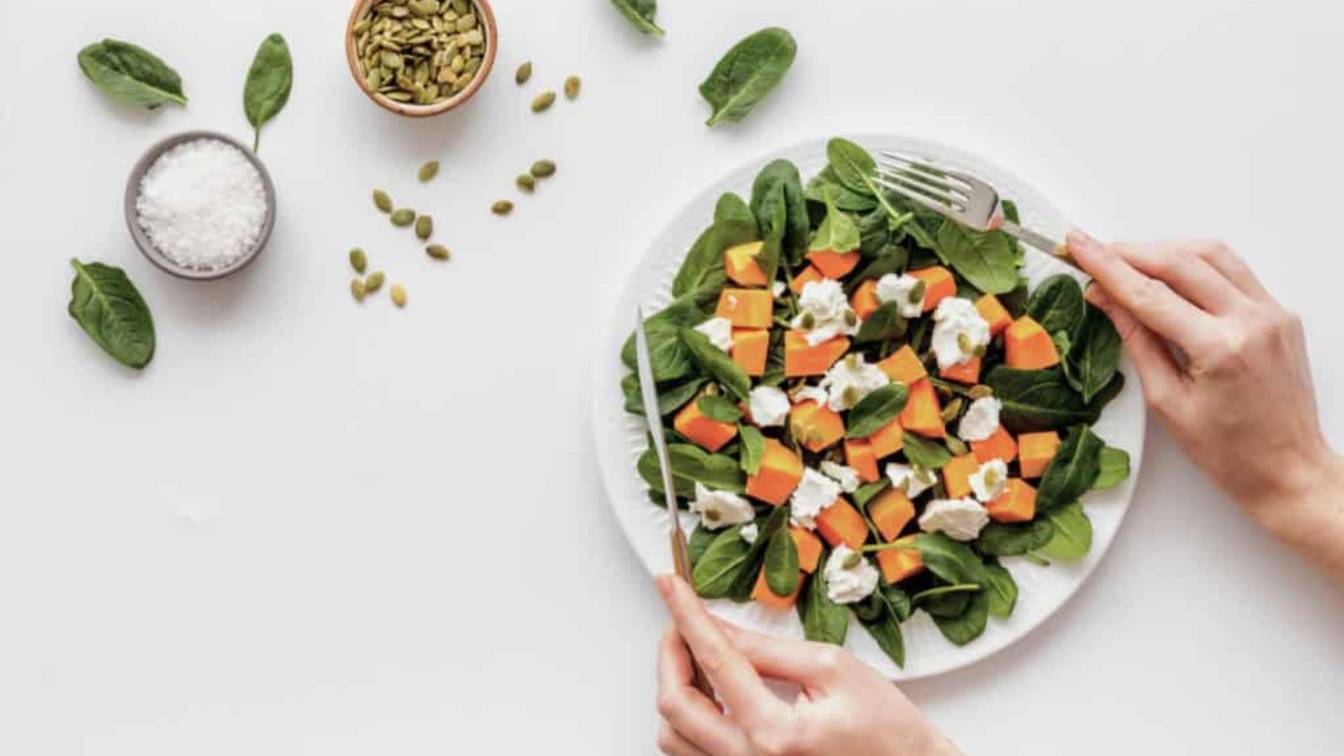
You might read all this and feel like there's nothing left. That's not true. Most of what you already eat is fine with tiny adjustments.
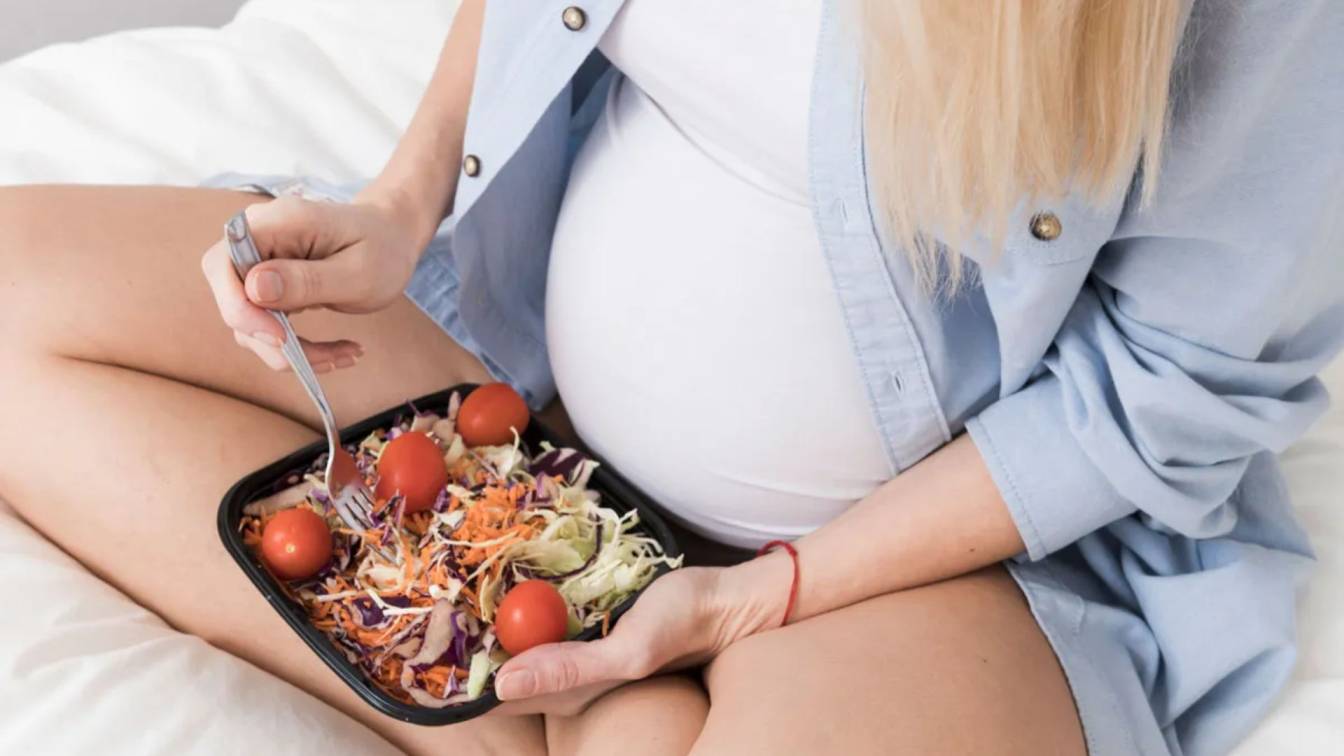
Cook your eggs through. Cook your meat through. Wash your produce properly. Buy pasteurized dairy. Heat deli meat until it steams. Stick to small fish. Keep coffee under 200mg. No alcohol. No liver. No raw sprouts.
That's the entire list. It fits on an index card.
You don't need a special diet. You need normal food handled with a bit more care for a few months. Your body is doing the real work. It knows exactly how to build a baby. You just have to keep the few known troublemakers away and let your body do what it already knows how to do.
If you ate something risky, don't torture yourself. Call your doctor or midwife. Tell them honestly what happened. They've heard it all before and they'll know what to do, if anything needs to be done. One slip is almost never a crisis. It's ongoing exposure that creates the real risk.
Other Articles
Parenting Tips For First Time Moms
50 Popular Gujarati Surnames Or Last Names With Meanings