


You put your child to bed at a good time. They slept through the night. But in the morning, they still seem tired. They may be hard to wake up. They may be grumpy. They may say they are still why is my child tired after sleeping.
This can be confusing for parents. It can also be worrying. You might ask yourself, "What am I doing wrong?"
The truth is, this problem is more common than you might think. About one in four children do not sleep well . Your child may be getting enough hours of sleep. But the quality of that sleep matters just as much as the number of hours.
This article will help you understand why your child might still be tired after a full night of sleep. We will look at the common causes. We will also discuss when you should see a doctor.
The Groggy Feeling: Sleep Inertia
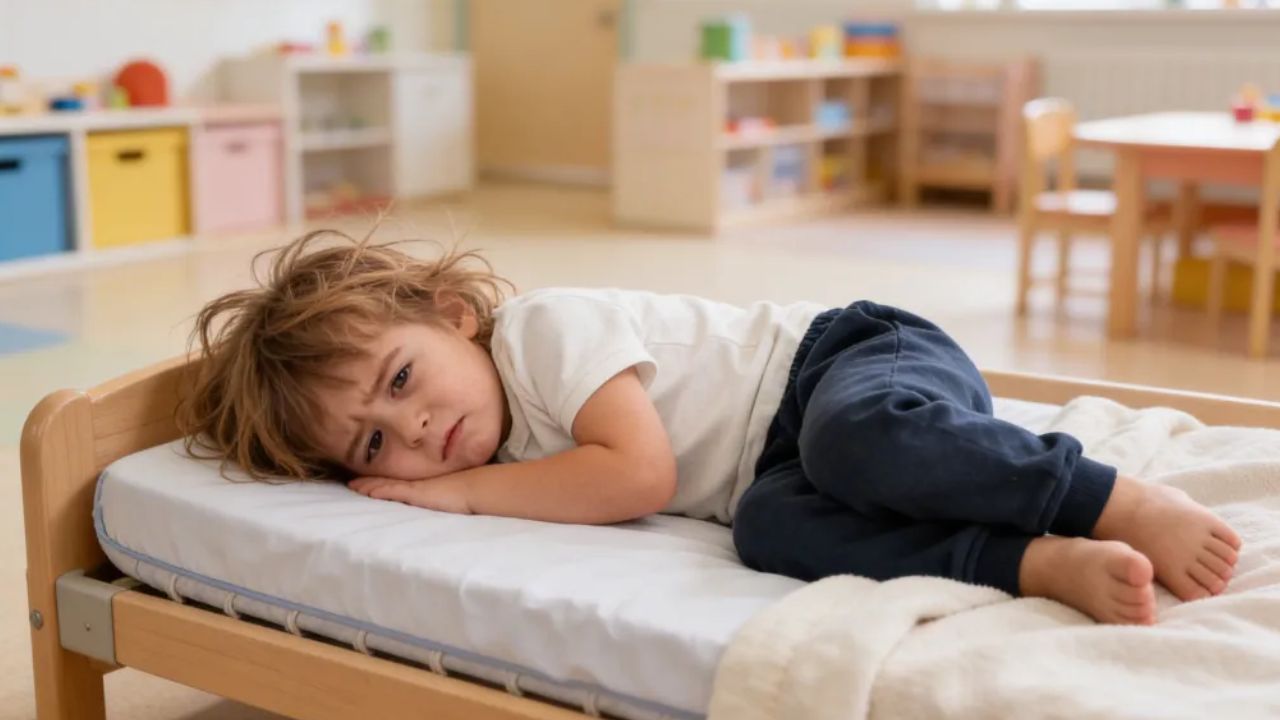
Sometimes, the answer is simple. It is not that your child did not get good sleep. It is that waking up is a process.
Scientists call this "sleep inertia" . It is the groggy, confused feeling you have right after waking up . It can be worse in children. Younger children often have slower reaction times right after waking .
During deep sleep, brain activity is very slow . When a child wakes up suddenly from this deep sleep, the brain needs time to "wake up" too . This can take up to 20 minutes or more.
Signs of sleep inertia include:
-
Confusion
-
Sluggishness
-
Poor memory
-
Slow reactions
If your child wakes up tired but feels better after 20 to 30 minutes, sleep inertia is likely the reason. Frequent sleep inertia can also be a sign of an underlying sleep problem or not getting enough total sleep .
Read Also: Treatment for Child Behavior Problems: A Complete Guide for Parents
Sleep Quantity vs. Sleep Quality
It is important to know the difference between the amount of sleep and the quality of sleep. Your child may be in bed for 10 hours. But if their sleep is broken, it is not restful. The brain needs deep, uninterrupted sleep to restore itself .
If sleep is not deep and continuous, the brain cannot do its repair work . This can lead to a child feeling tired all the time.
Medical Reasons for Daytime Tiredness
If your child regularly wakes up tired, there may be a medical reason. Here are some common medical issues that can cause this problem.
Sleep Apnea
Sleep apnea is a serious sleep disorder. It is a common cause of daytime tiredness in children .
With obstructive sleep apnea, a child's breathing is partially or fully blocked during sleep . This happens when the throat and air passages are blocked. Common causes are enlarged tonsils or adenoids . Being overweight can also increase the risk .
When breathing stops, the brain wakes the child up to start breathing again. This can happen many times during the night. The child may not fully wake up. But their sleep is broken and not restful.
Signs of sleep apnea include:
-
Snoring
-
Gasping for breath while sleeping
-
Heavy breathing while sleeping
-
Bedwetting
-
Night sweats
-
Mouth breathing while sleeping
Untreated sleep apnea can affect a child's growth, learning, and behavior . If you notice these signs, talk to your child's doctor.
Excessive Daytime Sleepiness (Hypersomnia)
Some children feel very sleepy during the day, even if they sleep for more than 10 hours at night . This is a condition called excessive daytime sleepiness.
It can be "primary" hypersomnia, which means there is no known cause . Or it can be "secondary" hypersomnia. This is caused by another health problem, like an infection, kidney disease, or depression .
Children with this condition may:
-
Need to nap at unusual times, like during school
-
Wake up feeling confused or very groggy
-
Have a hard time waking up
-
Find that naps do not help their sleepiness
Narcolepsy
Narcolepsy is a chronic sleep disorder. It can cause a child to be very sleepy during the day . The child cannot stay awake and may fall asleep often. It often first appears in adolescence .
In some cases, narcolepsy can cause a sudden loss of muscle control. This is called cataplexy. Signs include drooping eyes, a slack jaw, or buckling knees .
Narcolepsy can make it hard for a child to concentrate in school. They may also wake up often during the night .
Insomnia
Insomnia means having trouble falling asleep or staying asleep . A child with insomnia may wake up many times. They may not remember waking up. But the sleep is broken and not restful .
There are different types of insomnia:
-
Sleep onset insomnia: Trouble falling asleep
-
Sleep maintenance insomnia: Waking up during the night
-
Early morning awakening: Waking up too early and not being able to fall back asleep
Insomnia can be caused by stress, poor sleep habits, or other health problems .
Anemia
Anemia happens when the body does not have enough healthy red blood cells. These cells carry oxygen to the body. Without enough oxygen, a child can feel tired and why is my child tired after sleeping.
Parents often ask about anemia as a cause of tiredness . In most cases, anemia is not the main reason for a child's persistent fatigue. But it is something a doctor can check for .
Infections
Some infections can cause long-lasting tiredness. The Epstein-Barr virus causes mononucleosis (often called "mono"). This infection can make a child extremely tired . The tiredness can last for weeks or months .
Other infections, like colds, ear infections, or sinus infections, can also make a child tired. But this tiredness usually goes away when the infection clears .
Hypothyroidism
Hypothyroidism means the thyroid gland does not produce enough thyroid hormone. This hormone controls the body's metabolism. When levels are low, it can slow down the body and cause fatigue .
Heart Problems
Heart problems are very rare in children. But if the heart is weak, it can cause fatigue .
Chronic Illnesses
Chronic illnesses like asthma can cause fatigue. If the illness is not well controlled, it can make the child feel tired all the time. For example, a child with poorly controlled asthma may feel short of breath often. This can make them feel exhausted .
You May Also Like: Toddler Constipation Remedies At Home
Other Causes of Tiredness
Not all causes of tiredness are medical. Other factors can also play a big role.
Mental Health
Depression and anxiety are common in children. These mental health problems are much more common than many medical reasons for fatigue . When life feels hard or stressful, a child may feel it as tiredness . Lack of sleep can also make these feelings worse. Over time, this can lead to depression and anxiety .
Medications
Some medications can cause sleepiness. Common allergy medications can make a child drowsy . Stimulants used for ADHD can make it harder for a child to fall asleep .
Sleep Environment
A child's bedroom should be a place for sleep. Some things in the room can disrupt sleep:
-
Light: A dark room promotes healthy sleep . Screens and electronics should be turned off.
-
Noise: A quiet room is best . Try to keep the household quiet during bedtime hours.
-
Temperature: A cool room, between 60-67 degrees, helps with sleep .
Staying Up Late
This might seem simple, but it is a common reason for a tired child. Kids need 9 to 12 hours of sleep per night . If a child is staying up too late for homework or other activities, it will catch up with them . A good bedtime schedule is important .
Diet
A child may feel tired if they are hungry between meals. A healthy snack can help . Caffeine is also a problem. Try not to let your child have caffeinated drinks like soda in the afternoon or evening .
What You Can Do At Home?
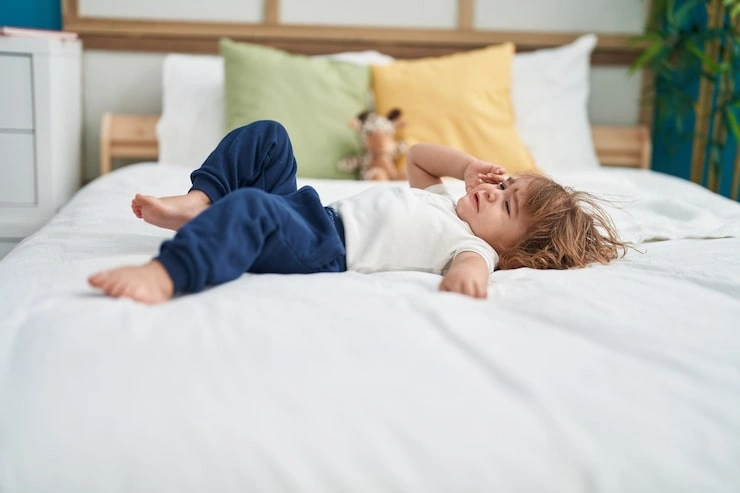
If your child is tired after sleeping, there are steps you can take at home. These changes might help.
Create a Good Sleep Routine
A regular schedule is very important. Your child should go to bed and wake up at the same time every day, even on weekends . This helps set the body's internal clock.
You should also have a calming bedtime routine. This routine should last about 20 to 30 minutes. Good activities include:
-
Reading a book
-
Taking a warm bath
-
Listening to soft music
This routine helps the child relax and get ready for sleep .
Improve the Sleep Environment
Make sure your child's bedroom is comfortable:
-
Dark: Use blackout curtains to block light .
-
Quiet: Try to limit household noise after bedtime .
-
Cool: Keep the room at a comfortable, cool temperature .
Limit Screen Time
Make a rule to turn off all screens at least one hour before bed . The light from phones, tablets, and TVs can make it harder to fall asleep. This light interferes with the body's natural sleep hormone .
Watch for Signs of Sleepiness
Pay attention to your child. Look for natural signs that they are getting tired. This might be rubbing their eyes or becoming quieter. If you see these signs, it is a good time to start the bedtime routine. This is called the "bedtime window." If you miss this window, the body may produce hormones that keep the child awake .
When to See a Doctor?
It is normal for a child to be tired sometimes. But you should see a doctor if the tiredness is serious or long-lasting. You should also see a doctor if the tiredness:
-
Gets in the way of normal activities. This includes school, sports, or playing with friends .
-
Is accompanied by other signs. This includes snoring, gasping for breath, or bedwetting .
-
Does not go away after changing sleep habits and diet. If your child is still tired, talk to the doctor .
-
Comes with other symptoms. This includes a sore throat, fever, or swollen lymph nodes. These could be signs of an infection .
A pediatrician can help find the cause of the problem. They may recommend a sleep study. A sleep study is the best way to diagnose a sleep disorder like sleep apnea . A sleep study tracks the child's sleep and body functions during the night.
Conclusion
It can be very concerning to see your child wake up tired. But there are many possible reasons for this problem.
It could be a normal process called sleep inertia. It could be a sign that your child is not getting good-quality sleep. Or it could be a sign of a medical condition like sleep apnea.
Start by looking at your child's sleep habits. Make sure they have a regular bedtime routine. Create a quiet and dark sleep environment. Limit screen time before bed. These simple changes can make a big difference.
If you have tried these steps and your child is still tired, do not wait. Make an appointment with your child's doctor. They can help find the cause and get your child the help they need. Good sleep is important for a child's growth, learning, and happiness .
Other Articles

Outdoor Activities For Kids Without Screens
50 Popular Gujarati Surnames Or Last Names With Meanings