
Every parent faces challenging moments with their children. You might wonder if your child's behavior is normal or if something more serious is going on. This is a common concern, and you are not alone in facing it.
Behavior problems in children can range from typical tantrums to more serious issues that affect daily life. Understanding what treatment options exist can help you make better choices for your family.
Many parents feel overwhelmed when their child acts out. They might try different strategies without seeing real improvement. This can leave you feeling frustrated and worried about your child's future.
The good news is that effective treatments are available. These approaches are backed by research and have helped many families. Each child is different, so finding the right treatment matters.
This guide will walk you through the main treatment options for child behavior problems. You will learn about professional therapies and everyday strategies you can use. We will cover what works, why it works, and how to get started.
By the end, you will have a clearer picture of what to do next. Whether your child has mild behavior issues or more serious problems, help is available. Your journey toward calmer days and how to help a child with behavior problems at home.
Understanding Child Behavior Problems
Child behavior problems can take many forms. Some children act out with aggression and defiance. Others struggle with anxiety, withdrawal, or emotional outbursts.
Externalizing behaviors are visible to others. These include tantrums, aggression, fighting, and defiance. Parents often notice these problems first because they disrupt daily life.
Internalizing behaviors happen inside the child. These include anxiety, sadness, and withdrawal. Children may not show obvious signs, making these problems harder to spot.
Many children show both types of behaviors at different times. A child might have a huge tantrum and then withdraw into silence. Understanding what drives these behaviors matters for treatment.
Often, behavior problems stem from underlying challenges. These can include trouble with emotions, communication delays, or stress at home. The first step is figuring out what is really going on.
A good evaluation helps identify the root causes. This lets professionals recommend the right treatment for your child. Without this step, you might waste time on approaches that do not work.
Read Also: Dengue Prevention Tips For Children
When Should You Seek Help?
Mild behavior problems are normal during childhood development. Tantrums, defiance, and testing limits are part of growing up. Many children outgrow these phases with consistent guidance.
However, some signs indicate you should seek professional help. If behavior is severe and lasts a long time, treatment may be needed. The "wait and see" approach often does not work for serious problems.
Here are signs that it is time to reach out:
- Your child's behavior affects school performance
- Friendships are difficult or impossible
- Family life is full of constant conflict
- Your child seems sad or anxious most of the time
- Behavior is getting worse instead of better
- You feel overwhelmed and out of options
Professional organizations recommend early intervention. Treating problems early can prevent them from getting worse. Young children have more brain plasticity, making early treatment more effective.
The American Academy of Child and Adolescent Psychiatry suggests behavioral parent training. The American Academy of Pediatrics also recommends this approach. Early treatment can change your child's path for the better.
Research shows that even a brief early intervention can have lasting benefits. Studies following children for six years after a short treatment program found sustained improvement. A small positive impact early on can grow over time.
Professional Therapy Options for Child Behavior Problems
1. Applied Behavior Analysis (ABA)
Applied Behavior Analysis stands out as one of the most researched approaches. It is especially effective for children with autism and related challenges.
ABA uses positive reinforcement to encourage good behavior. When your child does something right, you notice and reward it. This increases the chances they will repeat the good behavior.
The therapy also teaches new skills. Your child learns to communicate better, manage emotions, and interact socially. These skills help them succeed at home, in school, and in the community.
For families, ABA means more peaceful routines and fewer stressful outbursts. Parents gain confidence in helping their children succeed. The U.S. Surgeon General and the American Psychological Association recognize ABA as a gold standard.
ABA works by breaking down skills into small steps. Your child practices each step until they master it. Then they move to the next step, building on what they learned.
2. Parent-Child Interaction Therapy (PCIT)
Parent-Child Interaction Therapy is a special program for younger children. It works with children between the ages of two and eight. The therapy brings parents and children together to improve their relationship.
PCIT has two main parts. The first part focuses on relationship enhancement. Parents learn to build a positive connection with their child. They develop consistent, supportive ways of talking to their child.
The second part teaches discipline strategies. Parents learn effective ways to manage child behavior. They practice these skills during therapy sessions until they master them.
PCIT is appropriate for children showing chronic behavior problems. This includes aggression, defiance, and frequent tantrums. It works for children living with biological parents, foster parents, or adoptive parents.
The therapy uses live coaching. A therapist watches through a one-way mirror and gives guidance. Parents practice new skills with their child and get immediate feedback.
Research shows that PCIT is highly effective. Families who complete the full program see the most improvement. However, even families who attend some sessions benefit significantly.
One study found that just four sessions of PCIT produced real improvements. Families who completed the full program had the best results. But even a small dose of treatment helps.
3. Cognitive Behavioral Therapy (CBT)
Cognitive Behavioral Therapy helps children understand the connection between thoughts and behavior. It teaches coping strategies for difficult emotions like anger and anxiety.
CBT works well for children with conduct problems. The therapy uses a social problem-solving model to build skills. Children learn to handle challenging situations better.
The therapy focuses on changing patterns of thinking. Children learn to recognize when their thoughts are leading them astray. They practice replacing unhelpful thoughts with more helpful ones.
Parents are actively involved in CBT sessions. Research shows that parent involvement improves outcomes. When parents support the learning at home, children make faster progress.
CBT for children typically works on three main areas. Goals are first: helping children set positive goals for behavior. Next is outcome expectations: teaching children to think about consequences. Then come normative beliefs about aggression: helping children see that aggression is not the only option.
A 2024 study looked at how CBT works with parents. The research showed that when therapists work with parents and children together, it makes a real difference. Parents learn how to support their child's new skills at home.
4. Emotion Regulation Therapy
Some children's behavior problems come from trouble managing emotions. Emotion regulation therapy directly addresses this issue.
This newer approach focuses on helping children handle strong feelings. Children learn to identify what they feel and why. Then they practice calming strategies and better ways to cope.
The therapy is especially helpful for children with anger and irritability. It targets the emotional drivers behind disruptive behavior. Teaching emotion regulation can reduce tantrums and improve mood.
A recent study tested this approach with children ages 8 to 11. All the children had oppositional defiant disorder. They received 13 sessions of emotion regulation therapy.
The results were encouraging. Children's mood and emotion regulation improved. Their symptoms of oppositional defiant disorder decreased. This supports using emotion-focused treatments for behavior problems.
5. Family Therapy
Sometimes the whole family needs to be involved in treatment. Family therapy looks at how family patterns affect child behavior.
The therapist works with everyone in the family. They improve communication and consistency. They help family members support each other better.
Family therapy is especially helpful when behavior problems affect everyone. If siblings are fighting or parents disagree on discipline, this approach helps. The whole family learns new ways to interact.
Parent Training Programs
Parent training programs teach skills for managing child behavior. These programs are evidence-based and recommended by professional organizations. They help parents become more effective in their parenting.
Parent Management Training teaches strategies for setting boundaries. Parents learn to reinforce positive behavior and reduce conflict. The program helps create consistent environments where children can succeed.
The Incredible Years is a widely-used program. It focuses on building strong parent-child relationships. Parents learn positive discipline and problem-solving strategies.
Triple P - Positive Parenting Program offers support at different levels. Parents can access information, attend group sessions, or get individual coaching. The program is flexible to meet different family needs.
The Coping Power Program includes both child and parent components. Children learn social problem-solving skills. Parents learn behavior management strategies. Together, these approaches create lasting change.
Research shows that parent training programs work. A meta-analysis of 241 studies found positive effects. Children in parent training showed less antisocial behavior. The effects lasted for months and even years.
You May Also Like: Best Immunity Boosting Foods For Toddlers
What Happens in Parent Training?
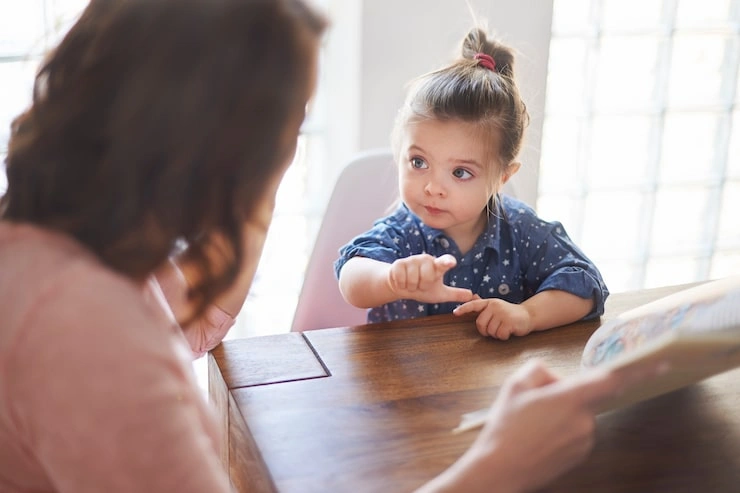
Parent training sessions teach practical skills. You learn what to do when your child misbehaves. You practice new strategies until they become natural.
One-on-one time is emphasized in these programs. Taking just 5 to 20 minutes daily with your child builds your relationship. During this time, you focus completely on your child with no distractions.
Praising good behavior is another core skill. Parents often focus on what children do wrong. Positive discipline turns that around. When you notice and praise good behavior, children want to do more of it.
Setting clear expectations matters too. Telling a child exactly what to do is more effective than telling them not to do something. Clear, realistic expectations help children succeed.
Positive Discipline Strategies
Positive discipline focuses on building healthy relationships. It sets clear expectations without relying on punishment. The approach works because it teaches children skills, not just fear.
The Power of Positive Discipline
Research shows that punishment does not work well. Shouting and physical punishment create toxic stress. This stress can lead to depression, dropping out of school, and other problems later in life.
Instead, positive discipline builds cooperation and self-discipline. It teaches children to take responsibility. They learn to make good choices because they understand the reasons.
One-on-One Time
Spending focused time with your child builds a strong connection. It does not need to be long - even five minutes helps. The key is giving your full attention.
You can combine this time with everyday activities. Washing dishes together or hanging laundry can become special time. Your child will feel valued and seen.
Teenagers need this too, even if they do not show it. Dancing around the room or talking about their interests builds the relationship. Meeting them on their terms shows respect.
Praising Good Behavior
Children thrive on praise. It makes them feel loved and special. When you notice good behavior, children want to repeat it.
Watch for even small positive actions. Playing quietly with a sibling for five minutes deserves recognition. Following directions, sharing, or helping out all deserve praise.
Praise should be specific. Instead of "good job," say "great job putting your toys away." This helps children understand what they did right. They will know who can i call when my child is out of control.
Setting Clear Expectations
Clear instructions help children succeed. Instead of "be good," try "please pick up all your toys and put them in the box." This gives a specific action to take.
Expectations must be realistic. Asking a child to be calm all day is not realistic. Asking for 10 minutes of quiet while you are on the phone is achievable. Know what your child can handle.
When you set realistic expectations, everyone wins. Your child feels capable and successful. You get the behavior you want without constant conflict.
Using Calm Consequences
Consequences help children learn about responsibility. They need to understand that every action has a result.
Give your child a chance to make the right choice. Explain the consequence of bad behavior before it happens. For example, "If you keep drawing on the wall, playtime will end."
If they continue, follow through calmly. Praise yourself for staying patient - it is not easy. If they stop, give lots of praise. This creates a positive feedback loop.
Consistency is key. Follow through with consequences every time. But make sure consequences are realistic. Taking a phone for an hour is possible; taking it for a week is not.
Distraction and Redirection
- When children are difficult, redirect their attention. A new activity or different focus can change their behavior.
- Timing matters. Notice when things are about to go wrong. If siblings are eyeing the same toy, redirect them before a fight starts.
- Distraction works with younger and older children alike. Changing the topic, starting a game, or moving to another room can help. Children often move past their frustration when their attention shifts.
Helping Children with Emotions
Emotion coaching helps children handle big feelings. When children know what they feel, they can manage it better.
Help your child name their emotions. "You look angry" or "Are you feeling frustrated?" validates their experience. Once they feel heard, they can start to calm down.
Practice coping strategies together. Breathing deeply, taking a break, or counting to ten can help. When children learn these skills, they rely less on disruptive behavior.
What Works for Different Age Groups?
Young Children
Children under five need simple, immediate feedback. Praise should come right after good behavior. Consequences should be quick and clear.
Play is especially important for young children. Playing together boosts brain development. It also builds the parent-child bond.
Routines provide security for young children. When they know what to expect, they feel safe. Predictable schedules reduce behavior problems.
School-Age Children
Children from 6 to 12 can understand more complex conversations. You can talk about feelings and consequences in more depth. They can participate in solving problems.
At this age, logical consequences become effective. If they make a mess, they help clean up. If they break something, they help fix or replace it.
Children this age need praise for their efforts and achievements. They are developing a sense of competence. Your recognition matters to their self-esteem.
Teenagers
Teens need respect and independence. Involve them in setting rules and consequences. They respond better when they feel heard.
One-on-one time is still important with teens. They might not show appreciation, but they value it. Engaging on their terms builds the relationship.
Clear expectations and calm consequences work with teens too. But consequences should fit the situation. Taking away a phone for an hour may work; taking it for a week is probably too much.
What Happens When Children Do Not Get Treatment?
Behavior problems that do not improve can lead to bigger issues. Children may struggle in school and with friendships. They might develop mental health problems as they grow.
Without treatment, problem behaviors often get worse. Children may face academic challenges and conduct problems. They may encounter trouble with the law later in life.
Research shows a link between early behavior problems and substance abuse. Depression and anxiety are also more common. Occupational challenges and housing instability can follow.
Early intervention prevents these outcomes. Treatment gives children the tools they need to succeed. It changes their path for the better.
Read: Signs Of Vitamin D Deficiency In Children
Barriers to Treatment and How to Overcome Them
Many families face barriers to getting help. These include cost, transportation, and lack of available providers. Waitlists and scheduling conflicts also create problems.
Technology offers new solutions. Online programs and apps make treatment more accessible. Parents can access help from home without taking time off work.
Studies of online parent training are promising. Programs like Pocket PCIT Online show positive results. Caregivers report improved child behavior and less parenting stress.
However, engagement remains a challenge. About half of families who start therapy do not complete it. Finding ways to keep families involved matters.
Hybrid services, combining in-person and online support, may help. Offering flexible options lets families find what works for them.
Combining Treatments for Better Results
Using multiple approaches often works best. Combining therapies and parenting strategies creates comprehensive support.
Parent training plus child therapy is a powerful combination. Parents learn to manage behavior while children learn coping skills. This dual approach covers all bases.
Research supports combining Cognitive Behavioral Therapy with parent training. Children learn social problem-solving skills. Parents learn how to support these skills at home. Together, these approaches create lasting change.
Some children also benefit from medication. Certain medications can help with symptoms of ADHD or depression. Combined with therapy, medication may be the right choice for some families.
The Importance of Consistency
Consistency matters for effective treatment. Children do best when they know what to expect. Consistent rules and consequences help them feel secure.
Parents need to be on the same page. When caregivers disagree on discipline, children get confused. Working together as a team improves outcomes.
Consistency extends across settings. Home, school, and therapy should all reinforce the same messages. When everyone is aligned, children progress faster.
Support for Parents
Caring for a child with behavior problems is stressful. Parents need support too. Taking care of yourself makes you a better parent.
Take breaks when you need them. Even five minutes of deep breathing helps. Stepping back lets you respond calmly instead of reacting with anger.
Praise yourself for your efforts. Parenting is hard work. Notice what you do well each day and give yourself credit.
Connect with other parents facing similar challenges. Support groups provide understanding and practical tips. Knowing you are not alone makes a difference.
How to Choose the Right Treatment?
Finding the right treatment for your child takes some work. Here are steps to help you decide.
Start with a thorough evaluation. Your child's doctor or a mental health professional can assess the situation. They can identify what is driving the behavior.
Consider your child's specific needs. A child with autism needs different support than a child with anxiety. Tailoring treatment to your child matters.
Think about your family's resources. How much time and money can you commit? What programs are available in your area? Being realistic helps you follow through.
Ask about evidence-based treatments. Stick with approaches that research supports. New or untested methods may not be effective.
Consider involving your child in the decision. Even young children can express preferences. When they feel included, they are more likely to cooperate.
Questions to Ask a Therapist
Before starting treatment, ask good questions. Understanding what to expect helps you make the right choice.
What approach do you use with children who have my child's challenges? This tells you if they have experience with your situation.
- How long does treatment typically take? Knowing the timeline helps you plan.
- How involved will I be in my child's treatment? Parent involvement improves outcomes, so this matters.
- What does success look like for this treatment? Clear goals help you track progress.
- What costs should I expect? Understanding the financial commitment helps you prepare.
Getting Started with Treatment
Once you have chosen an approach, it is time to get started. Here is what to expect.
The first appointment usually includes an evaluation. The therapist will ask about your child's history and challenges. They might observe your child or use assessments.
You will get a treatment plan that outlines what will happen. This plan should be clear and practical. You should understand each step of the process.
Sessions might happen weekly or more often. The schedule depends on the treatment type and your child's needs. Consistency matters, so plan to attend regularly.
Homework is often part of treatment. You will practice new skills between sessions. This practice is what creates lasting change.
Sticking with Treatment
Many families face challenges sticking with treatment. Life gets busy, and therapy can feel like one more obligation. But staying the course matters.
Remember why you started. The goal is a happier, calmer family. When motivation flags, recall your reasons.
Celebrate small wins along the way. Notice improvements, even small ones. Progress is a process, not a single event.
If treatment seems stuck, talk to the therapist. They can adjust the approach or try new strategies. Good therapists work with families to find what works.
When Treatment Is Not Enough?

- Sometimes treatment needs to be adjusted. If progress stalls, do not give up. Other approaches might work better.
- Your child might need a different therapy. Some children respond better to one type over another. Flexibility matters.
- Additional support might be needed. School interventions or tutoring could help. Addressing all areas of your child's life makes a difference.
- Other family members might need support too. Siblings can be affected by behavior problems. Family counseling can help child behaviour management strategies.
Long-Term Success
Treatment can create lasting change. Research shows that the benefits of early intervention can last for years. Children can develop new patterns of behavior.
Skills learned in treatment often continue to grow. Children learn tools they can use throughout life. They become more capable of managing challenges.
Families often report lasting improvements. Relationships become calmer and happier. Home life is less stressful for everyone.
A Real-Life Example
Hazem is a four-year-old boy from Alexandria, Egypt. He was spending most of his time alone with a tablet. His parents worked long hours and had little time for him.
At nursery, Hazem showed troubling signs. He withdrew from other children and avoided group activities. He was aggressive and often fought with friends.
His teacher recognized the problem. She reached out to Hazem's parents and explained the situation. Hazem's parents admitted they had little time for their son.
Hazem's teacher invited his parents to attend positive parenting workshops. At first, they were skeptical. But they decided to give it a chance.
What they learned changed everything. They started spending quality time with Hazem every day. They reduced his screen time and stopped using punishment.
Hazem's transformation was remarkable. He became happy and engaged. He made friends and participated in activities. His parents saw the power of positive parenting in action.
Your Next Steps
You now have a clear picture of treatment options for child behavior problems. The information in this guide can help you make informed decisions.
Start by getting a good evaluation for your child. Understanding what is happening is the foundation for effective treatment.
Explore treatment options that match your child's needs. Consider professional therapies and positive discipline strategies. Combining approaches often works best.
Reach out for professional help when you need it. There is no shame in getting support. Parenting is hard work, and everyone needs help sometimes.
Remember that you are not alone. Millions of families face similar challenges. With the right treatment, things can improve.
Your child's behavior does not define them. With the right support, any child can learn better ways to manage their emotions and behavior. Change is possible.
Resources for Further Help
- Talk to your child's doctor about behavior concerns. They can recommend local resources and specialists.
- Look for parenting programs in your area. Many communities offer free or low-cost training. Online options are also available.
- Connect with organizations that support families. The American Academy of Pediatrics offers information online. Mental health organizations provide resources and referrals.
- Join a support group for parents. Hearing from others who face similar challenges helps. You can share strategies and encouragement.
Final Thoughts
Dealing with child behavior problems can be hard. You might feel alone, frustrated, or worried. But help is available.
Effective treatments exist for children with behavior problems. Professional therapies and positive discipline strategies make a real difference. With the right support, your child can learn to manage their behavior.
Your commitment to your child matters. Showing up, practicing new skills, and staying consistent create change. Your love and attention are powerful tools.
Progress may take time. Behavior does not change overnight. But with patience and persistence, you will see improvement. Even small steps forward matter.
You are capable of helping your child. You have the love and commitment to make things better. Use the information in this guide to start your journey. Better days are ahead.
Frequently Asked Questions About Treatment for Child Behavior Problems
1. What are the most common behavior problems in children?
Children commonly show defiance, tantrums, aggression, and arguing. Some children struggle with anxiety, withdrawal, or emotional outbursts. Many children show a mix of these behaviors at different times.
2. How do I know if my child needs professional help for behavior problems?
You should consider help if behavior is severe and lasts a long time. Watch for problems at school, trouble with friendships, or constant conflict at home. If you feel overwhelmed and out of options, it is time to reach out.
3. What is the best therapy for child behavior problems?
There is no single best therapy for every child. Applied Behavior Analysis works well for children with autism. Parent-Child Interaction Therapy helps younger children with aggression and defiance. Cognitive Behavioral Therapy teaches coping skills for older children. The right choice depends on your child's needs.
4. Can parent training really improve child behavior?
Yes, parent training programs are highly effective. Research shows that children show less antisocial behavior after parents complete these programs. Parents learn positive discipline strategies that create lasting change. The effects can last for months and even years.
5. How long does treatment for child behavior problems take?
Treatment length varies depending on the approach and your child's needs. Some therapies last 10 to 20 sessions. Other programs may continue for several months. Even brief interventions can produce meaningful improvement.
6. Does positive discipline actually work better than punishment?
Research shows that positive discipline works better than punishment. Punishment creates toxic stress that can lead to depression and other problems. Positive discipline builds cooperation, self-discipline, and responsibility. Children learn to make good choices because they understand the reasons.
7. What should I do when my child has a tantrum?
Stay calm and do not give in to unreasonable demands. Give your child space to calm down if they are safe. Afterward, talk about what happened and teach better ways to handle feelings. Praise your child when they calm down successfully.
8. How much one-on-one time does my child need?
Even five minutes of focused attention each day makes a difference. During this time, give your child your full attention with no distractions. This builds your relationship and reduces behavior problems. Older children need this too, even if they do not show it.
9. Is medication needed to treat child behavior problems?
Some children benefit from medication, especially for ADHD or depression. However, medication works best when combined with therapy. Many children improve with therapy and parenting strategies alone. A doctor can help you decide what is right for your child.
10. What if my child's behavior gets worse after starting treatment?
Sometimes behavior gets worse before it gets better. Children may test limits as they learn new rules. This is often a normal part of the process. Talk to your therapist if you have concerns. They can adjust the approach if needed.
11. Can behavior problems in children be prevented?
Early intervention can prevent problems from getting worse. Building a strong relationship with your child helps prevent issues. Positive parenting strategies create a foundation for good behavior. Catching problems early gives the best outcomes.
12. How do I handle behavior problems in public places?
Plan ahead and set clear expectations before you go out. Bring something to distract your child if needed. Stay calm and follow through with consequences if behavior occurs. Praise your child for good behavior during and after the outing.
13. What is the difference between ADHD and behavior problems?
ADHD involves trouble with attention, hyperactivity, and impulsivity. Behavior problems can happen with ADHD but also occur separately. A professional evaluation can tell the difference. The right treatment depends on the specific diagnosis.
14. How can schools help with child behavior problems?
Schools can provide support through special education services. Teachers can use positive behavior strategies in the classroom. Many schools have counselors who can help. Working with your child's school creates consistent support.
15. Does my child's diet affect their behavior?
Some children are sensitive to certain foods or additives. A balanced diet supports overall health and mood. However, diet alone rarely fixes serious behavior problems. Professional treatment is usually needed for significant issues.
16. What is Parent-Child Interaction Therapy?
Parent-Child Interaction Therapy is a program for children ages two to eight. It has two parts: relationship enhancement and discipline strategies. A therapist coaches parents through a one-way mirror. Parents practice new skills with their child during sessions.
17. Can Cognitive Behavioral Therapy help my child?
Cognitive Behavioral Therapy helps children understand their thoughts and feelings. It teaches coping strategies for anger and anxiety. The therapy works well for children with conduct problems. Parent involvement makes the therapy more effective.
18. What is Applied Behavior Analysis?
Applied Behavior Analysis uses positive reinforcement to encourage good behavior. It teaches new skills like communication and emotional management. The approach is especially effective for children with autism. It is recognized as a gold standard treatment.
19. How do I find a good therapist for my child?
Ask your child's doctor for recommendations. Look for therapists who use evidence-based treatments. Interview potential therapists to see if they are a good fit. Make sure they have experience with your child's specific challenges.
20. What questions should I ask a therapist before starting treatment?
Ask about their approach and experience with similar cases. Ask how long treatment typically takes and how involved you will be. Ask what success looks like and what costs to expect. Clear answers help you make the right choice.
21. Why is consistency important in treating behavior problems?
Children do best when they know what to expect. Consistent rules and consequences help children feel secure. When parents are on the same page, children progress faster. Consistency across home and school improves outcomes.
22. How do I stay calm when my child is misbehaving?
Take deep breaths and step back if you need a moment. Remember that staying calm helps you respond effectively. Praise yourself for staying patient even when it is hard. Taking care of yourself makes you a better parent.
23. Can online therapy work for child behavior problems?
Studies show online parent training programs are effective. Caregivers report improved child behavior and less parenting stress. Online options make treatment more accessible for busy families. However, engagement can be a challenge with online programs.
24. What happens if behavior problems are not treated?
Untreated behavior problems can lead to bigger issues. Children may struggle with school and friendships. They are more likely to develop mental health problems later. Early intervention prevents these negative outcomes.
25. How can I help my child learn to manage their emotions?
Help your child name their feelings and validate their experience. Teach coping strategies like deep breathing or taking a break. Practice these skills together when your child is calm. Praise your child when they use these strategies successfully.
26. What is emotion regulation therapy?
Emotion regulation therapy helps children handle strong feelings. Children learn to identify what they feel and why. They practice calming strategies and better ways to cope. This approach is especially helpful for children with anger and irritability.
27. How do I set clear expectations for my child?
Give specific instructions instead of general commands. Instead of "be good," say "please put your toys in the box." Make sure expectations are realistic for your child's age. When children know what to do, they are more likely to succeed.
28. What role do grandparents and other family members play?
Extended family can support treatment by using the same strategies. Consistency from all caregivers improves outcomes. Family members can provide emotional support for parents. However, disagreements on discipline can confuse children.
29. Can behavior problems be related to trauma?
Yes, trauma can cause behavior problems in children. Children who have experienced trauma may act out or withdraw. Treatment that addresses trauma can help. A professional evaluation can identify if trauma is a factor.
30. How do I know if treatment is working?
You should see gradual improvement in your child's behavior. Your child may use new coping skills more often. Family life should feel calmer and less stressful. Talk to your therapist regularly about progress. Adjust the treatment plan if needed.
31. What should I do if my child refuses to go to therapy?
Talk to your child about why therapy is important. Let them know you understand their feelings. Ask the therapist for strategies to help your child engage. Some children may need a different approach or therapist.
32. How does sleep affect child behavior?
Poor sleep makes behavior problems worse. Children who are tired are more irritable and impulsive. A consistent bedtime routine helps children sleep better. Good sleep supports the effectiveness of other treatments.
33. Are there free resources for parents dealing with behavior problems?
Many communities offer free parenting programs and support groups. Nonprofit organizations provide online resources and helplines. Your child's school may offer counseling or parent training. Ask your doctor about free or low-cost options in your area.
34. How can siblings be affected by behavior problems?
Siblings may feel neglected or resentful. They may act out to get attention. They might feel scared or confused by their sibling's behavior. Family counseling can help address these concerns. Make sure to give individual attention to all your children.
35. What is the Incredible Years program?
The Incredible Years is a widely-used parent training program. It focuses on building strong parent-child relationships. Parents learn positive discipline and problem-solving strategies. The program is backed by extensive research.
36. How do I get my partner on board with parenting strategies?
Share what you have learned about effective parenting. Invite your partner to attend parent training sessions together. Listen to their concerns and find common ground. Consistent parenting from both parents improves outcomes.
37. Can school-based programs help with behavior problems?
Yes, many schools offer positive behavior support programs. School counselors can provide individual or group therapy. Collaboration between home and school creates consistent support. Ask your child's school about available resources.
38. What is the Triple P - Positive Parenting Program?
Triple P offers support at different levels for families. Parents can access information, attend group sessions, or get individual coaching. The program is flexible to meet different needs. Research shows it is effective for child behavior problems.
39. Should I use time-out for my child's behavior?
Time-out can be effective when used correctly. It should be calm and brief rather than a punishment. The goal is to give your child space to calm down. Time-out works best for younger children as part of a positive discipline approach.
40. Can behavior problems in children be cured?
The term "cured" is not usually used for behavior problems. However, effective treatment can create lasting change. Children learn skills that help them manage behavior throughout life. With the right support, most children improve significantly.
41. Why do children with behavior problems also have trouble with friendships?
Behavior problems often push other children away. Children may be aggressive, impulsive, or hard to be around. They may not know how to share, take turns, or handle conflict. Therapy can teach social skills that help children make and keep friends.
42. How do I handle my child's behavior problems when I am tired and stressed?
Take care of yourself as a priority. Get rest, eat well, and take breaks when you can. You cannot parent well when you are depleted. Reach out for help from family, friends, or professionals. Even small acts of self-care make a difference.
43. What is family therapy and how does it help?
Family therapy works with everyone in the family. The therapist improves communication and consistency. Family members learn to support each other better. This approach is helpful when behavior problems affect the whole family.
44. Can a child outgrow behavior problems without treatment?
Some mild behavior problems improve with time and maturity. However, serious problems often get worse without treatment. Do not rely on the "wait and see" approach for severe issues. Early intervention offers the best chance for improvement.
45. How do I encourage my child to talk about their feelings?
Create a safe space without judgment. Ask open-ended questions about their day and emotions. Share your own feelings to model the behavior. Praise your child when they do open up to you.
46. What is the Coping Power Program?
The Coping Power Program includes both child and parent components. Children learn social problem-solving skills. Parents learn behavior management strategies. Together, these approaches create lasting change.
47. How do I handle lying and deception from my child?
Stay calm and address the behavior directly. Focus on the importance of honesty. Give consequences that are clear and reasonable. Praise truthfulness when your child is honest, even about difficult things.
48. Can screen time affect my child's behavior?
Excessive screen time can lead to behavior problems. Children may become more irritable and less active. Setting clear limits on screen time can help. Offering engaging alternatives encourages healthy development.
49. What should I do if my child is aggressive toward other children?
Separate your child from the other child immediately. Stay calm and use a firm voice. Give a clear consequence that fits the situation. Teach better ways to handle frustration. Praise your child for using calm strategies in the future.
50. Is it normal to feel like a failure as a parent when my child has behavior problems?
Many parents feel this way, and it is completely normal. Behavior problems are not a sign of bad parenting. Seeking help shows strength, not failure. Remember that effective treatments exist and you are taking positive action.
Other Articles

Postpartum Recovery Checklist After Birth
50 Popular Gujarati Surnames Or Last Names With Meanings