
Dengue is a sickness spread by mosquitoes. It can make anyone sick, but children are more likely to get very ill from it . Their bodies are still growing, and their defenses are not as strong as those of adults. This makes it very important for parents to know how to protect their dengue prevention tips for children.
This guide gives you simple and clear steps to prevent dengue. It also tells you what to do if your child shows signs of sickness. You will learn about the best ways to keep mosquitoes away, how to stop them from breeding, and when to get medical help.
What is Dengue and Why Are Children at Risk?
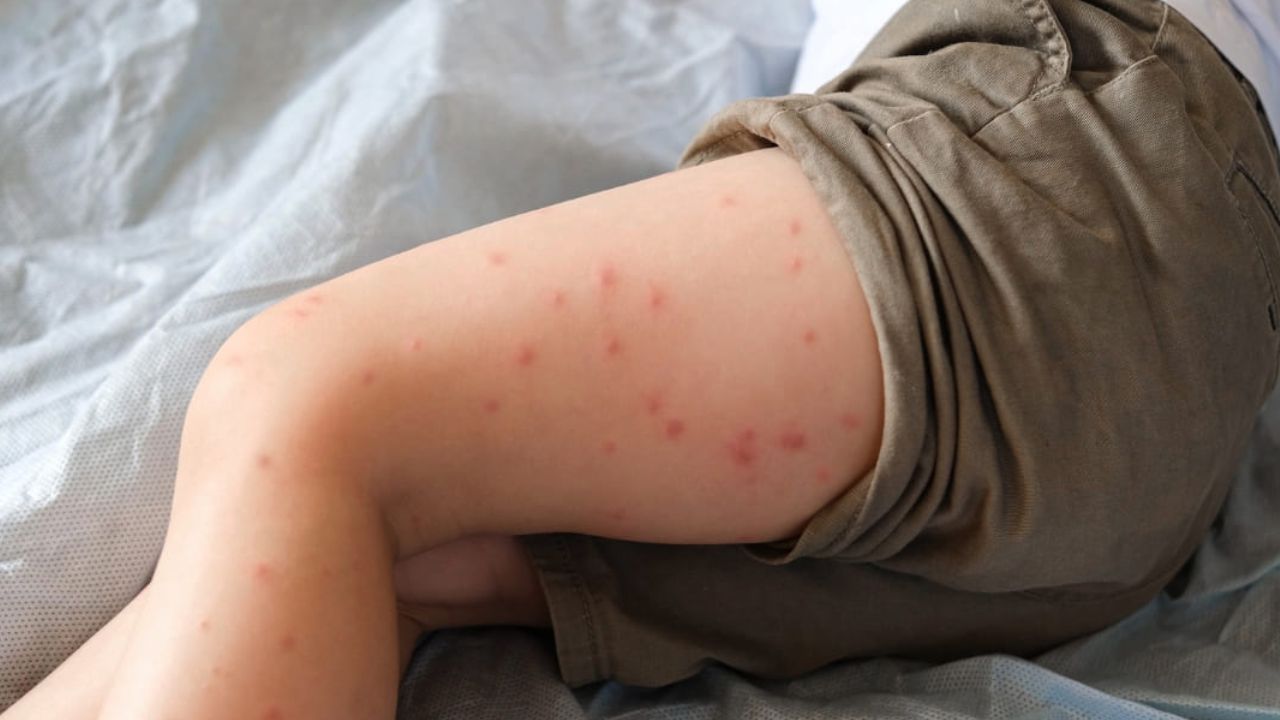
Dengue is a virus that spreads to people through the bite of an infected mosquito . These mosquitoes are called Aedes mosquitoes. They are often black and white and are also called tiger mosquitoes . They do not fly far. They usually live close to the places where people stay.
Young children and infants are at a higher risk of getting severe dengue . This is because their immune system, which fights sickness, is not fully developed . They may get dengue hemorrhagic fever or dengue shock syndrome . These are serious conditions that need hospital care. In these cases, the child can have bleeding, a drop in blood pressure, and damage to organs .
The good news is that with quick and good medical care, the worst effects of dengue in children can be avoided . Prevention is the most important step you can take.
Read Also: Toddler Constipation Remedies At Home
How Children Catch Dengue?
You get dengue from the bite of a mosquito that carries the virus. The Aedes mosquito bites during the day, not just at night . They are most active for two hours after sunrise and just before sunset .
These mosquitoes breed in clean, still water . They can lay eggs in very small amounts of water, such as in:
-
Buckets
-
Flower pot plates
-
Old tires
-
Bottle tops
-
Pet water bowls
Dengue does not spread directly from one person to another. However, if a mosquito bites a sick person with dengue, the mosquito becomes a carrier. It can then pass the virus to other people it bites .
How to Protect Children from Dengue?
Prevention is the best way to keep your family safe. There is no specific medicine to cure dengue . The best approach is to prevent mosquito bites and reduce places where mosquitoes can breed.
Personal Protection for Children
Use Mosquito Repellent
Using a good mosquito repellent is a key step . Look for repellents that are registered and proven safe. The most effective products contain DEET or Picaridin .
Here are some important safety rules for using repellent on children:
-
For babies under 2 months: Do not use any chemical mosquito repellent. Use physical barriers like nets and covers instead .
-
For children under 3 years: Do not use products that contain oil of lemon eucalyptus or PMD .
-
For children aged 2 months to 3 years: It is best to use Picaridin or IR3535. If you use DEET, choose a low concentration (10% or less) .
-
For older children (above 3 years): You can use DEET, Picaridin, IR3535, or oil of lemon eucalyptus .
How to Apply Repellent Safely
-
Always follow the directions on the product label .
-
Do not apply repellent to a child's hands. Children often put their hands in their mouths .
-
Do not apply repellent to cuts, wounds, or irritated skin .
-
Adults should spray repellent on their own hands first and then apply it to the child's face. Avoid the eyes and mouth .
-
If you are using sunscreen, put the sunscreen on first. Wait for it to dry, and then apply the mosquito repellent .
-
After returning indoors, wash the skin where you applied the repellent with soap and water .
-
Reapply the repellent as directed. Sweating and swimming can make it wear off faster . DEET-based products need reapplication every 2 to 3 hours, while Picaridin-based products can last 6 to 8 hours .
Dress Children for Protection
Clothing is a great way to reduce mosquito bites . Aedes mosquitoes like to bite the feet, ankles, and wrists .
-
Dress your child in loose-fitting, long-sleeved shirts and long pants .
-
Have them wear socks and closed shoes to cover their dengue prevention tips for children.
-
dengue prevention tips for childrenChoose light-colored clothes. Mosquitoes are more attracted to dark colors .
Use Mosquito Nets
Sleeping under a mosquito net gives good protection . This is very important for babies and young children who sleep during the day. Use a properly fitted mosquito net over cribs, strollers, and play areas .
Keep Mosquitoes Out of the Home
-
Install screens on windows and doors . Repair any holes in the screens to keep mosquitoes from coming inside .
-
Sleep in air-conditioned rooms if possible . If you do not have air conditioning, keep windows and doors closed or use mosquito nets over the beds .
-
Use mosquito coils or sprays inside the home to kill mosquitoes .
Stop Mosquitoes from Breeding at Home
Controlling mosquitoes around your home is just as important as personal protection. Aedes mosquitoes breed in clean, stagnant water. Removing standing water will stop them from laying eggs .
Check and Clean Your Surroundings
Make it a habit to check your home and yard for items that can collect water.
-
Empty and scrub containers that hold water, such as flower pot plates, pet bowls, and buckets . Scrubbing helps remove mosquito eggs that are stuck to the sides.
-
Turn over any potential water containers or rubbish. This includes bottles, tyres, coconut shells, and plastic boxes .
-
Clear clogged drains and gutters so that water does not build up .
-
Cover water storage containers tightly with lids, screens, or wire mesh . The holes in the mesh should be small enough to keep adult mosquitoes out.
Get Your Community Involved
Mosquitoes do not care about property lines. It is important to work with your neighbors to stop dengue.
-
Talk to your neighbors about the need to eliminate mosquito breeding sites .
-
Encourage your children's school to check for and remove standing water in playgrounds and on school grounds .
Protect Children at School and Playgrounds
Dengue prevention should not stop at home . Schools and playgrounds are places where children spend a lot of time during the day, which is when Aedes mosquitoes are most active.
-
Talk to school staff about the importance of clearing garbage and standing water in the school yard .
-
Teach your children about the dangers of mosquitoes. Explain why they should wear long sleeves and use repellent when they go out to play .
About the Dengue Vaccine
There are vaccines for dengue, but their use is not straightforward. They are not like standard childhood vaccines.
-
A dengue vaccine called Q-denga is recommended by the WHO. It is for children aged 6 to 16 years who live in areas where dengue is very common .
-
In the United States, a vaccine called Dengvaxia is available. However, it is only for children aged 9 to 16 years who have had dengue before. A blood test must confirm this previous infection before vaccination. Giving the vaccine to a child who has never had dengue can increase the risk of severe illness if they get it later .
-
Always talk to your child's doctor to see if a dengue vaccine is right for them .
It is important to remember that vaccines are not the main way to control dengue. They are only one part of a larger plan that includes preventing mosquito bites, controlling mosquito breeding, and community education . For now, protecting your family from mosquito bites and removing breeding sites is still the most important thing you can do.
You May Also Like: 7 Warning Signs Of Dengue Fever In Child
How to Care for a Child with Dengue?

If your child has a fever and you think they might have dengue, take them to a doctor. There is no specific medicine to kill the dengue virus. The goal is to manage the symptoms and keep your child comfortable.
At-Home Care
For children with mild dengue, home care focuses on hydration, fever control, and rest .
Keep Your Child Hydrated
Dehydration is a big risk. It happens because of high fever and vomiting . Make sure your child drinks plenty of fluids.
-
Give frequent sips of oral rehydration solution (ORS) .
-
Offer water, coconut water, or clear soups .
-
Watch for signs of dehydration. These include:
-
Less urination than normal (fewer than 6 wet diapers per day for babies)
-
Dry mouth and lips
-
No tears when crying
-
Sunken eyes or a sunken soft spot on the baby's head
-
If you see these signs, contact your doctor right away.
Manage Fever
-
Use paracetamol to reduce fever and ease pain . Use the exact dose prescribed by the doctor.
-
Avoid NSAIDs such as ibuprofen, aspirin, or diclofenac . These medicines can increase the risk of bleeding, which is very dangerous in dengue.
Give Easy-to-Digest Food
Offer light foods that are easy for your child to eat and digest. Good options are lentil soup, khichdi (rice and lentils), and boiled eggs .
When to Rush to the Hospital: Emergency Warning Signs?
Dengue can become severe very quickly, often within a few hours . Knowing the warning signs can save your child's life. Do not wait. Get medical help immediately if you see any of these signs .
Severe Warning Signs
- Severe belly pain that does not go away
- Throwing up again and again
- Bleeding from the nose, gums, or in vomit or stool
- Fast breathing or trouble breathing
- Extreme tiredness or confusion
- Cold, clammy skin with a sudden drop in body temperature
- Not passing urine for over 6 hours
These signs can mean the child has severe dengue, hemorrhagic fever, or dengue shock syndrome . These are life-threatening conditions that need hospital care.
Conclusion
Dengue is a real danger to children, but it is a danger you can reduce. You can protect your family from this sickness. The steps are simple and within your control.
First, prevent mosquito bites. Use child-safe repellent, dress your child in full sleeves and pants, and use mosquito nets.
Second, destroy mosquito breeding sites. Empty and scrub all water containers in and around your home.
Third, know the warning signs. If your child has a fever, watch them closely. If you see severe belly pain, bleeding, or other warning signs, get emergency medical help without delay.
Other Articles

Nurture Family Values In Modern Parenting
50 Popular Gujarati Surnames Or Last Names With Meanings