


Parenting is hard work. Every mother and father wants their child to grow up as a good person. But children do mistakes. That is how they learn. The problem is not the child's mistake. The problem is how parents react to that mistake.
Many parents start shouting. Some parents raise their hand. Later that night, when the child is sleeping, the parent feels very bad. The parent thinks to himself – why did I do that? Why could I not stay quiet?
This feeling is very common. But you can change this. You can teach your child good behaviour without any shouting. You can set limits without any hitting. This article shows you the exact way to do that. These are not fancy ideas. These are steps that regular parents use every day in their homes and how to discipline a child without yelling or hitting.
Let me tell you clearly. Changing your old habit will take time. You will make mistakes. That is okay. You just need to keep trying.
Why Your Old Way is Not Working?
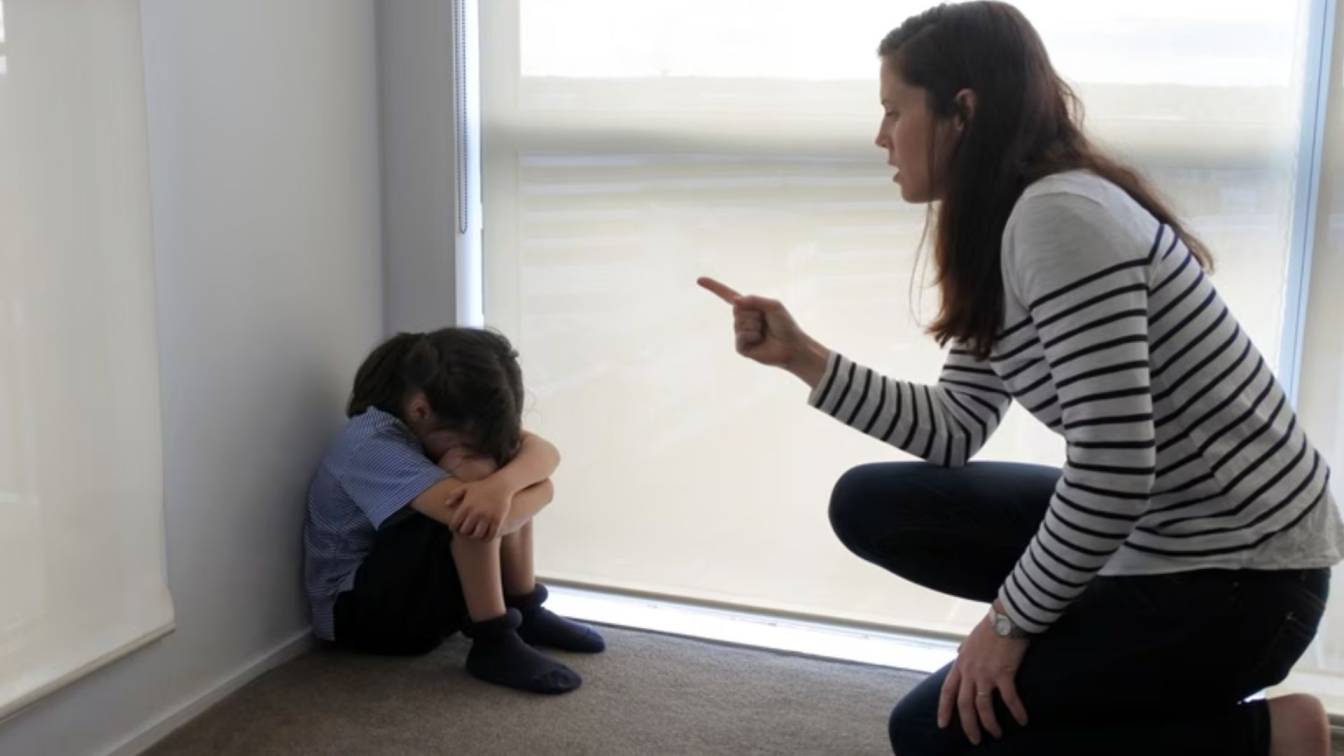
Think about the last time you shouted at your child. Did he stop doing that thing forever? No. He stopped for five minutes. Then he did the same thing again. Why? Because shouting does not teach anything.
When you shout, the child's brain gets scared. He cannot hear your words. He only hears loud noise. His mind closes like a door. So your long lecture is wasted. He did not learn why his action was wrong.
When you hit, the child feels pain and shame. He starts thinking – I am a bad child. Over many years, this feeling stays inside him. Some children start hitting other children. Some children start lying to save themselves from hitting. Some children grow up and then hit their own children.
Is this what you want? No. You want a child who listens because he understands. You want a child who respects you, not fears you. That is possible. But for that, you have to leave the old way.
Read Also: Parenting Hacks For Busy Parents At Home
What Good Discipline Looks Like?
Good discipline is teaching. Bad discipline is punishing. When you teach, you show the child the right path. When you punish, you only make the child feel bad about himself.
In good discipline, the parent does not lose temper. The parent stays like a strong tree in the wind. The parent sets two or three clear rules. When the child breaks a rule, there is a fixed result. That result is not beating. That result is not shouting. That result is something like – no mobile for one hour, or cleaning the mess he made, or sitting quietly for two minutes.
The goal is not to make the child cry. The goal is to make the child think – oh, this happened because of my action. Next time I will do different.
Step One – Stop Yourself First
This is the most difficult step. Your child spills water on the floor. Your first feeling is heat in your head. You want to shout. Stop. Do not open your mouth yet.
Keep your mouth closed for ten seconds. Breathe out slowly. Breathe in slowly. If you can, leave the room. Go to the kitchen. Drink one glass of water. Tell yourself one line – I am the grown up. I can stay quiet.
When you do this, you break your old pattern. You teach your own mind that shouting is not the only way. After some practice, this stopping becomes easy.
Remember one thing. Your child is watching you. When you stay calm during a problem, your child learns how to stay calm during his own problems. That is a big life lesson.
Step Two – Go Near Your Child
Do not shout from the other room. Do not point your finger from far away. Get up. Walk to your child. Sit down on the floor so your face is near his face. When you do this, the child does not feel attacked. He feels that you are with him.
Now look at his eyes. Not in a hard way. Look softly. Say his name one time. Then tell him what he did. Use very few words.
Example – Aarav, you pulled the cat's tail.
Do not add – you are so bad. Do not add – what is wrong with you. Just say the action. Just say the fact.
Step Three – Find the Feeling Inside
Every wrong action comes from a feeling. The child is not bad. The child has a bad feeling that he does not know how to show. He may be very tired. He may be jealous of his sister. He may be hungry. He may be sad about something that happened in school.
Your job is to find that feeling and name it. When you name the feeling, the child feels that you understand him. Half of his anger goes away.
You can say – I think you are angry because your friend did not share the ball. Or you can say – You seem very tired. That is why you threw the book.
Try this next time. You will see the child's face change. He will nod his head. Then he is ready to listen to you.
Step Four – Remind the Rule Simply
Every home needs some simple rules. Do not make too many. Three or four rules are enough. Write them on a paper and stick on the wall. Keep the words easy.
Example rules – no hitting anyone. speak softly inside house. put away toys after playing.
When the child breaks a rule, do not give a long speech. Just say the rule again. Say – our house rule is no hitting. You hit your brother. That is not allowed.
Short words. Clear meaning. No shouting.
Step Five – Give Two Choices
Children do not like to be ordered. But they like to choose. So give them two choices. Both choices should be okay with you. This way the child feels some control, but you stay in charge.
Example – your child is shouting in the kitchen. You can say – you can speak softly and stay here, or you can go to your room and shout there. You choose.
Example – your child is hitting the sofa with a stick. You can say – you can put the stick down and play with your car, or you can give the stick to me. You choose.
When the child makes a choice, he cannot blame you. He decided. So he also sees the result of his decision.
Step Six – Sit Together in Quiet Time
Old books tell parents to use time out. That means the child sits alone in a corner. But many small children feel very scared when left alone. They do not learn anything. They only feel that their parents left them.
Better way is time in. In time in, you sit with your child in a quiet place. It can be a corner of the room or on the bed. You do not talk. You just sit together for two or three minutes. Your hand can be on his back. This helps the child calm down. Your close presence makes him feel safe.
After he is fully calm, then you can say two lines about what happened. This works very well for children between two to seven years.
Step Seven – Ask Him to Fix the Mistake
Punishment is old thinking. A better question is – what can you do to make this right?
If the child broke a glass, he can help you pick the big pieces (you will handle the small sharp ones). If the child wrote on the wall, he can wipe it with a wet cloth. If the child hurt his friend's feeling, he can say sorry with his own words or draw a sorry picture.
When the child fixes his mistake, he learns something very deep. He learns that every mistake can be repaired. He learns that he is not a bad person. He is a person who did a bad thing and then made it better. This builds real inner strength.
You May Also Like: Positive Parenting Techniques For Indian Families
Step Eight – Use Results That Make Sense
Many parents take away dinner because the child broke a toy. That does not make sense. The result must be connected to the action.
A natural result happens by itself. If the child does not wear socks in winter, his feet will feel cold. You do not need to shout. Let him feel cold one time. Next time he will remember.
A logical result is set by you. But it must be logical. If the child throws food on the floor, the logical result is he must clean the floor and then no food for that meal. If the child hits with a toy, the logical result is that toy goes away for the rest of the day.
Always ask yourself – does this result make sense? If yes, use it. If no, find how to discipline a child without yelling or hitting.
Step Nine – Catch Him Doing Good Things
This step changes everything. Most parents only open their mouth when the child does something wrong. The child learns that bad action brings attention. So he keeps doing bad things.
- Flip this around. Watch your child carefully. Every time he does something good, even a small thing, say something nice.
- He put his glass in the sink. You say – thank you for helping.
- He shared his chocolate with his sister. You say – that was very kind of you.
- He waited for two minutes while you were on phone. You say – I saw you waiting nicely. Good job.
- Give ten good words for every one correction. The child will start wanting to do good things because your happy face is the best reward.
Step Ten – Be the Same Every Single Day
This is the secret of all good parenting. Be steady. If the rule is no hitting, then every single time the child hits, the same result happens. Do not change because you are tired. Do not change because guests are in the house. Do not change because you are in a good mood.
When you are steady, the child's mind feels safe. He knows exactly what will happen. He learns faster. After some weeks, he will stop testing the rule because he knows the result never changes.
If you are not steady, the child will keep testing. He will think – maybe today mummy will not notice. Maybe today I can get away. That is exhausting for you and confusing for the child.
What to Do on Days You Want to Yell?

Some days will be very hard. You did not sleep well. Work was stressful. The child is not listening. You feel the shout coming up from your chest.
On those days, do these things.
- First, close your mouth. Just close it. Do not let any sound come out.
- Second, put your hands behind your back or in your pocket.
- Third, walk away. Go to the bathroom. Close the door. Look at the wall for one minute.
- Fourth, if you have another adult in the house, tell them – I need five minutes. Go outside and breathe.
Fifth, remember one thing. Your child is not giving you a hard time. He is having a hard time. His behaviour is a sign that something is wrong inside him. Your job is to find that thing, not to shout at him.
If you do end up shouting, do not spend the whole night feeling guilty. Next morning, go to your child. Sit near him. Say sorry. Say – I should not have shouted yesterday. I was angry but that was not your fault. I will try to do better.
When you say sorry, you show your child that even grown ups make mistakes. You show him how to repair a mistake. That is a very powerful lesson.
Age by Age Guide
Two to Four Years
These are very small children. They do not understand long talks. Keep your words very short. Use your face and your hands more than words. If the child hits, hold his hand gently and say no hitting in a low voice. Then show him what to do instead. Show him soft touch. Distraction is your best friend at this age. If he is throwing blocks, take him outside to throw a ball.
Five to Nine Years
These children can understand rules and results. Have a small family meeting on Sunday. Let the child also say what rules should be in the house. Ask him – what should happen if someone breaks a rule? When he helps make the rule, he follows it better. Use logical results at this age.
Ten to Fourteen Years
These children need respect. Do not order them like babies. Explain the why behind the rule. Listen to what they have to say. If they break a rule, ask them – what is your plan to fix this? Give more freedom when they show they can handle it. For example, if they come home on time for one week, then next week they can stay out ten minutes longer.
Fourteen and Above
Pick your big fights. Do not fight about small things like a messy room or a t shirt on the floor. Fight about safety, respect, and studies. Talk to them like a young adult. Ask questions instead of giving orders. Instead of saying clean your room now, say when do you plan to clean your room. This builds their inner sense of responsibility.
FAQs
My child laughs when I try the calm way. What do I do?
Do not take it personally. Some children laugh because they are nervous. Some laugh because they do not know how else to react. Stay steady. Repeat your words in the same low voice. Do not get angry. If needed, walk away for two minutes and then come back. Your steadiness will win.
How many weeks until I see change?
If you have been shouting for years, do not expect change in one week. But if you follow these steps for three to four weeks, you will see small signs. The child will flinch less. He will listen more. After two to three months, the new way will become normal for both of you. Do not give up in the middle.
What if my husband or wife does not agree with this way?
This is hard. First, do not fight in front of the child. Talk when the child is sleeping. Share this article with your partner. Do not say you are wrong. Say I want to try a new way for one month. Let us see what happens. If your partner still shouts, you stay calm. The child will see that at least one parent is steady. Over time, results will convince your partner.
What if the child does something very dangerous like running into the road?
In dangerous situations, you first stop the child by any safe way. You can hold him firmly. You can raise your voice to say STOP. After the danger is gone, then you can use the calm steps. But do not hit. Even in danger, hitting is not needed. Holding firmly and saying stop in a strong voice is enough.
Conclusion
There was a father who used to shout a lot. His son was seven years old. One day the son did a small mistake. He dropped a glass of milk. The father started shouting. The son did not say anything. He just picked up the pieces and went to his room.
That night the father went to check on the son. The son was sleeping. On his small table was a drawing. The drawing showed a big figure shouting and a small figure crying. Under the drawing the son had written – I love my papa but I am scared of him.
The father sat on the floor and cried. He decided to change. It took him two months. He failed many times. But slowly, he learned to stay calm. One day the son came and hugged him for no reason. That had not happened in a long time.
You can be that father. You can be that mother. You can change.
Other Articles

Best Immunity Boosting Foods For Toddlers
50 Popular Gujarati Surnames Or Last Names With Meanings