

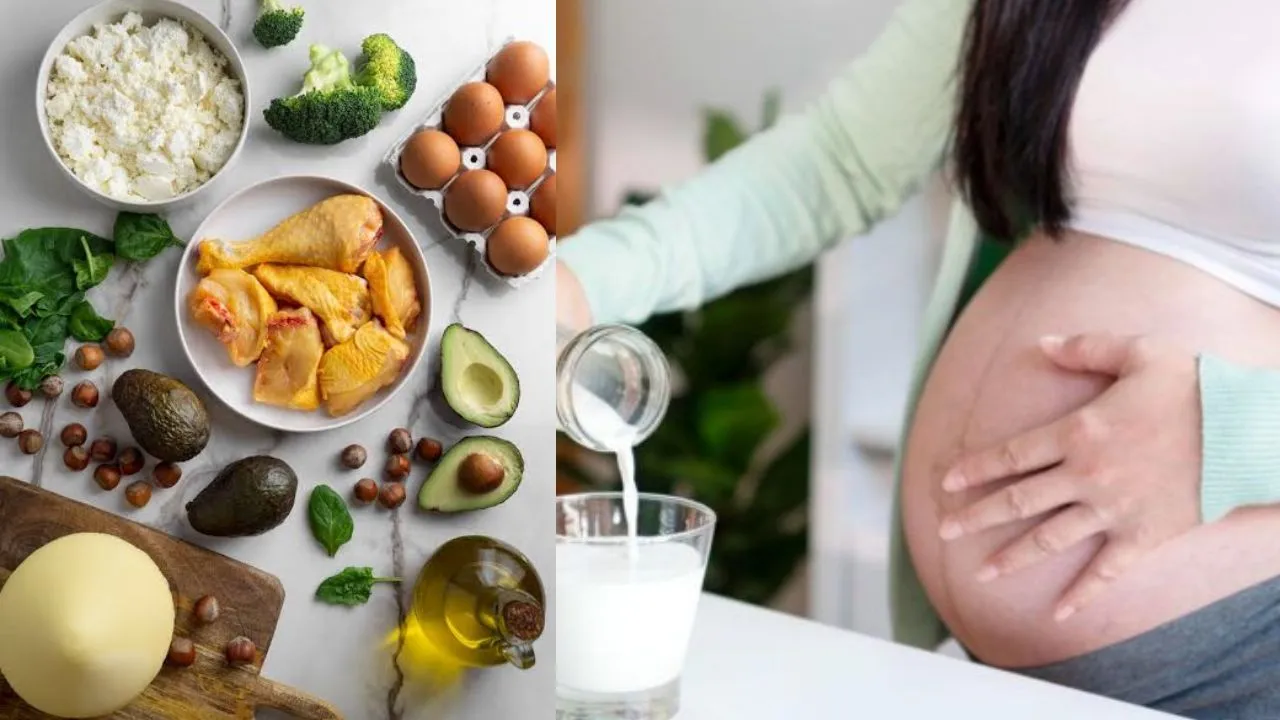
You are pregnant. Congratulations. Your body is doing something amazing. It is growing a human being. That takes a lot of work. It also takes a lot of food. One thing your baby needs is calcium. Lots of it.
Here is the thing about calcium. Your baby cannot make it. Your baby gets it from you. Every single day. If you do not eat enough, your body gives away what it has. It takes calcium from your bones. It sends it to your baby.
That sounds scary. It is. But it is also easy to fix. You just need to eat the right foods. Let me tell you what you need to know calcium rich foods for pregnant women.
Why Your Baby Needs Calcium?
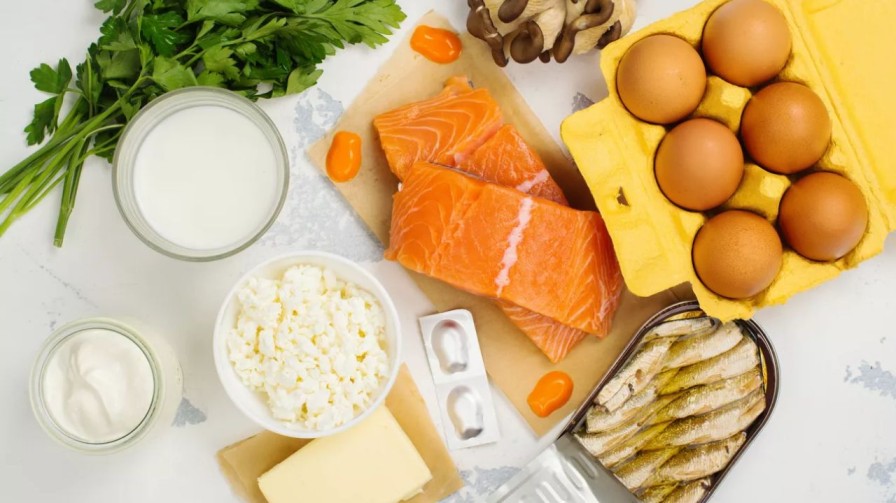
- Your baby is building a skeleton. Right now. Inside you. Those tiny bones need calcium. Without it, they stay soft.
- But bones are not the only thing.
- Your baby needs a heart. A working heart. Calcium helps that heart beat. Every single beat.
- Your baby needs nerves. Nerves send messages. Calcium helps those messages travel.
- Your baby needs muscles. Muscles contract. Calcium makes that happen.
- Your baby needs blood that clots. If your baby gets a cut after birth, the blood must stop. Calcium helps with that.
- So calcium does a lot. A whole lot.
Read Also: Sleeping Position During Pregnancy First 3 Months
Why You Need Calcium?
You need calcium too. Not just for your baby. For yourself. Your bones need to stay strong. Your muscles need to work. Your heart needs to beat.
But here is what happens. Your body puts your baby first. Always. If there is not enough calcium coming in from food, your body takes it from your bones. It gives it to your baby.
This leaves your bones weaker. Over time, this adds up. Later in life, your bones might break easily. That condition is called osteoporosis. It is not fun.
Getting enough calcium also lowers your risk of other problems. High blood pressure. Preeclampsia. Preterm birth. All of these are serious. Calcium helps prevent them.
How Much Do You Actually Need?
This depends on your age.
If you are 19 or older, you need 1000 milligrams. That is the number. Every day. If you are 18 or younger, you need 1300 milligrams. Your bones are still growing. You need more. Here is something most people do not know. Your prenatal vitamin does not have enough calcium. Most have 200 or 300 milligrams. That is not even close. You must get the rest from food.
Some heartburn tablets have calcium. Tums has calcium. Check the label. If you take those, they count towards your total.
Dairy Foods
Milk is the most common source. One cup has 300 milligrams. That is 30 percent of what you need. Drink it plain. Add it to cereal. Blend it into smoothies. If you do not like plain milk, add chocolate syrup. Add a banana. It tastes better.
Yogurt is even better. Plain low-fat yogurt has 415 milligrams in one cup. Whole milk yogurt has 275 milligrams. Yogurt also helps your stomach. It has good bacteria. Those bacteria help with digestion.
Cheese gives you calcium. Mozzarella has 333 milligrams in 1.5 ounces. Cheddar has 307 milligrams. Cottage cheese has 187 milligrams in one cup.
Make sure your cheese is pasteurized. Unpasteurized cheese is not safe during pregnancy. It can have harmful bacteria. Do not eat it.
Plant Foods
You do not have to eat dairy. Many plant foods have calcium.
Tofu is a great choice. Half a cup has 253 milligrams. It also gives you protein and iron. You can grill it. Fry it. Put it in soup. Put it in stir-fry. It takes on the flavor of whatever you cook it with.
Leafy greens are good. Collard greens have 266 milligrams in one cup. Cooked spinach has 260 milligrams. Bok choy has 160 milligrams. Kale has 24 milligrams.
But here is the catch. Your body does not absorb calcium from spinach very well. It has something called oxalates. Those block absorption. Eat spinach with vitamin C. That helps.
Broccoli has calcium. Half a cup has 21 milligrams. One cup boiled has 76 milligrams. Not a huge amount. But every little bit counts. And broccoli has other good nutrients.
Almonds give you calcium. One hundred grams has 264 milligrams. Eat them as a snack. Put them on salads. Almond milk also has calcium. But check the label. Some brands add extra. Some do not.
Seeds are packed with calcium. Sesame seeds have 975 milligrams in one hundred grams. That is almost your whole day's need. Chia seeds have 179 milligrams in one ounce. Sprinkle seeds on everything. Yogurt. Salad. Oatmeal. Smoothies.
Oranges have calcium. One orange has 55 milligrams. They also have vitamin C. That helps your body use calcium. Orange juice with added calcium has 349 milligrams per cup. That is a lot.
Dried figs are sweet. They have calcium. They also have fiber. Fiber helps with constipation. Many pregnant women get constipated. Figs help.
Fish With Bones
Some fish have soft bones. You can eat those bones. They give you calcium. Sardines are good. Three ounces of canned sardines has 325 milligrams. Eat them on crackers. Put them on a salad. Mash them into a spread. Canned salmon also works. Three ounces has 181 milligrams. The bones are soft. You will not even notice them.
Fortified Foods
Some foods have calcium added. Companies add it during processing. These are good if you do not eat dairy. Fortified plant milks. Soy milk. Almond milk. Oat milk. Check the label. Look for at least 100 milligrams per 100 milliliters. Some have as much as cow's milk. Fortified orange juice. One cup gives you 349 milligrams. Oatmeal. It has calcium. Also folic acid. Also potassium. Good calcium rich foods for pregnant women.
Other Sources
- Watercress. One hundred grams gives you 100 milligrams.
- Dates. They have calcium. They also give you energy. Good snack.
You May Also Like: Iron Rich Foods During Pregnancy
How To Help Your Body Absorb Calcium?
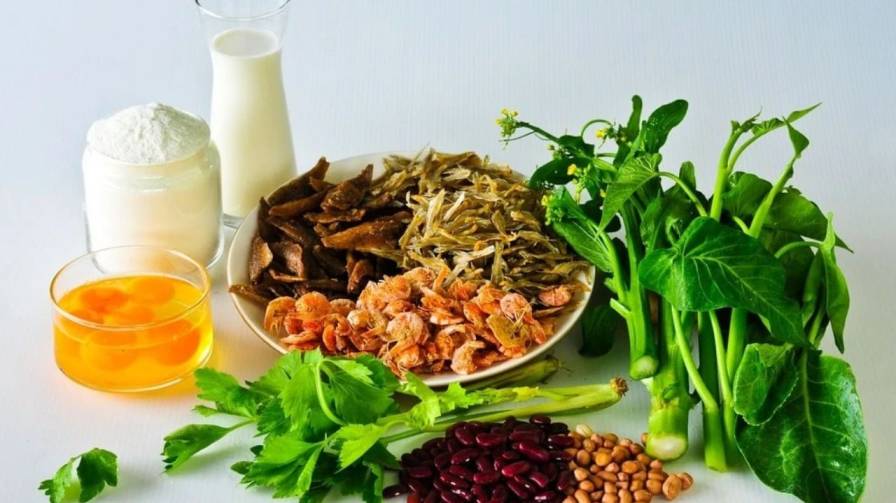
- Eating calcium is not enough. Your body must absorb it. Some things help. Some things block it.
- Vitamin D is the most important. Your body cannot use calcium without vitamin D. It acts like a key. It unlocks the door.
- Get vitamin D from sunlight. Go outside for a short time each day. Do not stay out too long. Wear sunscreen.
- Get vitamin D from food. Salmon. Tuna. Eggs. Mushrooms.
- Your prenatal vitamin might have vitamin D. Check the label.
- Vitamin C helps too. Eat an orange with your calcium rich meal. Add lemon juice to greens. Blend spinach with orange juice. Your body takes in more calcium.
- Protein is tricky. You need protein. But too much protein makes your body lose calcium in urine. Eat the right amount. Not too much. Not too little.
- Fat can block absorption. Too much fat binds with calcium. It makes it hard for your body to absorb it. Eat a balanced diet.
- Salt makes you lose calcium. When you eat salt, your body gets rid of it. Calcium leaves with it. Limit salty foods. Do not add extra salt.
- Your digestive system matters. Calcium is absorbed in the small intestine. If you have diarrhea, absorption goes down. If you have stomach problems, talk to your doctor.
Easy Ways To Eat More Calcium
- Start your morning with calcium. Yogurt for breakfast. A glass of milk. Fortified oatmeal.
- Add dairy to meals. Sprinkle cheese on pasta. Add milk to soups. Use yogurt in sauces.
- Snack on calcium. Almonds. Cheese sticks. Yogurt cups.
- Drink your calcium. Milk with dinner. Smoothies with milk and fruit.
- Add greens to everything. Spinach in soup. Kale in stir-fry. Collard greens in salad.
- Buy fortified foods. Orange juice with calcium. Cereal with calcium. Plant milk with calcium.
- Use seeds. Sesame seeds on food. Chia seeds in smoothies. On oatmeal.
Should You Take A Supplement?
Calcium supplements are safe. But they have side effects. Gas. Constipation. Food is better. Your body absorbs calcium from food more easily. Most women can get enough from food. Four servings a day. That is doable.
You might need a supplement if you do not eat dairy. If you are vegan. If your body has trouble absorbing nutrients. If your doctor says your calcium is low. If you have a high risk of preeclampsia. Your doctor will tell you. Do not start one without asking. Iron and calcium do not mix. Calcium blocks iron. If you take iron, take it at a different time. Wait two hours between them.
What Happens If You Do Not Get Enough?
Problems for your baby. Slow bone growth. Poor tooth development. Rickets. Soft bones. Premature birth. Stillbirth in severe cases. Problems for you. Weak bones. Weak teeth. Osteoporosis later. Muscle cramps. Joint pain. Numb fingers. Tingling fingers. High blood pressure. Preeclampsia. Leg cramps are a common sign. Pelvic pain. Dental problems. Abnormal heart rhythm in severe cases.
FAQs
Can I get enough without milk?
Yes. Greens. Tofu. Almonds. Fortified plant milk. Fish with bones. Fortified juice.
Can I take folic acid and calcium together?
Yes. They do not block each other.
When should I start focusing on calcium?
From the start. Pay extra attention in the second half. Bones grow fastest then.
Can supplements replace food?
No. Food is better. Supplements are for when food is not enough.
What foods help absorption?
Vitamin D foods. Vitamin C foods. Salmon. Oranges. Eggs. Mushrooms.
Final Thoughts
You need 1000 milligrams. Four servings of calcium rich foods. Dairy works. Plants work. Fish works. Fortified foods work. Help your body absorb it. Vitamin D. Vitamin C. Watch your salt. Watch your fat. Watch your protein. Talk to your doctor. Ask about your diet. Ask about supplements. Eating well protects your bones. It gives your baby a strong start.
Other Articles

Pregnancy Sleep Positions By Trimester
50 Popular Gujarati Surnames Or Last Names With Meanings