

My cousin called me last week. She is five months along. Crying on the phone. She said she cannot keep her eyes open. She said her boss yelled at her for falling asleep at her desk. She said she feels like a failure.
I told her she is not a failure. Her iron is probably low. I told her to call her doctor. She did. Her iron was really low. The doctor put her on supplements. But also told her to change what she eats.
This happens to so many women. I see it all the time. Nobody tells you about this part of pregnancy. They tell you about morning sickness. They tell you about back pain. They do not tell you about the exhaustion that comes iron rich foods during pregnancy.
So here is what I know about iron during pregnancy. I am not a doctor. I just read a lot. And I watched my cousin go through this. And I watched my sister go through this. And I talked to mymom who is a nurse.
Your Body Changes So Much
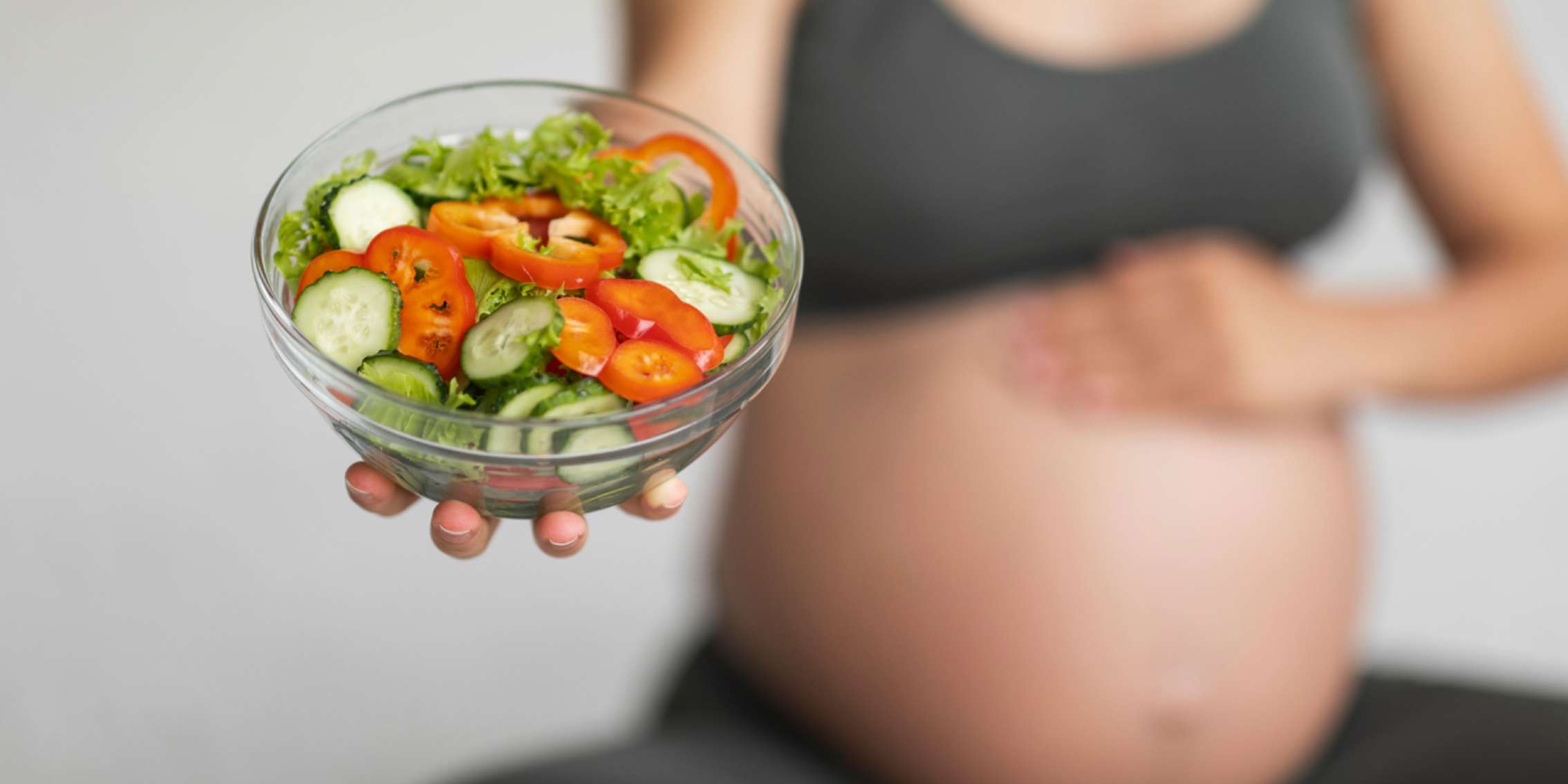
When you get pregnant your body starts making more blood. A lot more blood. Almost half again as much as before. That is a huge increase.
Think about it this way. Before pregnancy your body makes a certain amount of red blood cells. Those cells carry oxygen around your body. Then you get pregnant and suddenly your body has to make way more of these cells. Because you have more blood to fill.
All those red blood cells need iron. Without iron they cannot carry oxygen. So when you do not have enough iron your blood cannot carry enough oxygen. That is why you feel tired. Your brain is not getting enough oxygen. Your muscles are not getting enough oxygen. Everything feels heavy.
Your baby needs oxygen too. Every tiny cell in that baby needs oxygen to grow. When your iron is low your baby gets less oxygen. That can affect growth. That can affect development.
Read Also: Foods To Avoid During Early Pregnancy First Trimester
The Numbers Are Hard
Doctors say you need 27 milligrams of iron every day when you are pregnant. Before pregnancy you needed 18 milligrams. Nine extra milligrams does not sound like a lot. But it is.
I tried to get 27 milligrams from food one day. Just to see if I could do it. I ate beef at lunch. I ate spinach at dinner. I had fortified cereal for breakfast. I snacked on pumpkin seeds. It was exhausting. I could not do it again every day.
That is why doctors give you prenatal vitamins. Most prenatal vitamins have iron in them. But the vitamins are not enough by themselves. You still need to eat good food.
My friend Sarah thought she could just take the vitamin and eat whatever she wanted. Her iron levels dropped anyway. The doctor told her vitamins are a backup. Food is the main thing.
There Are Two Types
Here is something most people do not know. There are two different kinds of iron in food. One kind your body can use easily. The other kind your body struggles with.
The easy kind comes from animals. Beef. Chicken. Turkey. Fish. When you eat these foods your body takes in a good amount of the iron they contain. It just works.
The hard kind comes from plants. Spinach. Lentils. Beans. Your body only takes in a little bit of the iron from these foods. Most of it just passes through.
But here is the trick. If you eat the hard kind of iron with vitamin C, your body takes in more of it. Vitamin C helps unlock the iron. Makes it easier to absorb.
Meat Is Your Friend
If you eat meat you have good options. Beef is one of the best. A small piece gives you about 2.5 milligrams of iron. Not a huge amount. But it adds up.
Turkey is similar. About 2 milligrams per serving. Chicken gives you about the same. I like dark meat chicken better than white meat. It has a little more iron.
Liver is high in iron. Really high. But you have to be careful with liver during pregnancy. It has a lot of vitamin A too. Too much vitamin A can be harmful. So eat liver only once in a while. And not a big portion.
Oysters are amazing for iron. Three oysters give you 7 milligrams. That is a lot from such a small food. But oysters have to be fully cooked during pregnancy. No raw oysters.
Sardines are another good one. They are small fish. Kind of strong tasting. But they give you 2.5 milligrams per serving. Crab too. About the same amount.
My dad loves sardines. He eats them straight from the can. I cannot do that. I mix them into pasta. Or put them on crackers with lemon.
Plants Work Too
If you do not eat meat, do not worry. You have many choices. You just have to be more careful about how you eat them.
Fortified cereals are honestly the best plant source. Some cereals have 8 to 16 milligrams of iron in one bowl. That is almost your whole daily need right there. Check the box before you buy. Look for cereals that are high in iron. Eat them with milk or yogurt.
Spinach is famous for a reason. Cooked spinach gives you 6 milligrams per cup. That is a lot. Raw spinach has less. So cook it if you can. Or eat a big salad with lots of spinach.
I put spinach in everything. Omelets. Pasta sauce. Soups. Smoothies. You can barely taste it in smoothies. But you get all the iron.
Chickpeas are great. Half a cup gives you 6 milligrams. Chickpeas are also called garbanzo beans. They are filling and cheap. I roast them with olive oil and salt. They get crunchy. Like a snack.
Lentils give you 3 milligrams per half cup. They cook fast. Way faster than other beans. You do not have to soak them overnight. I make lentil soup all the time. Takes twenty minutes.
Soybeans give you 4 milligrams per half cup. Tofu and tempeh have iron too. These are important for vegetarian and vegan diets. My cousin is vegan. She eats a lot of tofu and tempeh. Plus lentils and chickpeas.
White beans give you 3 milligrams per half cup. They are creamy. I mash them and spread them on toast.
Fruits Help Too
Fruits do not have much iron. But some fruits help in other ways. They have vitamin C. And vitamin C helps your body absorb iron from plants.
Prune juice has both. One cup gives you 3 milligrams of iron. Plus prune juice helps with constipation. And constipation is a real problem during pregnancy.
- Dried apricots are good for snacking. They have iron. Not a huge amount. But they are easy to eat. I keep them in my bag.
- Dates have iron too. Plus they give you natural energy. I eat dates with almonds. Good combination.
- Pomegranates have iron and antioxidants. They are messy to eat. But worth it.
Nuts And Seeds
Small foods that add up.
Pumpkin seeds give you about 2 milligrams per half ounce. That is a small amount. But every little bit helps. I sprinkle them on salads. Or eat them by themselves. Sesame seeds are similar. About 2 milligrams per half ounce. I add them to stir-fries. Or rice dishes. Or on top of bread. Cashews give you 2 milligrams per ounce. I eat cashews as a snack. They are creamy and satisfying.
The Vitamin C Trick Works
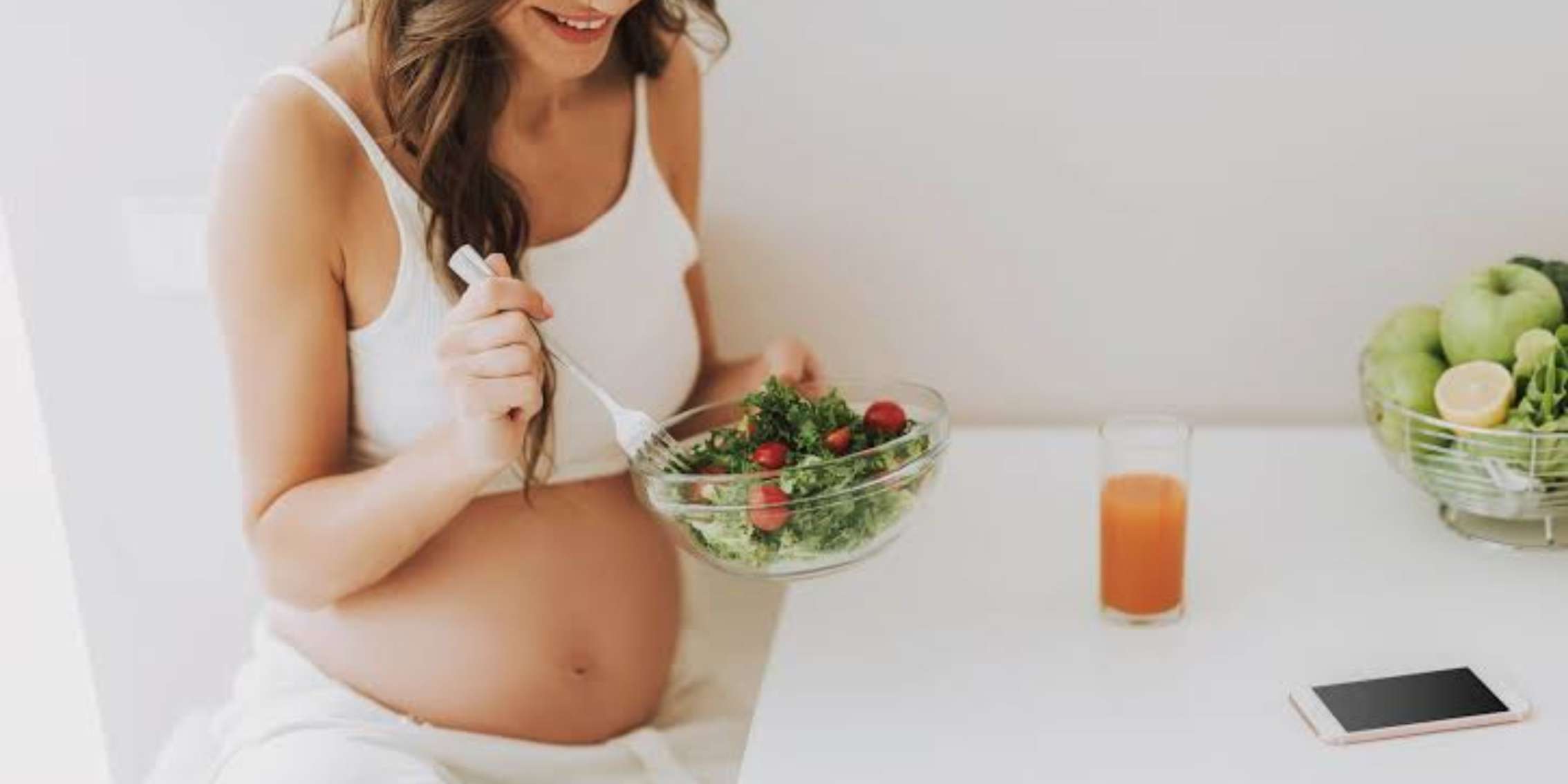
This is the most important thing I learned. I keep saying it because it really matters. Vitamin C helps your body absorb iron from plants. It changes the iron into a form your body can use.
Try these combinations.
- Spinach salad with bell peppers. Peppers have vitamin C. Lemon dressing adds more vitamin C.
- Lentil soup with orange juice. Drink the juice with the soup. Or after.
- Cereal with strawberries. Strawberries have vitamin C. Or kiwi. Or blueberries.
- Chickpeas with tomatoes. Tomatoes have vitamin C. Lemon juice too.
I make a simple thing. Chickpeas. Chopped tomatoes. Lemon juice. Olive oil. Salt and pepper. That is it. Takes five minutes. Tastes good. Gives me iron and vitamin C together.
Cook In Cast Iron
This is an old trick. People used cast iron pans for generations. They did not know why. They just knew food tasted better. Now we know the iron from the pan gets into the food.
This works best with acidic foods. Tomato sauce. Chili. Curry. The acid pulls more iron out of the pan. I have a cast iron skillet that belonged to my grandmother. It is heavy. It is black. It is ugly. But I use it almost every day. The more you use cast iron, the better it gets. The seasoning builds up.
Studies have shown this works. In places where people use iron pots, anemia rates are lower. Not a little lower. Significantly lower. If you do not have a cast iron pan, get one. They are not expensive. They last forever. And they add iron to your food without any effort.
Watch Out For Tea
- This one surprised me. Tea stops your body from absorbing iron. Coffee too.
- Why? Tea and coffee have tannins. Tannins grab onto iron. Then your body cannot absorb it. The iron just passes through.
- I learned this when my iron levels were not improving. I was eating iron-rich foods. I was taking my supplements. My iron stayed low. My doctor asked me about tea. I drink tea all day. Every day. He told me to stop drinking tea with meals.
- So now I wait. I eat my meal. I wait at least one hour. Then I have my tea. One hour is enough. Two hours is better.
- Coffee is the same. Wait an hour. Then have your coffee.
You May Also Like: Pregnancy Skincare Routine Safe In India
Calcium Blocks Iron Too
Calcium is another blocker. Milk. Yogurt. Cheese. Calcium supplements. They all interfere with iron absorption. This is tricky because you need calcium during pregnancy. Your baby needs calcium for bones. You need calcium for your own bones. The solution is separation. Do not take your calcium supplement with your iron supplement. Take them at different times. Do not drink milk with your iron-rich meal. Have your milk as a snack between meals. Or have it at breakfast and have your iron-rich food at lunch.
My doctor told me to take my iron supplement in the morning. And take my calcium supplement at night. That worked.
Phytates In Beans
- Phytates are in beans and whole grains. They can block iron absorption too.
- But you can reduce phytates. Soak beans overnight before cooking. Throw away the soaking water. Use fresh water to cook.
- Sprout grains if you can. Sprouting reduces phytates. Fermenting foods also helps. Sourdough bread has fewer phytates than regular bread.
- I soak chickpeas overnight. Then I roast them. They get crispy. And the soaking removes some of the phytates.
When You Need Supplements?
Sometimes food is not enough. That is okay. That is why supplements exist.
Your doctor will test your iron levels. They do this at regular checkups. They take a small blood sample. They check your hemoglobin. They check your ferritin. Ferritin is stored iron.
If your levels are low, your doctor will recommend a supplement. You might need to take more than what is in your prenatal vitamin. Or your doctor might switch you to a different vitamin.
Iron supplements can be hard on your stomach. Constipation is common. Nausea too. Some people get diarrhea.
If you have side effects, tell your doctor. They can suggest a different type. Some types are gentler on the stomach. Slow-release iron is one option. But it absorbs differently. Talk to your doctor.
Do not take extra supplements on your own. Too much iron is dangerous. It can damage your liver. It can cause other problems. Follow your doctor's advice exactly.
A Day Of Eating
Here is what I do. This is not a strict plan. Just an example.
Breakfast
I eat fortified cereal. I put strawberries on top. Strawberries have vitamin C. The cereal has iron. I skip tea until after I have finished eating.
Mid-morning
I have a cup of tea now. It has been at least an hour since breakfast.
Lunch
I make a salad. Spinach. Chickpeas. Bell peppers. Tomatoes. Lemon juice and olive oil for dressing. The peppers and lemon give me vitamin C. The spinach and chickpeas give me iron.
Afternoon
I might have orange juice. Or eat an orange. Or snack on dried apricots.
Dinner
Lentil soup with a piece of chicken. I squeeze lemon into the soup. Chicken gives me heme iron. Lentils give me non-heme iron. The lemon helps with the lentil iron.
Evening
I wait an hour after dinner. Then I might have tea. Or I might not. Sometimes I just have water.
Before bed
I take my calcium supplement if I take one. Far away from my iron-rich meals and iron rich foods during pregnancy.
Third Trimester Matters Most
The last three months are when your baby builds their own iron stores. These stores will last them for about six months after birth. Six months. That is a long time.
Your baby depends on you for this. Every bit of iron your baby stores comes from you. If you are low on iron, your baby will be low on iron too.
That is why doctors check your iron levels more often in the third trimester. They want to make sure you have enough. They want to make sure your baby has enough.
Make an extra effort during these months. Eat well. Take your supplements. Follow your doctor's advice. This is when it matters most.
Signs Your Iron Is Low
Your body tells you when something is wrong. You just have to listen. Being tired during pregnancy is normal. Everyone expects that. But there is a difference between normal tired and low-iron tired. Normal tired is feeling sleepy in the afternoon. Low-iron tired is feeling like you cannot move. Like your arms and legs are heavy. Like every step takes effort.
- Dizziness is another sign. Getting lightheaded when you stand up. Feeling like the room is spinning.
- Shortness of breath. Feeling like you cannot get enough air. Even when you are just sitting down.
- Headaches that will not go away. Pale skin. Pale inside your eyelids. Pale gums.
- If you have these signs, tell your doctor. Do not wait for your next appointment. Call. Go in. Get tested.
One More Thing About Constipation
I need to say more about this because everyone struggles with it. Iron supplements cause constipation. It is almost guaranteed.
- Drink water. More than you think you need. Water helps move things through.
- Eat fiber. Beans. Lentils. Whole grains. Fruits. Vegetables. These all help.
- Move your body. Walking is good. Gentle movement helps digestion.
If it gets really bad, talk to your doctor. There are things they can recommend. Stool softeners that are safe during pregnancy. But do not take anything without asking first.
Conclusion
Iron matters. It matters for your energy. It matters for your baby. It matters for your baby after birth. Eat a variety of foods. Meat if you eat meat. Plants if you eat plants. Both if you eat both. Pair plant iron with vitamin C. That helps your body use it. Avoid tea and coffee around meals. That blocks absorption. Separate calcium from iron. They do not work well together. Use cast iron pans. They add iron to your food. Take supplements if your doctor says to. Do not take extra on your own. Pay attention to your body. Listen to the signs. Talk to your doctor. This is not complicated. It is just small things. One meal at a time. One snack at a time.
Your body is doing incredible work. It deserves your help. My cousin is doing better now. She changed her eating habits. She takes her supplements. She feels like herself again. Her baby is growing fine. She told me she is grateful for the advice.
Other Articles

Newborn Baby Care Tips For First Time Parents
50 Popular Gujarati Surnames Or Last Names With Meanings