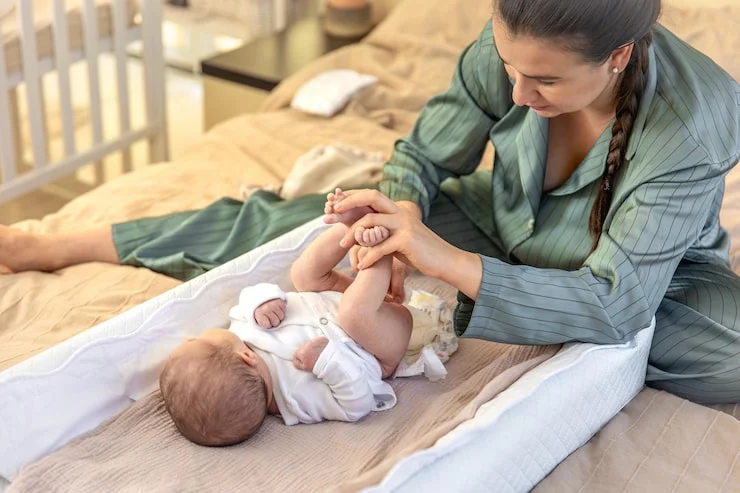

My baby wakes up at seven. Sometimes six thirty. Sometimes seven thirty. Depends on her mood. First thing I give her milk. She drinks about one hundred eighty millilitres. Sometimes less. I never force her to finish. If she stops drinking, I stop giving.
After milk she plays on the floor. I put some toys near her. She crawls and grabs things. I sit nearby and watch her. At eight o clock I make breakfast.
Nourishing Your 10-Month-Old: A Complete Feeding Guide
Breakfast Ideas
I try to give different things for breakfast. Same thing every day gets boring. Even babies get bored.
Ragi porridge is our favourite. Ragi is good for babies. It has iron and calcium. I take two spoons of ragi flour. Mix with water. Cook in milk until thick. Add a little jaggery for sweetness. My baby loves it.
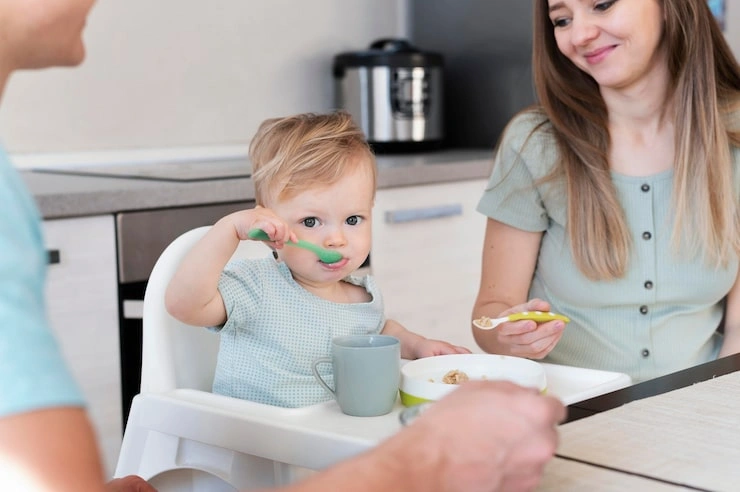
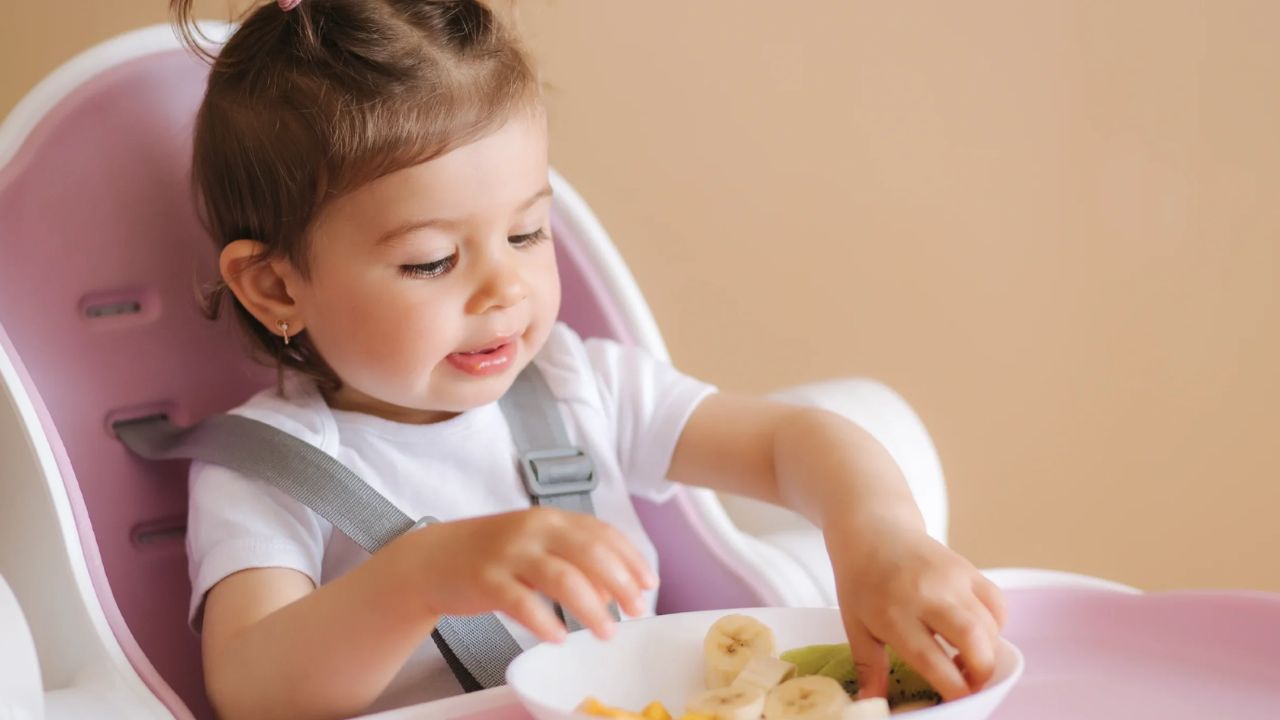
Some days I make suji halwa. I use less sugar. Just a pinch for taste. Add cardamom powder. It smells nice. Mashed banana with oats is quick. Oats cook in five minutes. Add some milk. Mash banana and mix. Done. Soft idli pieces dipped in sambar. She picks them up with her hands. Most of it falls on her bib. But some goes in her mouth. That is fine. She eats breakfast for about twenty minutes. Then 10 month baby feeding schedule.
Mid Morning Snack
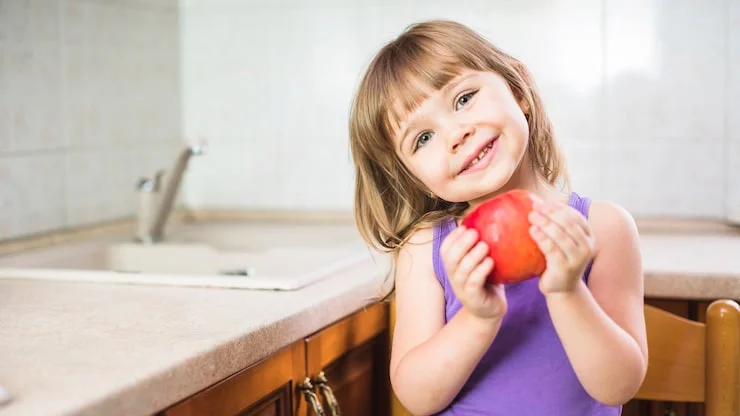
By ten o clock she is hungry again. She starts pulling at my clothes. That is her sign for food. I give fruit at this time. Papaya pieces cut small. Banana cut into rounds. Sometimes apple pieces steamed soft.
Plain curd is also good. I put it in a small bowl. She tries to scoop with her hands. It gets everywhere. On her face. On her clothes. On the floor. But she is learning. That is what matters.
Read Also: How To Handle Bedtime Anxiety In Kids
Lunch Time
Lunch is at twelve. This is her biggest meal.
I make khichdi almost every day. Rice and moong dal. Cook together with vegetables. Carrot pieces. Beans chopped small. Bottle gourd. All cooked until very soft. No need to grind. Just mash with a spoon. Add a spoon of ghee on top. Ghee helps digestion. Gives healthy fats.
She eats about half a small bowl. Some days more. Some days less. If she turns her head, I stop. Some days I make vegetable dalia. Broken wheat with vegetables. More fibre than rice. Good for digestion. If I am tired, I give rice with toor dal and mashed potato. Simple. Fast. She likes it.
Afternoon Rest
After lunch she plays for some time. Then she gets sleepy. At two o clock I give milk. About one hundred fifty millilitres. She drinks and falls asleep. This nap is important for both of us. I also rest during this time. She sleeps for about two hours. Wakes up at four.
Evening Snack
- At four she wakes up. She is usually in a good mood after sleeping.
- I give a light snack. Steamed sweet potato fingers. She holds them easily. Chews with her gums.
- Paneer cubes are also good. Paneer has protein. Soft and easy to eat.
- Sometimes I give fruit puree. Apple and pear blended together. She likes sweet things.
Dinner Time
- Dinner is at six. I make it lighter than lunch.
- Soft roti pieces soaked in dal. She chews them. Dal gives protein. Roti gives energy.
- Vegetable soup is also good. Tomato and carrot boiled together. Mash everything. Add a little jeera powder for taste. No salt.
- Sometimes I give rice with moong dal and spinach. Spinach chopped very fine. Cooked until soft. Iron is important for babies.
- She eats dinner slowly. She is tired by this time. So I am patient.
Bedtime
- At seven we start bedtime. Warm water bath. Clean clothes. Then milk.
- She drinks about one hundred eighty millilitres. This is her last feed. She falls asleep by eight.
- She does not wake up for milk at night. But if your baby wakes up, that is okay. Every baby is different. Do not compare.
Foods I Give Often
- I keep a list in my head. These are foods I give regularly.
- Vegetables - carrot, peas, sweet potato, pumpkin, bottle gourd. All cooked soft.
- Fruits - banana, papaya, mango, chikoo, pear. Most are soft naturally. Just cut small.
- Proteins - dal, moong dal, masoor dal, toor dal. Paneer and curd. Egg yolk if you give eggs.
- Iron foods - spinach, methi, ragi, oats, lentils. Give these every day.
Foods I Avoid
Some foods are not safe for babies. I avoid them completely.
- No honey. Honey can cause a serious infection in babies under one year. Not even a little bit.
- No whole nuts. Choking hazard. You can give nut powder. But never whole pieces.
- No big chunks of anything. Cut everything small. Finger size pieces are good. But not round shapes.
- No salt. Babies do not need salt. Natural salt in food is enough. Avoid pickles, papad, and packaged snacks.
- No sugar. Biscuits, cakes, sweets are not needed. Natural sweetness from fruits is better.
- No cows milk as a drink. You can use cows milk in cooking. But not as main drink until after one year. Breast milk or formula is best.
When Baby Does Not Eat?
This happens all the time. My baby refuses food some days. I used to worry. Now I know it is normal.
Stay calm. If you get stressed, baby feels it. Put the spoon down. Wait ten minutes. Try again. If still no, give milk. Try solids at next meal. Offer food many times. Babies need to see food many times before they accept it. Sometimes fifteen times. Do not give up after one try.
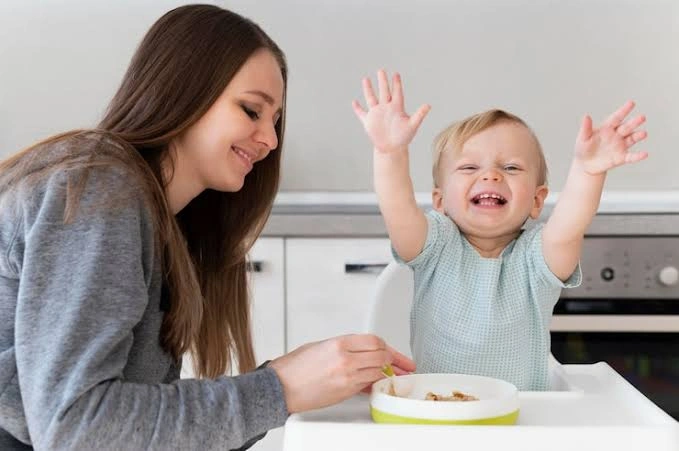
Eat together. Babies learn by watching. When I eat, my baby wants to eat too. I give her a spoon. She tries to copy me. Try different textures. Some babies like mashed. Some like finger foods. My baby refused mashed potato. But she ate potato fingers happily. Same food. Different shape. No screens during meals. Phones and tablets distract babies. They do not focus on eating. Mealtime is for food and family.
Choking and Gagging
I was so scared about choking. I read everything I could find. I learned the difference between gagging and choking. It helped me feel better.
Gagging is normal. When food goes too far back, baby gags. Makes a sound. Face turns red. Coughs or spits out food. This is a reflex. It protects them. When my baby gags, I stay calm. I let her work it out. Within seconds she spits or swallows.
Choking is different. Choking is silent. Baby cannot cough or make sound. Face turns blue. This is an emergency. You need to act fast. Learn back blows and chest thrusts for babies. Take a first aid class if possible.
Prevent choking by always watching baby during meals. Cut food safe sizes. Round foods like grapes cut lengthwise. Hard foods cooked until soft. No popcorn, nuts, or hard candies.
Constipation Problems
- When babies start solids, constipation can happen. My baby had hard stools sometimes. I learned some tricks.
- Give water with meals. Boiled and cooled water. Just small sips.
- Foods like pear, papaya, prune help. I give these when I see her straining.
- Reduce banana if stools are hard. Banana can cause constipation sometimes.
- Ghee in food helps. Acts like natural lubricant.
- Tummy massage helps too. Gently massage in circles. Leg exercises like cycling motion.
- If constipation lasts many days, talk to doctor.
Iron Every Day
Iron is very important for babies. At ten months, babies need iron every day. Their iron stores from birth are getting low.
Vegetarian sources - lentils, moong dal, masoor dal, toor dal. Leafy greens like spinach and methi. Ragi flour. Dates. Jaggery.
Non vegetarian sources - chicken, fish, egg yolk.
Vitamin C helps iron absorption. Iron from vegetarian food is not absorbed easily. So add vitamin C with iron meals. Squeeze lemon on dal. Give orange or mosambi after meal. Amla is also good. These help body take in iron properly.
Dealing with Mess
- Babies are messy eaters. I accepted this early. Saved me from frustration.
- I use large bib that covers her whole front. Catches most food.
- Plastic mat under high chair. After meal I pick it up and wash.
- Keep bowl of water and cloth nearby. Wipe hands and face after meal. I do not give full bath after each meal. Too much work.
- Do not worry about food on floor. It happens. Clean after she finishes..
You May Also Like: Baby Girl Names That Start With A
Watching for Allergies
When introducing new foods, watch for reactions.
Signs of allergy - rashes on skin, vomiting, diarrhoea, swelling around mouth or face, difficulty breathing. If you see any, stop food and 10 month baby feeding schedule.
Introduce allergenic foods carefully. Foods like eggs, peanuts, fish can cause allergies. But delaying them does not prevent allergies. Giving early can help prevent allergies.
When I introduced eggs, I gave small amount first. Waited two days to see reaction. No reaction. Then gave more.
Talk to paediatrician about allergenic foods. They know your baby's health history.
Quick Recipes
These are simple recipes I make often.
Ragi Porridge
Two spoons ragi flour. Mix with water to make smooth paste. Cook in milk or water until thick. Stir continuously. Add cardamom powder and little jaggery. Cool before feeding.
Vegetable Khichdi
Rice and moong dal in pressure cooker. Add chopped carrot, beans, bottle gourd. Cook until soft. Mash with spoon. Add ghee.
Dal Soup
Toor dal with tomato and carrot. Add turmeric and jeera. Cook until soft. Mash everything. Add water for soupy consistency.
Fruit Puree
Steam apple or pear. Blend with water or breast milk. No sugar needed. Fruit itself is sweet.
Egg Yolk Mash
Boil egg hard. Take yellow part. Mash with breast milk or formula. Serve warm.
FAQs
Can I give baby what we eat?
Yes. Take small portion before adding salt and spice. Mash or cut small. Good way to introduce tastes.
When to stop milk completely?
Not until after one year. Milk still gives calcium, protein, other nutrients. After one year reduce slowly but milk still matters.
Baby only wants milk, refuses solids?
Give milk after solids, not before. Offer solids when hungry. If still no, do not force. Try again next time.
Can I give biscuits or rusk?
Most commercial biscuits have too much sugar and salt. Avoid. Give soft vegetables or fruits instead. Or soft roti piece.
Night waking for milk?
Normal. If baby growing well and eating good solids, reduce night feeds slowly. But if baby needs, give it.
Conclusion
Feeding a ten month old is not about perfection. Some days they eat everything. Some days they eat nothing. Both are normal. Do not compare your baby to others. Each baby is different. My neighbour's baby eats full bowls. My baby eats half bowl. Both are healthy.
Trust your baby. They know how much they need. Your job is to offer good food at regular times. Their job is to decide how much to eat. Talk to paediatrician if concerned. They know your baby's health history. They can give specific advice.
Enjoy this time. Your baby is growing fast. This messy phase will not last forever. Soon they will eat with spoons and plates like big kids. For now, let them explore. Let them make mess. Let them learn.
Other Articles
Healthy Weight Gain For Underweight Child
50 Popular Gujarati Surnames Or Last Names With Meanings