


My kid screamed for water three times last night. Then he needed the toilet. Then he heard a noise. Then he forgot to tell me something important. This went on for two hours.
I am not alone in this. Most parents deal with this at some point. The numbers back that up. Studies show nearly three out of four young children have nighttime fears.
Here is what I have learned. And how to handle bedtime anxiety in kids.
What This Thing Actually Looks Like?

Bedtime anxiety is not just a kid being difficult. There is a real difference.
A kid who is stalling might ask for one glass of water. A kid with bedtime anxiety will ask for water, then cry, then shake, then beg you not to leave. Their little heart races. They break out in a sweat. Sometimes they throw up from the stress of it all.
You see the fear in their eyes. It is not an act.
Younger kids worry about monsters. The dark makes their imagination run wild. That shadow on the wall becomes a person. The house settling becomes footsteps.
Older kids worry differently. My friends seven year old lies awake stressing about burglars. Another friend's nine year old panics about dying in her sleep. These are real fears to them.
Some kids get physical symptoms. Stomach cramps. Headaches. Racing heartbeat. They cannot tell you they feel anxious. They just say their tummy hurts.
Read Also: Parenting Hacks For Working Parents
Why This Happens At Night?
The brain works differently when the lights go out. During the day, kids have distractions. School. Play. Screen time. Their minds stay busy. At night, all that busyness stops. The quiet lets worries creep in.
There is science behind this too. The dark triggers a part of the brain called the amygdala. That is the fear center. In children, this part develops faster than the thinking part of the brain. So they feel fear strongly but cannot reason it away easily. Life changes make it worse. New baby in the house. Starting kindergarten. Moving to a new town. Parents fighting more than usual. Any disruption can tip a child into bedtime fear.
My own kid got bad at bedtime right after his grandmother visited for two weeks. She left and suddenly he could not sleep alone. It made no sense to me at first. But the change itself was the trigger.
Why Your Current Approach Might Not Work?
Many parents try logic. I did this too. "There are no monsters under your bed. I checked." This does nothing. The kid knows there are no monsters. Their brain still sends fear signals anyway. Logic does not override that alarm system. Other parents try bribery. "If you stay in bed, you get a treat tomorrow."
This works maybe once. Then the kid stays in bed but lies there terrified in silence. The fear does not disappear. They just hide it to get the reward. Some parents give in completely. They lie down next to the kid every night. They wait until the kid falls asleep. Then they creep out like a spy. This works in the moment. But the kid never learns to self-soothe. You create a new problem.
A Better Way To Start The Evening
What you do before bed matters more than what you do at bed. The hour before sleep sets everything up. If that hour is chaotic, bedtime will be chaotic. If that hour is calm, bedtime has a chance.
Turn off screens at least sixty minutes before bed. The blue light from devices stops melatonin production. Melatonin is the hormone that makes you sleepy. Without it, the brain stays awake and alert.
But here is the part most articles skip. Do not just take the screen away and leave a void. That void becomes worry time. Replace the screen with something connecting.
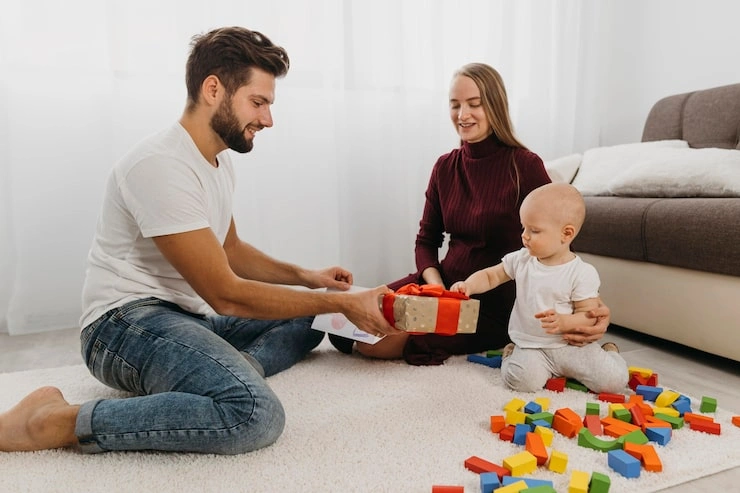
Sit on the floor with your kid. Let them talk about whatever. Not about bedtime fears. Just life. What happened at school. What their friend said. What made them laugh. This connection time matters more than you think. Kids who feel filled up with attention during the day resist bedtime less.
The Routine That Changed Our Nights
You do not need a fancy routine. You need a repeatable one.
Here is what we do. It is simple and boring. That is the point.
Bath. Not a long play bath. Ten minutes. Warm water. No toys that spray or make noise. Just soaking. Then into pajamas. Then straight to the bedroom. No stopping in the living room. No playing with siblings on the way. The transition from bath to bed needs to be direct. Then we read one book. Not three. Not five. One. Choose a calm book. Nothing exciting or scary. We read the same books over and over. The repetition is calming. The kid knows exactly what comes next.
Then lights dim. Not completely off if they are scared. A warm nightlight. Orange or amber color. Not blue or white. The warm light does not mess with sleep chemicals. Then cuddle. Two minutes. I hold him and he holds his stuffed rabbit. Then I tell him I am stepping out. I will check on him in five minutes.
Here is the important part. I actually check. I do not just say it and forget. He hears my footsteps in the hallway five minutes later. He knows I kept my word. That builds trust.
What To Do About The Fear Itself?
You cannot argue fear away. But you can meet it differently.
When your kid says they are scared, do not dismiss it. Do not say "be brave" or "stop being silly." Say "I hear you. That feels really scary right now." That is validation. It does not agree that monsters are real. It agrees that the feeling is real. Kids need to hear that.
Then give them a tool. Not a speech. A tool.
One tool is a worry box. Get a small box. Decorate it together. When your kid feels scared, they write the worry down on paper and put it in the box. Then close the lid. The worry stays in the box. The kid can be free.
Another tool is breathing. Not the complicated kind. Just breathe in for three counts. Out for three counts. Do this three times. The out-breath needs to be longer than the in-breath. That signals the nervous system to calm down. My kid uses a flashlight. We have a small one by his bed. He shines it around the room if he gets scared. He sees there is nothing there. Then he turns it off and sleeps. He controls the light. That control reduces the fear.
What I Did Wrong Before I Got It Right?
- I used to stay in the room until my kid fell asleep. Every night. For months.
- Then I read about gradual retreat. I wish I had known sooner.
- Gradual retreat is this. You start by sitting right next to the bed. You stay until the kid falls asleep. Do this for a week.
- Then you move your chair two feet away. You still stay until they sleep. Do this for another week.
- Then you move to the doorway. Still stay.
- Then you move to the hallway. They can see you. But you are not in the room.
- Then you say goodnight and leave completely.
- Each step takes several nights. Some kids need more time. My kid got stuck at the doorway for two weeks. That was fine. We moved forward when he was ready.
- This works because it is slow. The kid adjusts to each change. They never feel abandoned. They gradually build confidence.
You May Also Like: Parenting Tips To Improve Child Behavior
When The Fear Gets Worse Before It Gets Better?
Do not panic if things spike.
- Sometimes a kid who was doing fine suddenly backslides. This often happens after an illness or a vacation. The routine breaks and fear creeps back in.
- Start over. Go back to the step that worked. Sit next to the bed again if you have to. Move forward again when your kid is stable.
- This is not failure. This is normal. Kids move forward and backward. That is how to handle bedtime anxiety in kids.
When To Ask For Outside Help?

Most bedtime anxiety is manageable at home. But some cases need a professional.
Get help if your child cannot sleep for hours every single night. Get help if the fear spreads to daytime. If they refuse to play in their own room. If they cling to you during the day. If they stop wanting to go to friends houses or birthday parties.
Get help if your child has panic attacks. If they hyperventilate. If they tremble and cry uncontrollably at bedtime. If they talk about death or something bad happening to you.
Child psychologists are trained for this. They use something called cognitive behavioral therapy. It works well for childhood anxiety. They do not just talk. They give kids concrete tools. They practice those tools in the office until the kid can use them at home.
There is no shame in asking. I asked. It helped.
A Note For The Exhausted Parent
Parenting through bedtime anxiety is draining.
You have been working all day. You are tired. You want your evening. The kid fights sleep and your patience runs thin. Give yourself grace. You are not a bad parent because your kid struggles at night. Some kids have more sensitive nervous systems. That is not your fault.
Do what you can. Keep the routine as steady as possible. Be consistent. But also rest when you can. Trade off with your partner if you have one. Let a grandparent handle bedtime once a week if that is an option. This phase passes. It really does. My kid sleeps fine now. I never thought we would get there. But we did.
What To Expect Going Forward?
The fears will change as your child grows. A three year old fears monsters. A seven year old fears real world things. A ten year old fears embarrassment at school. The anxiety moves from one thing to another. The skills you teach now carry forward. A child who learns to soothe their anxiety at age five can use those same skills at age fifteen.
Keep your approach simple. Validate the feeling. Offer a tool. Stay consistent. Let your child move at their own pace. Some nights will be hard. Other nights will be surprisingly easy. Take the good nights as progress. Forget the bad nights. Tomorrow is another chance.
Conclusion
Every child is different. What works for my kid might not work for yours. Try things. Keep what sticks. Throw out what does not. Trust yourself. You know your child better than any article or expert. Bedtime anxiety is not permanent. It is a phase. A tough one. But a phase.
Other Articles
Parenting Tips For Toddlers At Home
50 Popular Gujarati Surnames Or Last Names With Meanings