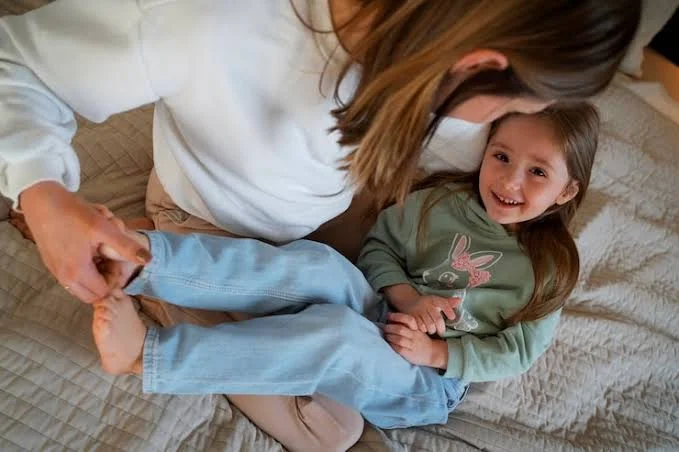


My neighbor's son is seven years old. Last week he threw his tiffin box on the floor because his mother packed aloo paratha instead of cheese sandwich. She felt embarrassed in front of the other parents. She started yelling. He started crying. The whole scene was messy.
This happens in every Indian home. We love our children. But sometimes they make us angry. Sometimes we make them angry. The parenting tips to improve child behavior.
I have seen this with my own two children. My daughter is nine now. My son is four. I have made every mistake possible. I have shouted. I have given threats. I have given in to tantrums. Nothing worked.
Then I started reading. I talked to elders. I talked to teachers. I tried different things. Some worked. Some failed badly. But slowly I learned what actually helps.
This article shares what I learned. These tips are not from fancy books. They are from real Indian homes. They work for middle-class families. They work for joint families. They work for working parents.
Why Your Child Acts Out?
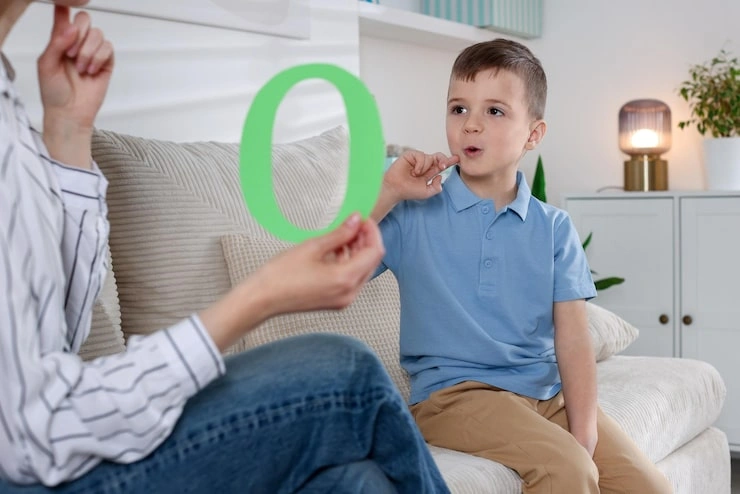
Before you fix anything, you need to understand why it is happening. Children do not misbehave for no reason.
My daughter used to cry every morning before school. I thought she was being difficult. Then I realized she was scared of her class teacher. She did not know how to tell me. So she cried. My son throws toys when he is hungry. He cannot say "I am hungry" properly. So he throws things.
Children have feelings. They just cannot express them well. They get tired. They get bored. They get overwhelmed. They act out because they have no other way. Sometimes they want your attention. Even negative attention feels good to them. Sometimes they want control. They want to say no because they feel powerless. Sometimes they just had a bad day. Like us. We have bad days. We snap at people. Children do the same. Understanding this changes everything. You stop taking it personally. You stop feeling attacked. You start feeling compassion.
Read Also: Parenting Tips For First Time Moms
Common Mistakes Parents Make
I made all these mistakes. You might be making them too. Do not feel bad. Just fix them.
Shouting
When my daughter would not listen, I shouted. Guess what happened? She started shouting back. Then we both were angry. Nothing got solved.
Shouting scares children. They stop listening to what you say. They only hear the loud voice. They learn that shouting is normal. They will shout at others too.
Giving Threats You Cannot Keep
I once told my son "if you do not eat your roti, no sweets for one year." He did not eat the roti. I could not keep my word. He learned that I make empty promises. He stopped taking me seriously.
Nagging
My mother-in-law tells my daughter twenty times to do homework. Twenty times. By the tenth time, my daughter has stopped hearing her. She just nods and does nothing.
Nagging does not work. It trains children to ignore you.
Changing Rules
One day I let my son watch TV before dinner. The next day I said no. He started crying. I got angry. But it was my fault. I confused him. Children need predictable rules. They feel safe when they know what to expect.
Only Seeing Bad Things
My daughter does many good things. She helps me in the kitchen. She plays with her brother. But I often only notice her mistakes. I point out her errors. I forget to appreciate her effort.
Children feel sad when only their mistakes are noticed. They stop trying to be good.
What You Can Start Doing Today?
Here are simple steps. Pick one or two. Start today. Do not try everything at once. That is too much.
Make Simple House Rules
- Sit with your child. Make three to five rules. Write them on a paper. Stick it on the wall.
- Rules should be positive. Instead of "do not hit," say "use gentle hands." Instead of "do not shout," say "use inside voice."
- Explain each rule. Make sure your child understands. Ask them to repeat it back.
Follow Through Every Time
This is hard. But it is important. If you say "no TV for the rest of the day," then no TV means no TV. Even if your child cries. Even if you feel guilty. One time I did not follow through. My son threw a big tantrum. He cried for an hour. I gave in. The next day he threw a bigger tantrum. Because he knew it works.
When you follow through once or twice, your child learns you mean what you say. They stop testing you so much.
Give Logical Consequences
- If your child spills water, they clean it up. If they break a toy, they cannot play with it for some time. If they fight over the remote, the TV goes off.
- The consequence should relate to what they did wrong. It should not be random. It should teach something.
- Do not punish them for accidents. If they spill something by mistake, just help them clean it. No need to get angry.
Give Small Choices
Children want some control. Give them control in small things.
- "Which plate do you want for dinner? The blue one or the green one?"
- "Do you want to take bath before or after dinner?"
- "Which shoes do you want to wear today?"
These small choices make your child feel important. They are less likely to fight you on big things.
Notice and Praise
- This changed everything for me. I started noticing when my daughter did something good. I said it out loud.
- "You helped your brother without being asked. That is so kind."
- "You finished your homework on time. I am proud of you."
- Praise should be specific. Say exactly what they did well. Do not just say "good job."
- My daughter now tries harder. She wants that praise. She wants me to notice her good parenting tips to improve child behavior.
You May Also Like: How To Improve Child Concentration Naturally
Spend Special Time
- My son used to act out when I was cooking. He would pull my saree. He would open cabinets. He would cry.
- I realized he wanted my attention. I started spending ten minutes with him before cooking. We played cars. We read a small book. He felt seen.
- Now he plays alone while I cook. That ten minutes made a big difference.
- Set aside time every day. Just fifteen minutes. No phone. No TV. No other people. Just you and your child. Let them choose what to do.
Show Good Behavior
I used to get angry at traffic. I used to say bad words. My daughter started doing the same. I realized she was copying me. I changed my behavior. I started staying calm in traffic. I spoke politely even when I was upset. My daughter watched me. Slowly she started copying the new behavior.
Children watch us more than they listen to us. If you want them to be kind, be kind. If you want them to be patient, be patient. If you want them to respect you, respect them.
Be Patient
I know this is hard. But change takes time. My daughter used to hit her brother every day. It took three months of consistent effort to reduce it. There are bad days. Some days everything goes wrong. That is okay. Tomorrow is a new day.
Do not expect perfection. Children are human. They will make mistakes. You will make mistakes. Forgive yourself. Forgive your child.
Rest When You Can
Parenting is tiring. Especially in India. We have so many responsibilities. Work. Home. Extended family. Society functions. If you are tired, you get angry faster. You say things you regret. You react poorly. Take breaks. Ask your husband to help. Ask your mother. Ask your sister. Take a nap. Read a book. Just sit quietly for ten minutes.
When you are rested, you are a better parent. This is not selfish. This is necessary.
Help Your Child Understand Feelings
Children have big feelings. They need help naming them. My son would cry without reason. I started saying "you are angry because you want that toy." Or "you are sad because your friend left." I taught him simple feeling words. Happy. Sad. Angry. Scared. Tired. Now he tells me how he feels. Sometimes he says "I am angry." That is better than throwing a toy.
Handling Common Problems

Tantrums
- Tantrums happen. Especially with small children. Stay calm. Do not give in. But do not yell either.
- Stay near your child. Let them know you are there. But do not engage in the tantrum. Let it pass. Then talk calmly. Use simple words.
Lying
- Children lie because they are scared. They do not want to get in trouble. Do not punish harshly. That makes them lie more.
- Instead say "I know you are scared to tell the truth. But lying makes things worse. Tell me what happened. We will fix it together."
Backtalk
- Older children talk back. It is annoying. But it is normal. They are figuring out who they are.
- Stay calm. Do not argue. Say "I understand you are upset. But we still need to speak respectfully." Then walk away. Give them space.
Not Listening
- If your child does not listen, check if they can hear you. Are they watching something? Are they playing?
- Go near them. Touch their shoulder. Look at their eyes. Then speak. Give warnings. "In five minutes we have to stop playing."
When To Ask For Help?
- Some children have more difficult behavior. They might need extra support.
- If your child hits a lot. If they hurt themselves. If they cannot sit still. If they have trouble in school.
- Talk to your family doctor. Talk to your child's teacher. They can guide you. Sometimes counseling helps. Do not feel ashamed.
- Getting help is a sign of a good parent. It shows you care.
Final Words
Parenting is not about being perfect. It is about showing up every day. It is about trying your best. My daughter still has bad days. My son still throws toys sometimes. But things are better. Much better. We talk more. We fight less. I understand them better. They understand me better. You can do this too. Start small. Pick one tip from this article. Try it for one week. See what happens. Then try another tip.
Be kind to yourself. Be kind to your child. This is how change happens. Slowly. Day by day. One small step at a time. You are a good parent. Your child is a good child. You both just need some help sometimes. That is normal. That is human. Keep trying. Do not give up. Your effort matters. Your love matters. That is what your child will remember. Not the rules. Not the consequences. Your love. Your patience. Your presence. That is what makes a difference. That is what changes behavior. Not harsh words. Not strict rules. Just love and understanding.
Other Articles

50 Popular Gujarati Surnames Or Last Names With Meanings