

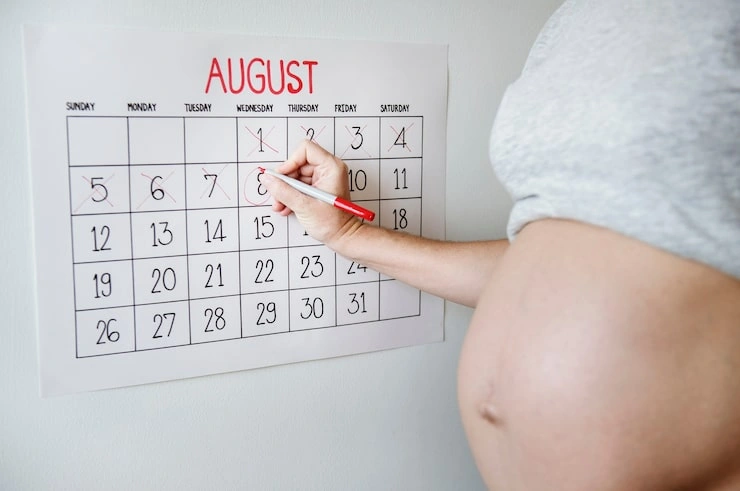
Are you expecting a baby and wondering how to figure out your due date? A pregnancy month calculator by week is a helpful tool that estimates when your baby will arrive. It works by using the first day of your last period or a date from an ultrasound. This tool gives you a clear timeline for your pregnancy. This helps you plan for doctor visits and baby growth checks. This guide will explain everything you need to know about these calculators.
What Is a Pregnancy Week Calculator by Due Date?
A pregnancy week calculator by due date is an online tool. It helps you find out your estimated due date. It also tells you how many weeks pregnant you are right now. The tool uses simple information you provide. It then gives you a clear picture of your pregnancy timeline. This is very helpful for expecting parents.
Why Knowing Your Due Date Matters?

Planning for Doctor Visits
Your due date helps you and your doctor plan important appointments. Many tests need to happen at certain weeks of pregnancy. For example, the glucose test for diabetes is done around week 24 to 28. The detailed anatomy scan is done around week 20. Knowing your due date makes sure you get these tests at the right time .
Tracking Baby’s Growth
Doctors use your due date to check if your baby is growing well. They measure the baby during ultrasounds. They compare these measurements to what is normal for that week. This helps them see if the baby is the right size .
Preparing for Birth
Your due date gives you a target to get ready. You can plan for your maternity leave from work. You can prepare the baby's nursery and pack your hospital bag. It helps you feel more ready for the big day.
How Does a Pregnancy Week Calculator Work?
A pregnancy calculator works by using a standard medical rule. It assumes a pregnancy lasts about 40 weeks or 280 days. This timeline starts from the first day of your last menstrual period. The calculator takes your information and counts forward from that date . This gives you a good estimate of when your baby will be born.
Different Ways to Calculate Your Due Date
Last Menstrual Period
The most common way to calculate your due date is using your LMP. This is the first day of your last period. To find your due date, you add 280 days to that date. This is also called Naegele's rule. It works best if you have a regular 28-day cycle . Here is an example:
First day of LMP: January 1, 2026
Estimated due date: October 8, 2026
Ultrasound Scan
An ultrasound is a very accurate way to find your due date. This is especially true in the first three months of pregnancy. The ultrasound technician measures the baby from head to bottom. This is called the crown-rump length. This measurement is compared to a chart. It gives a very good estimate of the baby's age and your due date .
IVF Transfer Date
If you got pregnant through IVF, your due date is based on your embryo transfer date. The calculator takes the transfer date and adds 266 days. It also adds the age of the embryo. For example, a 5-day-old embryo gets 261 days added .
Conception Date
If you know the exact date you think you conceived, you can use that date. You add 266 days to the conception date. This gives you an estimated due date. This is because conception happens about two weeks after your accurate due date calculator.
Key Dates in Your Pregnancy Timeline
Knowing your due date helps you understand your pregnancy week by week. Here are some important milestones:
Weeks 1-2: Your body prepares for ovulation. Your uterus lining thickens .
Week 3: Fertilization happens. The sperm meets the egg. The egg becomes a tiny ball of cells .
Week 4: The embryo implants in your uterus. The placenta starts to grow. This is when you might get a positive pregnancy test .
Week 5: The baby's heart starts to beat. The brain and spinal cord start to form .
Week 6: The baby's heart may be seen on an ultrasound. The nose, mouth, and ears are forming .
Week 8: All the baby's major organs are developing. The embryo is now called a fetus .
Week 12: The risk of miscarriage goes down. The baby's kidneys are working and making urine .
Week 20: You might feel your baby moving. This is called quickening. A detailed ultrasound can check the baby's body parts .
Week 24: The baby's lungs are making surfactant. This helps the lungs expand. The baby could survive outside the womb with medical help .
Week 28: This is the start of the third trimester. The baby's brain is growing quickly. The baby can open and close its eyes .
Week 37: The baby is considered early-term. The baby is almost ready to be born .
Week 40: This is the full-term due date. Only about 4% of babies are born on their exact due date .
How to Use a Pregnancy Week Calculator
Using a pregnancy week calculator is very easy. Here is a simple step-by-step guide:
1. Enter Your Last Period Date
Find the date of the first day of your last menstrual period. This is the most common way to use the calculator. Type this date into the calculator .
2. Enter Your Cycle Length
Most calculators assume a 28-day cycle. If your cycle is shorter or longer, you can change this number. This makes the estimate more accurate for you .
3. Click Calculate
After you enter your information, click the calculate button. The tool will instantly show your estimated due date. It will also tell you how many weeks pregnant you are now .
Frequently Asked Questions About Pregnancy Calculators
How accurate is a pregnancy due date calculator?
The calculator gives a good estimate. It is most accurate if you have a regular 28-day cycle and you know your LMP date. However, only about 4 out of 100 women give birth on their exact due date. Your baby might come a little early or a little late. This is completely normal .
How many weeks is a full-term pregnancy?
A full-term pregnancy is between 39 weeks and 40 weeks and 6 days. This is the ideal time for birth. Your baby's lungs and brain are fully developed. Babies born before 37 weeks are considered premature .
What if I don't know my last period date?
If you don't know your LMP date, don't worry. Your doctor can use an early ultrasound to find your due date. The first trimester ultrasound is very accurate. The doctor will measure your baby and estimate the due date from that measurement .
Why is my due date different from what the doctor said?
It is possible for your due date to change. This often happens after your first ultrasound. If the ultrasound shows a different date, the doctor may change your due date. This is common when the LMP date is uncertain or your cycle is irregular .
Why Some Calculators Show Different Results?
Menstrual Cycle Variations
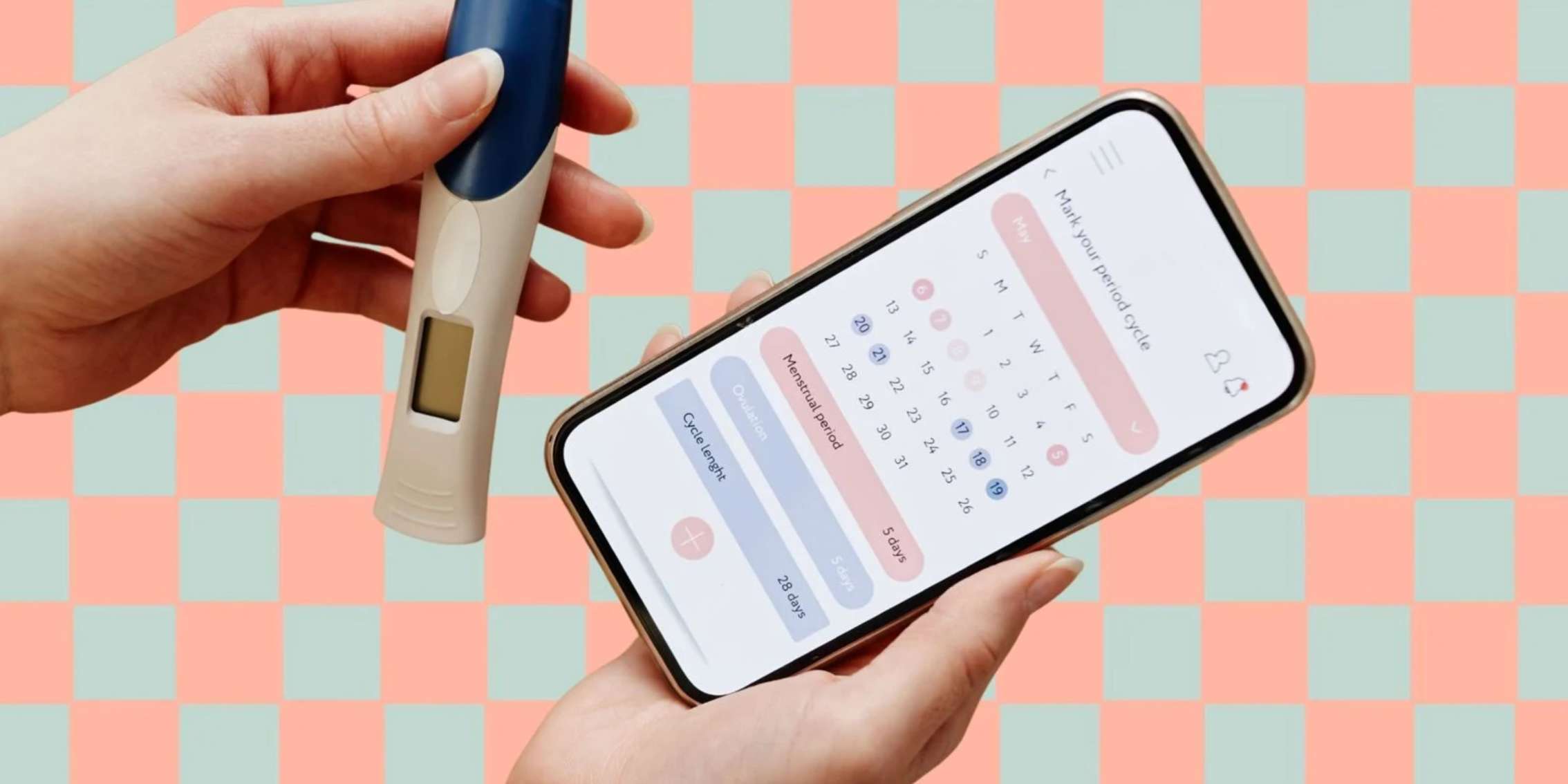
The standard calculation assumes a 28-day cycle. But not everyone has a 28-day cycle. If your cycle is 35 days, your due date might be different. Some calculators let you enter your cycle length. This gives you a more personalized estimate .
Ultrasound Adjustments
An early ultrasound is more accurate than a calculator. If your LMP date and your ultrasound date are more than a week apart, your doctor will likely use the ultrasound date. The ultrasound date is considered more accurate, especially in the first trimester .
Human Error
Sometimes people enter the wrong date. This can change the result. Always double-check the date you enter. Make sure you are entering the first day of your last period, not the last day.
Important Information About Your Due Date
The Due Date is an Estimate
It is very important to remember that your due date is an estimate. Your baby will come when it is ready. It is normal for a baby to be born two weeks before or two weeks after the due date. Many women go past their due date, especially with a first baby .
Only 4% of Babies Are Born on Their Due Date
It might surprise you, but only about 4 out of every 100 babies are born on their exact due date. This means that most babies are born on another day. So, do not be worried if your baby doesn't come on the exact day .
What Happens if I Go Past My Due Date?
If you go past your due date, your doctor will monitor you more closely. They will do tests to check your baby's health. They might talk to you about inducing labor. This means starting labor with medicine. This is usually done if you are one or two weeks past your due date .
Tips for Using a Pregnancy Calculator
Use a Reliable Tool
Choose a calculator from a trusted source. Look for calculators from hospitals, medical websites, or well-known parenting sites. These tools are more likely to use the correct medical formulas .
Have Your Dates Ready
Before you start, find the first day of your last period. Write this date down. This will make using the calculator quick and easy. If you know your cycle length, have that number ready too.
Understand Your Results
The calculator will show your due date. It will also show how many weeks pregnant you are. This will be displayed as weeks and days, such as "20 weeks and 3 days." This tells you exactly how far along you are.
Talk to Your Doctor
Always talk to your doctor about your due date. Your doctor will confirm the date at your first prenatal visit. They will use your LMP and an early ultrasound. They can answer any questions you have about your pregnancy timeline.
The Importance of Early Ultrasound
An early ultrasound is a very important part of pregnancy care. It is usually done between 8 and 13 weeks. This ultrasound helps to confirm your due date. It is the most accurate way to date a pregnancy. It can also check for a heartbeat and see if you are carrying twins .
How Ultrasounds Work
During an ultrasound, the technician puts a special gel on your belly. They move a small device over the gel. This device uses sound waves to create a picture of your baby on a screen. The technician will measure your baby. The most common measurement is the crown-rump length. This is the length from the top of the baby's head to the baby's bottom .
Pregnancy Trimesters and Their Timelines
First Trimester: Weeks 1 to 13
The first trimester is a time of big changes. Your baby's organs are starting to form. You might feel very tired and have morning sickness. The baby is very small. By week 12, the baby is about the size of a plum . This is a very important time for your baby's development.
Second Trimester: Weeks 14 to 27
Many women feel better in the second trimester. Your energy might come back. You might feel your baby move for the first time. The baby grows a lot. By week 20, the baby is about the size of a small banana. By week 27, the baby is about the size of a cauliflower .
Third Trimester: Weeks 28 to 40
The third trimester is the final stretch. Your baby grows very quickly. You might feel more uncomfortable. The baby is getting ready for birth. By week 40, the baby is about the size of a small watermelon. The baby's lungs and brain are fully developed .
What to Do After You Get Your Due Date
Schedule Your Prenatal Care
Once you know your due date, schedule your first prenatal appointment. This should be around 8 to 10 weeks of pregnancy. Your doctor will start your prenatal care and track your baby's growth. Regular visits are important for a healthy pregnancy .
Start Planning Your Maternity Leave
Use your due date to plan your maternity leave. This is important for your job. You can talk to your employer about your leave. You can also plan for your partner's paternity leave if they have one.
Prepare for Your Baby's Arrival
Your due date is a target for getting things ready. This is the time to set up the baby's nursery. You can buy baby clothes, a crib, and other things you need. You can also pack your hospital bag. It is a good idea to do this a few weeks before your due date.
Talk to Your Partner and Family
Share your due date with your partner and family. This helps everyone plan and prepare. It is an exciting time for everyone. Your family can also help plan for support after the baby is born.
Conclusion
A pregnancy week calculator by due date is a valuable tool for expecting parents. It gives you a timeline for your pregnancy. This helps you plan for doctor's visits, baby growth, and birth. While it is not 100% exact, it gives you a good estimate of when your baby might arrive. Remember, only a small number of babies are born on their exact due date. Your baby will come when it is ready. Use the calculator as a helpful guide. Always talk to your doctor about your due date and your pregnancy journey. They are your best resource for a healthy and happy pregnancy.
Other Articles

Baby Girl Names That Start With A
50 Popular Gujarati Surnames Or Last Names With Meanings