

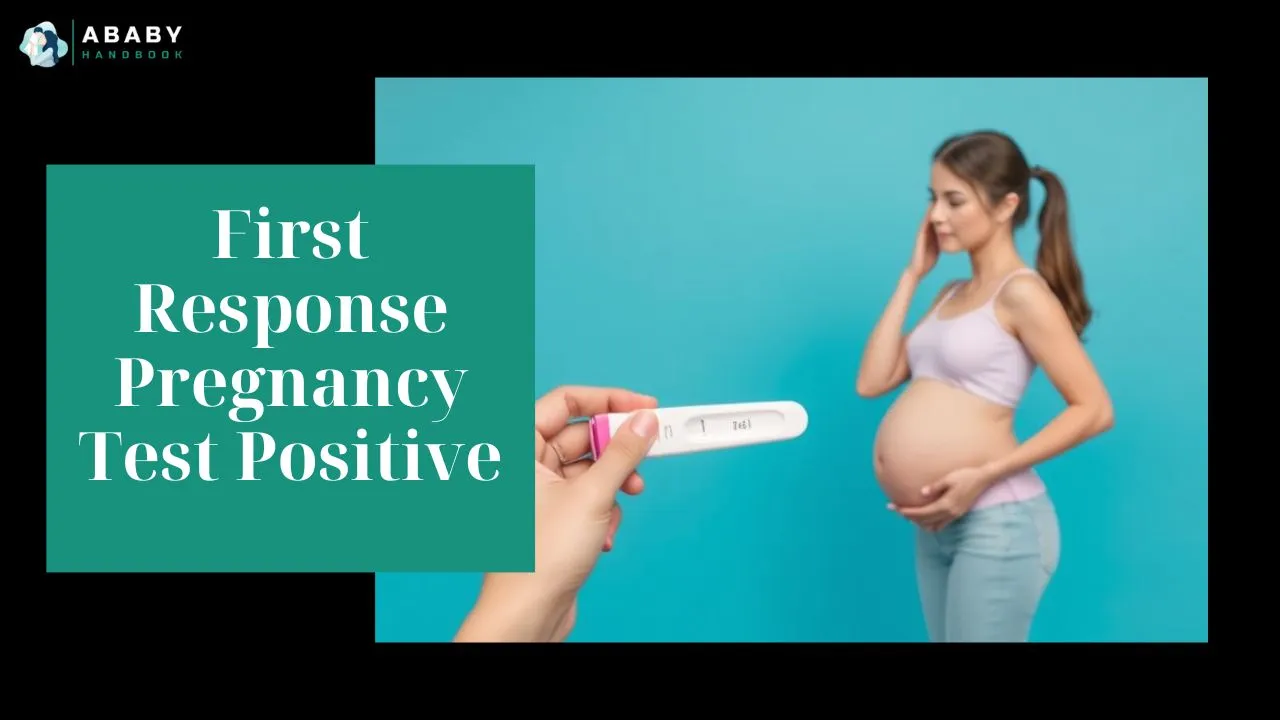
Synopsis: If you get the First Response Pregnancy Test positive it means that the pregnancy hormone hCG has been identified, which implies pregnancy with the expected accuracy of over 99 percent of the period of pregnancy. In case fainting is the first response, then retests or doctor consultation should be done. Results should always be read in due time so that there is no confusion and the results will be interpreted correctly.
When the result of the pregnancy test positive it is an indication that the pregnancy hormone hcg has been detected in your urine. This is a good indication of pregnancy. It is said that the First Response pregnancy test has a 99% accuracy when performed on or after your day in the expected period. In case you get a positive, it means that you are pregnant, though it is best to confirm with the doctor. The paper will discuss the accuracy of the test, the meaning of the small positive pregnancy test First Response, the effects of preventing false positives, and the next step in terms that a layman can easily grasp.
Read Also: Negative Pregnancy Test 12 Dpo
How Accurate Is the First Response Pregnancy Test?
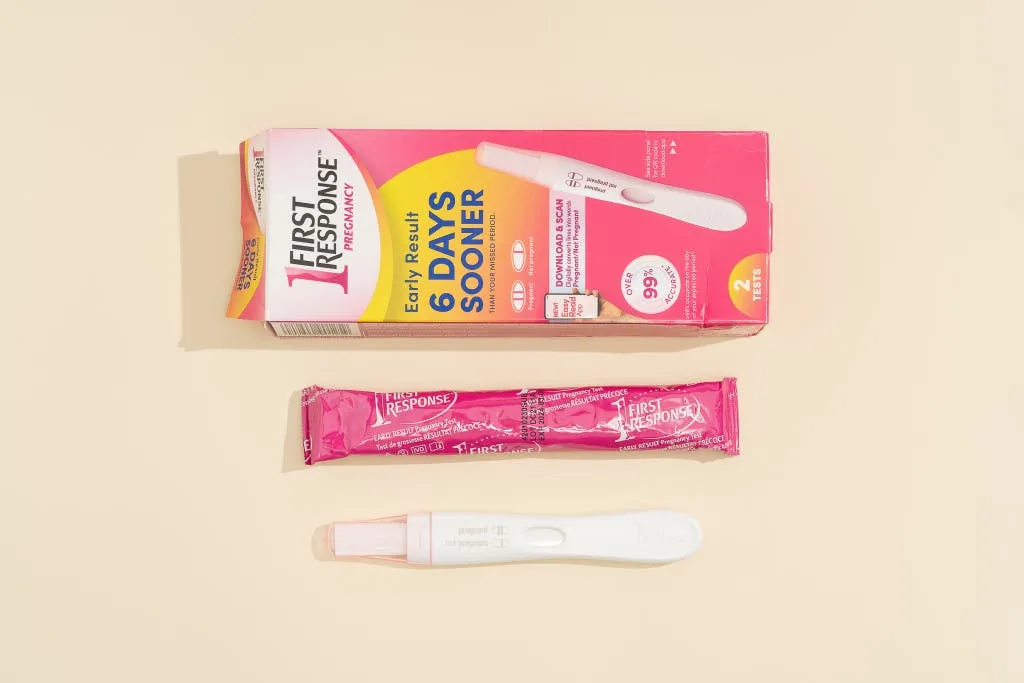
Pregnancy test one of the most reliable tests to determine whether one is pregnant at an early age is the First Response pregnancy test. It has been demonstrated that it is right over 99 percent of the time when you do it on the day your period is due.
This is a test that is searching for a special pregnancy hormone known as hCG which is present in the urine, post-fertilization of the egg with the uterus. In other cases, the test may even be able to confirm your pregnancy up to 6 days before you miss your menstrual period but this may not always be the case and also the result can be inaccurate as well. The later you are to your anticipated period day the more reliable will be the outcome.
What Does a First Response Pregnancy Test Positive Look Like?
When rightly used with the First Response test, you do check the result window in 3 minutes. One pink or blue line indicates that it is not pregnant. A second line, however slight, indicates positive - pregnant. This latter line is sometimes faint, and results in confusion.
Faint Positive Pregnancy Test First Response
A faint positive sign normally indicates that you are pregnant and your urine has low levels of hCG. There is no need to worry whether the line is pale or not and the line is positive. This is due to the fact that during early pregnancy the levels of hcg increase at an average of every few days.
Nevertheless, a follow up test a few days later or your doctor should always confirm the faint positive. This is to eliminate errors or premature loss of pregnancy.
Can You Get a False Positive First Response Pregnancy Test?
The probability of false positives on First Response pregnancy tests is low. False positives may be because:
- Chemical pregnancy: in this case, an egg begins to implant, but ceases to grow, leaving hCG temporarily behind.
- Pregnancy loss or miscarriage in the recent past.
- Some drugs, in particular fertility drugs that include hCG.
- Errors of the user such as reading the test past the recommended time can give evaporation lines that appear in a faint positive but not actual results.
In case you believe that you have a false positive, then call your health care provider and get blood tests and confirmation.
Difference Between Evaporation Line vs Positive Result
It can be seen that the distinction between a real positive and an evaporation line can be useful to avoid confusion:
- A positive line is observed during the specific time (typically 3-5 minutes) and is stained (pink or blue).
- After the time limit, an evaporation line appears and appears to be either colorless or grayish. It is brought about by drying of urine in the test strip, and is not an indicator of pregnancy.
When using the test, it is always important to read the test directions and interpret the outcome within the stipulated time in order to prevent misinterpretation.
What Are First Response Positive Pregnancy Tests Next Steps?
In case of a First Response pregnancy test positive, congratulations! Here’s what to do next:
- Diagnose your pregnancy: Book an appointment with your physician or other medical practitioner. They can request a blood test to determine pregnancy and approximate the level of pregnancy.
- Start parental care early: Healthy prenatal care during the first weeks helps your baby to develop healthily. Vitamins, diet, and lifestyle will be prescribed by your doctor.
- Eliminate the toxic substances: Avoid alcohol, smoke and some drugs that may damage the baby.
Get ready mentally and emotionally: This is a tremendous change of life in pregnancy. Contact family and friends to help you.
Why Choose First Response Test for Early Detection?
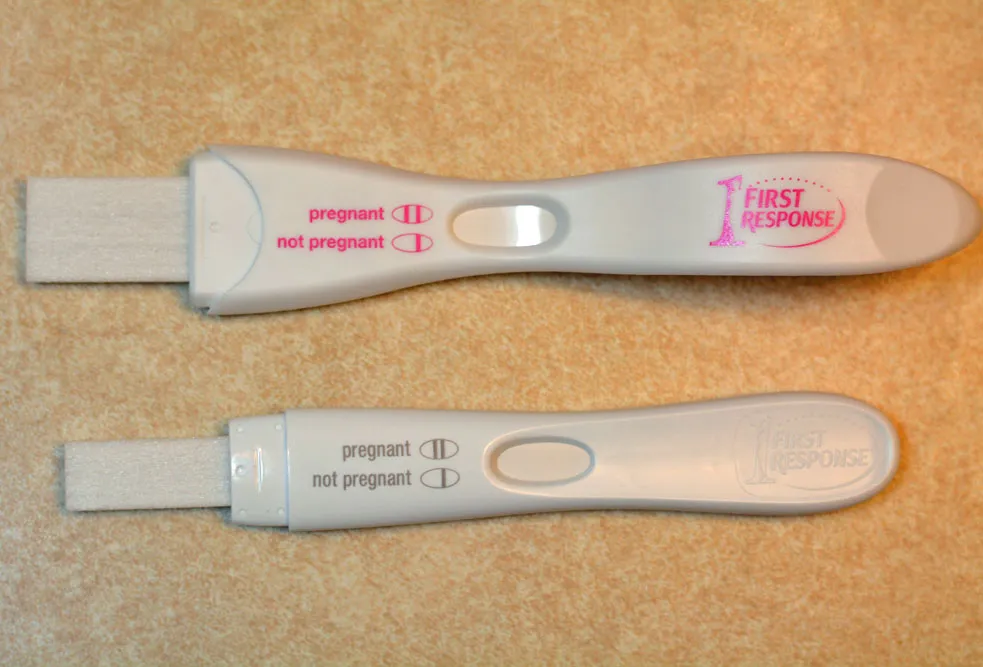
First Response is one of the early-detection pregnancy tests that is renowned by virtue of its ability to detect pregnancy hormones at an earlier stage compared to other brands. It delivers the results within a short time (3 minutes) and is easy to do at home.
The results of the test in terms of accuracy and easy reading assist women to discover within the shortest time, whether they are pregnant or not. The significance of an early diagnosis is so that earlier healthcare and planning can be made which is feasible in a healthy pregnancy.
You May Also Like: Difference Between Single and Twin Pregnancy Symptoms
Summary Table: Key Points About First Response Pregnancy Test Positive
|
Topic |
Information |
|
Accuracy |
>99% accurate from day of expected period |
|
Detection Time |
Can detect hCG as early as 6 days before missed period with increasing accuracy closer to period |
|
Positive Result Appearance |
Two lines (even faint second line) within 3-5 minutes |
|
Faint Positive Meaning |
Early pregnancy with low hCG; follow up for confirmation |
|
False Positive Causes |
Chemical pregnancy, fertility drugs, reading after time limit |
|
Evaporation Line Difference |
Colorless line appearing after time limit, not a true positive |
|
Next Steps After Positive |
Confirm with doctor, start prenatal care, avoid harmful substances |
Final Thoughts
If you get a first response pregnancy test positive it is a good early sign of pregnancy. The reason the test is a reliable option is due to the fact that it can identify low levels of hcg before your missed period. Make sure to always read the instructions, use early detection pregnancy test brands, and meet with your medical professional so that you can have a healthy pregnancy process. The simple and easy to understand test provides peace of mind and aids in early planning. It does not matter how bold or faint your line is, a positive First Response test is the indicator that it is time to proceed with the next step of thoughtfulness.
FAQs
How quickly can a pregnancy be detected by First Response?
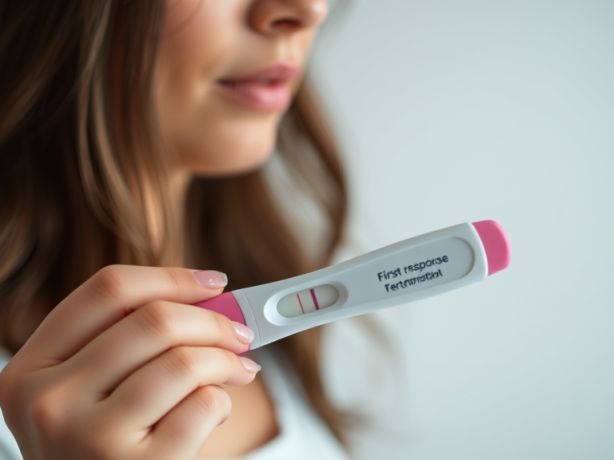
As part of the package comes one Early Result Pregnancy Test, which is our top-selling pregnancy test and may notify a patient six days before her missed period.
What is the false-positive accuracy of the First Response pregnancy test?
The accuracy of home pregnancy tests can reach 99%. They could, however, occasionally result in a false-positive test. Some drugs, past miscarriages and abortions, and improper test use might cause a false-positive pregnancy test result. A positive pregnancy test should always prompt a visit to the First Response Pregnancy Test Positive.
What happens if the t line is bright and the c line is dark?
Even if the second line is lighter than the control line, it is still regarded as a positive result when doing a pregnancy test. Actually, the test line is frequently lighter than the control line. Your pee may also be diluted if the first line is lighter.
What are the signs of a positive First Response pregnancy test?
A positive result is shown even if the test line is only slightly pink. To put it simply, you should consult your doctor to confirm a pregnancy if there is color on the false positive first response pregnancy test positive.
In how many days may a pregnancy be confirmed?
When may a pregnancy test be performed? Most pregnancy tests may be performed as early as the first day of a missing menstruation. Do the test at least 21 days after your last unprotected intercourse if you are unsure of when your next period is due. Before you miss your period, you can utilize several extremely sensitive faint positive pregnancy test first response.
Other Articles

Understanding the Kyte Baby Sleep Bag Walker Size Chart
50 Popular Gujarati Surnames Or Last Names With Meanings