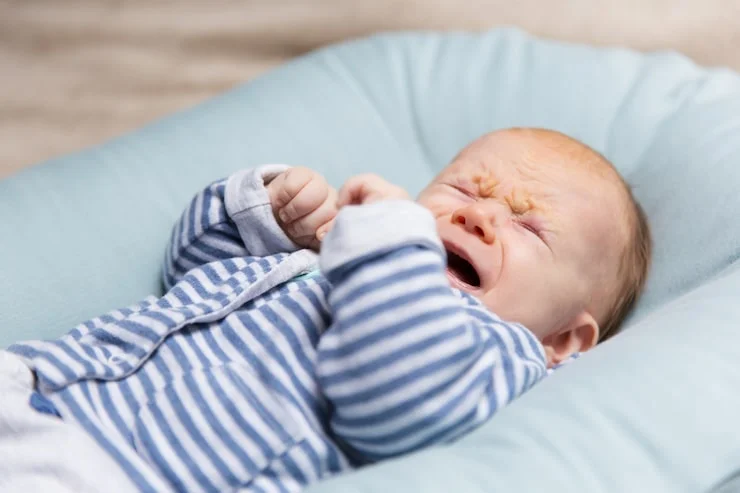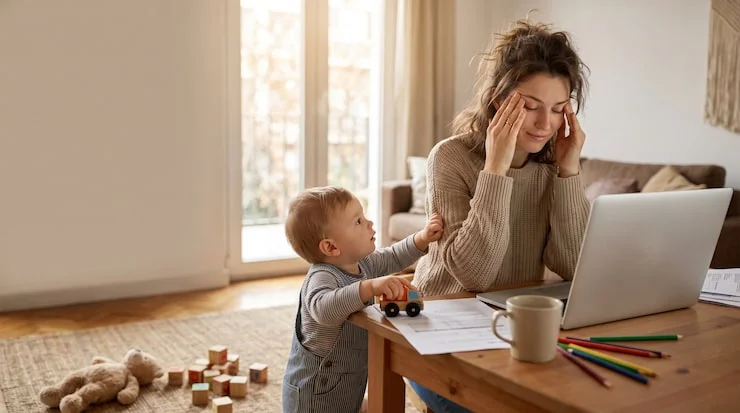


Parenting a preschooler can feel like a daily test of patience. One moment they are sweet and loving. The next moment they are on the floor because you cut their toast into squares instead of triangles . This is not a sign of bad parenting. This is a sign of a young child learning how to handle big feelings.
Discipline is often misunderstood. Many parents think it means punishment. But discipline really means teaching . For a preschooler, the goal is not to make them feel bad. The goal is to help them learn self-control. We want to help them learn how to manage their feelings and positive discipline strategies for preschoolers .
This article will guide you through positive discipline strategies. These are methods that teach rather than punish. They are based on research and practical experience . You will find real-life examples and scripts to use during tough moments.
What is Positive Discipline?

Positive discipline is not about being soft or letting your child do whatever they want . It is about setting firm limits without using shame or fear . It means the boundary stays firm while the adult stays calm .
When a child misbehaves, it is often because they lack the skills to handle the situation. They might be tired, hungry, or overwhelmed. Positive discipline looks at the reason behind the behavior. It teaches the child what to do instead .
This approach works best when there is a strong connection. A child who feels understood is more willing to cooperate . First comes connection. Then comes correction.
Read Also: Parenting Tips For Highly Sensitive Child
Why Preschoolers Act the Way They Do?
Preschoolers are at a unique stage. They want to be independent, but they still need a lot of support . They can say, "I do it myself," but then cry when they cannot get their shoe on. They have strong opinions but very little patience.
Their brains are still growing. The part of the brain that controls impulses is not fully developed yet. This is why transitions are so hard. This is why they melt down when they are tired or hungry .
Understanding this does not excuse bad behavior. But it gives you useful information. If your child has a meltdown every day at 5 p.m., the answer may not be a harsher punishment. The answer may be adjusting the routine before the meltdown starts .
Building a Strong Foundation
Positive discipline starts long before the misbehavior happens. You can set your child up for success by creating a good environment and building a strong relationship.
Create a Safe and Predictable Environment
Children feel more secure when they know what to expect. You can create a space that encourages good behavior. Make sure items that are off-limits are out of sight and out of reach. This reduces the number of times you have to say "no" .
The physical environment should be safe and engaging. Group similar activities together . Have a reading nook with pillows and books. Keep art supplies and building blocks within easy reach. This sends a clear message that learning and play are valued .
Establish Clear and Simple Rules
Preschoolers need to know the rules. But they cannot understand complicated explanations. Keep the rules simple and clear.
Instead of saying, "Be good," say, "Walking feet inside" . Instead of saying, "Don't touch that," say, "We use gentle hands when we play with toys" .
Be specific. Tell your child what you want them to do, not just what to avoid. For example, say, "Please sit on the furniture and put your feet on the floor," instead of, "Don't jump on the couch" .
Use Praise to Encourage Good Behavior
Do not wait for bad behavior to give your child attention. Catch them being good. Praise is a powerful tool .
When you praise your child, be specific. Instead of saying, "Good girl," say, "You put your shoes by the door the first time I asked. That was so helpful!" . This tells your child exactly what they did right. It makes them more likely to do it again.
A good rule of thumb is to give five positive comments for every one correction .
Positive Discipline Techniques for Everyday Challenges
Here are the key strategies you can use when your child misbehaves.
Use Natural and Logical Consequences
Consequences work best when they are directly linked to the behavior . The goal is not to make the child suffer. The goal is to help them learn cause and effect.
If your child throws their crayons, put the crayons away for now . If they splash water on the floor during bath time after a warning, bath time ends . This is a logical consequence. The behavior and the result are clearly connected.
You can also use natural consequences. If a child refuses to wear a coat, they will feel cold. You do not need to lecture them. Just say, "It is cold outside. I put your coat in the bag if you change your mind." This teaches responsibility without a power struggle .
Redirect Misbehavior
Sometimes the best response is to redirect your child to a different activity . This works well for younger preschoolers.
If your child is throwing toys, say, "Blocks are for building. Let's build a tower!" . This gives them a clear and positive instruction.
Distraction can also be a great tool. If your toddler is heading toward something they should not touch, calmly say "No" and redirect their attention to a different toy .
Offer Choices within Limits
Giving choices helps preschoolers feel a sense of control. But the choices must be limited. Do not offer a choice for activities that are not optional, like taking a bath or putting on a coat .
Instead of saying, "Do you want to get dressed?" say, "It is time to get dressed. Do you want to wear the red shirt or the blue shirt?" . Both choices lead to the same outcome, but your child feels empowered.
Validate Feelings without Giving In
Acknowledge your child's feelings. Let them know you understand. But this does not mean you have to change your answer .
You can say, "You are upset because you wanted the red cup. I understand. The blue cup is what we have right now." This helps your child feel seen, but it also holds the boundary. You are not handing decision-making back to them when the answer is no .
Teach Problem-Solving Skills
When your child makes a mistake, guide them to find a solution . Ask open-ended questions.
Instead of scolding a child for spilling paint, say, "Oops, looks like we have a mess. Let's get some rags and clean this up together" . This teaches responsibility. It shows them that mistakes can be fixed.
You can also ask, "What do you think you can do next time?" This helps them reflect on their actions and learn better strategies for the positive discipline strategies for preschoolers.
You May Also Like: How To Improve Child Concentration Naturally
Time-Out or Time-In?
Time-out is a common discipline strategy. But it can mean different things to different families. Used as isolation or a threat, it often backfires . Used as a calm break with adult support, it can help some children reset .
For a preschooler, a "time-in" often works better. Stay nearby and keep the environment calm. Help your child calm down without turning it into a battle. Some children need closeness. Others need more space. It depends on their personality and how upset they are .
If you do use a time-out, the rule of thumb is one minute for each year of age . A three-year-old gets a three-minute time-out. The spot should be free of distractions .
Remember that time-out is for calming down, not for punishment. If your child is too upset to talk, first help them calm down. You can teach the lesson later .
What to Say in Common Situations?
It helps to have specific words ready for common flashpoints .
For Hitting or Kicking
"I won't let you hit. I am moving you back. You are angry. You can stamp your feet or squeeze this cushion instead" .
For Refusing to Leave the Park
"You don't want to go. It is hard to stop when you are having fun. We are leaving now. Do you want to hop to the gate or hold my hand?" .
For Throwing Food
"Food stays on the table. If you throw it again, lunch is finished" . Then follow through calmly if it happens again.
For Bedtime Stalling
"It is hard to stop playing. First pajamas, then two stories" . Preschoolers cope better when they know what comes next.
For Public Meltdowns
"You are upset. I am here. We are going somewhere quiet" . You do not need to negotiate with a screaming child in the middle of a store.
The Importance of Routines
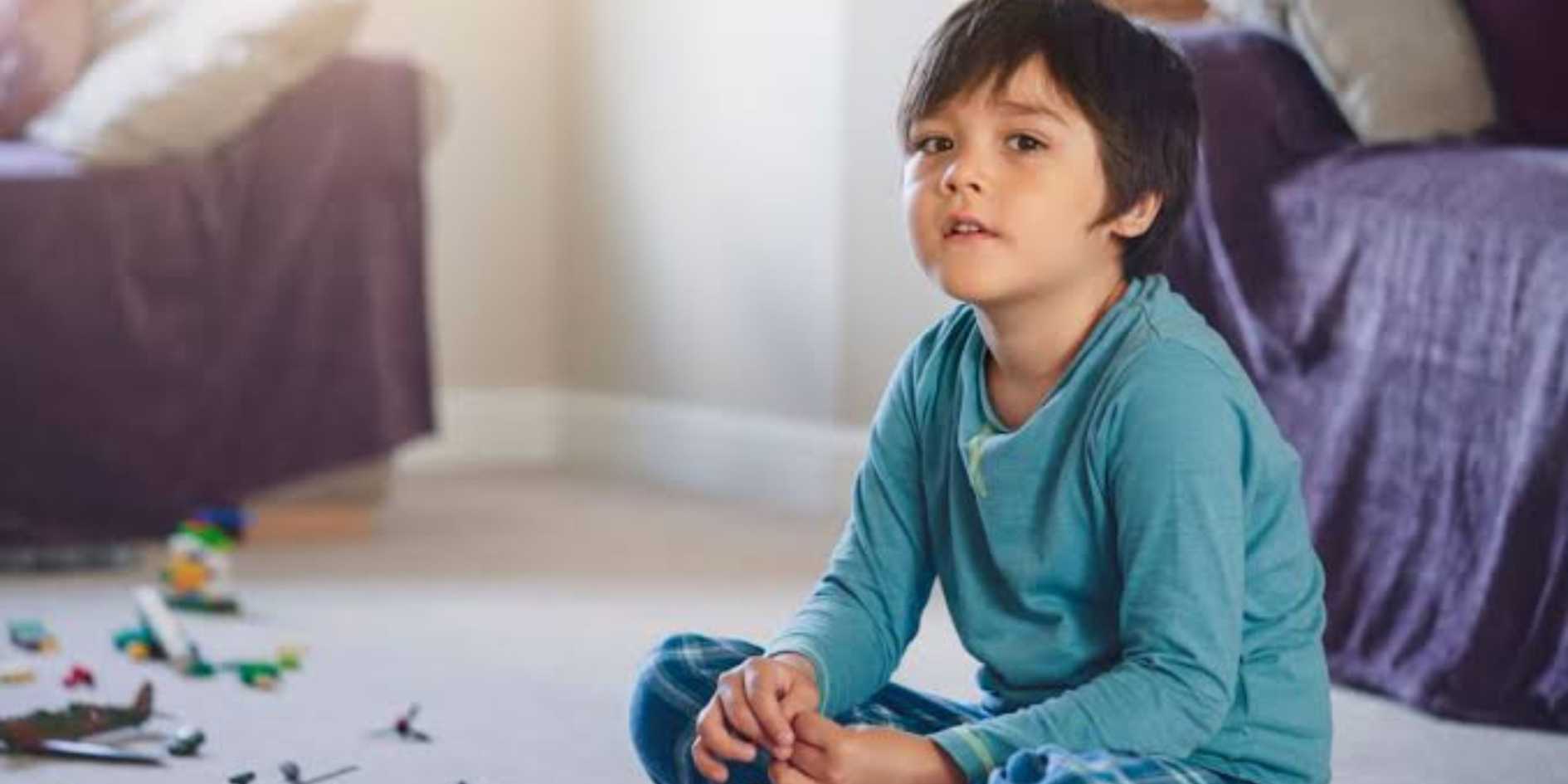
Much of discipline happens before the behavior starts. Predictable routines reduce friction. Children feel secure when they know what is coming next .
Morning routines, snack timing, and bedtime order all help. Use transition warnings. Say, "Five more minutes until we leave for school." This gives your child time to prepare for the change.
Visual cues are also helpful. A simple picture chart showing the steps for getting dressed can lower resistance. It gives your child a reference point that is not just you repeating yourself .
Staying Consistent and Modeling Good Behavior
Consistency is the key to effective discipline . If you give in sometimes, your child learns that misbehavior works. They will push harder to see if you will give in again.
Talk with your partner or other caregivers. Make sure you agree on the rules and consequences. Everyone should be on the same page .
Do not forget that children learn by watching you. If you yell, you teach your child to yell. If you throw things, you teach them to throw things. Model the behavior you want to see .
What to Do When You Lose Your Patience?
You will lose your patience. Every parent does . What matters is what you do next.
A simple repair goes a long way. You can say, "I shouted earlier. I was frustrated. Shouting was not helpful. Let's try again" . This models accountability. It shows your child that adults make mistakes too, but they can fix them.
Do not let one bad moment derail your whole day. Just start fresh.
When to Ask for Help?
Some behavior requires more support than a few new strategies. If your child's aggression is frequent and intense, or if they seem unable to recover from frustration, it may be worth speaking with a doctor .
Also, if your own stress level is so high that you are shouting daily or feeling frightened by your child's behavior, that matters too. Parenting support is not a last resort. Sometimes the most practical step is getting help .
Conclusion
Positive discipline is not about being a perfect parent. It is about a consistent pattern of teaching. You will have hard moments. But if you can lower the volume, hold the line, and keep showing your child what to do instead, you are already doing the real work .
Other Articles

Due Date Calculator For Twin Pregnancy
50 Popular Gujarati Surnames Or Last Names With Meanings