


School with ADHD feels like herding cats sometimes. My nephew was that kid—smart as a whip but couldn't sit for a spelling bee without twitching. Parents everywhere deal with this daily grind. Good news: smart moves at home and school turn chaos into confidence. I've gathered tips that worked for us, from teacher talks to wiggle breaks. No magic pills, just real steps. Stick around; you'll leave with a playbook to ease the struggle.
Understand ADHD and Its School Impact
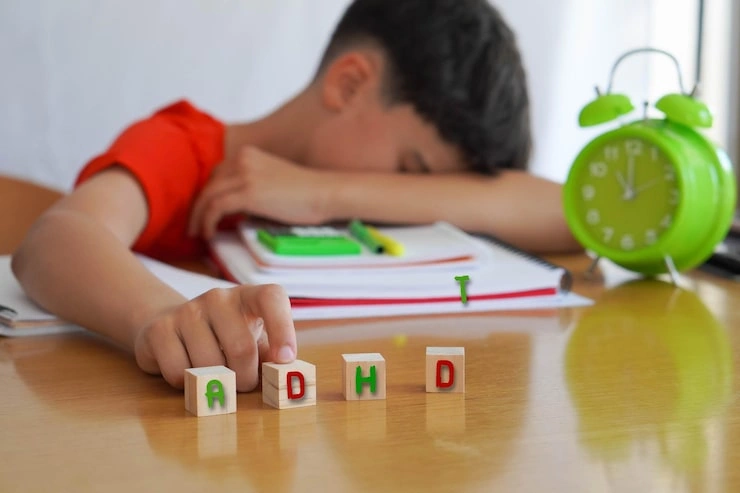
ADHD rewires attention, making school a minefield. Kids bounce between hyperfocus on fun stuff and total blank-outs on worksheets. Imagine starting a science project full steam, then chasing a fly mid-way. Homework vanishes, friends get frustrated from interruptions, grades yo-yo. It's not defiance; the brain's dopamine switch flips wonky.
Home signs mirror school: endless toy switches, forgotten chores, bedtime marathons. Jot notes for a week—what triggers meltdowns? Share with teachers for patterns. Get a pro evaluation if it persists; early catch changes everything. Talk to your child plainly: "Your engine revs high—we'll find the brakes." This knowledge empowers, shifting blame to solutions. Patience here pays off big.
Read Also: How To Discipline A Toddler Without Yelling
Team Up with Teachers for Strong Support
Teachers hold the classroom keys—loop them in day one. Drop a friendly note: "He's creative but fidgets in back rows. Front seat ideas?" Suggest cues like sticky notes for reminders. We moved my nephew near the teacher; off-task time halved.
Weekly check-ins keep momentum. "What tripped him in reading?" Adjust on the fly—extra recess for wiggles or buddy checkers for work. Formal plans? Request meetings with counselors for tailored aids like speech-to-text tools. Show appreciation—bring cookies once. This builds allies, not adversaries. Your voice matters; united, you tackle hurdles head-on.
Create Daily Routines That Stick
How To Help A Child With Adhd In School. Mornings: alarm song, not buzz, then checklist—shoes, lunch, hug. Visuals rule: laminated pics on fridge. Timers for dressing prevent drag-outs. Evenings mirror: snack, homework chunk, story wind-down.
School sync: ask for posted schedules. Practice "pack-up drills" at home. My nephew's backpack ritual cut "forgot eraser" excuses. Let kids co-create—ownership sticks better. Tweak for moods; flexibility avoids rebellion. Track streaks with magnets on a board. These anchors free mental space for learning, making school predictable, not scary.
Use Fun Tools to Boost Focus
Tools turn fidget fights into focus wins. Koosh balls under desks absorb hand energy silently. T-stools let legs bounce without noise. Colored pencil grips make writing less painful.
Breaks built-in: five-minute dance parties post-math. Headphone pairs for quiet zones during group work. One trick? "Brain breaks" cards—choose jump rope or deep breaths. Test-drive together; what flops for one kid shines for another. Teacher buy-in amplifies—share your stash. These gadgets hack the brain's need for movement, extending attention without force.
Practical Strategies for Homework Success
Homework wars end with structure. Designate "power hour" post-snack—brain's primed. Chunk it: one page, break, repeat. Start with wins like favorite subjects. No-TV rule till done, but blast focus tunes.
Quick Homework Hacks Table
| Challenge | Strategy | Why It Helps |
|---|---|---|
| Starting slow | Easiest task first | Sparks momentum, kills dread |
| Endless dawdling | Kitchen timer races | Turns work into playful competition |
| Missing supplies | Nightly "gear check" ritual | Prevents morning scrambles |
| Boredom blues | Subject swaps every 15 mins | Matches short attention bursts |
| Reward voids | Point system for privileges | Fuels motivation sustainably |
Print this for your fridge. Effort shouts get high-fives. Teacher collab shortens loads if needed.
Build Social Skills and Emotional Strength
Peers sting ADHD kids—impulses lead to "bossy" labels. Practice "friend files": list kind words, waiting turns. Role-play recess spats over swings. Games like Uno teach patience naturally.
Feelings wheel spins emotions: "Mad? Sad? Pick and breathe." Model it during squabbles. Social stories books preview playdates. Watch body language videos together—eye contact basics. Clubs build bonds organically. Bully flags to teachers fast. Home dinners practice listening rounds. These layers confidence, cutting loneliness.
Encourage Healthy Habits for Better Days
Fuel matters. Sleep: dark room, white noise, 9 PM lights out. No devices—blue light revs brains. Breakfast: oats with nuts, not Pop-Tarts. Movement: bike rides, tag games daily.
Water bottles everywhere; dehydration fogs focus. Omega snacks like walnuts aid some. Journal habits: thumbs up for walks. School push: active lunches, stretch breaks. Family challenges—like step contests—gamify it. Ties directly to calmer class days.
You May Also Like: Authoritative Parenting: Pros And Cons Of Authoritative Parenting
Celebrate Wins and Stay Patient

Spot progress, shout it. "Jar of awesomes" fills with notes—full jar means park day. Weekly high-fives: "Three focus stars!" Effort trumps perfection.
Bad days? "Tomorrow's fresh." Self-talk scripts: "I got this." Parent circles share war stories—solace there. Long view: resilience grows. Your cheerleading changes their story.
Extra Tips for Long-Term School Wins
Layer habits yearly. Grade up? New goals like leading groups. Track via photo journals—visual proof motivates. Summer camps reinforce skills playfully.
Counselor chats build coping. Family therapy if tensions rise. Books read-aloud spark talks. Adjust as they grow—teens need independence nudges.
Handling Setbacks Gracefully
- Slumps hit—test flops, friend fights. Debrief calm: "What felt tough?" Pivot fast, no dwelling. Backup plans like tutor sessions.
- Self-compassion lessons: "Everyone slips." Reframe failures as data. Consistency rebounds stronger.
FAQs
How do I know if my child has ADHD?
Look for patterns like constant distractibility, hyperactivity, or impulsivity lasting six months across settings. Chat with a pediatrician for screening—they'll assess via questions and observations, not just one chat.
What if the teacher doesn't understand ADHD?
Share simple resources like short explainers or your observations. Offer to meet with the counselor. Persistence pays—most warm up with facts and your positive attitude.
Can diet really help a child with ADHD in school?
Yes, balanced meals stabilize energy. Cut excess sugar; add proteins and omegas. It's no cure, but pairs great with other strategies for sharper focus.
How do I handle homework fights?
Keep sessions short, use timers, and reward effort. Make it a team game. If it drags, check for overload and talk to the teacher about adjustments.
What about meds for school support?
Discuss with a doctor—they weigh pros like better focus against side effects. It's one tool; combine with routines for best results.
Other Articles

What Does Pregnancy Bloating Look Like
50 Popular Gujarati Surnames Or Last Names With Meanings