

Do you feel like you are always saying "no" to your little one? Do you sometimes scream because you just do not know what else to do? Take a deep breath. You are not alone. Every parent has been right where you are right now.
The truth is that yelling does not fix the problem. It might stop the noise for a minute. But it does not teach your child how to discipline a toddler without yelling. They just feel scared and sad. And you feel bad too.
This article will show you a better way. You will learn simple tricks to help your child listen and behave. No fancy words. No hard steps. Just real help from people who know what works.
These tips come from child experts and from moms and dads who have been through it all. They are easy to use every day. And they will make your home feel more calm and happy.
Let us learn how to teach your toddler without ever raising your voice. know what is the best app for chores and allowance free?
Why Your Toddler Acts The Way They Do?
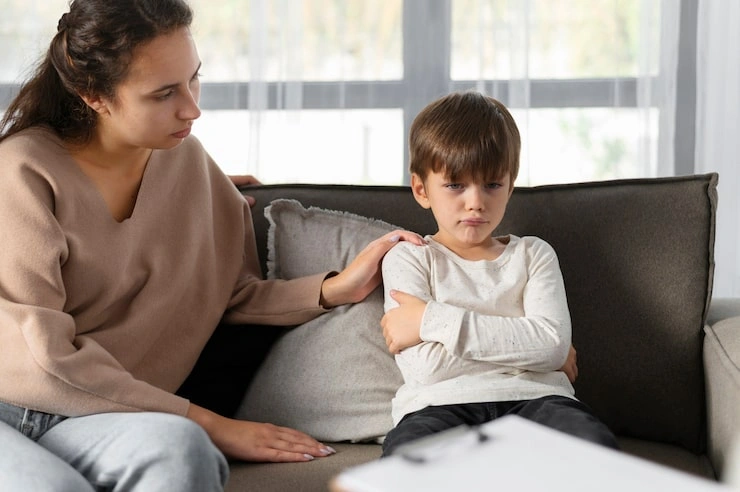
Your toddler is not trying to make you mad. I know it feels that way sometimes. But their brain is still growing. The part that helps them think before they act is not ready yet.
Think of it like this. Your child has big feelings. But they do not know how to handle those feelings yet. When they get mad or sad, it just comes out. They scream. They hit. They throw things. This is not bad behavior. It is just them not knowing what else to do.
This is why time-outs often do not work. Your child does not think, "I should not have screamed." They just feel alone and confused. They needed your help to calm down. But instead you sent them away. Tips to Make Gentle Parenting Work for You.
When you understand this, it gets easier to stay calm. Your child is not giving you a hard time. They are having a hard time. And they need you to help them get through it.
So next time your little one falls apart, try to see it this way. They are little. They are learning. And they need you to be their teacher.
What Happens When You Yell At A Toddler?
When you yell, your child's body gets scared. Their heart beats fast. They might cry harder or just freeze. This is not because they are bad. It is because they are scared of the loud noise.
Yelling also teaches them the wrong thing. Kids copy what they see. If you yell when you are mad, they learn that yelling is what you do when you are mad. So they will yell too. At you. At their friends. At the dog.
Another thing to know is that yelling hurts your bond. Your child needs to feel safe with you. When you yell a lot, they start to pull away. They might not want to hug you or tell you things. This makes it harder for you to teach them later.
Some parents think yelling is the only way to get kids to listen. But think about your own life. When someone yells at you, do you want to do what they say? Or do you want to run away? Kids feel the same way.
The good news is that you do not have to be perfect. Everyone gets mad sometimes. But if you can catch yourself and try a different way most of the time, your child will be okay.
How To Stay Calm When You Want To Scream?
Staying calm is hard when your child is screaming in your face. But you can do it. You just need a few tricks to help yourself.
First, breathe. Stop and take one deep breath. Let it out slow. This tells your brain that you are safe. It helps you think better. Just one breath can stop you from yelling.
You can also say a little word to yourself. Some parents say "calm down" in their head. Others say "they are just a baby." Pick a word that helps you remember why you do not want to yell.
If you need more than a breath, step away for a minute. Make sure your child is safe first. If they are in their crib or a safe room, go to the bathroom for one minute. Close the door. Take five deep breaths. Then go back. That one minute can save you from yelling.
Another thing that helps is to lower what you expect. Some days your child will be great. Other days they will be a mess. That is normal. They might be tired or hungry or growing. On hard days, just try to get through. Do not expect them to listen perfectly.
You can also call a friend. Sometimes just saying "I am so mad right now" helps you let it out without yelling at your kid. A good friend will say "I have been there too." That feeling of not being alone helps a lot.
Get Down On The Floor And Look At Them
This is one of the best things you can do. When your child does something wrong, do not yell from far away. Walk over to them. Get down on the floor so your face is close to theirs. Look right into their eyes.
Why does this work so well? Because it shows them you are there. You are not just a loud voice. You are right there with them. They feel your love. They feel your care. This alone can help them calm down.
When you are face to face, use a soft voice. It might feel strange to use a soft voice when you are mad. But it works. A soft voice makes them lean in to hear you. A loud voice makes them shut down.
Keep your words very short. Toddlers cannot follow long sentences. If you say a long thing, their brain turns off after the first few words.
Instead, say something like "No hitting. Hitting hurts." That is all. Then point to the other child. Say "Look, she is sad." This helps them learn that their actions hurt others.
After you say the short words, show them what to do instead. Say "We use gentle hands like this." Take their hand and show them how to discipline a toddler without yelling. This teaches them the right way.
Staying down on the floor also helps you feel closer to them. When you look in their eyes, you see how little they are. You see that they are just learning. This can soften your heart and help you be kind.
Show Them What To Do Instead
Toddlers do not know how to act yet. Everything is new. So when they do something wrong, they are not being bad. They just do not know a better way. Your job is to teach them.
The best way to teach is to show. If your child hits, do not just say "no hitting." That does not tell them what to do with their hands. Show them. Take their hand and say "We use gentle hands." Then show them how to pat softly on your arm. Let them try.
If they throw food, do not just yell. Show them. Say "Food stays on the table." Put the food back. If they throw it again, take the food away and say "All done." Then later, when you eat again, show them again. It takes many times for them to learn. That is normal.
If they scream in the house, show them the right sound. Whisper to them and say "Inside voice. Like this." Let them try to whisper back. Make it a game. They will try to copy you because they want to be like you.
When you show them what to do, you are being a teacher. Teachers do not yell at kids who do not know something. They show them again and again until they get it.
This way takes time. You will have to show them the same thing many times. But over time, they learn. They start to do the right thing on their own. That feels good for both of you.
Give Them Small Choices Every Day
Toddlers hear "no" a lot. No, do not touch that. No, do not run. After a while, they get tired of being told what to do. They want to feel like they have some control. That is why they fight back.
You can stop a lot of fights by giving them choices. Choices let them feel like they are in charge. But you still get what you need. It works for everyone.
Make sure the choices are simple. Only give two choices. If you give more, their brain gets confused. Both choices should be things you are okay with.
Here are some choices that work well:
-
"Do you want the red cup or the blue cup?"
-
"Do you want to walk to the car or have me carry you?"
-
"Do you want to brush teeth before the book or after?"
-
"Do you want apples or grapes with your lunch?"
-
"Do you want to pick up the blocks or the cars first?"
When they choose, they feel proud. They did it themselves. This makes them more likely to do what needs to happen. They chose the red cup, so now they want to drink from it.
You can also use choices when they are acting out. If they are hitting the dog, you can say "We cannot hit the dog. You can pet the dog softly, or you can play with your cars. You pick." This stops the bad thing and gives them a good way to move on.
Choices work because they respect your child. You are not just bossing them around. You are letting them be part of it. This builds their confidence and makes them feel good.
Use The Same Rules Every Day
Kids learn best when things are the same. When the rules change all the time, they get mixed up. They do not know what you want. This makes them act out more because they are trying to figure things out.
Try to have the same rules every day. If jumping on the couch is not allowed, it is not allowed on Monday or Friday. Not just when you are tired. If hitting is not okay, it is never okay.
This does not mean you have to be mean. It just means you are steady. Your child knows what to expect from you. This makes them feel safe. The world is big and scary for little kids. Home should be a place where they know how things work.
Being the same also means how you respond. Try to use the same words each time. If you always say "We use gentle hands," they will remember that. They will start to say it to themselves. Soon they will use gentle hands without you telling them.
If you have a partner, try to be on the same page. Talk about the rules together. Use the same words. When parents work together, kids learn faster.
Being the same is hard. Some days you are tired. Some days you are busy. On those days, you might let things slide. That is okay sometimes. No one is perfect. But most of the time, try to be steady. Your child will thank you.
Praise Them When They Do Good Things
Sometimes we only talk to our kids when they do something wrong. We say "no" and "stop" all day. After a while, kids learn that the only way to get our attention is to act up. They would rather have mad attention than no attention.
You can change this by watching for the good things. Look for the moments when they do something right. It might be small. They shared a toy. They used a soft voice. They put a book back. When you see it, say something.
Get down on their level and say "I saw you share your snack. That was so kind. You made your brother happy." Give them a hug or a high-five. Let your face show that you are proud.
This does not have to be a big thing. Just a few words and a smile. But it means so much to them. They learn that good things get your love. They will want to do those good things more often.
You can also praise them in front of others. Tell Dad when he gets home "Guess what? She shared her toy today all by herself." Let them hear you say it. This builds them up and makes them feel proud.
When you focus on the good, you start to see more good. Your own mind changes. Instead of always looking for problems, you look for things to praise. This makes your whole day feel better. You feel like a good parent. Your child feels like a good kid. Everyone wins.
What To Do When The Tantrum Starts?
Tantrums are hard. Your child is screaming. Maybe kicking. Maybe holding their breath. Nothing you say helps. You just want it to stop. Here is what to do.
First, stay calm. I know it is hard. But your calm is the most important thing. Your child is full of big feelings. They need you to be the steady one. If you get upset too, things get worse.
Make sure they are safe. If they are on the floor, that is fine. If they are near something dangerous, move them gently. Do not try to hold them tight unless they might get hurt. Sometimes being held makes them more mad.
Stay close but do not talk too much. You can say "I am right here. You are safe." Say it in a soft voice. Do not try to reason with them. Their brain cannot think right now. They just need to get the feelings out.
If you are in a store, ignore the looks from other people. They do not matter. Your child matters. Do what you need to do. Take them to a quiet spot if you can. If not, just stay with them until it passes.
When the tantrum starts to slow down, that is when you can help. They might still cry but the screaming stops. Move closer. Offer a hug if they want one. Some kids want to be held. Some need space. Watch what they need.
After it is over, do not talk about it too much. Just move on. Get a drink of water. Read a book. Let them feel that things are okay now.
Remember that tantrums are normal. They do not mean you are a bad parent. They do not mean your child is bad. They just mean your child is having a hard time. And you helped them get through it. That is good parenting.
Take Breaks So You Do Not Burn Out
You cannot pour from an empty cup. That means if you have nothing left, you have nothing to give. Taking care of a toddler is hard work. It takes everything you have. So you need to fill yourself back up.
Find small ways to take care of yourself. When your child naps, sit down for five minutes before you do chores. Drink your coffee while it is still hot. Call a friend. Stretch your body. These small breaks help.
If you have a partner, trade off. You take the kid for an hour while they go out. Then they take the kid while you go out. Even one hour away can help you feel like yourself again.
Get outside if you can. Fresh air helps everyone. Go for a walk with your child or without them. Look at the sky. Breathe. Nature has a way of calming us down.
Talk to other parents. They know how you feel. They have been through the same things. Sometimes just hearing someone say "me too" makes you feel less alone.
If you are really struggling, it is okay to ask for help. Talk to your doctor. Find a support group. There is no shame in needing help. Parenting is the hardest job there is. We all need help sometimes.
When you take care of yourself, you are also taking care of your child. A rested parent is a patient parent. So do not feel bad about taking time for you. It helps everyone.
What If You Lose Your Cool And Yell?
You will yell sometimes. You are human. You get tired and hungry and stressed. One day your child will push your last button and you will lose it. It happens to everyone. What matters is what you do next.
After you yell, take a minute to calm down. Breathe. Then go to your child. Get down on their level. Say sorry. You can say "Mommy yelled and that was not okay. I am sorry. I was feeling mad, but I should not have yelled."
This teaches your child something important. It teaches them that everyone makes mistakes. It teaches them how to say sorry. It shows them that you can mess up and still make things right. That is a good lesson.
After you say sorry, give them a hug. Let them feel your love. Then move on. Do not keep talking about it. They do not need a long talk. They just need to know you still love them.
Then think about what happened. What made you yell? Were you tired? Hungry? Stressed about something else? Next time, try to catch it earlier. Take a break before you get to the yelling point.
Remember that one yell does not ruin your child. Kids are strong. They can handle a bad moment from a good parent. What matters is how you are most of the time. If you are loving and calm most days, one yell will not change that.
So be kind to yourself. You are doing a hard job. You are learning just like your child is learning. Give yourself grace. Tomorrow is a new day to try again.
Simple Tips That Work Every Day
Here are some quick tips you can use right now:
-
Wake up before your child if you can. Even 10 minutes of quiet helps.
-
Say yes more than you say no. Save no for things that really matter.
-
Make your home safe so you do not have to say no all the time.
-
Let your child help with small things like putting toys away.
-
Sing or whisper when you want them to calm down.
-
Use a timer. Say "When the timer beeps, we clean up."
-
Read books about feelings. Talk about how the characters feel.
-
Dance together when everyone needs to let energy out.
-
Keep snacks and water ready. Hangry kids are hard to handle.
-
Go outside every day even for just a few minutes.
These small things add up. They make your days smoother and happier.
Why This Way Is Better For Your Child?
When you use calm ways to teach your child, you help them in many ways. They feel safe with you. They know you love them even when they make mistakes. This builds trust that lasts forever.
They also learn how to handle their own feelings. They watch you stay calm. They hear your soft voice. Over time, they learn to do the same thing. They learn to take deep breaths. They learn to use words instead of hitting.
This way also helps them feel good about themselves. When you show them what to do instead of just yelling at them, they feel smart. They feel like they can learn. They feel like they are good kids.
And when they are older, they will remember how you treated them. They will treat their own kids the same way. You are not just helping your child today. You are helping their children too.
Frequently Asked Questions (FAQs)
Q: How do I stop my toddler from hitting me?
A: When your toddler hits you, stay calm. Do not hit them back. That just teaches them that hitting is okay. Gently hold their hand and say "No hitting. That hurts." Use short words. Then show them what to do instead. Say "We use gentle hands like this." Take their hand and show them how to discipline a toddler without yelling softly. If they keep hitting, you can say "I will not let you hit me. I am going to move over here." Move away from them. This shows them that hitting makes people go away. After a minute, come back and try again. It takes time, but they will learn.
Q: Why does my toddler listen to Dad but not to me?
A: Kids often act worse with the parent they are with the most. This is actually a good sign. It means they feel safe with you. They know you will love them no matter what. So they let all their feelings out with you. With Dad, they might still be figuring things out. They are not as sure of him yet. So they hold it together better. This is very common. It does not mean you are doing anything wrong. It means you are their safe place. Try not to take it personally. And know that it will get better as they grow.
Q: What do I do when my toddler has a tantrum in a store?
A: First, stay calm. Do not worry about what other people think. They have been there too. If you can, take your child to a quiet spot like a bathroom or a corner. Get down on their level. Say "I see you are upset. I am right here." Use a soft voice. Do not try to talk them out of it. Just stay with them. If they are too worked up, you might need to leave the store. That is okay. Your child's needs come first. Next time, try to shop when they are not tired or hungry. Bring a snack. Keep trips short. And remember, this phase will pass.
Q: How can I get my toddler to listen without yelling?
A: To get your toddler to listen, first get their attention. Get down on their level. Say their name. Wait for them to look at you. Then use very short words. Say "Time to put on shoes." Not a long sentence. If they do not do it, help them start. Take their hand and say "Let's do it together." You can also make it a game. Say "Let's see who can put on shoes faster!" Toddlers love games. Also, make sure they can do what you ask. If the task is too hard, they will give up. Break it into small steps. And always praise them when they listen. Say "Good listening! You put on your shoes!" This makes them want to listen again.
Q: What is the best way to calm a screaming toddler?
A: The best way to calm a screaming toddler is to stay calm yourself. Get down on their level. Use a soft voice. Say "I am right here. You are safe." Do not try to talk them out of it. Just be there. If they like to be held, hold them gently. If they do not want to be touched, just sit close. Sometimes rubbing their back helps. Sometimes just being quiet helps. Let them cry. Crying lets the feelings out. When they start to calm down, offer a hug or a drink of water. Then move on to something calm like reading a book.
Conclusion
Parenting a toddler is hard work. Some days you will feel like you have no idea what you are doing. That is normal. Every parent feels that way. The good news is that you do not have to be perfect. You just have to keep trying.
Remember that your child is not trying to make you mad. They are just little and still learning. They need you to teach them with patience and love. When you stay calm, you are showing them how to handle big feelings. You are building trust that will last forever.
The tips in this article are simple, but they work. Get down on their level. Use a soft voice. Show them what to do. Give them choices. Catch them being good. Take care of yourself. These small things add up over time.
You will have bad days. You will yell sometimes. That is okay. Just say sorry and try again. Your child does not need a perfect parent. They need a real parent who loves them and keeps showing up.
So take a deep breath. Give yourself some grace. You are doing better than you think. And your little one is lucky to have you. Keep going. You have got this.
Other Articles

How Soon Can You Feel Pregnancy Symptoms
50 Popular Gujarati Surnames Or Last Names With Meanings