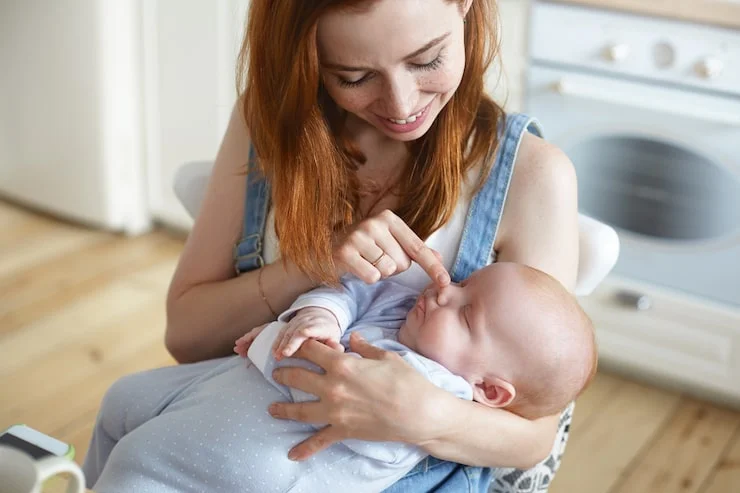

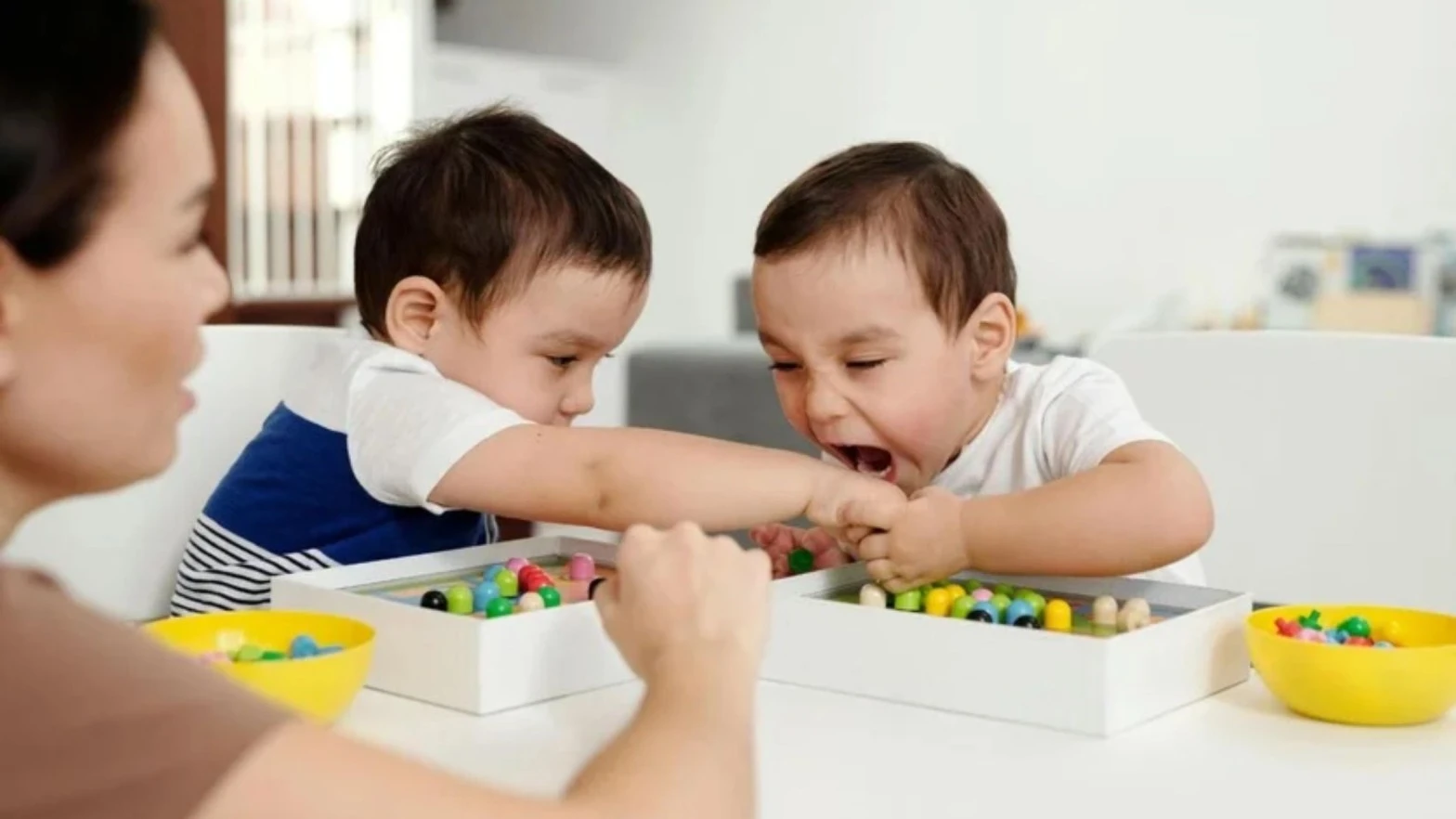
Picture this: Your 2-year-old collapses in a heap because the blue cup isn't available. Sound familiar? Those moments test every parent. Nurturing toddlers emotionally is less about quick fixes and more about guiding those raw feelings into tools they'll carry forever. I've lived it—two kids who turned my living room into an emotion arena. One day it's pure glee over bubbles, the next it's wails over socks. But here's the good news: You don't need fancy degrees or endless patience. Simple habits, done daily, build resilient little hearts. We'll walk through it step by step, with stories that mirror your chaos. Ready to turn tears into triumphs?
Understand Their Emotional World First

Toddlers hit you with feelings like a freight train—everything's huge, no off switch. They soak it all in but can't spit words out yet, so it's just screams or wild claps. Like, picture your 20-month-old with his block tower crashing. You're thinking "eh, rebuild it," but to him? Total apocalypse. That's where how to nurture toddlers emotionally kicks off, right in that messy spot where they feel tons but say zip. With my boy, I messed up big at first. He'd chuck toys when pissed, and I'd yell "Knock it off!" which just made him crazier. Then one afternoon, I dropped to the floor next to him, looked right in his eyes, and went, "Dude, tower went kaput. You mad as heck?" Kid stopped dead, gave a nod, and shoved a block my way. Just like that, we clicked—no magic, just me finally getting it.
Start by observing like a hawk. Jot notes for a week: What sparks the frowns? Overtired afternoons? Hunger crashes before lunch? Maybe it's transitions, like leaving the park. Patterns jump out fast. Once you spot them, preempt. Offer a snack before meltdown o'clock. Use a timer for park goodbyes: "Two minutes left—whee!" This isn't controlling; it's partnering. Validation flips the script. Skip "You're okay" platitudes—they teach stuffing feelings. Try "Oof, that bump hurt! Want a hug?" Physical cues matter too—furrowed brows signal worry, floppy bodies mean exhaustion. Mirror back gently: "Your face says scared. I'm here." Over months, they echo you: "Mad!" Proud parent moment.
Dive deeper into body language. Arms crossed? Defiance or discomfort? Test with a blanket snuggle. Laughing hysterically into sobs? Overstimulation alert—dim lights, soft music. I created a "feeling wheel" from cardboard, with faces from happy to furious. Spin it daily: "Where's your feeling now?" My daughter, at 18 months, pointed to "grumpy" unprompted by week three. It's play disguised as learning. Friends swear by emotion songs—sing "If you're angry and you know it, stomp your feet!" to discharge safely. Consistency cements it. Miss a day? No sweat; restart tomorrow. Your steady presence teaches emotions aren't enemies—they're signals. Toddlers who feel understood fuss less, explore more. That's the payoff.
Expand to sensory smarts. Textures trigger moods—itchy tags spark irritability. Swap for soft seams. Sounds too: Blenders mimic thunder for some. Mute during meals. Food links in—sugary snacks spike then crash emotions. Opt for steady proteins like cheese sticks. Track sleep cycles; naps anchor the day. My routine: 10 a.m. quiet time with books prevented 80% of afternoon dramas. Share wins with a partner: "He named 'happy' today!" Celebrate tiny shifts. This understanding isn't passive—it's active love, sculpting emotional agility. Your toddler's world shrinks from scary to navigable. Keep at it; the trust you build echoes for years.
Key takeaway: See their world, speak their language—empathy unlocks everything.
Read Also: How To Control Aggressive Child Behavior
Build a Safe Space for Big Feelings
Safety isn't just locks on cabinets; it's an emotional fortress for tiny humans. Toddlers test boundaries because they're figuring out if the world holds them. Nurture toddlers emotionally by crafting spots and habits that whisper "I've got you." My go-to was the "cozy cave"—a corner with blankets, a beanbag, and emotion plushies labeled "happy bear" or "sad bunny." No screens, just calm. During my girl's epic meltdown over denied candy, I led her there: "Let's visit sad bunny. He feels wobbly too." We rocked, breathed—crisis over in five minutes.
Design yours simply. Pick a low-traffic nook. Add fairy lights for magic, a mirror for face-watching, and timers for breathing (inhale four seconds, exhale four). Stock with chew toys for teething angst, lavender spray for sniffly calms. Introduce during happy times: "This is our special spot!" Make it theirs—let them pick a toy. Routines amplify: Post-nap check-ins, "Feeling strong or wiggly?" Narrate everything: "Your body's shaky from big feelings. Squeeze the ball." Touch anchors—firm hugs signal safety, unlike light pats that tickle.
Troubleshoot resistance. If they bolt, lure with a favorite book: "Snuggle Worm wants company!" For night fears, add a glow-in-dark star chart: "Stars watch over us." I wove in family photos: "Look, Daddy's hugging you—always safe." Daily use builds autopilot soothing. Week one, mine dragged me there; by month two, solo trips with "I calm now." Pair with full-body resets: March in place to shake off mad, sway for sad. Avoid timeouts—they feel like abandonment. This space teaches regulation, not punishment.
Layer in sensory diets. Weighted blankets mimic hugs for anxious wigglers. Noise-cancelling headphones for party overloads. Rotate items weekly to spark curiosity. Track usage: More visits mean more security. Community tweaks: Park benches as mini safe spots—"Sit and breathe with me." For travel, portable bags with fidgets. My airport saves? A squishy octopus toy diffused delays. Long-term, this fosters independence. They learn feelings pass, tools help. Your role? Cheerleader: "You did it—brave heart!" Safety spaces turn parents into guides, not rescuers.
Extend to home vibes. Soft lighting, fewer blaring toys—chaos breeds chaos. Declutter play areas; abundance overwhelms. Scent matters—vanilla diffusers for cozy feels. Voice tone: Low and slow during storms. "Shhh, we're okay." Consistency across caregivers seals it—grandma knows the cave drill. Measure growth: Fewer clingy mornings? Success. This isn't babying; it's empowering. Toddlers in safe spaces venture bolder, love deeper.
Key takeaway: A cozy haven teaches them feelings have homes—and they control the key.
Use Play to Teach Emotional Skills
Play is toddler therapy, free and joyful. It's where how to nurture toddlers emotionally comes alive—no lectures, just action. Puppets stole my heart for this. I'd stage "Angry Alligator" chomping toys, then "Hug Hippo" smoothing it over. "What does gator feel? How does hippo help?" My son directed the show, roaring then giggling—mastered calming without knowing it.
Craft games around core emotions. Joy: Bubble chases, popping with squeals. Sadness: Doll funerals with "it's okay" pep talks. Anger: Pillow punching bags labeled "mad zone." Fear: Hide-and-seek with "found you, safe!" Rotate daily, 15 minutes max. Props from home: Spoons as microphones for "I feel silly!" Outside play amps it—sandbox for "bury the grumpy," swings for "fly away fears." Praise process: "You helped teddy feel better—kind friend!"
Role-play real life. "Doctor visit: Scared? Breathe like this." Act sibling spats, resolving with shares. Books fuel it—"Grumpy Monkey" prompts monkey faces. Sing-alongs: "Mad, sad, glad—shake it out!" For groups, emotion charades—act happy, guessers cheer. My playgroup turned shy ones bold. Avoid competition; cooperation builds empathy.
Deepen with sensory play. Finger paints for "messy mad," playdough for squishy stress. Water tables calm—pour out "yucky feelings." Animals teach: Pet a cat gently, "Soft touch when excited." Track themes: Week of anger? Punch more pillows. Adapt ages—1-year-olds need modeling, 3-year-olds lead. Weather-proof: Rainy days? Indoor obstacle courses ending in hug piles.
| Play Type | Emotion Targeted | Quick Setup | Example Outcome |
|---|---|---|---|
| Puppet Shows | Anger/Sadness | 2 puppets, blanket stage | Child directs happy ending |
| Sensory Bins | Overwhelm | Rice + scoops + emotion cards | Names feelings while scooping |
| Role-Play | Fear/Excitement | Dress-up clothes | Practices "brave" phrases |
| Movement Games | All | Open space + music | Shakes off energy, calms |
This table's my cheat sheet—laminate for fridge. Play's power? It sticks. My kids now soothe dolls instinctively. It's not structured school; it's wild, loving learning.
Key takeaway: Games turn emotions from monsters to playmates.
Talk About Emotions Every Day
Chatter bridges the feeling-word gap. Nurturing toddlers emotionally thrives on casual emotion talk, like weather chats. Mornings: "Sunny heart or cloudy today?" Point to yours: "Mommy's excited—big smile!" They copy, building a 20-word emotion vocab by age 2.
Mealtimes shine. "This apple makes you happy? Yummy!" Bedtime recaps: "Spill your day—what felt big?" Use "I" statements: "I feel frustrated when blocks fall." Mirror books: Pause "The Feelings Book," "Is that your face ever?" Songs help—"Head, shoulders, knees and toes... plus happy, sad, and mad!"
Tantrum debriefs post-calm: "Earlier mad? What started it?" Listen, reflect: "Truck rolled away—boo!" No judgment. Visuals aid: Wall chart with photos—you happy at park, sad at dentist. Point daily. For non-talkers, thumbs up/down. My quiet one tapped "sad" pics, opening floods.
| Daily Talk Moments | Phrase Starters | Pro Tip |
|---|---|---|
| Breakfast | "What's your feeling flavor?" | Pair with fruit colors |
| Car Rides | "Look at that dog's happy tail!" | Name strangers' emotions |
| Bath Time | "Bubbles tickle—giggle feeling!" | Splash for joy |
| Bedtime | "One big feeling today?" | Cuddle while sharing |
Expand vocab: Frustrated, jealous, proud. Stories: "Puppy lost toy—felt sad, found it—happy!" Questions open doors: "What helps when scared?" Praise: "You said 'tired'—smart!" Screens? Rare, discussed. Consistency: Every meal, every walk. My toddler's now therapist to friends. Talk weaves emotional literacy into life.
Key takeaway: Words tame the wild—chat your way to calm.
Model Calm and Healthy Reactions
You're the mirror they gaze into. How to nurture toddlers emotionally hinges on your real-time demos. Snapped at traffic? "Whew, I'm mad at the slow car. Deep breath—better." They watch, imitate breaths. Apologize visibly: "Sorry I raised voice; love you tons."
Show spectrum. Laugh at spills, frown at stubbed toes—"Ouch, but okay." Choices aloud: "Tired? Nap or story?" Self-care models: "Mommy walks to feel strong." Upsets? Short vent, quick recover: "Rain ruined picnic—drawing rainbows now!" Kids absorb resilience.
Family meetings: "My happy was your hug; grumpy was spilled milk." Redirect mirrors: "Like me, say 'help!'" Stories of your kid days: "I cried over ice cream too." Tone matters—warm, steady. Dad's roughhousing teaches joy; your snuggles, security.
| Your Reaction | What Toddler Learns | Follow-Up |
|---|---|---|
| Breathe aloud | Self-soothe tool | "Try with me?" |
| Apologize | Mistakes fixable | Group hug |
| Name feeling | Vocab + normalcy | "Your turn?" |
| Choose coping | Options exist | Praise try |
Be human—slips happen. Own them. My yell-fest led to "Mommy sorry dances." They forgive fast. Partners sync: Shared modeling doubles impact. Long-game: Emotionally savvy adults start here.
Key takeaway: Live the calm you want them to know.
Spot and Ease Emotional Challenges
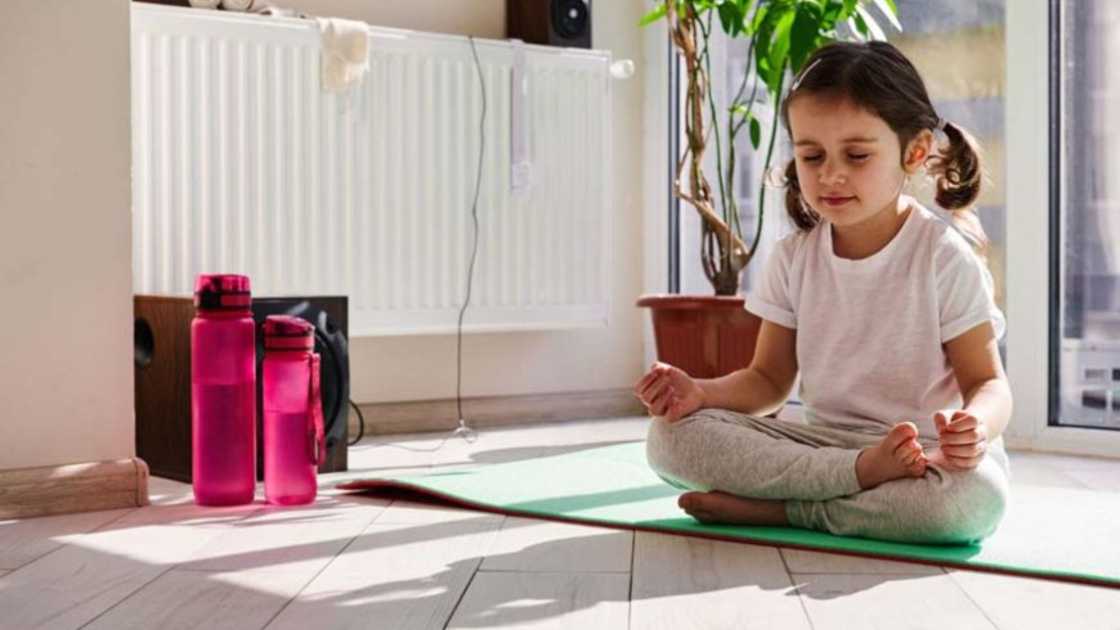
Challenges pop up—spot 'em early. Nurture toddlers emotionally by decoding signs like chronic clinginess or play aggression. Journal: Date, trigger, duration. Patterns guide fixes.
Signs and Strategies Table
| Challenge | Signs | Daily Fixes | When to Escalate |
|---|---|---|---|
| Separation Anxiety | Cries at drop-offs, follows everywhere | Short goodbyes + transition toy | Persists past 3 weeks |
| Aggression (Hit/Bite) | Lashes out in frustration | "Gentle hands" song + redirect to punch pillow | Hurts others regularly |
| Extreme Shyness | Hides from guests, no play invites | 1:1 playdates building to groups | No eye contact after months |
| Regression | Bedwetting, baby talk post-change | Extra reassurance rituals | With weight loss/sleep loss |
My biter? Soft ball squeezes + "words first" charts. Faded fast. Basics first: Rule out ear infections mimicking irritability. Nurture basics—connection cures most.
Key takeaway: Proactive tweaks turn hurdles to growth.
You May Also Like: How to Nurture Healthy Eating Habits in Kids at Home
Foster Connections That Heal
Bonds are emotion glue. How to nurture toddlers emotionally via playdates, family rituals. Weekly "buddy time" taught sharing woes.
Key takeaway: Love networks build unbreakable resilience.
Everyday Routines for Lasting Emotional Strength
Routines anchor. Wake-cuddle-check, meals with thanks.
Key takeaway: Predictability breeds inner peace.
Resilience Boosters
-
Breathing buddies for naps.
-
Emotion jars for check-ins.
-
Gratitude stones nightly.
-
Calm baskets for overstimulation.
FAQs on How To Nurture Toddlers Emotionally
What exactly is emotional nurturing for toddlers, and how do I start?
It's helping them recognize, express, and manage feelings in healthy ways, building resilience from the inside out. Start simple: Name emotions daily during routines, like "You're happy splashing!" at bath time. Get to their level, validate without fixing, and model your own—like breathing through frustration. Do this consistently for a week, and you'll see them mimic back.
How do I handle constant tantrums—what steps work best?
Tantrums are toddler signals for overwhelm, not defiance. Step 1: Stay calm, name the feeling ("Mad the toy broke?"). Step 2: Offer a safe outlet like a squeeze toy. Step 3: Wait out the storm, then debrief post-calm ("What helped?"). Prevent with sleep/eat checks and short warnings for changes. My kids' dropped 70% in a month.
What daily habits build long-term emotional strength, and how?
Habits like morning feelings checks, play-based emotion games, and bedtime recaps wire their brains for self-awareness. How: Spend 5-10 minutes chatting "happy or grumpy today?" during meals; use puppets for acting feelings. Track in a notebook, praise efforts. Over time, they self-soothe without prompts.
Other Articles

How Long To Wait If Baby Not Moving
50 Popular Gujarati Surnames Or Last Names With Meanings