
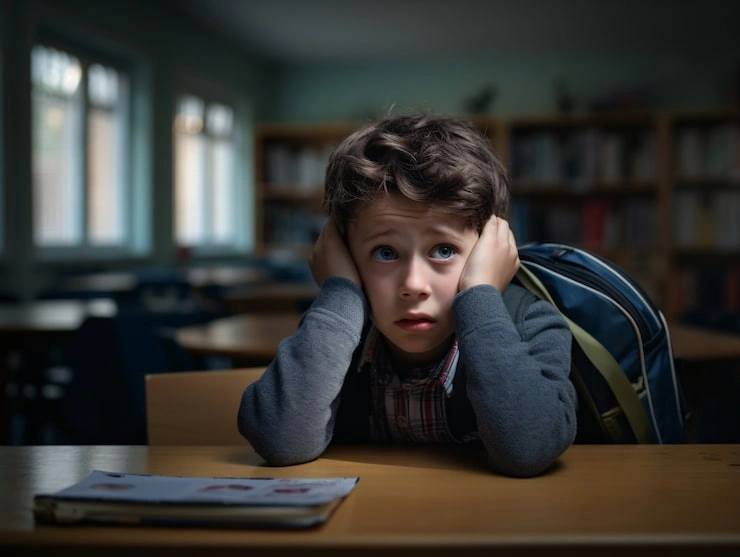
Look, we've all been there. That gut-punch moment when your kid plants their feet at the door, eyes full of tears, and flat-out says no to school. Heartbreaking, right? I remember my nephew doing it every Monday for months—total standoffs that left us wrecked. School refusal isn't rebellion; it's a cry for help, maybe from bullies, stress, or just hating the chaos of bells and crowds. But here's the thing: it doesn't have to ruin your mornings forever. With some patience and smart moves, you can nudge them back. This piece spills practical steps I've seen work, from my own family scrambles to chats with other parents. Kids Refuse to Go to School.
Understand Why They're Refusing School
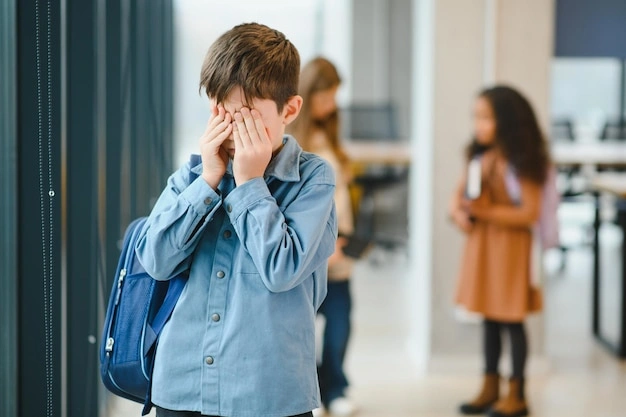
Okay, step one—don't guess; sleuth it out. Kids clam up or act out because something's gnawing at them inside. Could be a playground bully shoving them around at recess, making every day feel like a battlefield. Or maybe the teacher's voice booms too loud, turning class into a scary echo chamber. Anxiety sneaks in sneaky-like—sudden headaches or bellyaches right before the bus. I once spent a week playing detective with my nephew. Turns out, a group project gone wrong left him feeling stupid, dreading group time. Patterns jump out if you look: Mondays worst after weekend fun? Test days? Note it all in your phone.
Chat without the interrogation vibe. Over pancakes, casual-like: "Hey, what's the roughest part of your day?" They might mumble about a kid stealing their lunch spot or homework piling up like laundry. Sleep's a culprit too—kids up late on games crash hard mornings. Hunger? Skipped breakfast equals cranky meltdowns. Dig past surface stuff; laziness is a myth here. One parent I know found her daughter's glasses prescription was off—blurry boards made her hate reading aloud. Boom, fixed with new specs, refusal gone. Journal clues for a few days. This builds your map. Shows the kid you're on their side, not the school's enforcer. Trust grows, walls crumble. Patience is your superpower—rush it, and they dig heels deeper. Over time, you'll spot the root, paving way for fixes that stick. It's messy work, but worth every frustrated sigh.
Read Also: ADHD in the Classroom: How To Help A Child With Adhd In School
Stay Calm and Create a Morning Routine
Panic spreads like wildfire. Your kid senses your freak-out, and refusal doubles down. Breathe, mama or papa—deep inhales, count to ten. I learned this the hard way yelling at my nephew once; he howled louder, we both lost it. Stay the anchor. Mornings need rhythm, like a cozy dance you both know. Wake 45 minutes early—no alarms blaring. Soft music, dim lights. Cuddle first, then "breakfast adventure"—pick berries for yogurt together. Ditch the rush; it fuels fights.
Night-before hacks save sanity. Clothes picked, backpack zipped—do it post-dinner laughs. Visual timers rock for little ones: sand egg for tooth-brushing. Chart it simple—stickers for "shoes on without fuss." Praise lands gold: "Whoa, you nailed breakfast solo—high five!" If sobs hit, drop everything. Hug tight, whisper, "Feelings are okay. We got this, team." Screens? Ban 'em till out the door; zombie scroll kills momentum.
Real talk—one family turned hellish starts around with "morning jams." Kid picked tunes, danced into socks. Mornings went from war zone to wiggle party. Tweak for yours: night owl? Earlier bed. Sensory kid? Weighted blanket calm-down. Routines aren't magic wands, but they slash drama 70%. Consistency whispers security. Kid learns world's not crashing if they step out. Mix fun, flex when needed. You'll see shifts—less cling, more "okay, let's go." It's your quiet rebellion against chaos.
Talk Openly and Listen to Their Fears
Words unlock hearts. Catch them chill—not frantic. Couch after dinner, no phones. "Spill it—what's school feel like lately?" Eyes on them, no fixing yet. Echo back: "Math group's making you feel left out, huh?" Magic—they feel heard, not judged. My nephew poured out after a puppet show I rigged; bear "told" his bully woes first.
Kid tales vary. Shy ones draw fears—squiggly monsters for loud halls. Tweens? Walk the block, side-by-side ease. Unpack gems: "Jake copies my answers," or "Cafeteria's a zoo." Own stories humanize: "I hid under desks from spelling bees—embarrassing!" Laugh together. Role-play comebacks: "Hey, back off my desk!" Practice till confident grins emerge.
Fears flag flags. Daily dread? Anxiety deep-dive time. Praise post-chat: "Brave for sharing—that's huge." One dad debriefed car rides home; son vented playground drama, easing next days. Make it habit, not crisis-only. Your listening ear? Lifeline. They test waters, find safety, open wider. Bonds tighten, refusal loosens. Steer clear judgments—"toughen up" poisons wells. Empathy invites truth. Soon, fears shrink, school looms smaller.
Use Gentle Encouragement and Rewards
Force feeds resistance. Soft pushes invite buy-in. "Just pants today—no pressure." Fist-bump the win. Ladder up: pants, shirt, snack, door. Effort-spotlight: "You zipped that bag like a pro!" Kids Refuse to Go to School glow.
Rewards? Smart, not sneaky. Star chart for "calm face at bus." Five? Lego build or trail mix stash. Tie to process—"Brave backpack grab!" Fade as habits root. Bravery lunch notes: "Crushing it today—love, Mom." Fidget toys for anxious fiddles, chews for stress-munchers.
Twists work wonders. Victory dances post-drop-off—silly shakes erase dread. Tailor loves: bookworm gets library run, sporty kid park kicks. No "go or else"—teaches bargaining. Intrinsic shift: "Felt good powering through, right?" One mom chained small wins to "treasure hunts"—clues led to toy. Kid begged school for next clue. Track duo-style; charts thrill. Stumbles? Hug, reset. Gentleness builds doers, not demanders. Refusal? Fades to footnotes.
Proven Strategies in Action
Hands-on tricks turn tides. Here's a quick table of go-tos, with real tweaks:
| Strategy | How to Do It | Why It Helps | Quick Win Tip |
|---|---|---|---|
| Step-by-Step Desensitize | Drive by school, play pretend class, short visits | Builds comfort without overwhelm | Start with playground peek—ice cream after |
| Buddy Pair-Up | Link with a school friend for rides/walks | Friendship buffers fear | Swap parent numbers first |
| Half-Day Starts | Ease in mornings only, build full | Lowers entry bar | Teacher check-in at lunch |
| Sensory Toolkit | Headphones, fidgets, chews | Calms overload | Test at home playdates |
Layer 'em. "School pact": "20 minutes class, then counselor huddle." Sign fancy. Morning reads of brave-kid books spark grit. Parents mix-match—my nephew's desensitize walks ended tears. Ditch flops fast; track hits. Action beats worry.
Know When to Get Extra Help

Solo sailing hits rocks. Weeks of refusal? Red flag. Teacher first: "Drop-offs tough—class insights?" They catch sneaky stuff—seat shuffles, friend fallouts.
Counselors unpack play-therapy style. "Worry boxes" swallow fears. Docs rule out physicals—ear infections mimic stress aches? Therapy gems: breathing bubbles, fear ladders. Family pow-wows sync plans.
Delayed help? Costly—one parent watched months snowball to shutdown. Four weeks max solo. Nets expand: parent circles swap war stories. Pros amp your toolkit. You're hero for reaching—kids thrive with backup brigades.
Build Long-Term Confidence at Home
Roots matter. Dinner "what rocked?" spotlights wins. Puzzle tussles teach "try again" grit. Read aloud nightly—worlds open, words click. Games grind social—losing laughs build bounce. Screen curfews, outdoor romps burn jitters. Coping kit: worry scribbles-to-shred, balloon breaths. Weekend "school fun"—backyard labs, scavenger math. Journal triumphs: "Week 4 tear-free!" Giggles over past lows. Model chill—you exhale calm, they mirror. Homes forging fearless? Refusal rare. Steady weaves wonder kids.
You May Also Like: What Are the Pros and Cons of Gentle Parenting?
Partner with School for Real Support
- Allies accelerate. Principal note: "Struggle mornings—team-up ideas?" Greeters, transition nooks ease in. Meetings armed: triggers listed, helpers named.
- Bullying? Probe deep, space culprits. Academics lag? Pull-outs fix. Joint cheers: "Ms. Pat's recess pass rocked!" Buddy programs pair pals—welcome waves.
- Hover-light: weekly check-ins. Partnerships propel—refusal? Rearview relic.
FAQs
Is school refusal a sign of bigger problems?
It can be. Often it's anxiety or social stress, but watch for depression signs like constant sadness or withdrawal. Track patterns and consult a pro if it lasts over two weeks.
How long before I worry about school refusal?
A day or two is normal after breaks. Past a week, dig in. Chronic cases need school or doctor input to prevent learning gaps.
What if rewards stop working?
Shift to intrinsic boosts—like pride chats or skill-building games. Fade rewards gradually as habits stick. If stuck, tweak with professional guidance.
Can I keep them home sometimes?
Short-term, yes—for recovery days. But regular skips hurt progress. Use as reset, not habit, and pair with a return plan.
How do I prevent future school refusal?
Build routines early, chat feelings often, and teach coping tools. Strong home-school ties spot issues fast. Confident kids rarely refuse.
Other Articles

Late Period Negative Pregnancy Test
50 Popular Gujarati Surnames Or Last Names With Meanings