


Getting pregnant is a happy time for any woman. But many Indian women also feel worried. They ask one question again and again: Is my pregnancy normal? Or is it high risk?
Doctors say the first three months of pregnancy are very important. This time is called first trimester. In these months, the baby's body parts start to grow. The mother's body also changes a lot. Some changes are normal. But some changes can be signs of a high risk pregnancy.
A high risk pregnancy symptoms first trimester means the mother or the baby has more chance of getting a health problem. It does not mean something bad will surely happen. It only means the mother needs extra care. She needs to see the doctor more often. She may need special tests or medicines.
In India, many women do not know the early signs of high risk pregnancy. Some women live in villages where doctors are far away. Some women feel shy to tell their family about unusual symptoms. This article will help you understand those early warning signs. You will learn when to go to the doctor. You will also learn simple things you can do to stay safe.
What is a High Risk Pregnancy?
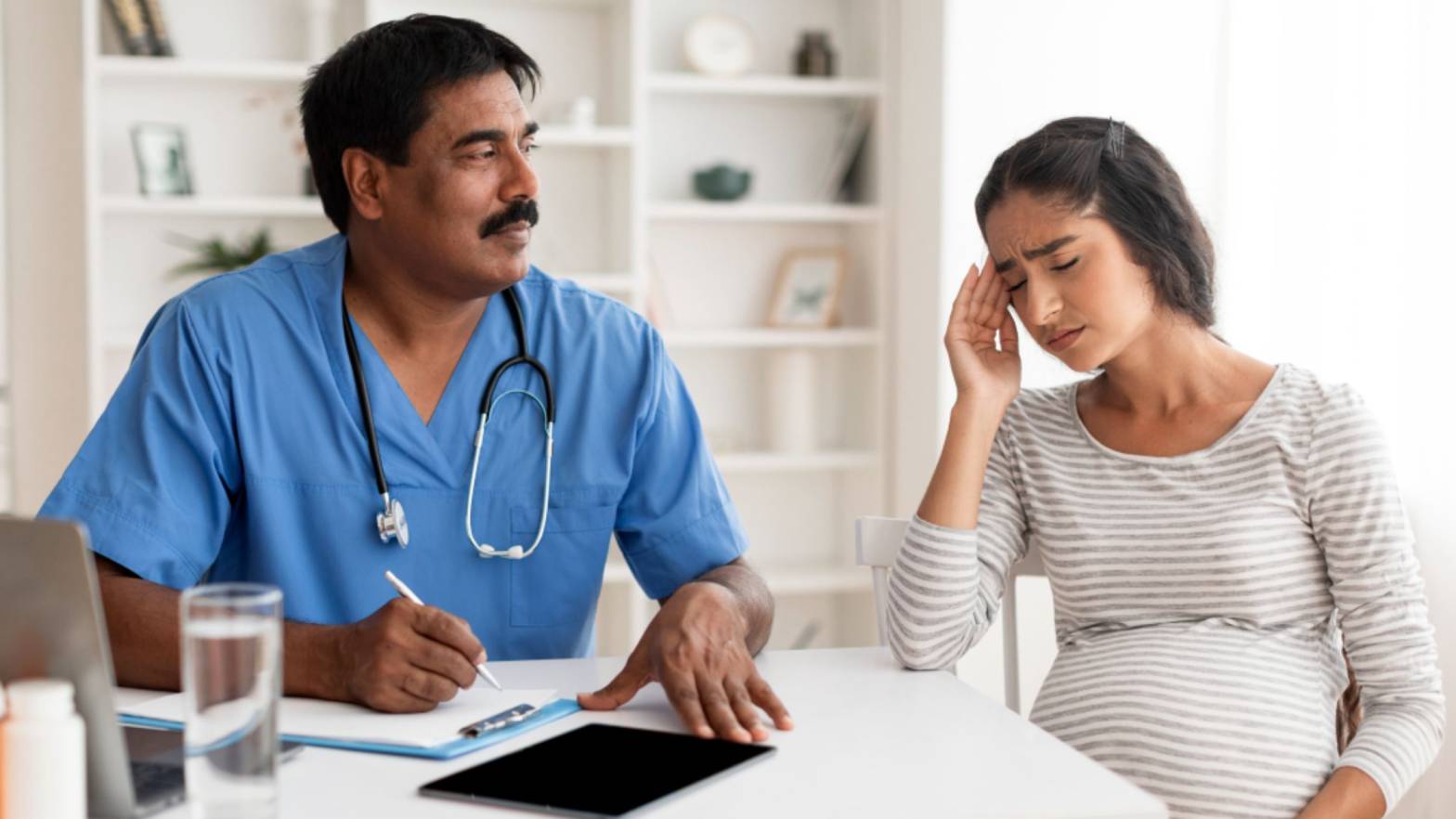
A pregnancy is called high risk when the mother has a health problem before getting pregnant. Or she develops a new problem during pregnancy. Sometimes the baby has a growth problem. That also makes the pregnancy high risk.
Many Indian women have high risk pregnancy without knowing it. For example, a woman with low blood pressure or low haemoglobin is already at more risk. A woman above 35 years of age is also at more risk. Even a woman who had three or more babies before this pregnancy needs extra care.
The first trimester is from week one to week twelve. In these twelve weeks, the baby grows from a tiny cell to a small human with a beating heart. Any problem in these weeks can affect the whole pregnancy.
Read Also: Best Sleeping Position During Pregnancy First Trimester
Early Warning Signs of High Risk Pregnancy in First Trimester
Do not ignore these symptoms. If you feel any of these, talk to your doctor the same day.
1. Heavy Bleeding Like Periods
Light spotting is common in first trimester. Many women see few drops of pink or brown blood. That is usually not dangerous. But heavy bleeding is different.
Heavy bleeding means you need to change your sanitary pad every one or two hours. The blood is bright red like periods. You may also see small clots or pieces of tissue.
What this could mean: It could be a sign of miscarriage. It could also be a sign of ectopic pregnancy. Ectopic pregnancy is when the baby grows outside the uterus. This is very dangerous for the mother.
What to do: Go to the nearest hospital or nursing home right now. Do not wait for morning. Do not take any medicine on your own.
2. Very Strong Stomach Pain
Some stomach pain is normal in first trimester. Your uterus is growing. Your ligaments are stretching. That gives mild pulling feeling. But some pain is not normal.
Very strong pain means you cannot stand straight. You cannot eat or sleep. The pain is lower on one side. Or the pain is like period cramps but ten times worse.
What this could mean: This could be a sign of ectopic pregnancy. This can also be a sign of ovarian cyst. In some women, it means the uterus has a problem.
What to do: Go to the doctor immediately. Do not put hot water bag on your stomach. That can make some problems worse.
3. Severe Vomiting All Day
Morning sickness is very common. Many Indian women feel nausea in first trimester. They vomit once or twice in morning. But some women vomit many times all day long.
Severe vomiting is called hyperemesis in doctor language. You vomit five to ten times every day. You cannot keep any food or water down. You feel dizzy and weak. Your mouth feels dry. You pass urine very few times.
What this could mean: Your body is losing too much water. Your blood salts become low. This is bad for the baby. The baby needs water and food to grow.
What to do: Go to the hospital. You will need a drip to put water and salts back in your body. Do not think this is normal morning sickness.
4. Very High Fever
Fever in first trimester is always serious. If your body temperature goes above 100 degrees Fahrenheit, call your doctor. If fever stays for more than one day, go to the hospital.
Fever with shivering and body pain is even more serious. Fever with burning urine or loose motion is also serious.
What this could mean: High fever can harm the baby's brain and spine development. Some fever causing germs can cross the placenta and infect the baby.
What to do: Do not take any fever medicine without asking doctor. Some common fever medicines are not safe in pregnancy. Drink warm water many times. Use cold water cloth on your head. But most important, see a doctor today.
5. Burning or Pain When Passing Urine
Many Indian women feel shy to talk about urine problems. But you should never ignore this. If you feel burning when you pass urine, tell your doctor. If you feel pain in lower stomach and need to pass urine again and again, that is also a warning.
Your urine may look cloudy or smell bad. You may also see blood in urine.
What this could mean: You have a urine infection. Urine infection is common in pregnancy. But if not treated, it can go to your kidneys. Kidney infection in pregnancy can cause early delivery.
What to do: Drink lots of water. Drink unsweetened cranberry juice or coconut water. But most important, get your urine tested. Doctor will give you safe medicines for pregnancy.
6. Sudden Weight Loss
You should gain some weight in first trimester. Even if you vomit, your body should not lose weight. If you lose more than two to three kilos in one month, tell your doctor.
Sudden weight loss makes you look thin and tired. Your cheeks look hollow. Your arms and legs become thin.
What this could mean: Your body is not getting enough nutrition. Your baby is also not getting enough nutrition. This can lead to low birth weight baby or early baby.
What to do: Eat small meals six to seven times a day. Eat roti, rice, dal, egg, milk, banana. If you cannot eat, drink buttermilk or fruit juice. But still go to doctor to check why you are losing weight.
7. Feeling Too Tired to Get Out of Bed
Tiredness is normal in pregnancy. Your body is working hard to grow a baby. But normal tiredness goes away after resting. High risk tiredness is different.
You feel so tired that you cannot brush your teeth. You cannot take a bath. You sleep twelve hours but still feel tired. Your heart beats fast even when sitting. Your skin and nails look pale.
What this could mean: You have severe anaemia. Anaemia means low blood. In India, many women have anaemia even before pregnancy. Pregnancy makes it worse. Low blood means less oxygen reaches your baby.
What to do: Get your haemoglobin checked. Eat green leafy vegetables, beetroot, pomegranate, dates. Doctor will give you iron tablets. In very low haemoglobin, you may need iron drip.
Indian Conditions That Make Pregnancy High Risk
In India, some health problems are very common. These problems make a normal pregnancy into high risk pregnancy symptoms first trimester. You should know about them before the first trimester ends.
Low Haemoglobin
More than fifty percent of Indian pregnant women have low haemoglobin. Normal haemoglobin is above 11. If your haemoglobin is below 9, you have moderate anaemia. If it is below 7, you have severe anaemia.
Anaemia makes you tired, dizzy, and breathless. It increases chance of bleeding during delivery. It also increases chance of having a small baby.
What to do: Start eating iron rich food from day one of pregnancy. Take iron tablets as doctor says. Get haemoglobin checked every month.
High Blood Pressure Before Pregnancy
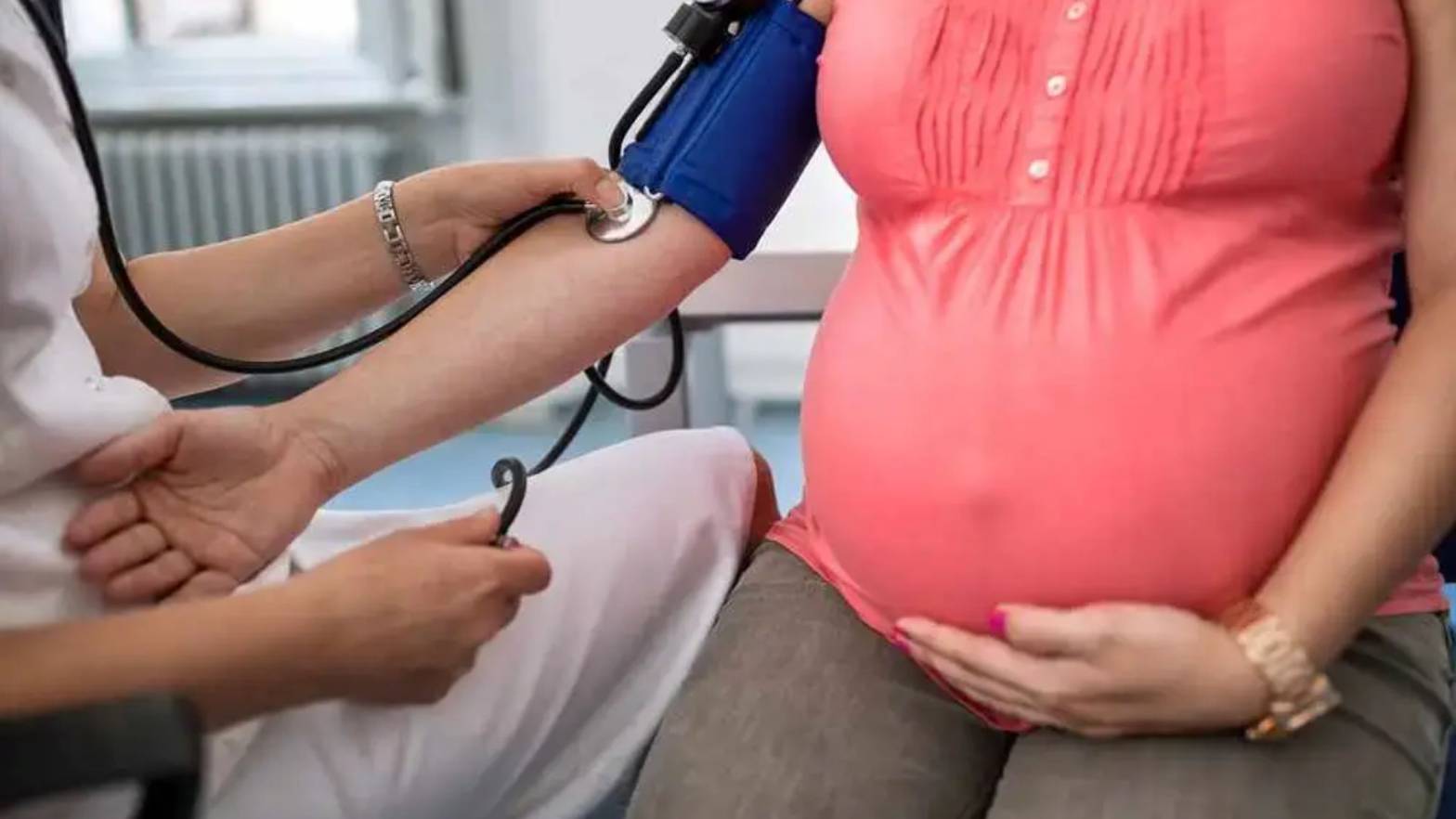
Some Indian women already have high blood pressure before getting pregnant. This is called chronic hypertension. This makes first trimester very risky.
High blood pressure reduces blood flow to the baby. The baby gets less food and oxygen. This can stop the baby from growing properly.
What to do: Check your blood pressure every week. Take your blood pressure medicines as doctor says. Never stop blood pressure medicine on your own.
You May Also Like: Safe Exercises During Pregnancy At Home
Thyroid Problems
Thyroid is very common in Indian women. Some have low thyroid. Some have high thyroid. Both affect the baby's brain development.
If you have thyroid, get it checked as soon as you know you are pregnant. First trimester is when baby's brain starts growing. Right thyroid level is very important in these weeks.
What to do: Take thyroid medicine every day at same time. Get thyroid test every four to six weeks.
When to Go to Doctor Immediately?
Many Indian women wait too long before going to doctor. They think symptoms will go away on their own. Some women fear that doctor will give bad news. But waiting makes things worse.
Go to doctor or hospital immediately if you have any of these:
-
Heavy bleeding like periods
-
Fainting or blacking out
-
Severe pain that makes you cry
-
Fever with chills
-
Unable to drink water for twelve hours
-
Difficulty breathing
Do not take these signs lightly. Many baby and mother deaths happen because of late treatment. In India, help is available. Every district has a government hospital. Every city has many nursing homes. Go there without fear.
Simple Things You Can Do to Lower Your Risk
You cannot change all risk factors. But you can do many things to make your pregnancy safer.
Eat Small Meals Many Times
Do not eat two big meals. Eat six small meals. This keeps your blood sugar steady. It also reduces vomiting. Eat something every two hours. A banana, a biscuit, a glass of milk, a bowl of curd rice.
Drink Water Throughout the Day
Dehydration makes many problems worse. Keep a water bottle near you. Take small sips every fifteen minutes. Drink at least eight glasses of water every day. In summer, drink ten to twelve glasses.
Rest But Do Not Lie Down All Day
Your body needs rest. But lying down all day is not good. It makes your blood flow slow. It can cause blood clots. Walk slowly inside your house for five to ten minutes every few hours. This keeps blood moving.
Keep Your Family Doctor Number Handy
Save these numbers in your phone: your gynaecologist, nearest hospital emergency, and a family member who can drive you. In emergency, every minute matters.
FAQs
Question 1: I saw few drops of brown blood. Is this high risk?
Brown spotting in small amount is usually normal. It happens when the fertilized egg attaches to uterus. But if spotting continues for more than two days or becomes red, call your doctor.
Question 2: I am thirty eight years old. Is my pregnancy automatically high risk?
Age above 35 increases risk but does not mean you will have problems. Many women above 35 have normal delivery. You only need extra tests and more checkups. Do not worry too much.
Question 3: I have diabetes before pregnancy. What should I do in first trimester?
You must see a doctor the moment you know you are pregnant. Your diabetes medicines may need to change. Some diabetes tablets are not safe in pregnancy. You may need insulin. Keep checking your blood sugar every day.
Question 4: Can I travel in first trimester if I have high risk symptoms?
No. If you have any high risk symptoms, do not travel. Avoid long bus or train journeys. Avoid bumpy roads. If travel is needed, talk to your doctor first. Get a full checkup before going anywhere.
Question 5: I feel too much gas and stomach bloating. Is this a high risk sign?
Gas and bloating are normal in first trimester. Pregnancy hormones slow down your digestion. This causes gas. But if bloating comes with severe pain or bleeding, then it is a warning sign.
Question 6: My mother had high risk pregnancy. Will I also have it?
Not necessarily. Some problems run in families. But many problems do not. Tell your doctor about your mother's pregnancy history. Doctor will check you more carefully. But do not assume you will have same problems.
Conclusion
Pregnancy is different for every woman. Your friend may have no symptoms. You may have many symptoms. That does not mean your pregnancy is bad.
The most important thing is to listen to your body. If something feels very wrong, do not ignore that feeling. Indian women are taught to tolerate pain. We are taught not to complain. But in pregnancy, speaking early saves lives.
You do not need to be scared. You only need to be aware. Keep your doctor's number. Go for all checkups. Eat well. Rest well. And if you see any of the seven warning signs we discussed, go to the hospital without waiting.
Other Articles

Parenting Hacks For Busy Parents At Home
50 Popular Gujarati Surnames Or Last Names With Meanings