
Kids adore to play, run, snicker, and remain active all day. Whereas doing all this, numerous children disregard to drink sufficient water. This can gradually lead to drying out. Drying out in children happens more regularly than numerous guardians think. It can begin exceptionally little and develop into a enormous wellbeing issue if overlooked. A child may not continuously say they feel parched. Babies cannot tell at all. That is why guardians and caregivers require to know the signs early. This direct clarifies Signs of Parchedness in Children utilizing exceptionally simple words. A 10-year-old can studied and get it it without inconvenience. Everything here is based on genuine child wellbeing counsel, composed in a neighborly way, fair like a straightforward conversation at home.
What Dehydration Means in Simple Words?

Dehydration implies the body does not have sufficient water. Water makes a difference the body do numerous employments. It makes a difference with breathing, absorption, blood stream, and body temperature. When kids lose more water than they drink, drying out begins. Children lose water when they sweat, pee, cry, or get wiped out. Fever, free crap, and tossing up can dry the body quick. Babies and little children are at higher chance since their bodies are little. Indeed a brief time without sufficient liquids can cause lack of hydration in babies. More seasoned kids can too get got dried out amid sports, open air play, or travel. Knowing what parchedness implies makes a difference guardians act early and keep kids safe.
Read Also: Simple Pre Diabetic Child Diet Plan With Easy Fun Kid Foods
Why Children Get Dehydrated Easily?
Children get dried out quicker than grown-ups. Their bodies hold less water. They moreover move more and sweat more. Kids frequently disregard to drink water when they are active playing. Babies depend on grown-ups for drain or liquids. If nourishing moderates amid affliction, parchedness can begin rapidly. Hot climate includes more hazard. Indeed cold climate can cause drying out since kids still lose water when breathing and playing. School days can too be a issue if kids dodge drinking water to skip lavatory breaks. All these little things include up. That is why lack of hydration in children is common and needs near consideration each day.
Early Signs of Dehydration in Children
Early signs of lack of hydration in children are gentle but critical. A child may feel tired or less dynamic. They may not need to play as normal. The mouth and lips may see dry. The tongue may feel sticky. Pee may turn dim yellow and come less frequently. Babies may have less damp diapers than typical. A few kids may say they feel bleary eyed or have a cerebral pain. Crying without tears is another sign. These signs appear the body needs water before long. When guardians take note these early signs and grant liquids, kids regularly feel way better rapidly. Early care can halt parchedness from getting worse.
Signs of Dehydration in Babies and Toddlers
Babies and little children cannot clarify how they feel, so guardians must observe closely. Less damp diapers are a huge sign. A child who as a rule wets numerous diapers may as it were damp one or two. The mouth may see dry. The delicate spot on beat of the baby’s head may see depressed. Crying without tears is common. The child may appear languid or difficult to wake. A few babies may feel cool to touch. These are signs of drying out in babies that require fast care. Since babies lose water quick, guardians ought to act right absent if these signs appear.
Signs of Dehydration in School-Age Children
Older children can conversation, but they may still overlook thirst. A school-age child may complain of cerebral pain or tummy torment. They may feel frail or bleary eyed. Pee may be dull yellow and scent solid. The child may not pee amid the school day. Dry lips and dry skin can show up. A few kids gotten to be crotchety or calm. Sports and open air recreations increment hazard. These are common parchedness indications in kids who are dynamic. Guardians ought to inquire almost water admissions and remind kids to drink regularly, particularly amid play and school hours.
Serious Signs That Need Fast Medical Care
When drying out gets more regrettable, the signs gotten to be genuine. These signs cruel you ought to get restorative offer assistance right away.
- No pee for numerous hours, exceptionally dry mouth, indented eyes
- Fast breathing, frail body, child appears exceptionally languid or confused
These extreme signs of lack of hydration in children can hurt the body. Babies may deny to drink or nourish at all. Skin may feel free or cold. The child may not react well when talked to. These signs ought to never be disregarded. Speedy restorative care can anticipate genuine wellbeing issues. Guardians ought to believe their sentiments and look for offer assistance if the child looks exceptionally unwell.
Common Causes of Dehydration in Children
Many things can cause lack of hydration in kids. Hot climate is one of the primary causes. Kids sweat whereas playing exterior. Fever moreover causes water misfortune. Free crap and tossing up evacuate water quick. A few children dodge drinking water at school. Long travel without drink breaks can dry the body. Babies may not bolster well amid ailment. Sports drinks are not continuously accommodating since they contain sugar. Plain water or verbal rehydration drinks work way better. Knowing the cause makes a difference guardians arrange and avoid drying out some time recently it starts.
How Illness Leads to Dehydration?
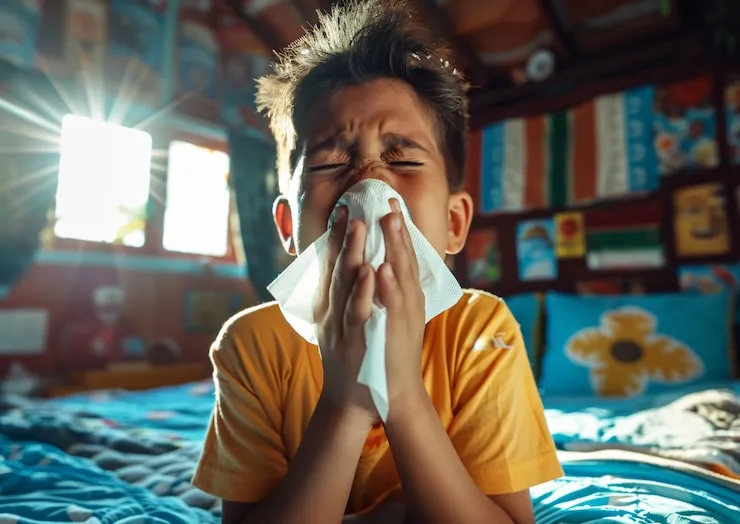
Illness is a major cause of drying out in children. Fever makes the body lose water through sweat. Free crap pulls water out of the body. Tossing up makes it difficult to keep liquids interior. Sore throat or mouth torment can halt kids from drinking. Babies may deny drain amid ailment. All these issues lower liquid levels. Amid ailment, children require more liquids than regular. Guardians ought to offer little tastes regularly. Indeed minor sums offer assistance. Observing closely amid sickness can halt drying out from getting worse.
Read: How to Boost Baby Immune System Naturally
How Weather and Play Affect Hydration?
Hot climate increments water misfortune through sweat. Kids playing exterior may not take note thirst until lack of hydration begins. Cold climate too causes liquid misfortune through breathing. Sports and long play sessions raise chance. Overwhelming dress can increment sweating. Guardians ought to arrange water breaks amid play. Sending kids exterior with a water bottle makes a difference a parcel. Educating kids to take drink breaks keeps the body adjusted. Climate and play are every day parts of life, so hydration needs every day care too.
How Parents Can Prevent Dehydration at Home?
Preventing lack of hydration is less demanding than treating it. Guardians can offer assistance with straightforward propensities. Offer water numerous times a day. Do not hold up for kids to inquire. Amid affliction, deliver little tastes each few minutes. Popsicles made from water can offer assistance a few kids drink more. Check pee color to see hydration levels. For babies, number damp diapers. Dress kids in light dress amid warm. Pack water for travel and school. These straightforward steps offer assistance guardians avoid drying out in children and keep them sound each day.
Best Drinks for Hydrating Children
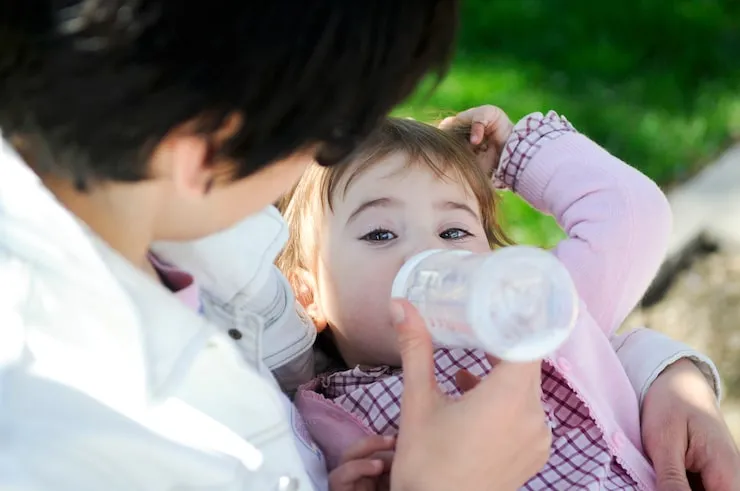
Water is the best drink for kids. It has no sugar and keeps the body adjusted. Amid ailment, verbal rehydration drinks offer assistance supplant misplaced liquids. Breast drain or equation is best for babies. Dodge sugary drinks and pop. Natural product juice ought to be restricted since it can disturbed the stomach. Drain is fine for standard days but not continuously best amid spewing. Choosing the right drink makes a difference the body recoup quicker and keeps hydration levels steady.
How to Tell If a Child Is Drinking Enough?
Parents regularly ponder how much water is sufficient. A straightforward way is to check pee color. Light yellow implies great hydration. Dim yellow implies the body needs more water. Kids ought to pee a few times a day. Babies ought to have numerous damp diapers. Vitality levels moreover matter. A well-hydrated child feels dynamic and caution. Dry lips and tired behavior may cruel moo liquids. Observing these signs makes a difference guardians know if their child is drinking enough.
Dehydration Risks for Babies Under One Year
Babies beneath one year confront higher parchedness chance. Their bodies lose water quick. They cannot inquire for liquids. Any fever, free crap, or destitute nourishing can cause parchedness rapidly. Less damp diapers are a solid caution sign. Dry mouth and depressed delicate spot require consideration. Guardians ought to look for restorative care early for babies. Speedy activity keeps babies secure and avoids genuine wellbeing trouble.
Dehydration During Travel and School Days
Travel can increment drying out chance. Long car rides, flights, or open air trips may restrain drink breaks. Kids may dodge utilizing restrooms and drink less. School days can be comparative. A few kids skip water to dodge lavatory trips. Guardians ought to pack water bottles and remind kids to drink. Instructors ought to energize water breaks. Arranging ahead makes a difference children remain hydrated amid active days.
When Home Care Is Not Enough?
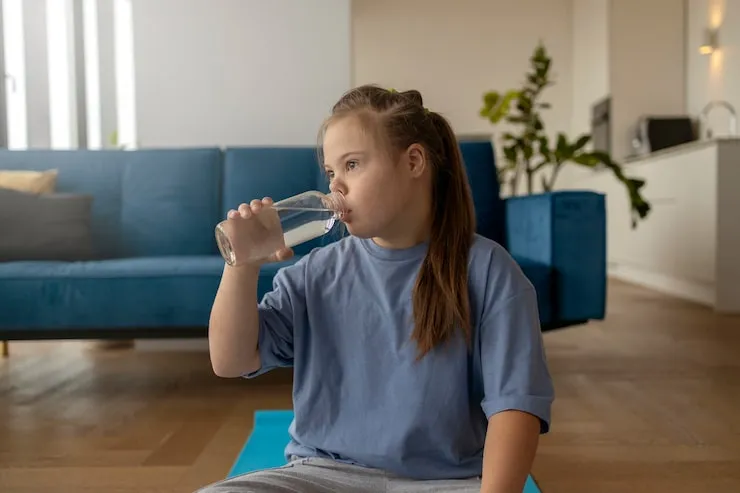
Sometimes domestic care is not sufficient to treat drying out. If a child cannot keep liquids down, therapeutic care is required. No pee for numerous hours is a caution sign. Babies appearing drying out signs require speedy care. Tall fever with dry mouth and powerless body moreover needs consideration. Specialists can grant liquids securely. Early care makes a difference children recuperate speedier. Guardians ought to never delay looking for offer assistance when signs develop serious.
Long-Term Effects of Untreated Dehydration
Untreated drying out can hurt the body. It can influence kidneys and absorption. Extreme cases can cause perplexity and shortcoming. In babies, it can moderate development. Long-term drying out can lead to rehashed ailment. Early care anticipates these issues. Guardians who know the signs can ensure their child’s wellbeing and dodge future issues.
Teaching Children Healthy Drinking Habits
Teaching kids to drink water every day builds a solid propensity. Make water simple to reach. Offer water with dinners and snacks. Utilize fun mugs or bottles. Laud kids when they drink water. Instruct them to take drink breaks amid play. Solid propensities learned early remain for life. This basic schedule makes a difference avoid drying out and keeps kids feeling solid and happy.
Signs of Dehydration in 7-Year-Old
A 7-year-old with lack of hydration may appear thirst, dry lips, dim yellow pee, decreased urination, tiredness, migraine, peevishness, dry mouth, and diminished concentration. They may show up less dynamic and complain of tipsiness amid play or school activities.
Early Signs of Dehydration in Pediatric Patients
Early drying out signs in children incorporate expanded thirst, dry mouth, somewhat diminished pee yield, darker pee, gentle weariness, dry lips, and diminished vitality. Children may gotten to be crabby, less lively, or complain of migraines some time recently serious side effects develop.
Signs of Dehydration in 10-Year-Old
In a 10-year-old, drying out signs incorporate strongly thirst, occasional urination, dim pee, dry skin, weakness, tipsiness, cerebral pains, muscle spasms, and destitute center. They may feel powerless amid sports or ended up abnormally tired after schedule physical activity.
Signs of Dehydration in 5-Year-Old
A got dried out 5-year-old may have dry mouth, broken lips, less damp diapers or urination, dim pee, indented eyes, tiredness, and crabbiness. The child may cry with few tears and appear decreased intrigued in play.
You May Also Like: Understanding Childrens Behavioral Health: A Guide for Parents and Caregivers
Signs of Dehydration in Children 8 Years Old
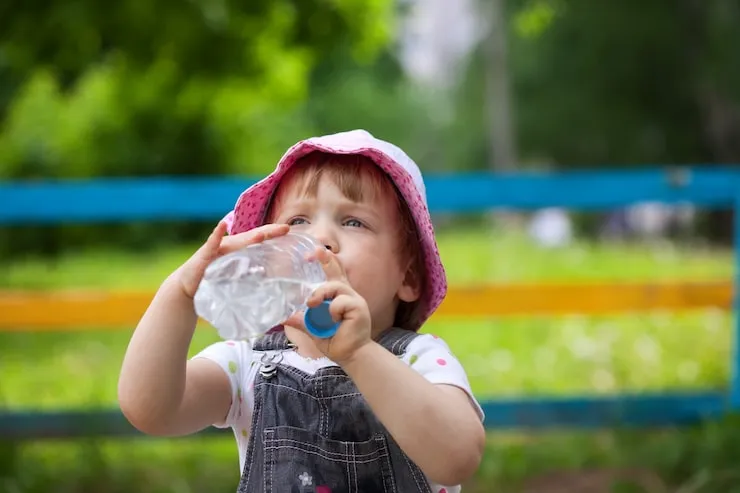
Dehydration in 8-year-old children can cause thirst, dry lips, diminished urination, dim pee, weakness, tipsiness, cerebral pains, and destitute concentration. They may show up less lively, complain of stomach distress, and battle to keep up amid physical activities.
10 Signs Of Dehydration In Adults
Common signs of drying out incorporate thirst, dry mouth, dim pee, diminished urination, weakness, tipsiness, dry skin, migraines, peevishness, and indented eyes. In children, crying without tears and moo vitality are too imperative caution signs.
Signs of Dehydration in 6-Year-Old
A 6-year-old with parchedness may appear dry lips, expanded thirst, dim pee, less washroom visits, tiredness, fractiousness, and tipsiness. The child may complain of cerebral pains and appear less dynamic or curiously calm amid the day.
Signs of Dehydration in 4-Year-Old
Signs of parchedness in a 4-year-old incorporate dry mouth, broken lips, decreased urination, dim pee, depressed eyes, weariness, and fastidiousness. The child may cry with small tears and appear diminished craving or intrigued in exercises.
FAQs
How can I tell if my child is dehydrated?
Check pee color, dry mouth, moo vitality, less damp diapers, and crying without tears. These are common signs of drying out in children.
Can lack of hydration happen without hot weather?
Yes. Ailment, destitute liquid admissions, and active play can cause parchedness indeed in cool weather.
What ought to I provide my child if they deny water?
Try little tastes regularly. Verbal rehydration drinks or water-based popsicles can offer assistance amid sickness.
Final Thoughts
Dehydration in children can begin unobtrusively and develop quick. Knowing the signs makes a difference guardians act early. Observe for changes in pee, vitality, and mouth dampness. Offer liquids regularly and arrange ahead for active days. Babies require additional care since they lose water rapidly. Straightforward every day propensities keep kids secure and sound. With the right care, drying out can be anticipated and treated early, making a difference children remain dynamic, cheerful, and well.
Other Articles

What To Avoid On Valentine’s Day When Pregnant
50 Popular Gujarati Surnames Or Last Names With Meanings